Western Herbalism
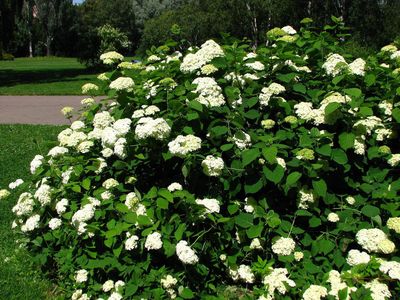
Wild hydrangea
Hydrangea arborescens
Also known as Sevenbark, Mountain Hydrangea, Seven Barks, Smooth Hydrangea, Hydrangea.
Hydrangea is diuretic and sedative to cystic and urethral irritation, with passage of gravelly urine. It does not dissolve gravel, but is believed to be of value in preventing their formation, especially alkaline and phosphatic concretions.

Ask Herbert about Wild hydrangea. Herbert is the master herbalist inside Bountiful Herbs: he answers from this plate and eleven hundred others, with dosing, pairing and cautions. Your first ten questions are free.
Ask HerbertActions
Indications what the tradition reached for it in
- Prostatitis
- Kidney stone
- Urinary gravel
- Pain
- Urethritis
- Benign prostatic hyperplasia
- Edema
- Fluid retention
- Urinary disorders
- Urinary complaints
- Urinary calculi
- Cystitis
- Enlarged prostate gland
- Specifically for urinary calculi with gravel
Safety
Pregnancy: Limited safety data in pregnancy
The record lists 2 contraindications; open the plate in the library to read them in full.
Dosing as the sources wrote it
| Preparation | As written | Metric |
|---|---|---|
| Tincture (1:5) | 3-5 ml TID | 3-5 mL |
| Decoction | 2 tsp/c TID | |
| Dried rhizome/root 2-4 g as a decoction three times daily | 2000-4000 mg | |
| (G7) Liquid extract 2-4 mL (1 : 1 in 25% alcohol) three times daily .(G7) Tincture 2-10 mL (1 : 5 in 45% alcohol) three times daily | 2-4 mL | |
| Fluid Extract of Hydrangea | Dose, from. | |
| Specific Medicine Hydrangeae | Dose, from five to thirty minims Thirty minims in two ounces of water, a teaspoonful every tell or fifteen minutes, will quickly relieve acute, quick, cutting, urethral pains, especially immediately after labor. | 0.31-1.85 mL |
Doses are reproduced from the sources for practitioners and are not a recommendation for any person.
From the sources
Action and Therapy. Hydrangea is diuretic and sedative to cystic and urethral irritation, with passage of gravelly urine. It does not dissolve gravel, but is believed to be of value in preventing their formation, especially alkaline and phosphatic concretions.
Therapy. This agent is a soothing diuretic, exercising a mild, but permanent tonic influence. upon the entire mucous structures of the genito-It is an important remedy in acute nephritis. I have for many years combined it with gelsemium, or gelsemium and cimicifuga, and have obtained most satisfactory results.
traditional_action. Wild hydrangea root is a bitter diuretic and antilithic long valued in Eclectic and folk practice for urinary stones and gravel, said to help form and dissolve deposits so they pass more easily through the ureters and to relieve the accompanying backache.
action. The root acts as a diuretic that increases urine outflow, and traditional practice holds this both promotes passage of urinary gravel and may lower bacterial burden by flushing the urinary tract.
Drawn from King's American Dispensatory, 18th edition (Felter and Lloyd); Ellingwood's American Materia Medica, Therapeutics and Pharmacognosy; Felter's Eclectic Materia Medica, Pharmacology and Therapeutics, and the Bountiful Herbs editorial.
Nearby on the shelf
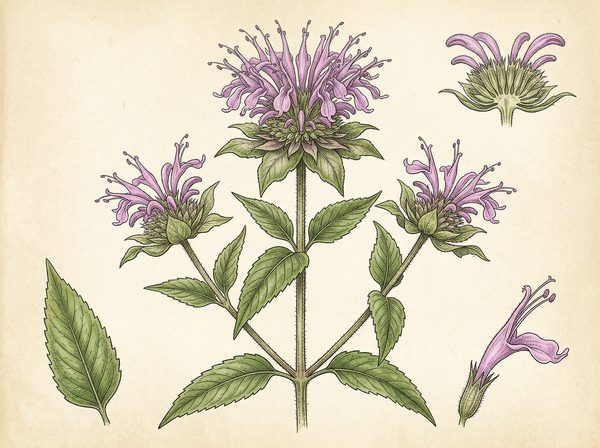 Wild BergamotMonarda fistulosa
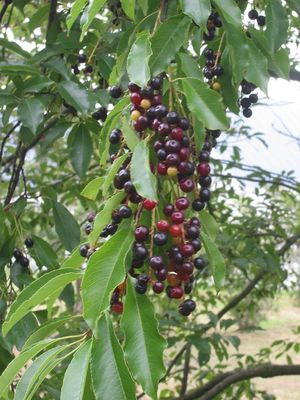 Wild cherryPrunus serotina
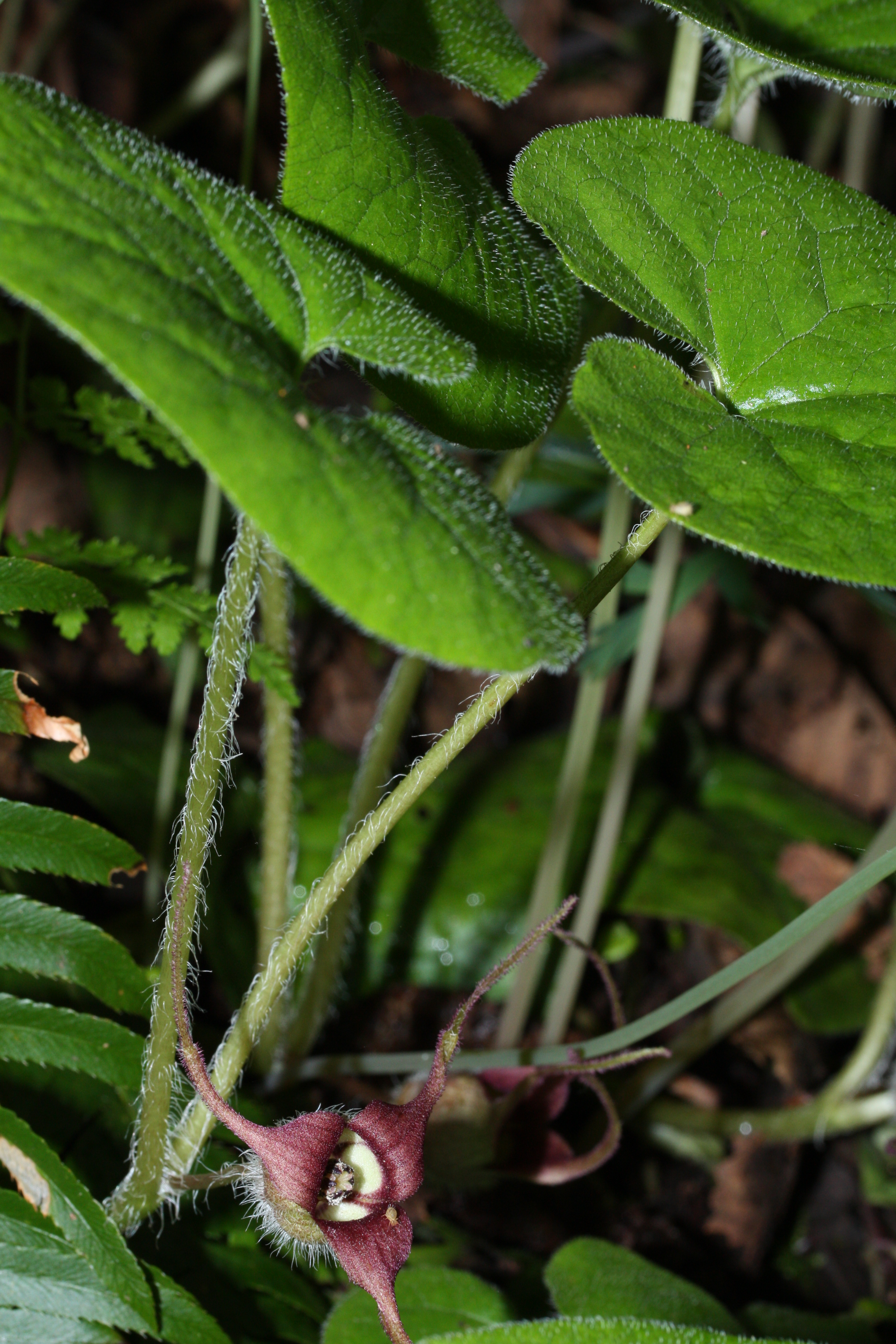 Wild GingerAsarum Candense
 Wild guavaCareya arborea
 Wild indigoBaptisia tinctoria
 Wild LettuceLactuca virosa
 Wild quinineParthenium integrifolium
 Wild SarsaparillaAralia nudicaulis
The whole plate is in the library. The compass, Compare, the Sky of eleven hundred plants and the formulary open with an email address and a password, free, with the formula builder and its safety engine. Herbert without limit, his formulating, clients, the handouts and the labels are the paid room.
Open the library, free