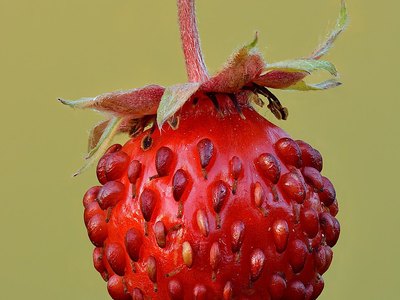
Western Herbalism
Wild strawberry
Fragaria vesca
Also known as Woodland strawberry, Alpine strawberry, Strawberry, Wood Strawberry, English strawberry.
Wild strawberry is a low creeping perennial of woodland and meadow across the temperate Northern Hemisphere, long familiar as both food and medicine. The leaves, and to a lesser extent the root and the ripe fruit, have been used since antiquity for their gentle astringent and tonic properties. In the physiomedicalist tradition it was valued as a soothing rather than harshly drying astringent, gentle enough for children and for debilitated tissues.

Ask Herbert about Wild strawberry. Herbert is the master herbalist inside Bountiful Herbs: he answers from this plate and eleven hundred others, with dosing, pairing and cautions. Your first ten questions are free.
Ask HerbertActions
Indications what the tradition reached for it in
- Diarrhea, especially in children
- Subacute dysentery
- Loose stool with intestinal laxity
- Catarrh of the bladder
- Leucorrhea in nervous or debilitated women
- Mucous vaginal discharge in scrofulous children
- General debility of digestive tract
- Mild gum and mouth inflammation (as gargle)
Specific indications
Childhood diarrhea with soft, watery stool and no acute fever, where a gentle rather than harsh astringent is wanted
Recurrent mild leucorrhea in a nervous, run-down woman, with mucous discharge but little heat or irritation
Safety
The record lists 2 contraindications; open the plate in the library to read them in full.
In practice
Strawberry leaf is best reached for when a mild, non-irritating astringent is needed, particularly in children with loose stool or subacute dysentery where stronger barks and roots would feel too harsh or drying.
Dosing as the sources wrote it
| Preparation | As written | Metric |
|---|---|---|
| Leaf infusion | 1-2 g dried leaf as infusion, up to three times daily | 1000-2000 mg |
| Tincture (1:5, 25%) | 2-4 mL three times daily | 2-4 mL |
| Fresh fruit | eaten freely as food | |
| Action, Medical Uses, and Dosage: The fruit, used very freely, has been highly spoken of in calculous disorders, likewise in gout, and the juice will dissolve the hard concretion called "tartar," which forms on the teeth, and without injuring them. With some, strawberries disagree, causing disordered digestion, and frequently a rash-like eruption on the surface. The grains or seed-like pericarps are indigestible, and sometimes cause irritation of the bowels. Strawberry-juice, or the syrup, added to water, forms a refreshing and useful drink for febrile patients | ||
| care being taken that the grains are removed by filtering or expressing the juice or syrup through a piece of muslin. Strawberries eaten with cream are, as a rule, injurious to dyspeptics. The leaves are slightly astringent, and have been used, in infusion, in diarrhoea, dysentery, and intestinal debility |
Doses are reproduced from the sources for practitioners and are not a recommendation for any person.
From the sources
Overview. Wild strawberry is a low creeping perennial of woodland and meadow across the temperate Northern Hemisphere, long familiar as both food and medicine. The leaves, and to a lesser extent the root and the ripe fruit, have been used since antiquity for their gentle astringent and tonic properties. In the physiomedicalist tradition it was valued as a soothing rather than harshly drying astringent, gentle enough for children and for debilitated tissues.
Clinical Notes. Strawberry leaf is best reached for when a mild, non-irritating astringent is needed, particularly in children with loose stool or subacute dysentery where stronger barks and roots would feel too harsh or drying.
Properties and Uses. The leaves are mildly astringent, with slight tonic qualities. They make a pleasant and useful remedy, especially for children, in diarrhea, laxity of the bowels, subacute dysentery, and similar recent forms of intestinal debility.
Description. Natural Order, Rosaceae. The numerous varieties of the cultivated strawberry are so well known that it would be useless to occupy space in their description. The various wild strawberries, though botanically different in species, medicinally possess the same properties. The edible portion, called the berry, is a peculiar succulent expansion of the receptacle, and is not the fruit at all; while the real fruit of the plant consists of the small seeds (achaniae) which are imbedded upon the surface of this receptacle.
Drawn from Cook's Physio-Medical Dispensatory; King's American Dispensatory, 18th edition (Felter and Lloyd), and the Bountiful Herbs editorial.
Often paired with
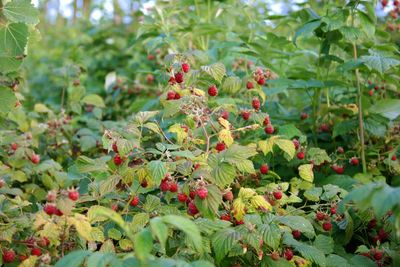 Red raspberryRubus idaeus
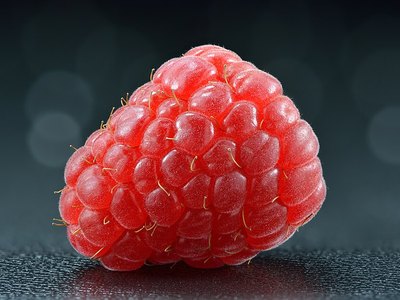 RaspberryRubus ideas
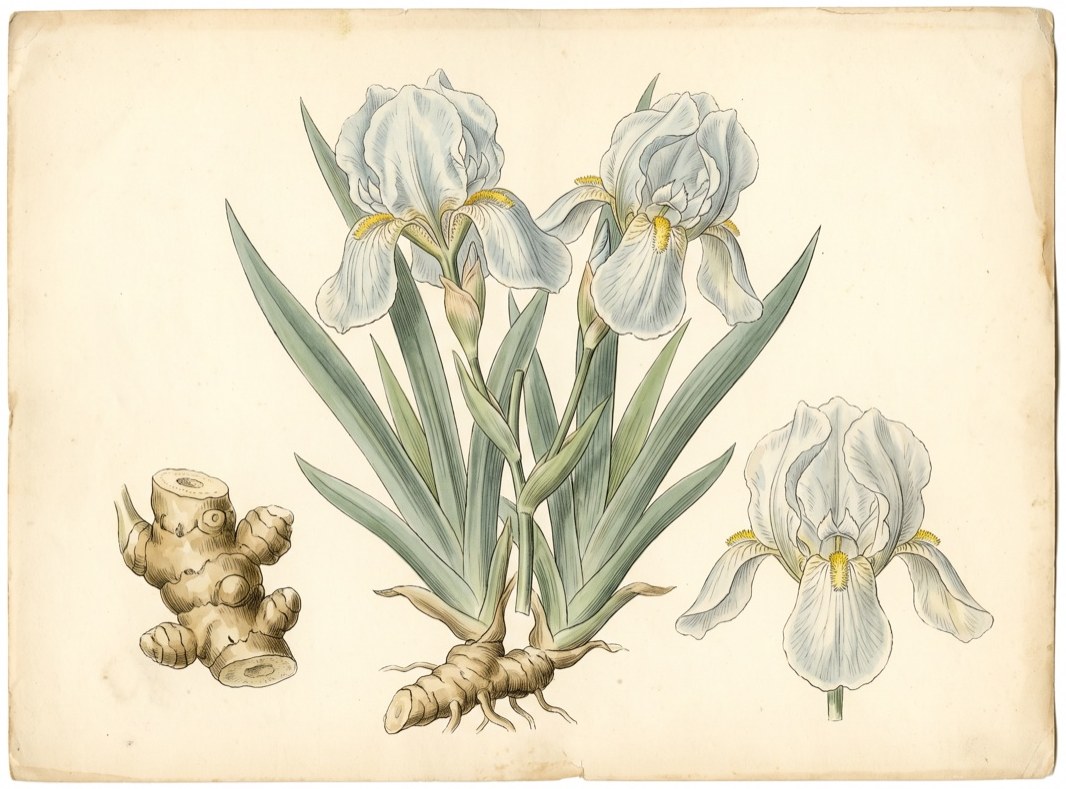 Florentine orrisIris Florentina
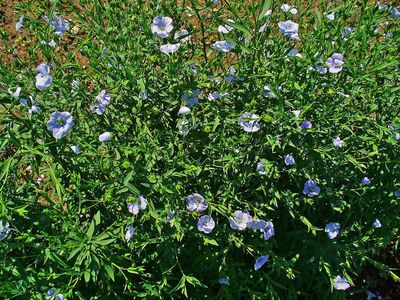 flaxLinum usitatissimum
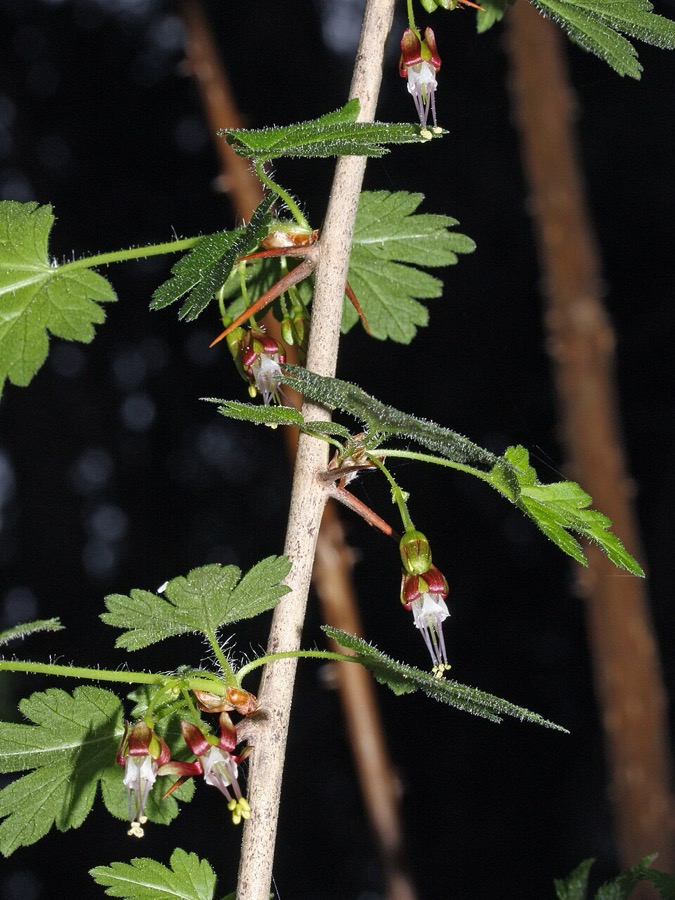 CurrantRibes
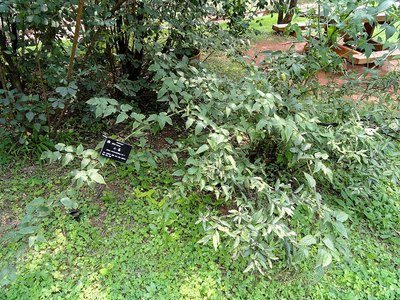 BlackberryRubus villosus
Nearby on the shelf
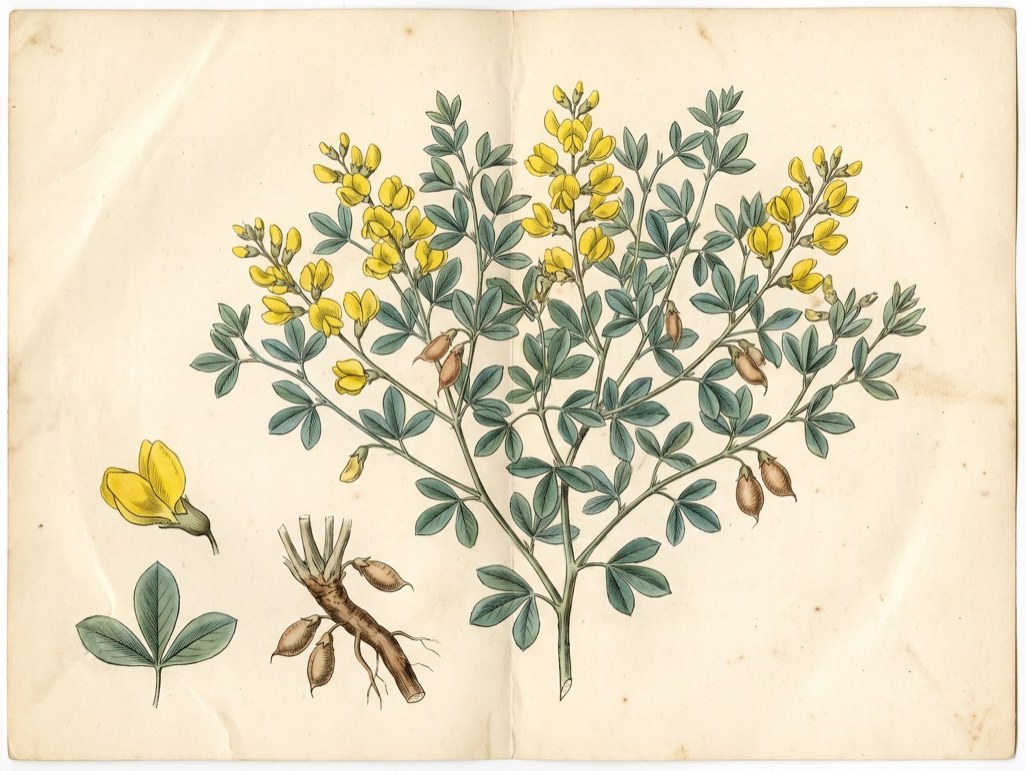 Wild indigoBaptisia tinctoria
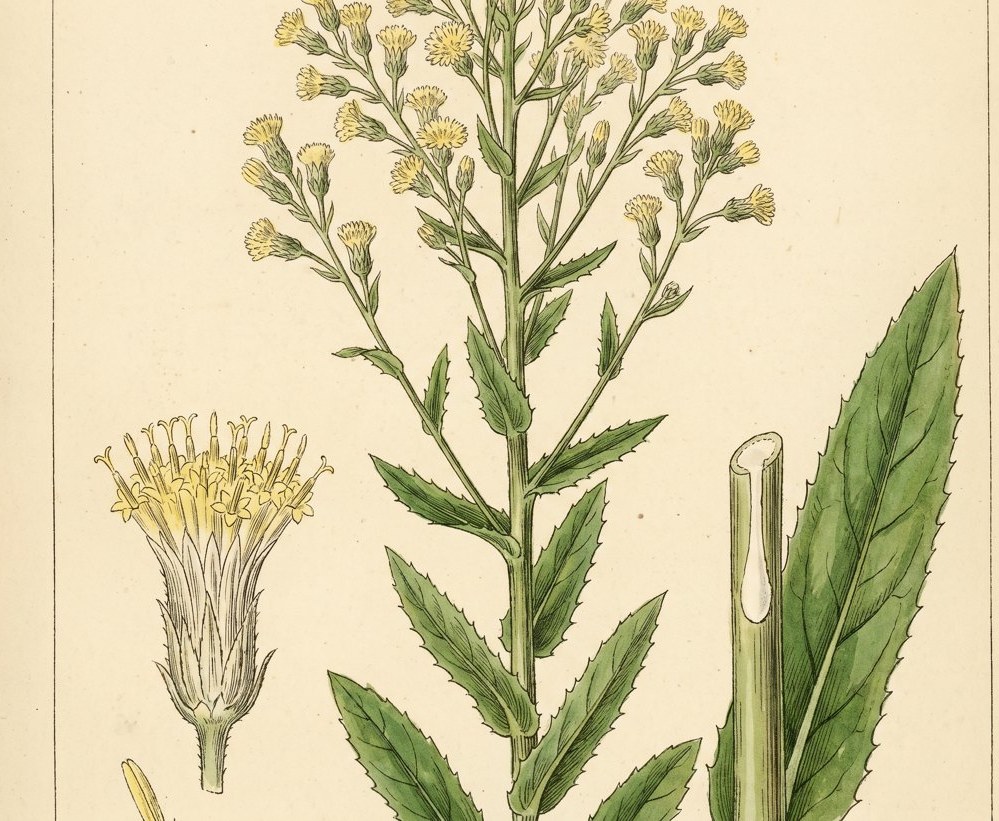 Wild LettuceLactuca virosa
 Wild quinineParthenium integrifolium
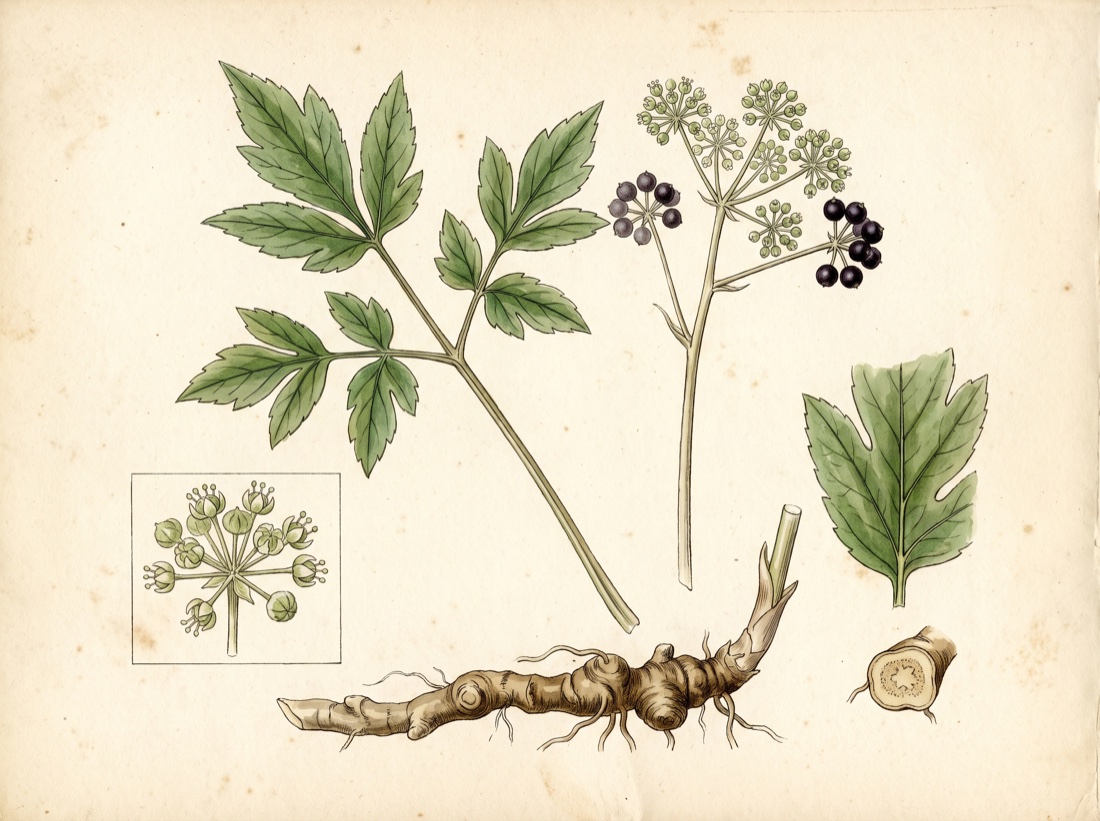 Wild SarsaparillaAralia nudicaulis
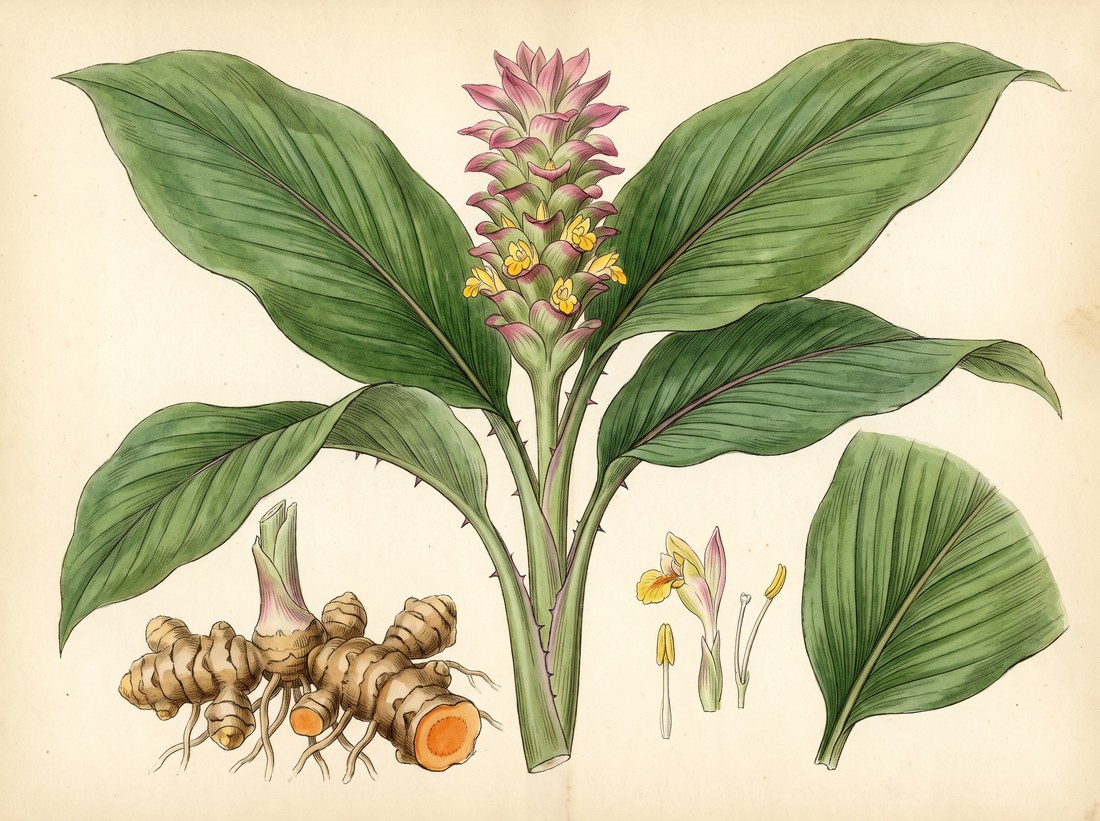 Wild turmericCurcuma aromatica
 Wild yamDioscorea villosa
 Wilford's cranesbillGeranium wilfordii
The whole plate is in the library. The compass, Compare, the Sky of eleven hundred plants and the formulary open with an email address and a password, free, with the formula builder and its safety engine. Herbert without limit, his formulating, clients, the handouts and the labels are the paid room.
Open the library, free