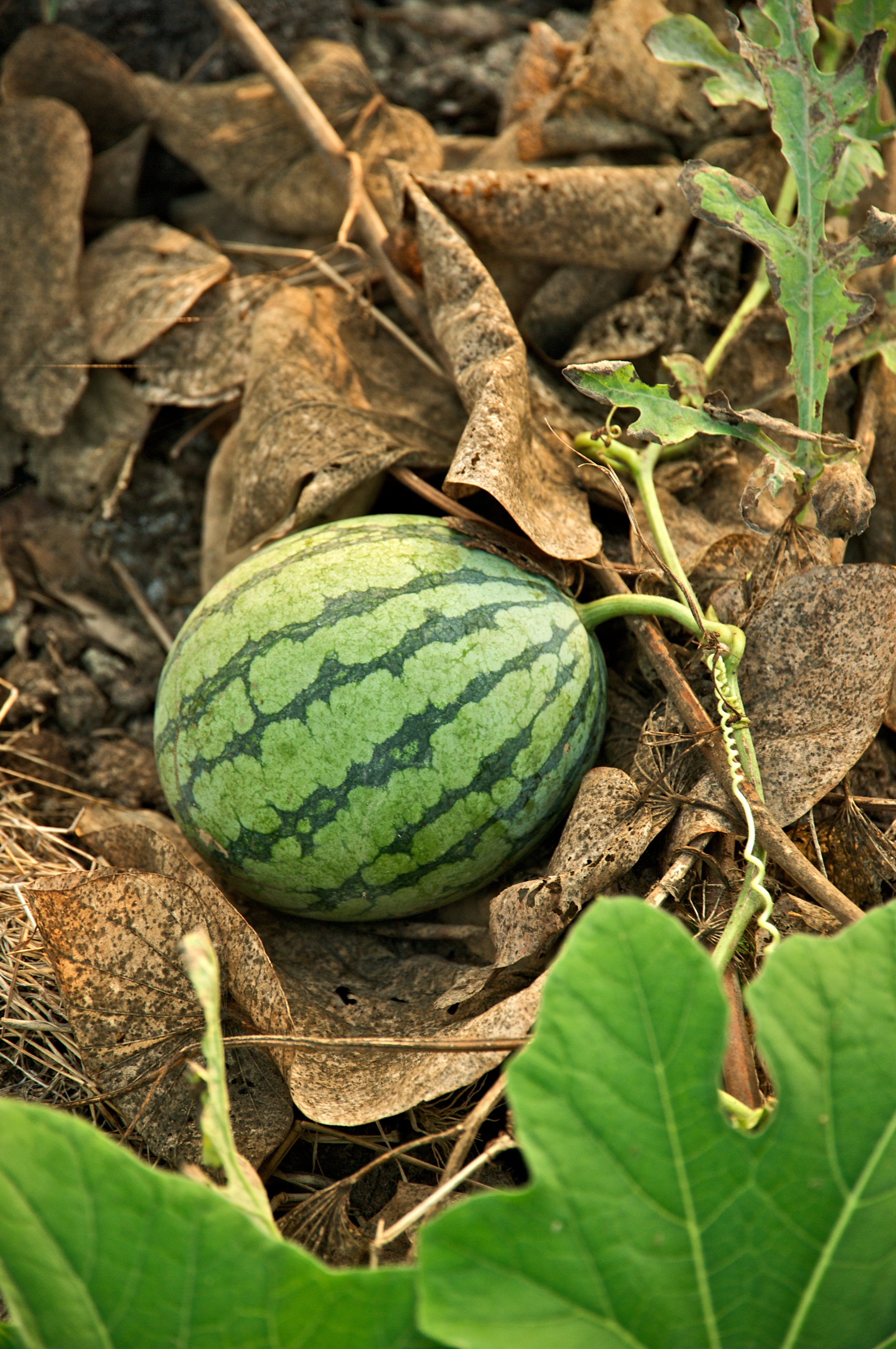
Western Herbalism
Watermelon
Citrullus vulgaris
Also known as Cucurbita, Watermelon seed.
Watermelon is the familiar large-fruited cucurbit cultivated worldwide for its sweet, juicy flesh; the part valued medicinally is the seed, whose husk yields a mild, soothing mucilage when infused in hot water. In the physiomedicalist tradition it was classed among the relaxant, demulcent remedies, used chiefly as a cooling drink for irritated urinary and digestive tissues. The fruit itself is primarily a food, though its juice and rind have long folk use as a cooling, hydrating agent in hot climates.

Ask Herbert about Watermelon. Herbert is the master herbalist inside Bountiful Herbs: he answers from this plate and eleven hundred others, with dosing, pairing and cautions. Your first ten questions are free.
Ask HerbertActions
Indications what the tradition reached for it in
- Acute cystitis
- Dysuria with scalding urine
- Urinary tract irritation
- Acute nephritis (supportive)
- Renal gravel and stone (supportive)
- Acute dysentery (supportive fluid and mucilage)
- Feverish thirst
- Mild edema
- Edema of mild to moderate degree
- Cystitis
- Dysuria
- Urinary gravel
- Mild hypertension
- General debility with thirst
- Convalescent support after febrile illness
- Poor peripheral circulation
- Exercise recovery and muscle soreness
Specific indications
Hot, scalding, painful urination with a sense of urinary tract irritation, where a bland mucilaginous drink is wanted to soothe and increase watery urine flow
Acute dysentery with thirst and irritated bowel, where a cooling mucilaginous infusion is used as a soothing fluid replacement
Safety
The record lists 2 contraindications; open the plate in the library to read them in full.
In practice
The classic preparation is a simple infusion of bruised or lightly crushed watermelon seed steeped in hot water for about an hour, taken freely through the day as a bland, mucilaginous drink. This is reached for in acute, hot, irritable states of the urinary tract, burning or scalding urine, and the early irritable stage of cystitis, where the aim is simply to soothe inflamed mucosa and encourage a free flow of dilute urine rather than to treat infection directly.
Dosing as the sources wrote it
| Preparation | As written | Metric |
|---|---|---|
| Seed husk infusion | 10-15 g crushed seed infused in 1 liter hot water for 1 hour, drunk freely through the day | 10000-15000 mg |
| Fresh fruit juice | 150-300 mL fresh juice once or twice daily as a cooling, hydrating drink | 150-300 mL |
| Fluid Extract of Watermelon Seed | Dose, one dram. | 3888-3888 mg |
| Seed decoction | 15-30 g crushed seeds simmered in water, taken through the day | 15000-30000 mg |
| Fluid extract (1:1) | 2-4 mL three times daily | 2-4 mL |
| Fresh juice or blended fruit | 200-400 mL fresh juice daily | 200-400 mL |
Doses are reproduced from the sources for practitioners and are not a recommendation for any person.
From the sources
Overview. Watermelon is the familiar large-fruited cucurbit cultivated worldwide for its sweet, juicy flesh; the part valued medicinally is the seed, whose husk yields a mild, soothing mucilage when infused in hot water. In the physiomedicalist tradition it was classed among the relaxant, demulcent remedies, used chiefly as a cooling drink for irritated urinary and digestive tissues. The fruit itself is primarily a food, though its juice and rind have long folk use as a cooling, hydrating agent in hot climates.
Overview. Watermelon is a trailing annual vine cultivated worldwide for its large, sweet, water-rich fruit, most likely native to Africa and long naturalized across warm temperate and tropical regions. The seeds, pressed for their fixed oil or prepared as a fluid extract, were a favorite simple diuretic among the American eclectic physicians of the nineteenth century, while the fresh fruit and juice have a long folk history as a cooling, hydrating food and mild remedy for urinary complaints.
Clinical Notes. The classic preparation is a simple infusion of bruised or lightly crushed watermelon seed steeped in hot water for about an hour, taken freely through the day as a bland, mucilaginous drink. This is reached for in acute, hot, irritable states of the urinary tract, burning or scalding urine, and the early irritable stage of cystitis, where the aim is simply to soothe inflamed mucosa and encourage a free flow of dilute urine rather than to treat infection directly.
Clinical Notes. Eclectic practitioners reached for watermelon seed tea or fluid extract as an unassuming but reliable diuretic, particularly for uncomplicated dropsy, cystitis, and scanty urine, favoring it in patients who needed a gentle, non-irritating remedy rather than a strong squill or juniper preparation.
Drawn from Cook's Physio-Medical Dispensatory; Ellingwood's American Materia Medica, Therapeutics and Pharmacognosy, and the Bountiful Herbs editorial.
Nearby on the shelf
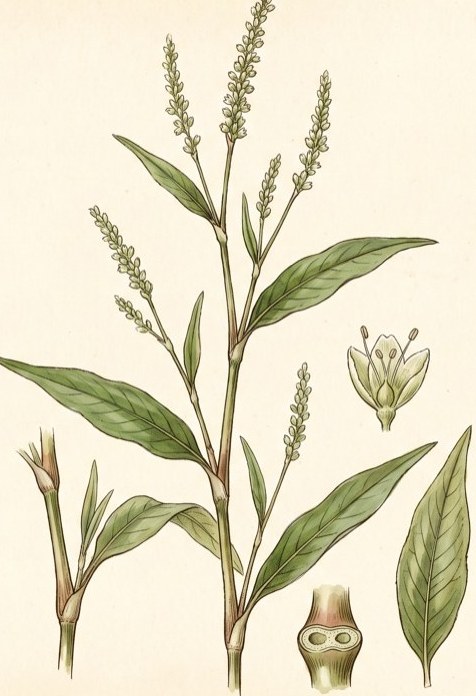 Water pepperPolygonum punctatum
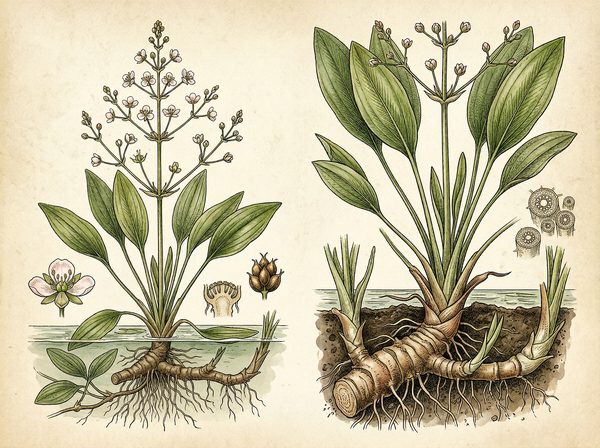 Water PlantainAlisma plantago-aquatica
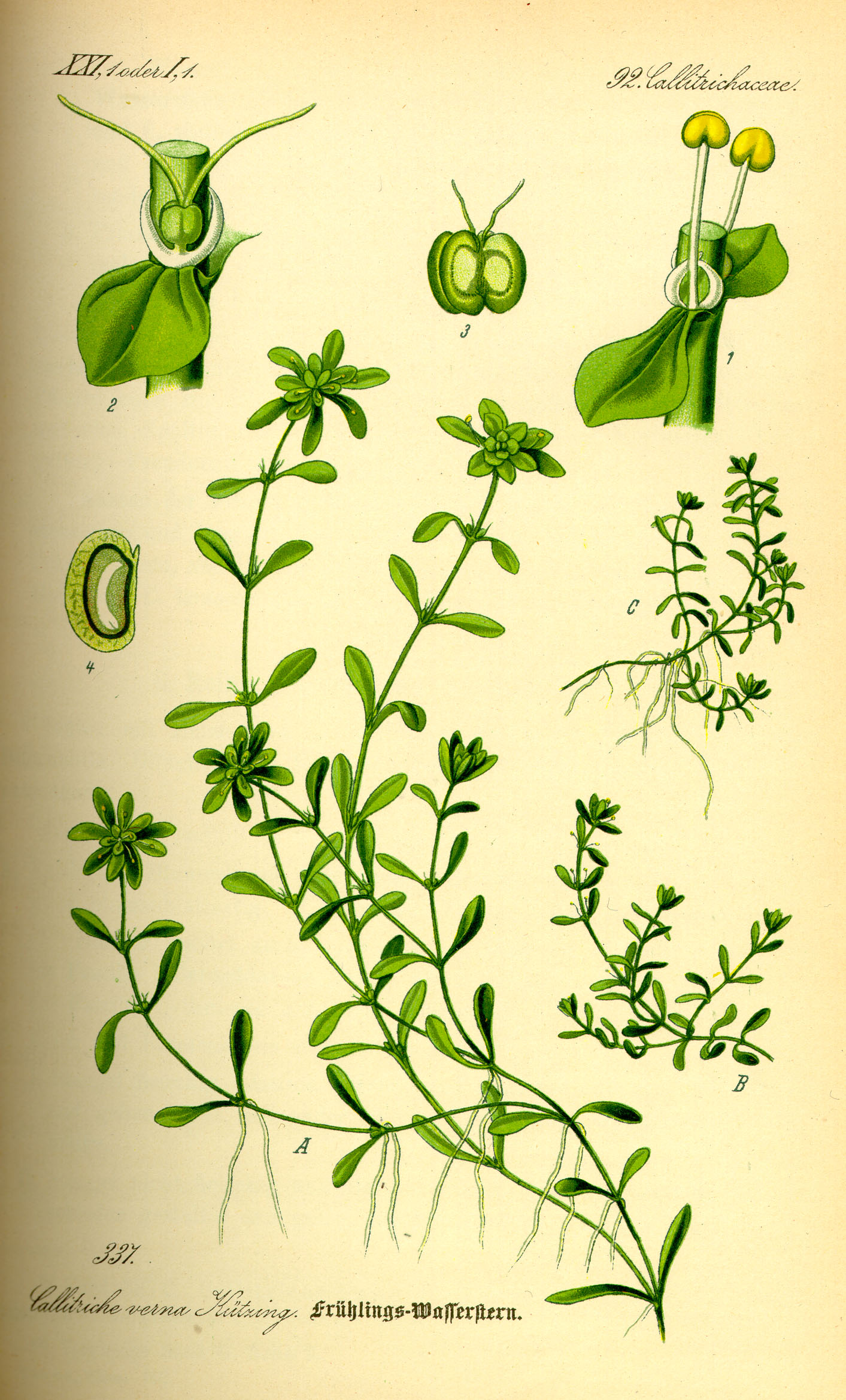 Water-StarwortCallitriche
 WatercressNasturtium officinale
 Welsh onionAllium fistulosum
 Western white clematisClematis ligusticifolia
 Western wormwoodArtemisia ludoviciana
 Wheaten FlourFarina Tritici
The whole plate is in the library. The compass, Compare, the Sky of eleven hundred plants and the formulary open with an email address and a password, free, with the formula builder and its safety engine. Herbert without limit, his formulating, clients, the handouts and the labels are the paid room.
Open the library, free