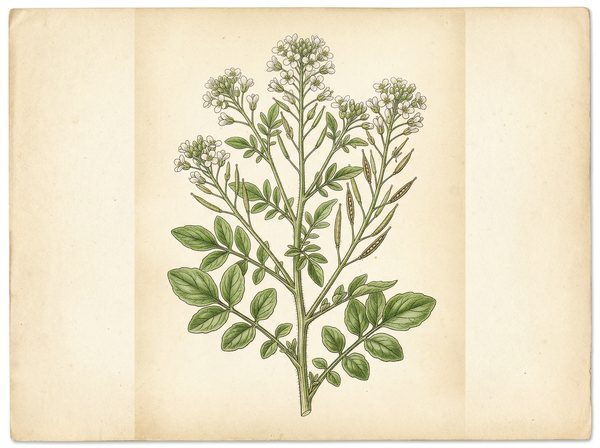
Western Herbalism
Watercress
Nasturtium officinale
Watercress acts primarily as: Diuretic, Expectorant, Antioxidant, Anti-inflammatory. Secondary actions include Alterative, Hypoglycemic, Hepatoprotective, Renoprotective, Antibacterial, Antineoplastic.

Ask Herbert about Watercress. Herbert is the master herbalist inside Bountiful Herbs: he answers from this plate and eleven hundred others, with dosing, pairing and cautions. Your first ten questions are free.
Ask HerbertActions
Indications what the tradition reached for it in
- Constipation
- Acute bronchitis
- Hypercholesterolemia
- Arthritis
- Inflammation
- Hair loss
- Bronchitis
- Odontalgia
- Skin inflammation
- Cancer supportive
- Hypertension
- Cough
- Hyperglycemia
- Oxidative stress
- Eczema
- Abdominal pain
- Scurvy
- Flu
- Warts
- Earache
- Catarrh of respiratory tract
- Scabies
- Edema
- Fluid retention
- Liver disease
- Respiratory congestion
- Urinary disorders
- Pain
- Respiratory complaints
- Chronic skin conditions
Safety
Pregnancy: Pregnancy Caution
Breastfeeding: Lactation (source flag notSafeInLactation)
The record lists 3 contraindications; open the plate in the library to read them in full.
Dosing as the sources wrote it
| Preparation | As written | Metric |
|---|---|---|
| Dried herb | Dried herb 4-6 g/day | 4000-6000 mg |
| Fresh herb | Fresh herb 20-30 g/day | 20000-30000 mg |
| Fresh juice | Fresh juice 60-150 g/day | 60000-150000 mg |
| Leaf extract | Leaf extract 500 mg/day (clinical studies) | 500-500 mg |
Doses are reproduced from the sources for practitioners and are not a recommendation for any person.
From the sources
primary-actions. Watercress acts primarily as: Diuretic, Expectorant, Antioxidant, Anti-inflammatory. Secondary actions include Alterative, Hypoglycemic, Hepatoprotective, Renoprotective, Antibacterial, Antineoplastic.
indications. Watercress is traditionally indicated for: Constipation, Acute bronchitis, Hypercholesterolemia, Arthritis, Inflammation, Hair loss, Bronchitis, Odontalgia, Skin inflammation, Cancer supportive, Hypertension, Cough, Hyperglycemia, Oxidative stress, Eczema, and 19 further conditions.
constituents. Notable constituents of Watercress include: Glucosinolates (gluconasturtiin), Isothiocyanates (PEITC), Mustard glycosides, Mustard oils, Polyphenols, Flavonoids, Vitamins (C, K, A), Minerals (calcium, potassium, iron).
dose-reference. Reference preparation/dosing for Watercress: Dried herb 4-6 g/day; Fresh herb 20-30 g/day; Fresh juice 60-150 g/day; Leaf extract 500 mg/day (clinical studies); Hydroalcoholic extract ;
Nearby on the shelf
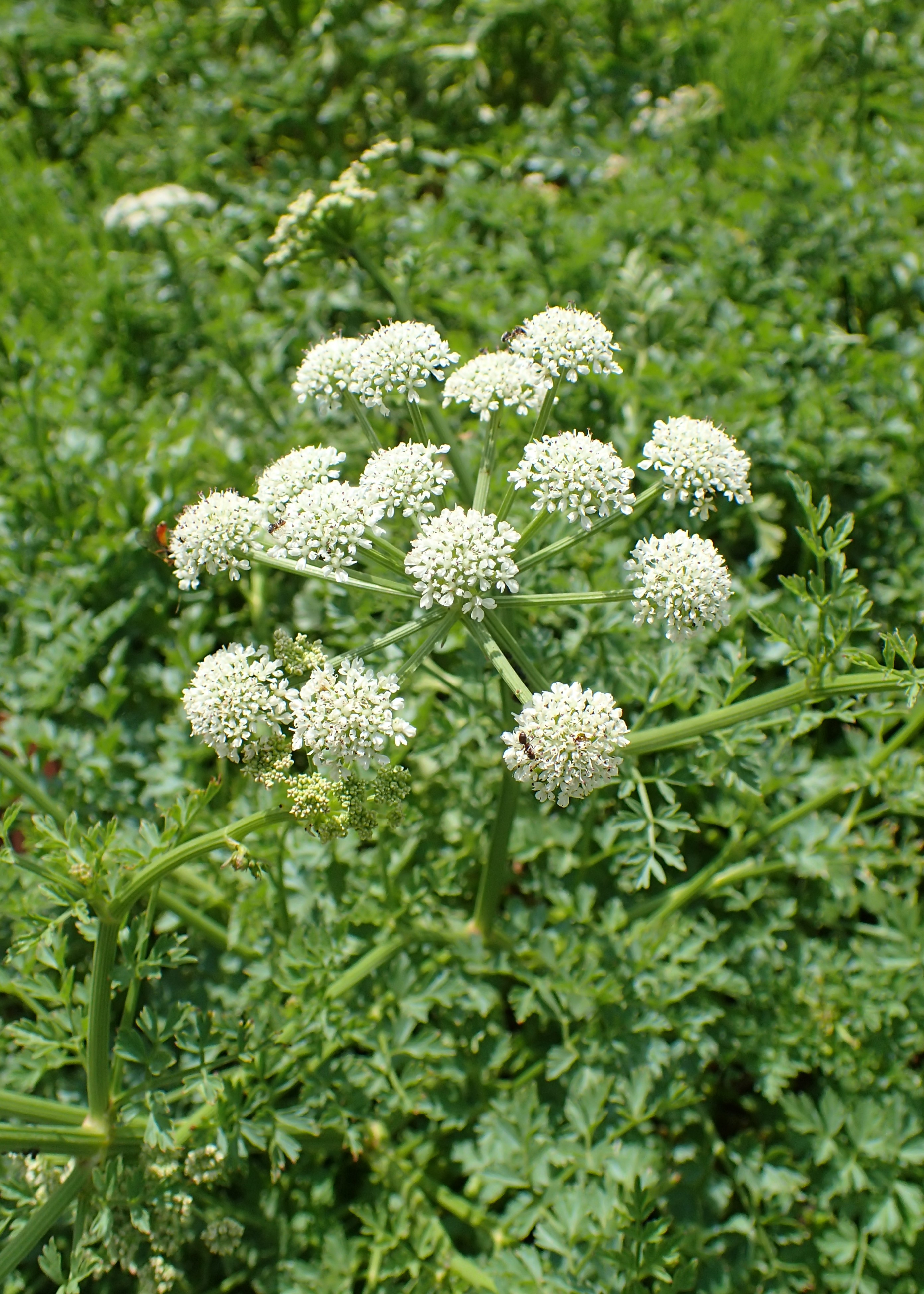 Water fennelPhellandrium
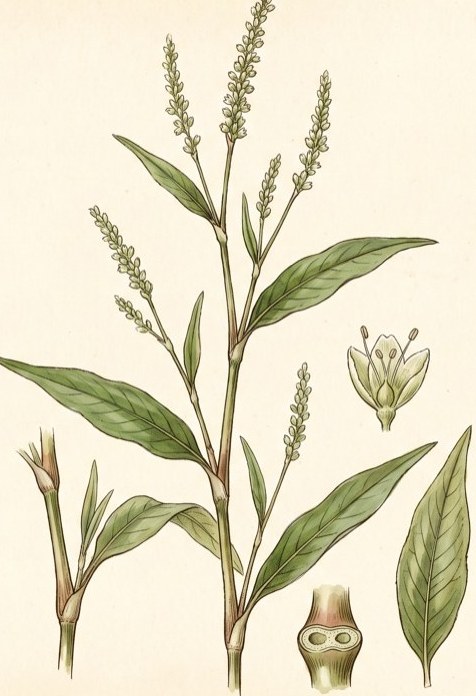 Water pepperPolygonum punctatum
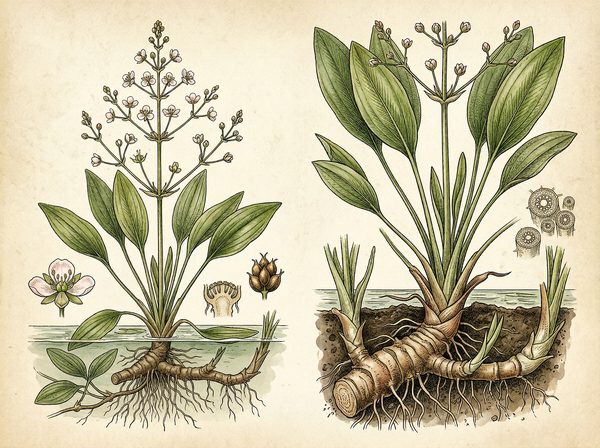 Water PlantainAlisma plantago-aquatica
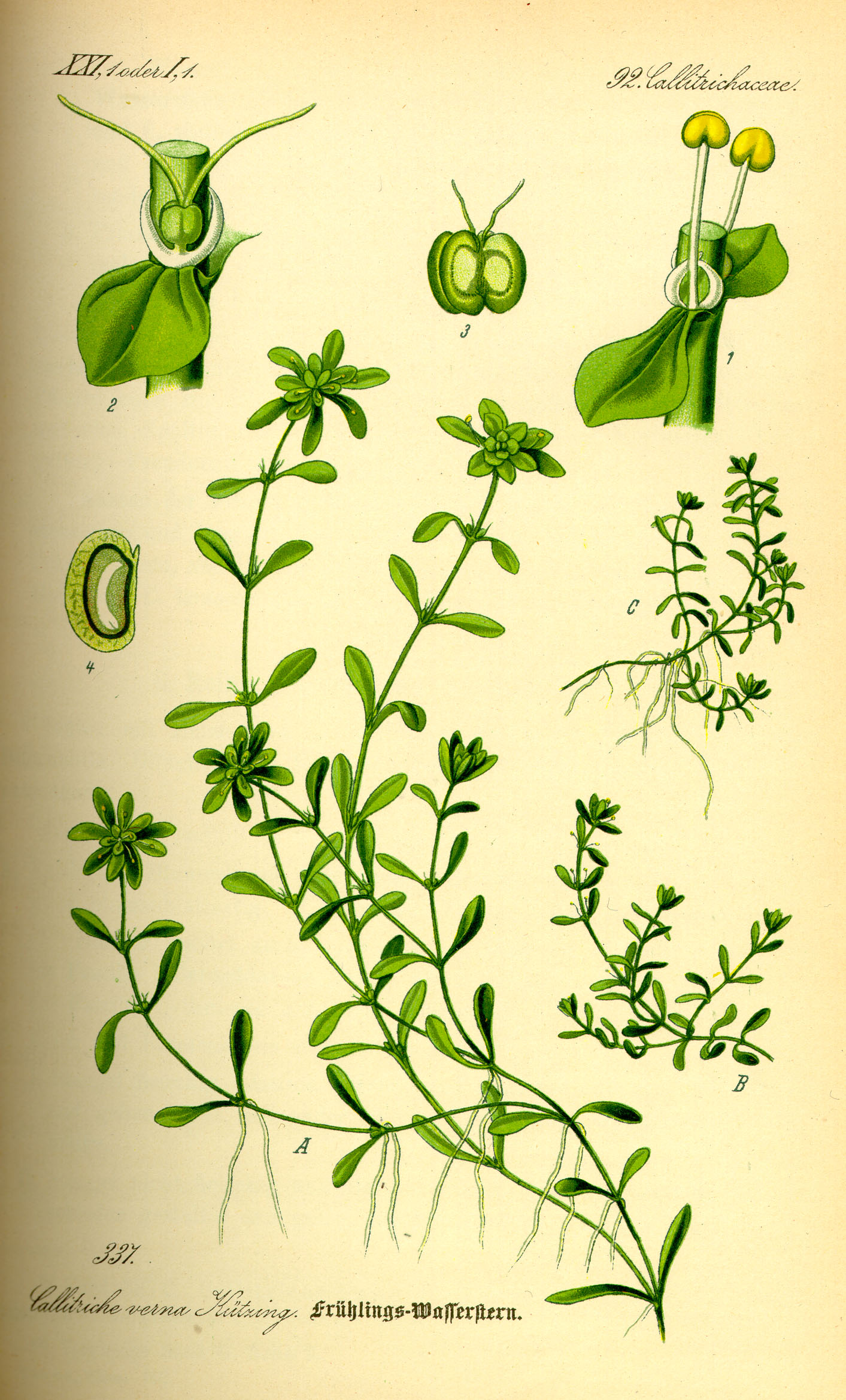 Water-StarwortCallitriche
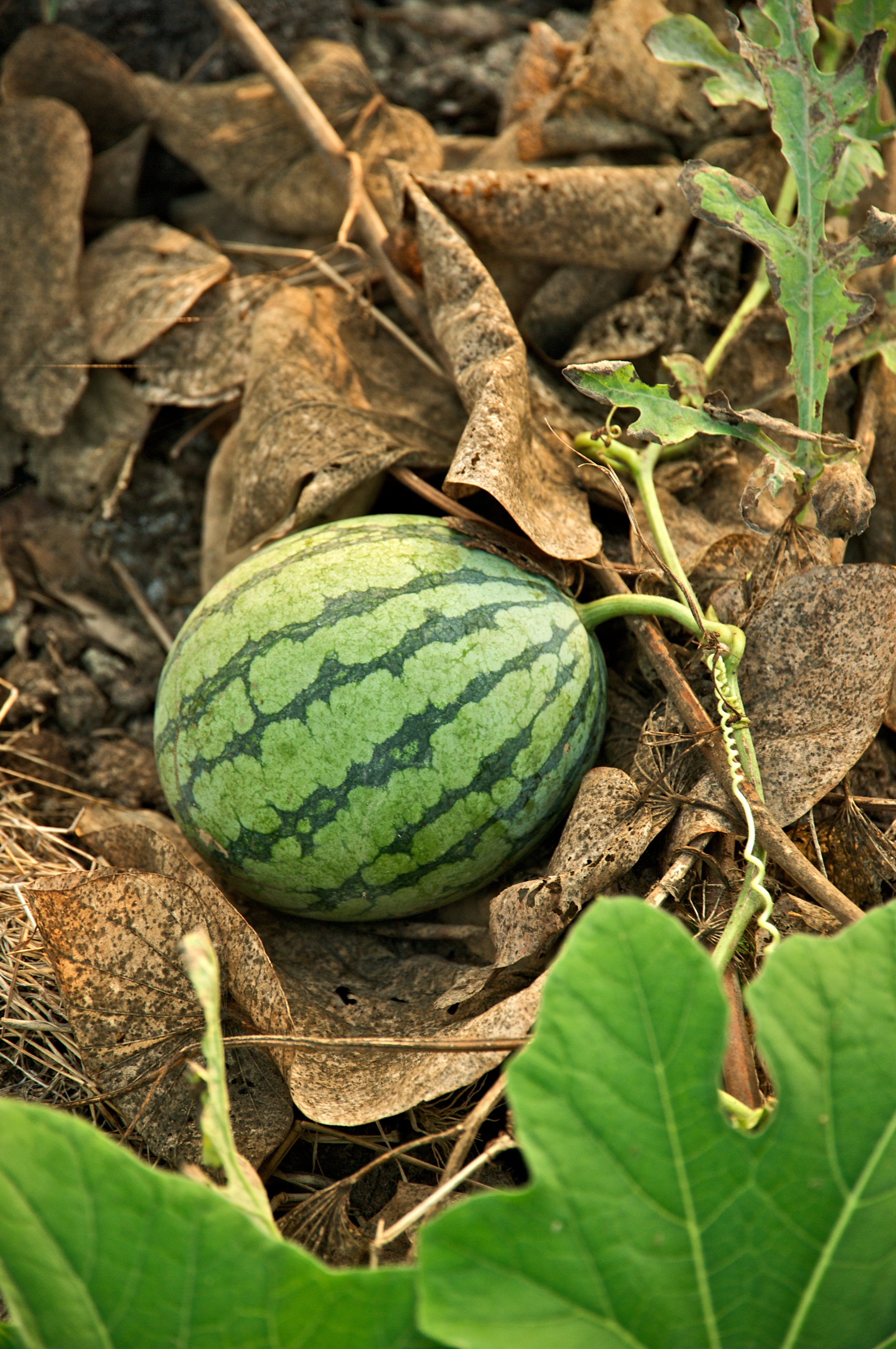 WatermelonCitrullus vulgaris
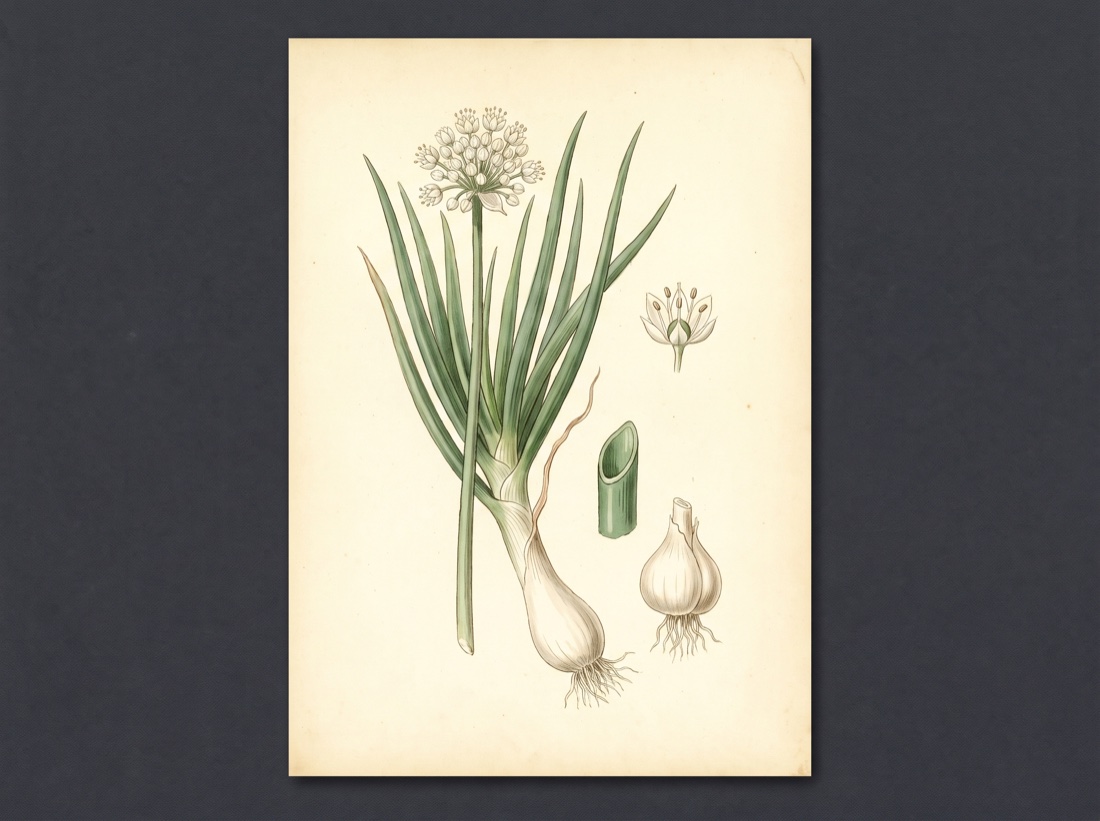 Welsh onionAllium fistulosum
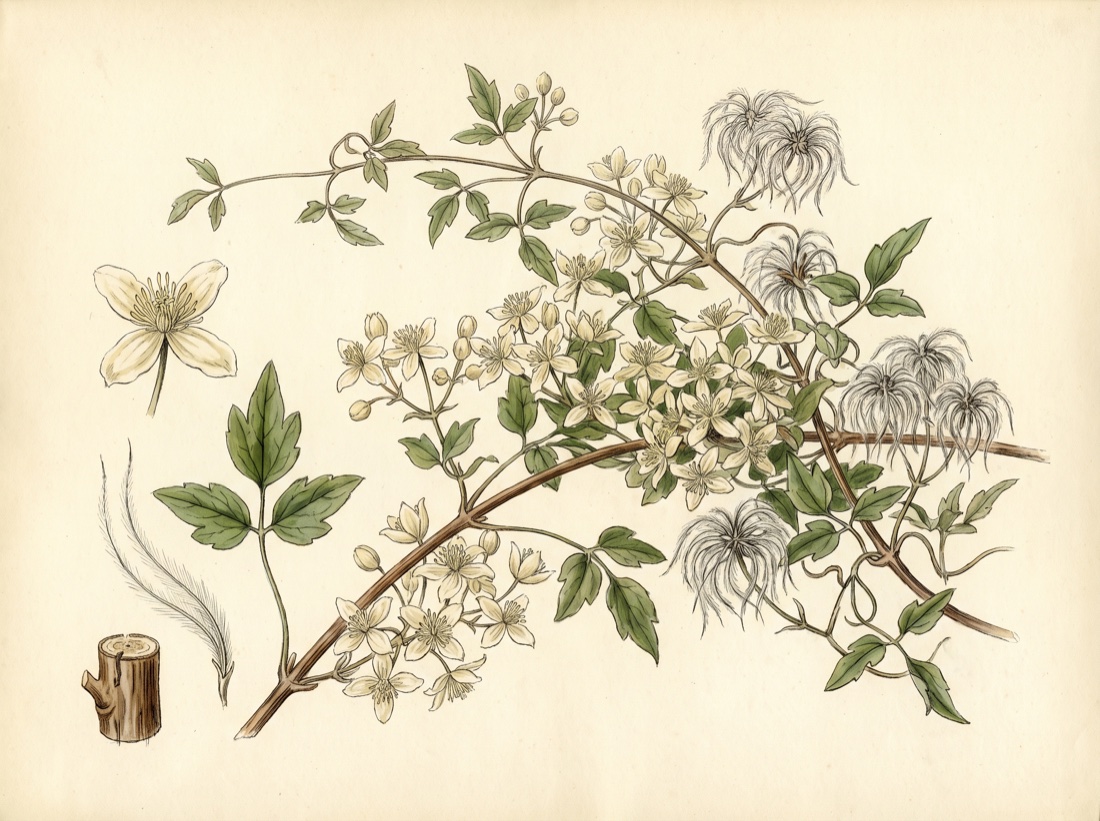 Western white clematisClematis ligusticifolia
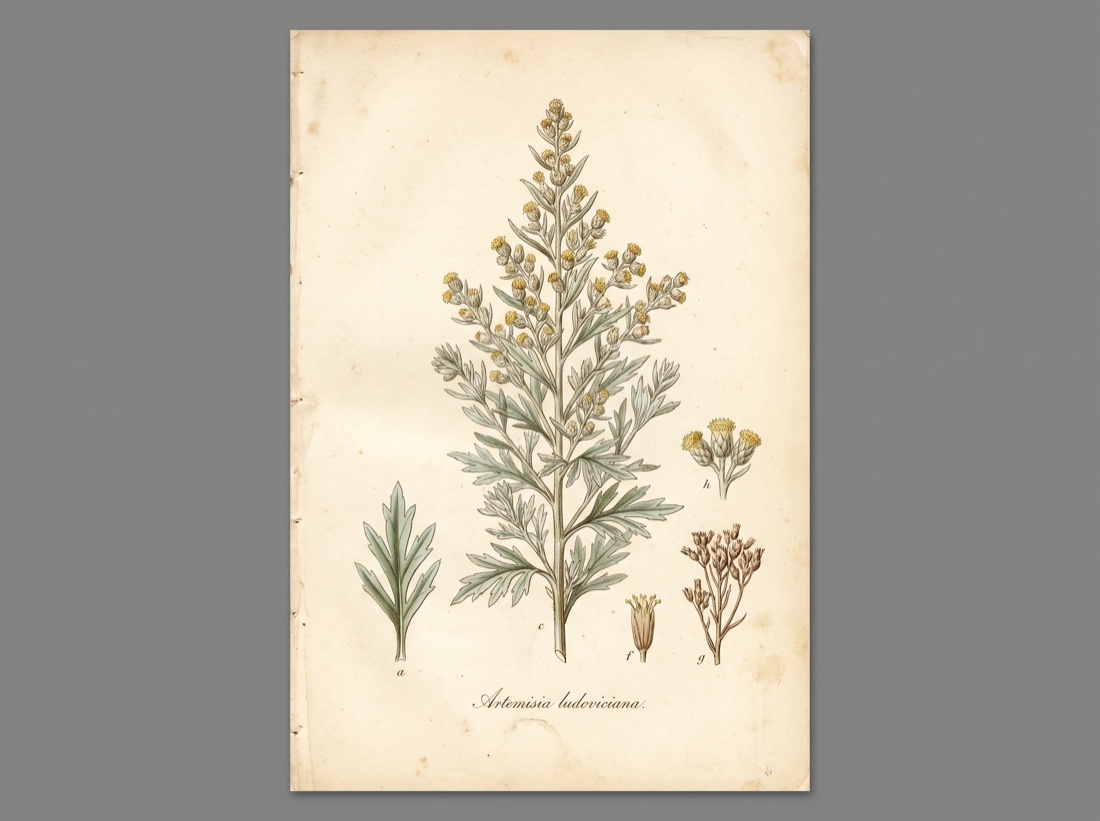 Western wormwoodArtemisia ludoviciana
The whole plate is in the library. The compass, Compare, the Sky of eleven hundred plants and the formulary open with an email address and a password, free, with the formula builder and its safety engine. Herbert without limit, his formulating, clients, the handouts and the labels are the paid room.
Open the library, free