Chinese Herbalism
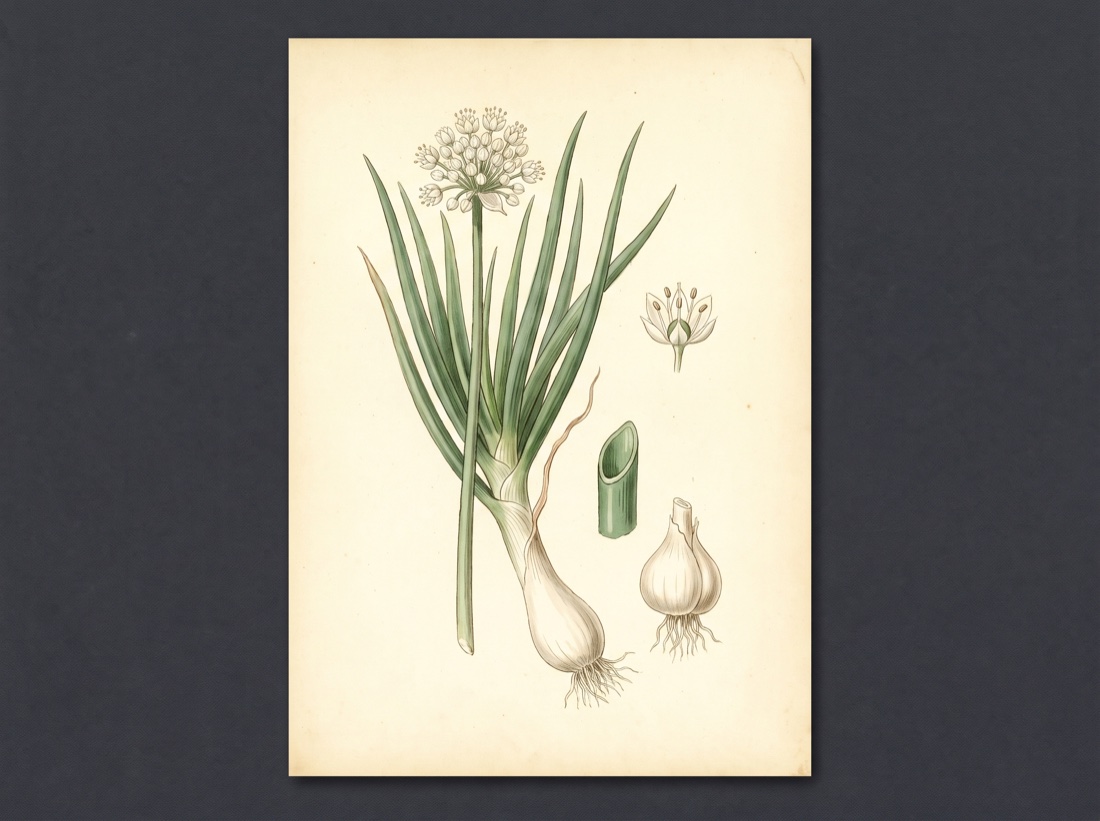
Welsh onion
Allium fistulosum
Also known as Japanese bunching onion, scallion, spring onion, green onion, Chinese green onion, cong bai (the white bulb), cōng bái, lián xū cōng bái.
The Welsh onion is the everyday green onion of East Asian cooking, a hollow-leaved perennial cultivated across China, Japan and Korea and now worldwide. The medicinal part, cong bai, is the fresh white bulb and lower stem, traditionally used with the rootlets attached. It is one of the mildest of the warm, acrid herbs that release the exterior, a kitchen medicine that treats a fresh chill with a hot broth and a night's sweat, and a classical assistant that helps aconite and dried ginger unblock yang in severe interior cold.

Ask Herbert about Welsh onion. Herbert is the master herbalist inside Bountiful Herbs: he answers from this plate and eleven hundred others, with dosing, pairing and cautions. Your first ten questions are free.
Ask HerbertActions
Indications what the tradition reached for it in
- Early wind-cold common cold with chills, no sweating and a stuffy nose
- Mild cold exposure before a full cold has developed
- Wind-cold with fever in children and the frail where strong diaphoretics are unwanted
- Chilly abdominal pain and bloating from cold in the Stomach
- Cold obstructing yang with a weak, thready pulse and cold limbs (as an assistant)
- Urinary retention from cold (hot compress over the lower abdomen)
- Boils, abscesses and early mastitis (topical poultice)
- Nasal congestion from cold
- Intestinal parasites and abdominal pain in traditional use
- Poor appetite from a cold Stomach
Specific indications
First hours of a cold after getting chilled: shivering, no sweat, stuffy nose and a mild headache, in someone who is otherwise well and can drink a hot scallion and soybean broth and go to bed
Cold-type abdominal pain and distension that eases with warmth and pressure, especially with a poor appetite and pale tongue
A hard, red, early boil or blocked milk duct where a warm crushed scallion poultice can disperse the clump before it matures
Safety
The record lists 7 contraindications; open the plate in the library to read them in full.
In practice
Cong bai is a kitchen-first remedy and is best prescribed that way. For a cold caught in the first hours, four to six scallion whites simmered briefly with prepared soybean and taken hot at bedtime is the classical formula.
In Chinese medicine
Temperature: warm. Taste: acrid. Channels: Lung, Stomach. Actions: Releases the exterior and induces mild sweating in wind-cold; Disperses cold and unblocks yang qi; Restores yang and revives the pulse when cold blocks the interior (with aconite and dried ginger); Disperses clumps and reduces swelling and toxin when applied externally; Promotes urination when cold obstructs the bladder (with fried salt as a hot compress).
Dosing as the sources wrote it
| Preparation | As written | Metric |
|---|---|---|
| Decoction (fresh bulb, traditional range) | 3-9 g fresh white bulb daily, added in the last few minutes | 3000-9000 mg |
| Scallion and soybean broth | 4-6 fresh white bulbs simmered 5 minutes with 9 g prepared soybean, taken hot at bedtime | 4000-9000 mg |
| Poultice (external) | 20-30 g crushed fresh bulb warmed and applied for 20-30 minutes, once or twice daily | 20000-30000 mg |
Doses are reproduced from the sources for practitioners and are not a recommendation for any person.
From the sources
Overview. The Welsh onion is the everyday green onion of East Asian cooking, a hollow-leaved perennial cultivated across China, Japan and Korea and now worldwide. The medicinal part, cong bai, is the fresh white bulb and lower stem, traditionally used with the rootlets attached. It is one of the mildest of the warm, acrid herbs that release the exterior, a kitchen medicine that treats a fresh chill with a hot broth and a night's sweat, and a classical assistant that helps aconite and dried ginger unblock yang in severe interior cold.
Clinical Notes. Cong bai is a kitchen-first remedy and is best prescribed that way. For a cold caught in the first hours, four to six scallion whites simmered briefly with prepared soybean and taken hot at bedtime is the classical formula.
Chinese Medicine Profile. Temperature: warm. Taste: acrid. Channels: Lung, Stomach. Actions: Releases the exterior and induces mild sweating in wind-cold; Disperses cold and unblocks yang qi; Restores yang and revives the pulse when cold blocks the interior (with aconite and dried ginger); Disperses clumps and reduces swelling and toxin when applied externally; Promotes urination when cold obstructs the bladder (with fried salt as a hot compress).
In formulas
Welsh onion stands in 37 documented formulas in the library, among them công chi tāng, công chỉ jié gěng tǎng, ùng gián công chi tāng, xiang sù công chi tāng, còng bái gi wèi yin, bái tộng tāng.
Often paired with
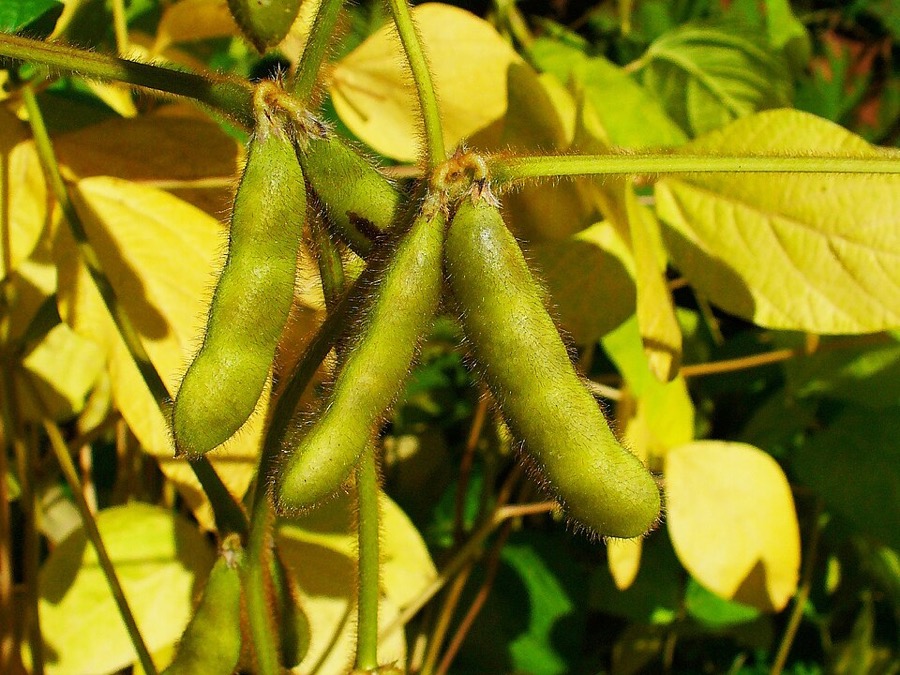 Glycine maxGlycine max
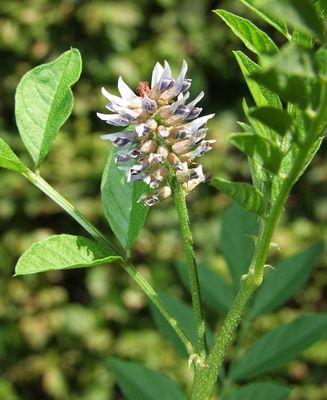 Licorice rootGlycyrrhiza glabra
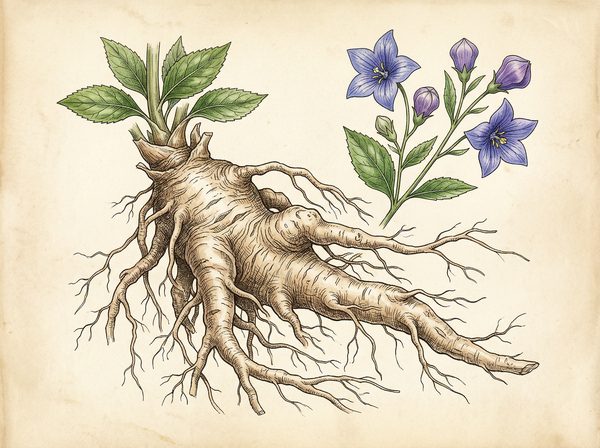 Balloon Flower RootPlatycodon grandiflorus
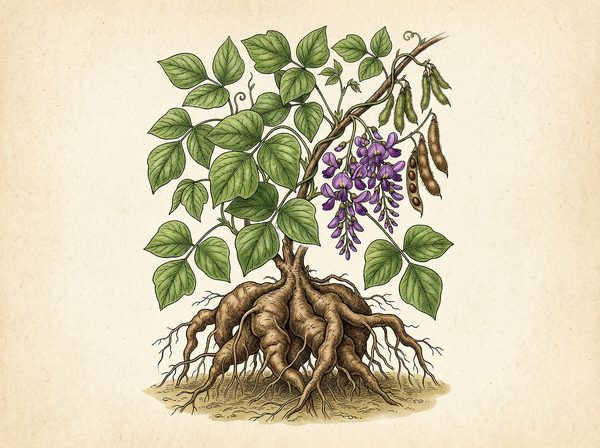 KudzuPueraria lobata
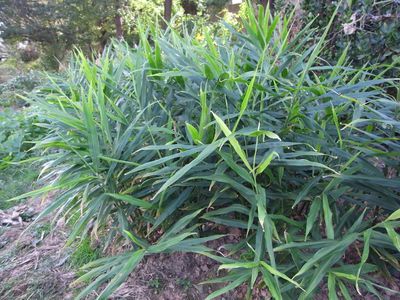 GingerZingiber officinale
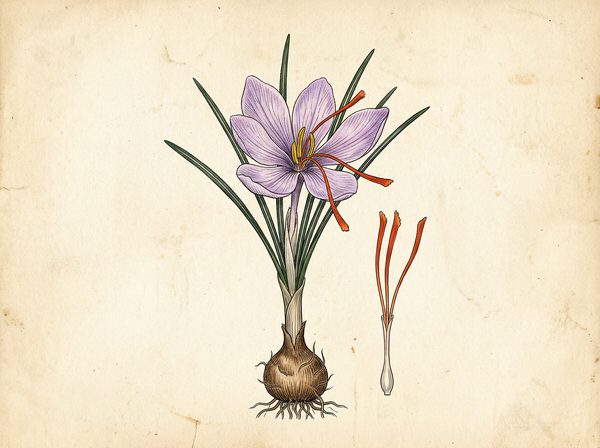 saffronCrocus sativus
Nearby on the shelf
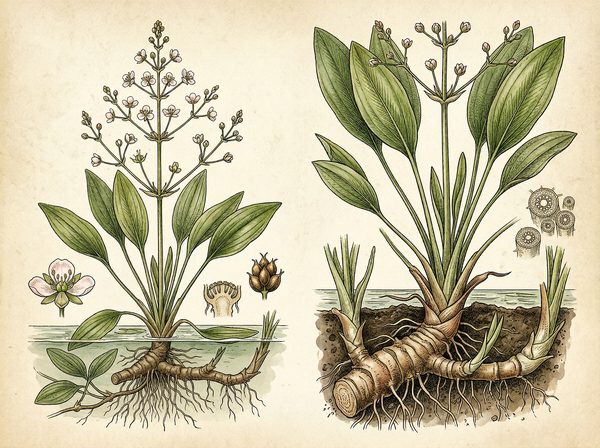 Water PlantainAlisma plantago-aquatica
 Water-StarwortCallitriche
 WatercressNasturtium officinale
 WatermelonCitrullus vulgaris
 Western white clematisClematis ligusticifolia
 Western wormwoodArtemisia ludoviciana
 Wheaten FlourFarina Tritici
 Whistle woodAcer striatum
The whole plate is in the library. The compass, Compare, the Sky of eleven hundred plants and the formulary open with an email address and a password, free, with the formula builder and its safety engine. Herbert without limit, his formulating, clients, the handouts and the labels are the paid room.
Open the library, free