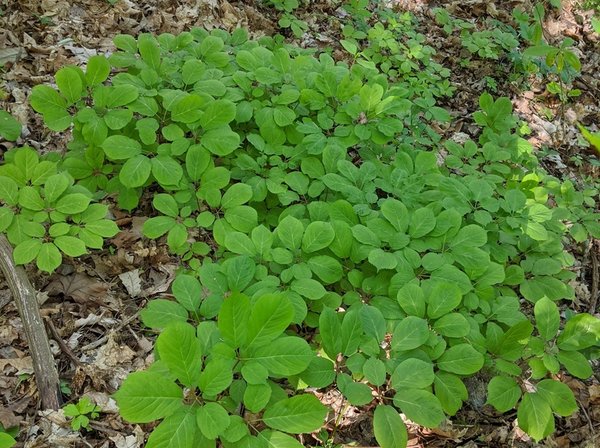
Western Herbalism
American Ginseng
Panax quinquefolius
Also known as Xi Yang Shen, Western Ginseng, Ginseng, Panax, xī yáng shēn.
A mild, stimulating tonic whose effects are observed only after quite a long period of administration. It is a feeble nerve stimulant and as such is adapted to nervous exhaustion of a mild type from too close application to work, and to mild forms of nervous dyspepsia and slight stomachic debility. As a medicine it acts kindly and quietly, giving a grateful sense of comfort to the stomach.

Ask Herbert about American Ginseng. Herbert is the master herbalist inside Bountiful Herbs: he answers from this plate and eleven hundred others, with dosing, pairing and cautions. Your first ten questions are free.
Ask HerbertActions
Indications what the tradition reached for it in
- Qi and yin deficiency
- Fatigue with dryness
- Chronic cough with scanty sticky sputum
- Dry mouth and thirst
- Irritability from heat
- Post-febrile fluid depletion
- Type 2 diabetes and prediabetes (adjunct)
- Postprandial hyperglycemia
- Convalescence
- Stress and burnout
- Cognitive support
- Immune support for upper respiratory infections
- Heat signs with weakness
Specific indications
Nervous dyspepsia; mental and other forms of nervous exhaustion from overwork.
Safety
The record lists 6 contraindications; open the plate in the library to read them in full.
Dosing as the sources wrote it
| Preparation | As written | Metric |
|---|---|---|
| Dried root decoction | Dried root decoction: 3-9 g/day | 3000-9000 mg |
| Tincture (1:5, 40-50%) | Tincture (1:5, 40-50%): 2-5 ml two to three times daily | 2-5 mL |
| Powder/capsule | Powder/capsule: 1-3 g/day | 1000-3000 mg |
| Standardized extract for glycemic support | Standardized extract for glycemic support: per product (often 3 g before meals in trials) | |
| Dose of the powder, from a scruple to a drachm | 1296-3888 mg | |
| Specific Medicine Panax | Dose, from five to sixty minims. | 0.31-3.7 mL |
Doses are reproduced from the sources for practitioners and are not a recommendation for any person.
From the sources
Action and Therapy. A mild, stimulating tonic whose effects are observed only after quite a long period of administration. It is a feeble nerve stimulant and as such is adapted to nervous exhaustion of a mild type from too close application to work, and to mild forms of nervous dyspepsia and slight stomachic debility. As a medicine it acts kindly and quietly, giving a grateful sense of comfort to the stomach.
Therapy. This agent is an important article of commerce in China, being a general domestic remedy and highly prized. It is a mild sedative and tonic to the nerve centers, improving their tone, if persisted in, and increasing the capillary circulation of the brain. It is given in cerebral anemia, and if combined with other tonics is capable of doing some good. It is also prescribed in the failure of digestion incident to nervous prostration and general nerve irritation.
Properties and Uses. The root of ginseng (often supposed to be the same with gentian) is a very mild tonic, somewhat aromatic and diffusive, principally relaxant, and making its chief impression upon nervous structures. As a soothing and nervine tonic, it answers a fair purpose in simple forms of dyspepsia, nervousness, hysteria, and similar cases of nervous sensitiveness with debility.
primary-actions. American Ginseng acts primarily as: Adaptogenic, Qi tonic (yin-sparing), Immunomodulatory, Hypoglycemic, Antioxidant, Anti-fatigue, Cognition-supporting. Secondary actions include Tonify qi, Nourish yin, Generate fluids, Clear deficient heat, Adaptogen, Immunomodulator.
Drawn from Cook's Physio-Medical Dispensatory; King's American Dispensatory, 18th edition (Felter and Lloyd); Ellingwood's American Materia Medica, Therapeutics and Pharmacognosy; Felter's Eclectic Materia Medica, Pharmacology and Therapeutics, and the Bountiful Herbs editorial.
In formulas
American Ginseng stands in 84 documented formulas in the library, among them rén shên hua bàn tāng, jiā jiǎn dào ch xiè xin tāng, qing shu yì gì tāng, rén shèn wũ méi tāng, yǎng zhêng tông yòu tāng, bái hũ jiā rén shèn tǎng.
Often paired with
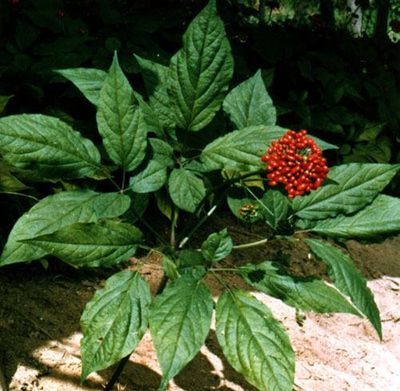 GinsengPanax ginseng
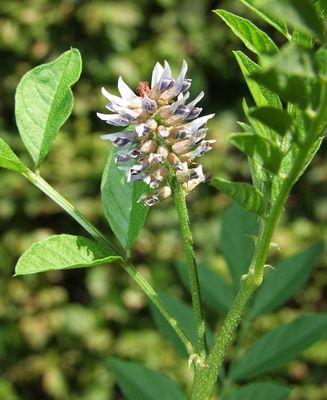 Licorice rootGlycyrrhiza glabra
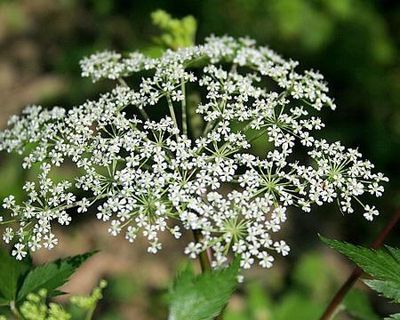 Dong QuaiAngelica sinensis
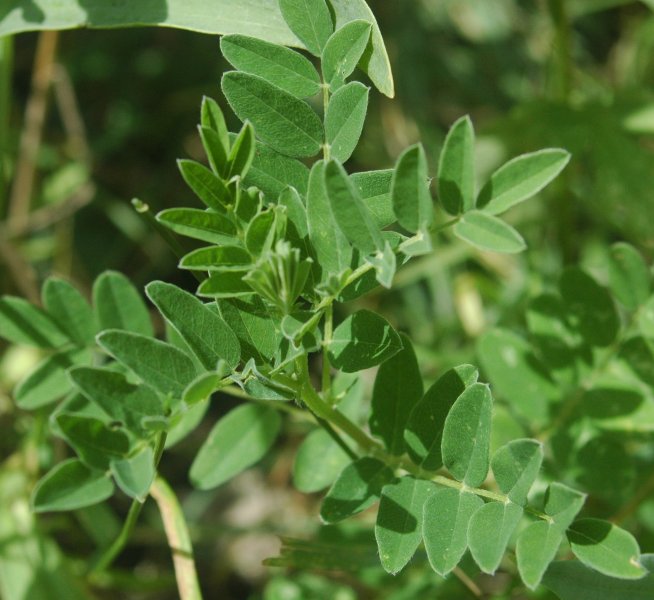 Milk Vetch RootAstragalus membranaceus
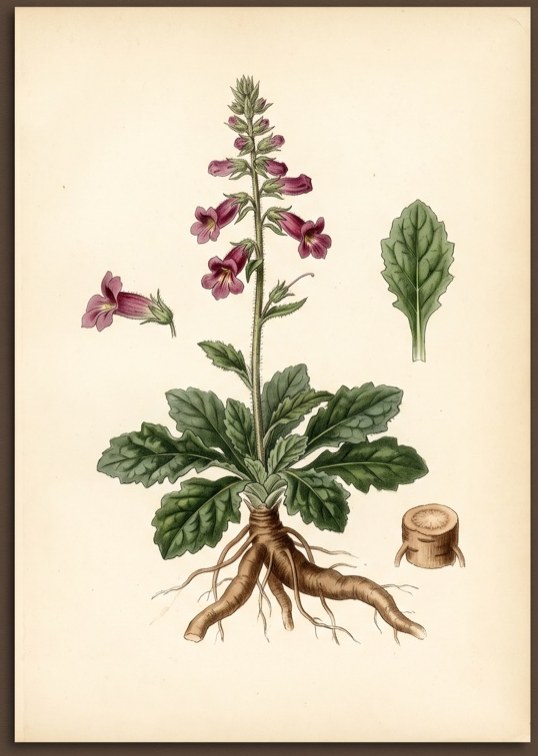 RehmanniaRehmannia glutinosa
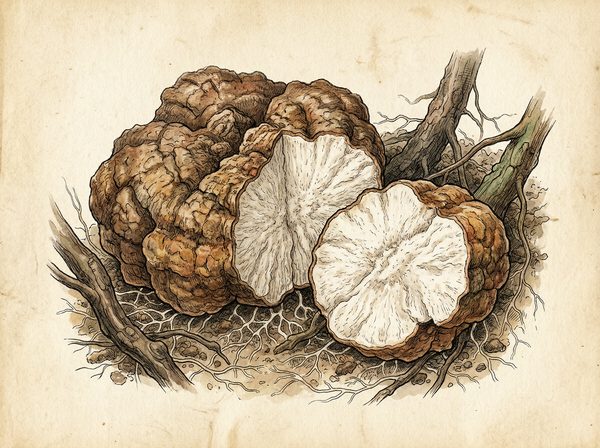 PoriaWolfiporia extensa
Nearby on the shelf
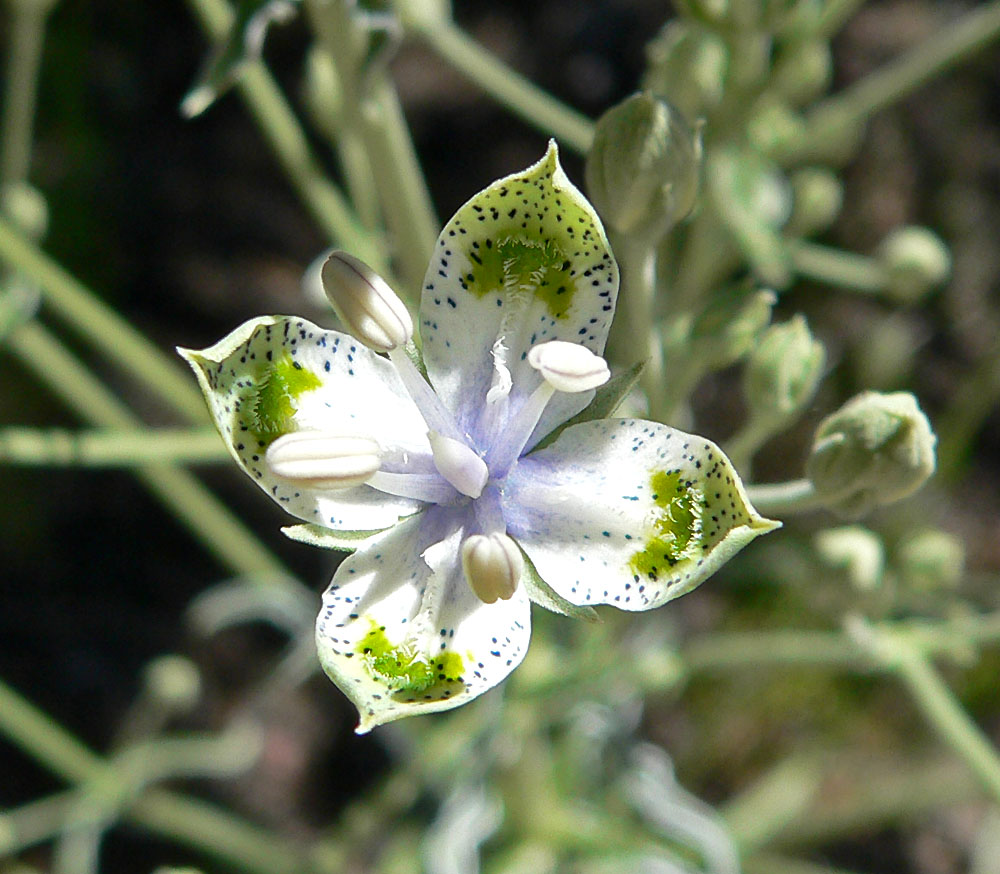 American columboFrasera carolinensis
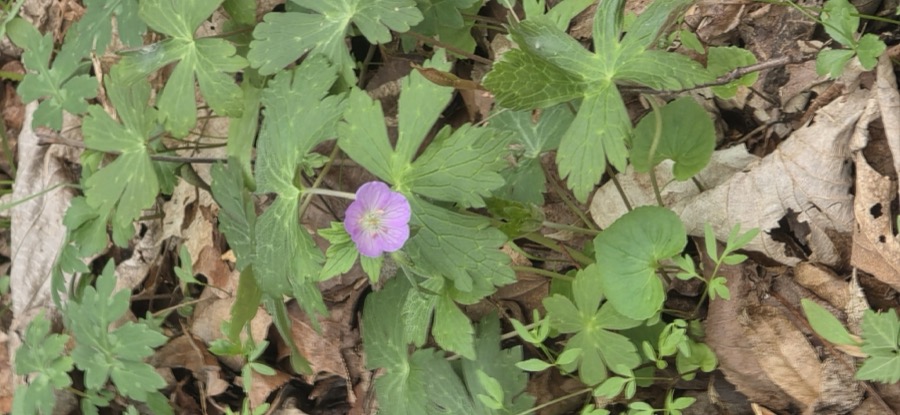 American cranesbillGermanium maculata
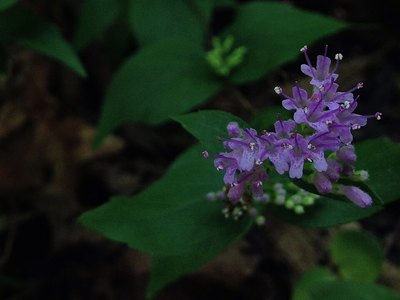 American dittanyCunila mariana
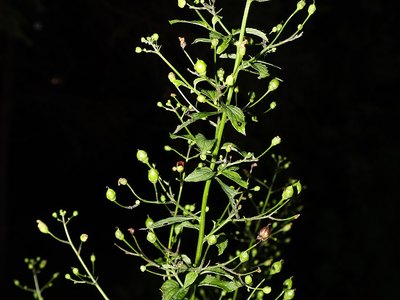 American figwortScrophularia marilandica
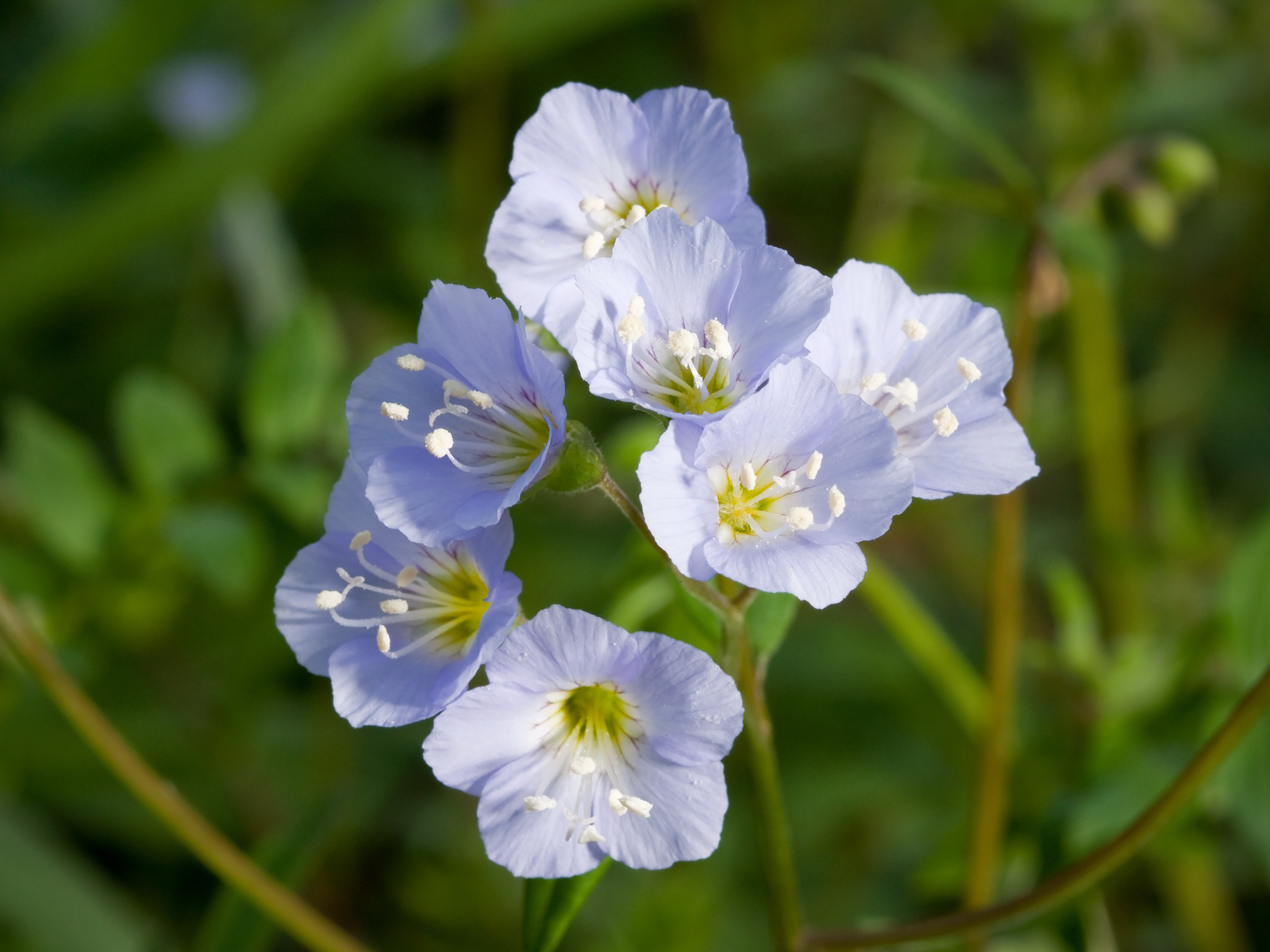 American Greek ValerianPolemonium
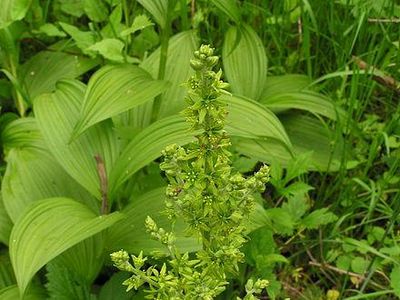 American helleboreVeratrum viride
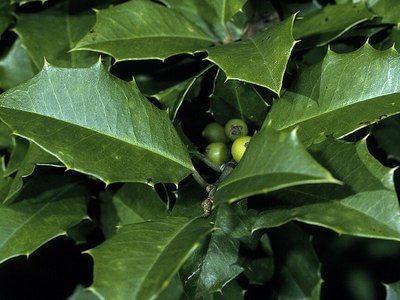 American HollyIlex Opaca
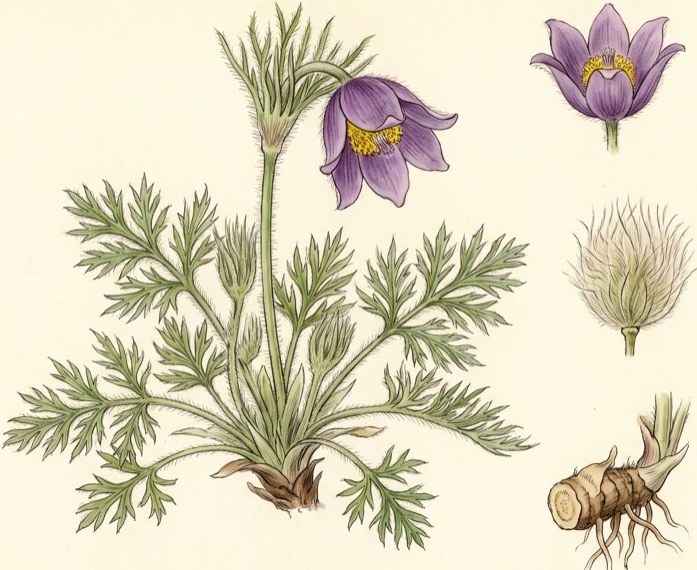 American pasque flowerAnemone Patens
The whole plate is in the library. The compass, Compare, the Sky of eleven hundred plants and the formulary open with an email address and a password, free, with the formula builder and its safety engine. Herbert without limit, his formulating, clients, the handouts and the labels are the paid room.
Open the library, free