Western Herbalism
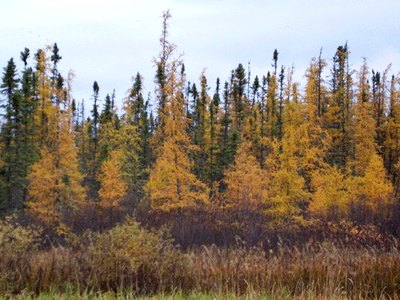
Tamarack
Larix Americana
Also known as American larch, Hackmetack, Black larch, Hackmatack, American black larch, Tamarac.
American larch, known to the Eclectic physicians chiefly as tamarack, is a deciduous conifer of cold, moist ground across the northeastern United States and Canada, distinguished from the true European larch by its slender, non-drooping branches. The inner bark, and to a lesser extent the resin, was the part gathered and used. It held a modest but persistent place in nineteenth century American eclectic and physiomedical practice as an alterative and mild tonic astringent for chronic skin, glandular, and mucous membrane complaints.

Ask Herbert about Tamarack. Herbert is the master herbalist inside Bountiful Herbs: he answers from this plate and eleven hundred others, with dosing, pairing and cautions. Your first ten questions are free.
Ask HerbertActions
Indications what the tradition reached for it in
- Chronic bronchitis with copious mucus
- Chronic skin eruptions
- Psoriasis
- Hemorrhoids
- Jaundice with sluggish liver
- Chronic rheumatism
- Slow-healing wounds and ulcers
- Chronic catarrh of bladder and kidneys
- Mastitis and caked breast (topical poultice)
- General debility with poor tissue tone
Specific indications
Chronic, low-grade skin disease with thickened, scaly patches that resists ordinary treatment
Congested, boggy hemorrhoidal tissue with venous stasis and dull aching
Safety
Pregnancy: No modern safety data exist and older texts do not rate it, so it is prudent to avoid internal use in pregnancy pending better information.
Breastfeeding: No modern safety data exist; avoid internal use during lactation as a precaution, though the topical poultice for caked breast has historical precedent.
The record lists 1 contraindication; open the plate in the library to read them in full.
In practice
Tamarack bark was reached for by the older American practitioners in cases where tissue seemed sluggish, congested, and slow to resolve rather than acutely inflamed: chronic eczema and psoriasis with thick, scaly plaques, boggy hemorrhoids, and low-grade catarrhal discharges from the bronchi or urinary tract.
Dosing as the sources wrote it
| Preparation | As written | Metric |
|---|---|---|
| Decoction of inner bark | 9-15 g dried inner bark simmered in 500 mL water, taken in divided doses through the day | 9000-15000 mg |
| Tincture (1:5, 45%) | 2-4 mL three times daily | 2-4 mL |
| Topical poultice | Softened inner bark applied fresh to the affected area as needed | |
| decoction | Dose of the decoction, from 2 to 4 fluid ounces, 2 to 4 times a day. | 59.15-118 mL |
Doses are reproduced from the sources for practitioners and are not a recommendation for any person.
From the sources
Overview. American larch, known to the Eclectic physicians chiefly as tamarack, is a deciduous conifer of cold, moist ground across the northeastern United States and Canada, distinguished from the true European larch by its slender, non-drooping branches. The inner bark, and to a lesser extent the resin, was the part gathered and used. It held a modest but persistent place in nineteenth century American eclectic and physiomedical practice as an alterative and mild tonic astringent for chronic skin, glandular, and mucous membrane complaints.
Clinical Notes. Tamarack bark was reached for by the older American practitioners in cases where tissue seemed sluggish, congested, and slow to resolve rather than acutely inflamed: chronic eczema and psoriasis with thick, scaly plaques, boggy hemorrhoids, and low-grade catarrhal discharges from the bronchi or urinary tract.
Properties and Uses. The bark is a mild and pleasant relaxant, of moderately stimulating properties. It is among the gentle and agreeable alterants, influencing the skin, kidneys, liver, and bowels, and leaving behind a moderate tonic impression.
Action, Medical Uses, and Dosage. (For uses of Venice Turpentine, see Terebinthina Canadensis.) Larch-bark resembles the other terebinthinous barks, and in strong tincture has been used in chronic genito-urinary inflammations, chronic bronchitis to check secretions, and to control the bleeding of purpura hemorrhagica, and in passive hemorrhage. Dose of tincture, 5 to 30 drops.
Drawn from Cook's Physio-Medical Dispensatory; Scudder's Specific Medication and Specific Medicines; King's American Dispensatory, 18th edition (Felter and Lloyd), and the Bountiful Herbs editorial.
Often paired with
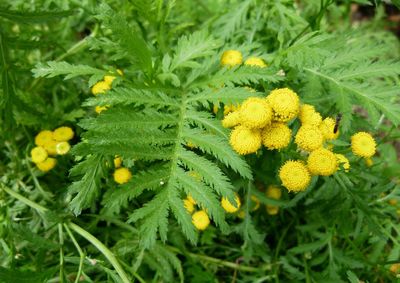 TansyTanacetum vulgare
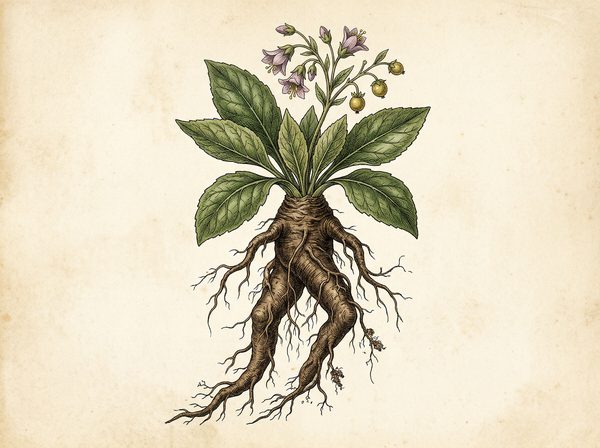 MandrakeMandragora officinarum
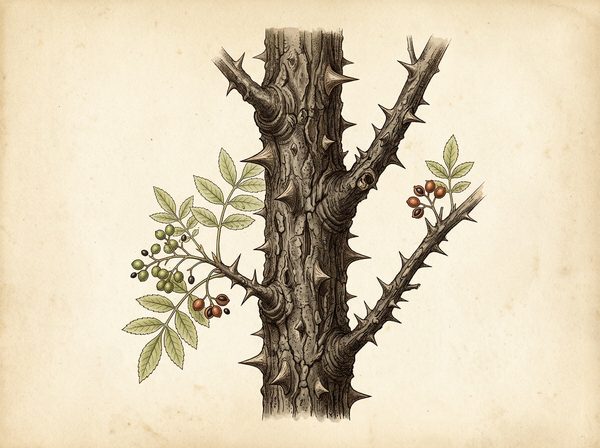 Prickly AshZanthoxylum americanum
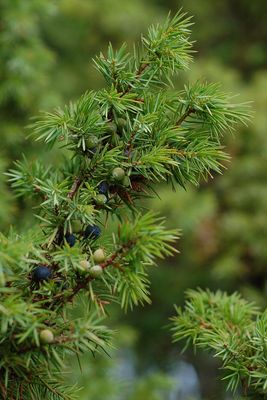 JuniperJuniperus communis
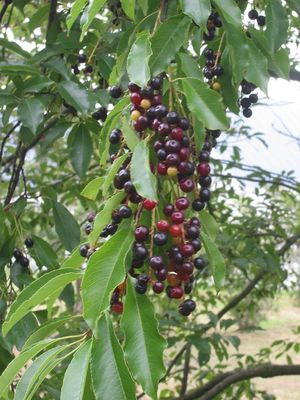 Wild cherryPrunus serotina
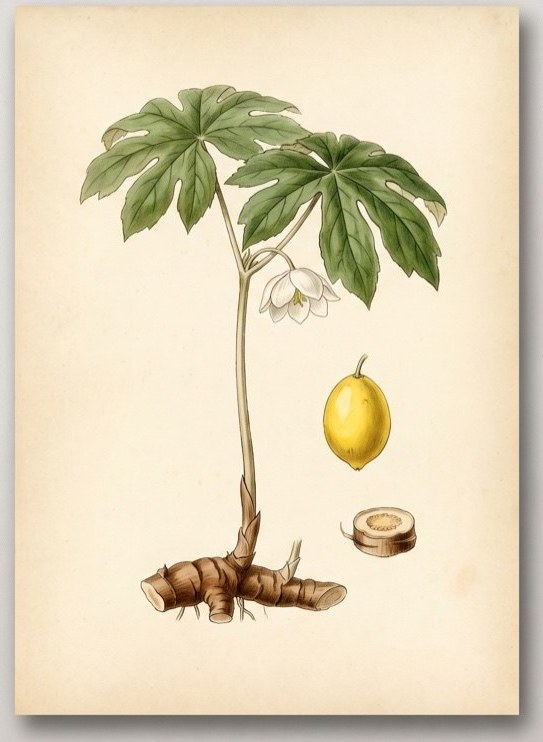 May applePodophyllum peltatum
Nearby on the shelf
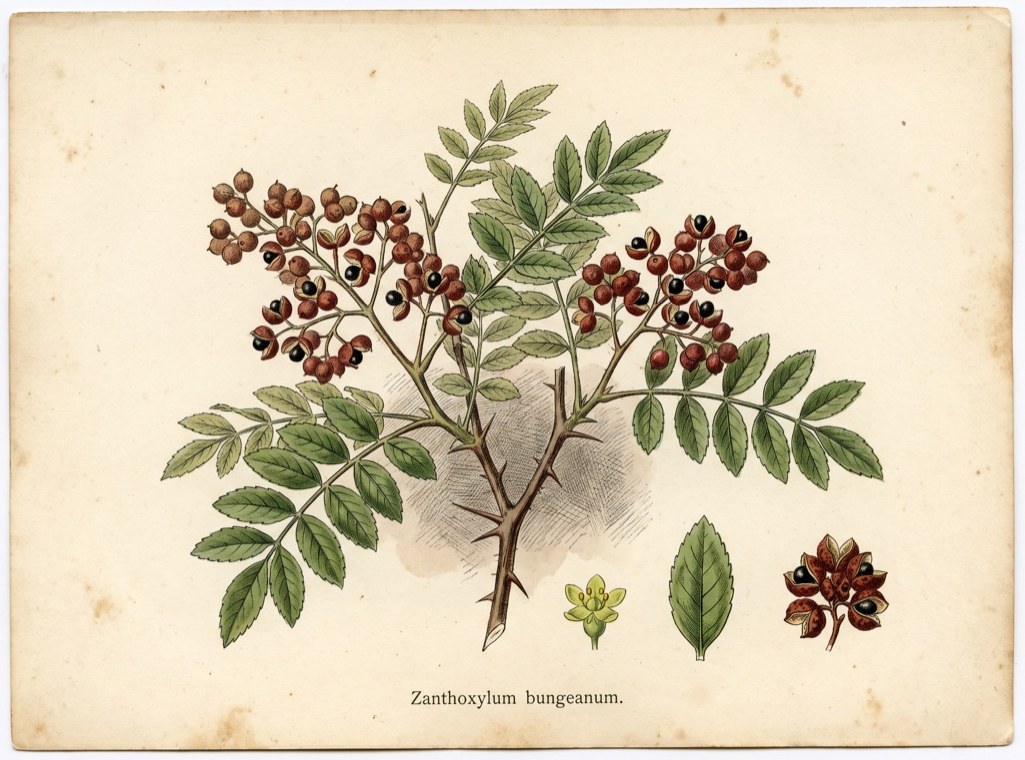 Szechuan PepperZanthoxylum bungeanum
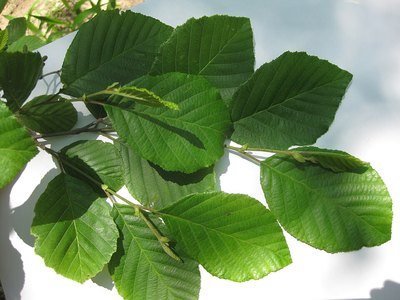 Tag AlderAlnus Serrulata
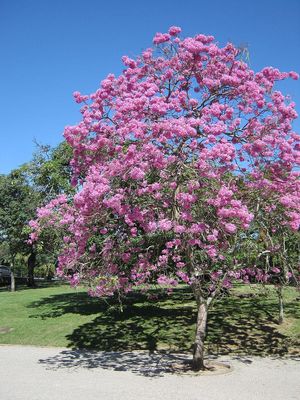 TaheeboTabebuia avellanedae
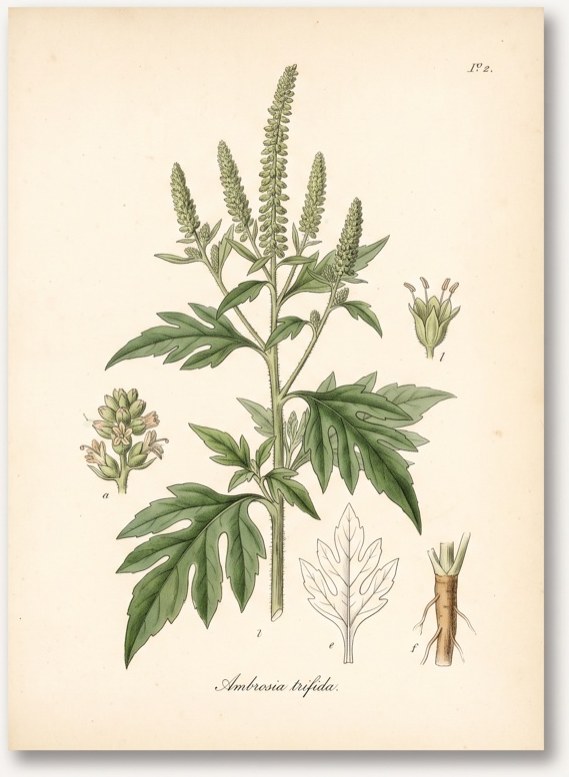 Tall AmbrosiaAmbrosia Trifida
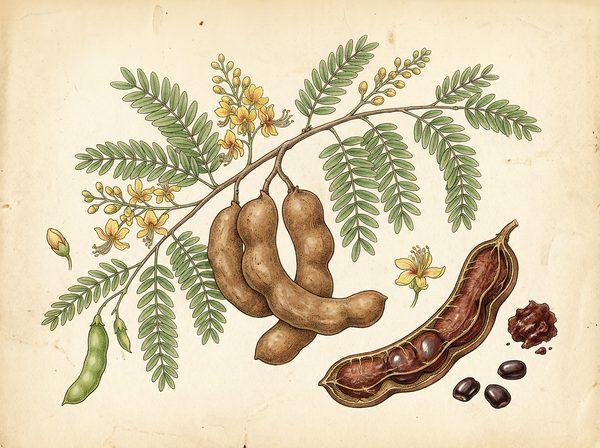 TamarindTamarindus indica
 TangerineCitrus reticulata
 TapiocaManihot
The whole plate is in the library. The compass, Compare, the Sky of eleven hundred plants and the formulary open with an email address and a password, free, with the formula builder and its safety engine. Herbert without limit, his formulating, clients, the handouts and the labels are the paid room.
Open the library, free