Western Herbalism
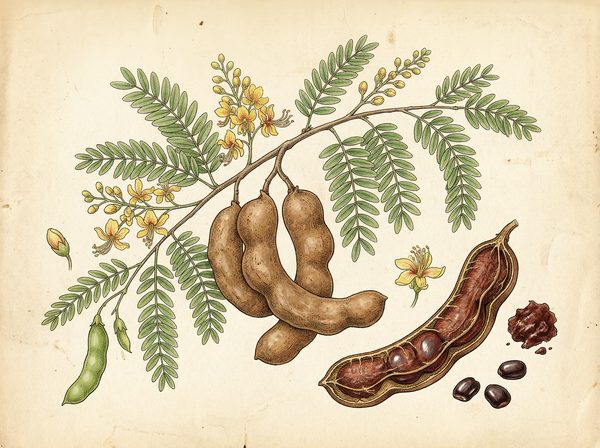
Tamarind
Tamarindus indica
Also known as Tamarind pulp.
Tamarind pulp is used to allay thirst and is nutritive and refrigerant; in large quantity, laxative. On this account it forms a useful and agreeable drink in febrile and inflammatory diseases; and with persons recovering from sickness, to keep their bowels regular, it may form a portion of their diet. A convenient cooling laxative is TAMARIND-WHEY, made by boiling 1 ounce of the pulp in 1 pint of milk, and straining the product. Combined with senna, or resinous cathartics, it is said to diminish their cathartic operation (P.). Dose, from 1 drachm to 2 ounces. A decoction of tamarind flowers is reputed almost a specific for hemorrhoids.

Ask Herbert about Tamarind. Herbert is the master herbalist inside Bountiful Herbs: he answers from this plate and eleven hundred others, with dosing, pairing and cautions. Your first ten questions are free.
Ask HerbertActions
Indications what the tradition reached for it in
- Constipation
- Wounds
- Thirst
- Diarrhea
- Eye disease
- Nausea
- Fever
- Helminth infections
- Inflammation
- Dysentery
- Flatulence
- Bronchitis
- Malaria
- Gonorrhea
- Liver disease
- Abdominal pain
- Fatigue
- Indigestion
- Abdominal distension
- Bloating
- Colic
- Digestive discomfort
- Gas
- Infection
- Pain
- Digestive complaints
- Respiratory complaints
- Oxidative stress
Safety
Pregnancy: No concern in culinary amounts. Safe as a food in normal dietary amounts, with US food additive (GRAS) status; a natural standard monograph advises against medicinal doses only for lack of evidence, and imported tamarind candies have been linked to lead contamination.
Breastfeeding: No concern in culinary amounts. Safe as a food in normal dietary amounts while breastfeeding; a natural standard monograph advises against amounts above food use only for lack of evidence.
The record lists 3 contraindications; open the plate in the library to read them in full.
Dosing as the sources wrote it
| Preparation | As written | Metric |
|---|---|---|
| powder | powder 1-3 g | 1000-3000 mg |
| Dose, from 1 drachm to 2 ounces. |
Doses are reproduced from the sources for practitioners and are not a recommendation for any person.
From the sources
Action, Medical Uses, and Dosage. Tamarind pulp is used to allay thirst and is nutritive and refrigerant; in large quantity, laxative. On this account it forms a useful and agreeable drink in febrile and inflammatory diseases; and with persons recovering from sickness, to keep their bowels regular, it may form a portion of their diet. A convenient cooling laxative is TAMARIND-WHEY, made by boiling 1 ounce of the pulp in 1 pint of milk, and straining the product. Combined with senna, or resinous cathartics, it is said to diminish their cathartic operation (P.). Dose, from 1 drachm to 2 ounces. A decoction of tamarind flowers is reputed almost a specific for hemorrhoids.
primary-actions. Tamarind acts primarily as: Laxative, Refrigerant, Carminative, Cathartic. Secondary actions include Antimicrobial, Antioxidant, Anti-inflammatory, Hepatoprotective.
History and Description. The tamarind tree inhabits both the East and West Indies and Africa. The pods of the West Indian tree are shorter than the other, and fewer seeded. The part used is the fruit, which, when recent, has a pleasant acid taste.
indications. Tamarind is traditionally indicated for: Constipation, Wounds, Thirst, Diarrhea, Eye disease, Nausea, Fever, Helminth infections, Inflammation, Dysentery, Flatulence, Bronchitis, Malaria, Gonorrhea, Liver disease, and 13 further conditions.
Drawn from King's American Dispensatory, 18th edition (Felter and Lloyd), and the Bountiful Herbs editorial.
Nearby on the shelf
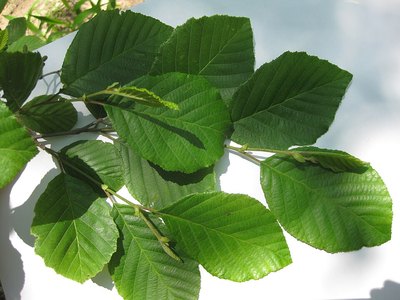 Tag AlderAlnus serrulata
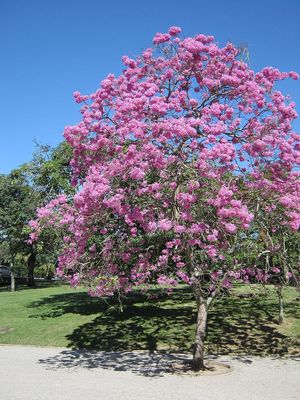 TaheeboTabebuia avellanedae
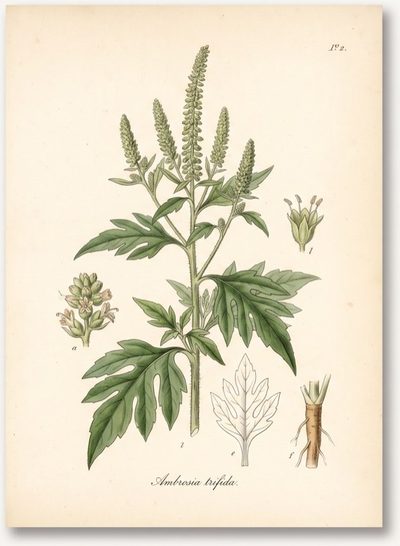 Tall AmbrosiaAmbrosia trifida
 TamarackLarix laricina
 TangerineCitrus reticulata
 TansyTanacetum vulgare
 TapiocaManihot utilissima
 TarragonArtemisia dracunculus
The whole plate is in the library. The compass, Compare, the Sky of eleven hundred plants and the formulary open with an email address and a password, free, with the formula builder and its safety engine. Herbert in full, his formulating, clients, the handouts and the labels are the paid room.
Open the library, free