Western Herbalism
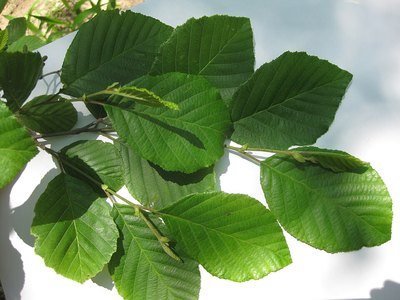
Tag Alder
Alnus Serrulata
Also known as Red Alder, Black Alder, Smooth Alder, Common Alder, Swamp Alder.
Tag alder is a shrubby native tree of eastern North America, common in wet thickets, stream banks, and swampy ground, growing eight to fifteen feet tall with reddish catkins in early spring. The bark is the part used medicinally. It held a modest but steady place in nineteenth century American physiomedical and Eclectic practice as a mild astringent and alterative, used both internally for relaxed mucous conditions and externally as a wash for skin complaints.

Ask Herbert about Tag Alder. Herbert is the master herbalist inside Bountiful Herbs: he answers from this plate and eleven hundred others, with dosing, pairing and cautions. Your first ten questions are free.
Ask HerbertActions
Indications what the tradition reached for it in
- Chronic diarrhea
- Loose, mucoid stool with relaxed bowel tone
- Chronic skin eruptions with low-grade discharge
- Leukorrhea
- Sore throat and mouth ulcers (as a gargle)
- Poison ivy dermatitis and weeping skin rashes (topical wash)
- Scrofulous swellings (historical use)
- Minor wounds and abrasions needing a drying wash
- General glandular sluggishness (as an alterative)
- Secondary skin manifestations of chronic constitutional disease (historical Eclectic use)
Specific indications
Chronic, low-grade weeping skin eruptions in a constitution the Eclectics called scrofulous or depurative, calling for a mild astringent alterative rather than a strong purgative one
Relaxed, boggy mucous tissue with excessive but thin secretion (loose bowel, leukorrhea, catarrh) needing gentle toning rather than harsh drying
Safety
Pregnancy: Insufficient safety data in pregnancy, so avoid or use only under experienced supervision given the lack of modern evidence.
Breastfeeding: Insufficient safety data in lactation, so avoid routine use or seek professional guidance.
The record lists 2 contraindications; open the plate in the library to read them in full.
In practice
Eclectic and physiomedical practitioners reached for tag alder bark where tissue was described as relaxed and boggy rather than acutely inflamed, using it as a gentle astringent tonic for diarrhea, leukorrhea, and chronic catarrhal discharges.
Dosing as the sources wrote it
| Preparation | As written | Metric |
|---|---|---|
| Decoction | 10-30 g dried bark per liter of water, simmered and reduced by half, 5-15 mL of the strong decoction three to four times daily | 10000-30000 mg |
| Tincture (1:5, 40%) | 1-3 mL three times daily | 1-3 mL |
| Topical wash/compress | strong bark decoction applied as a wash to affected skin two to three times daily | |
| Decoctum Alni, Decoction of Alnus (bark 1 ounce, Water, 16 fluidounces) | Dose, 1 to 2 fluidrachms. | 3.7-7.39 mL |
| Specific Medicine Alnus | Dose, 1 to 60 drops. | 0.02-1.2 mL |
| The remedy is most effectual in infusion (fresh alnus bark, ℥j, aqua Oj); dose, a wine-glassful. |
Doses are reproduced from the sources for practitioners and are not a recommendation for any person.
From the sources
Overview. Tag alder is a shrubby native tree of eastern North America, common in wet thickets, stream banks, and swampy ground, growing eight to fifteen feet tall with reddish catkins in early spring. The bark is the part used medicinally. It held a modest but steady place in nineteenth century American physiomedical and Eclectic practice as a mild astringent and alterative, used both internally for relaxed mucous conditions and externally as a wash for skin complaints.
Clinical Notes. Eclectic and physiomedical practitioners reached for tag alder bark where tissue was described as relaxed and boggy rather than acutely inflamed, using it as a gentle astringent tonic for diarrhea, leukorrhea, and chronic catarrhal discharges.
Action and Therapy. External. The decoction is one of the best of local applications for rhus poisoning. We have observed rapid cures with it. It stains the skin. It is also a useful wash for nursing sore mouth of mothers, and should be given internally at the same time. Internal. A good remedy to promote waste and repair and to improve nutrition. It is astringent and a bitter tonic, of use in gastric indigestion, with relaxed stomach walls and imperfect peptic function. Its alterative properties are best displayed in pustular eczema and recurrent crops of boils. Passive haematuria is sometimes controlled by its astringent action.
Properties and Uses. The bark is the medicinal part, and is readily acted on by water. It is mildly astringent, and slowly stimulating to the cutaneous and renal secretions. It is good as an alterant in the treatment of scrofula, scrofulous and cachectic ulcers. The profession have by no means given to the article the attention it deserves; but have sent abroad for sarsaparilla, when the despised alder at their door is probably quite as valuable, especially when combined with suitable stimulants. A strong decoction of the article is a useful wash in scrofulous and venereal ulcers, and in chronic ophthalmia; and the same has been used as a popular drink in sub-acute diarrhea, and will be found a good injection in leucorrhea..
Drawn from Cook's Physio-Medical Dispensatory; King's American Dispensatory, 18th edition (Felter and Lloyd); Felter's Eclectic Materia Medica, Pharmacology and Therapeutics, and the Bountiful Herbs editorial.
Often paired with
 Curly dockRumex crispus
 CorydalisCorydalis spp.
 FigwortScrophularia nodosa
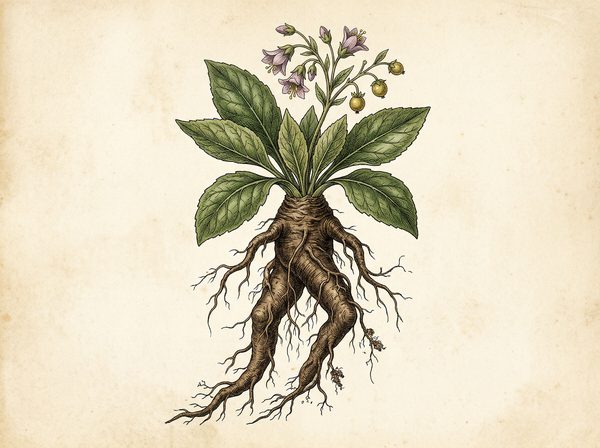 MandrakeMandragora officinarum
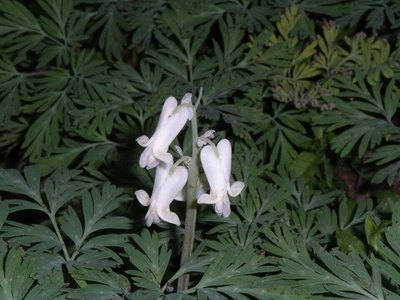 CorydalisDicentra canadensis
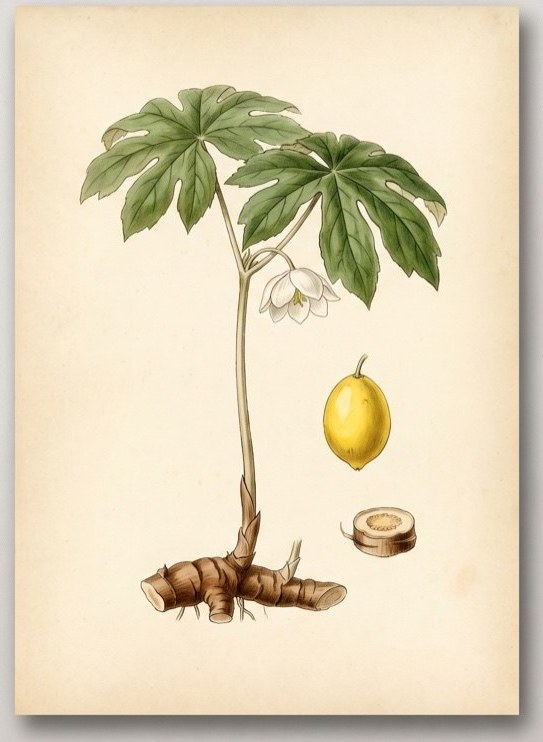 May applePodophyllum peltatum
Nearby on the shelf
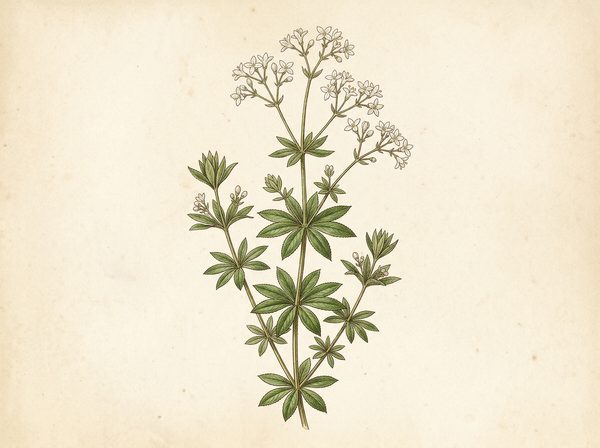 Sweet WoodruffGalium odoratum
 Sweet WormwoodArtemisia annua
 SweetfernComptonia asplenifolia
 Szechuan PepperZanthoxylum bungeanum
 TaheeboTabebuia avellanedae
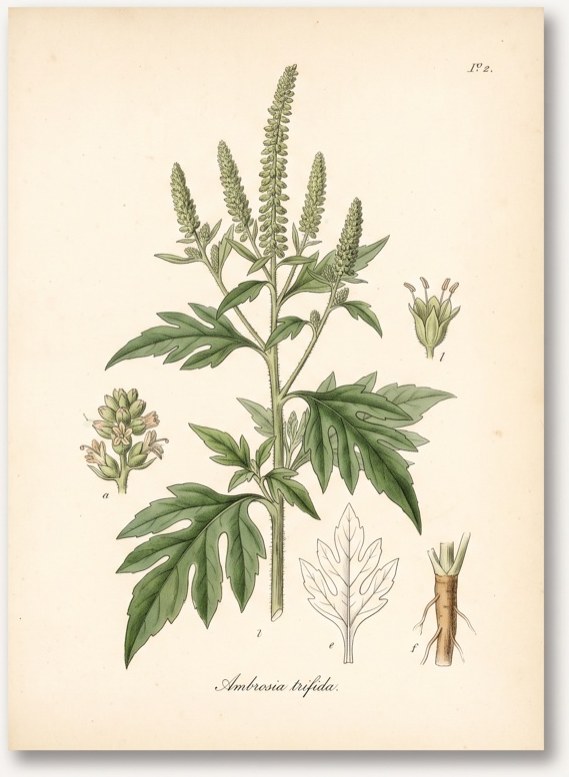 Tall AmbrosiaAmbrosia Trifida
 TamarackLarix Americana
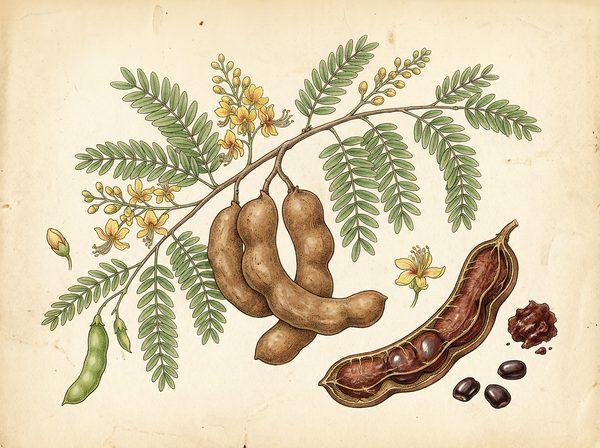 TamarindTamarindus indica
The whole plate is in the library. The compass, Compare, the Sky of eleven hundred plants and the formulary open with an email address and a password, free, with the formula builder and its safety engine. Herbert without limit, his formulating, clients, the handouts and the labels are the paid room.
Open the library, free