
Western Herbalism
Tapioca
Manihot
Also known as Tapioca meal, Brazilian arrow-root.
The seeds of Purging or Barbadoes-nut occasion emetic and drastic cathartic effects, accompanied with a burning sensation in the fauces and stomach, and other unpleasant, and even serious, symptoms. However, if the seeds be entirely deprived of their embryo, the emesis and other disagreeable sensations do not occur.

Ask Herbert about Tapioca. Herbert is the master herbalist inside Bountiful Herbs: he answers from this plate and eleven hundred others, with dosing, pairing and cautions. Your first ten questions are free.
Ask HerbertSafety
No toxicity, pregnancy or breastfeeding flag is recorded for this plant. That is the record speaking, not a promise; the library carries the full safety section.
From the sources
Action, Medical Uses, and Dosage. The seeds of Purging or Barbadoes-nut occasion emetic and drastic cathartic effects, accompanied with a burning sensation in the fauces and stomach, and other unpleasant, and even serious, symptoms. However, if the seeds be entirely deprived of their embryo, the emesis and other disagreeable sensations do not occur.
Description. The seeds are about 1 inch long, oval, flattish on one surface, rounded on the opposite, each side presenting a slight elevation, running lengthwise. It has a fissured testa of a blackish color. Taste at first sweet, afterward acrid. It has no odor and contains oil.
History. This is a large, thick-stemmed, lactiferous shrub, a native of the Cape de Verd Islands (Pickering), but cultivated as a hedge plant, as well as for its oil, and has also been naturalized in the West Indies, South America, and in most parts of the tropics. The plant was formerly referred to Jatropha, from which it differs in having a monopetalous corolla. The seeds are called Purging-nuts, Nuces catharticae Americanae, Semina ricini majoris, Semen curcadis, Ficus infernalis, Nuces Barbadenses, Physic-nut, etc., (New Remedies, 1878, from Zeitschrift des Oesterr. Apoth. Vereins), and affords an oil, upon pressure, which is a drastic cathartic, and which has been used to adulterate croton oil.
Botanical Source. A large shrub, with a milky juice, and leaves that are heart-shaped, smooth, 5-lobed, and borne on leaf-stalks 2 or 3 inches long. The flowers are small, green, monoecious and in axillary, stalked cymes. The corolla and calyx are 5-parted, and the male flowers have 10 stamens. The ovary is 3-lobed, 3-celled, and has a 3-parted style. The fruit is a fleshy black berry, and contains 3 seeds, about an inch in length. The kernel is oily, inodorous, sweetish to the taste, followed by acridity.
Drawn from King's American Dispensatory, 18th edition (Felter and Lloyd), and the Bountiful Herbs editorial.
Nearby on the shelf
 TamarackLarix Americana
 TamarindTamarindus indica
 TangerineCitrus reticulata
 TansyTanacetum vulgare
 TarragonArtemisia dracunculus
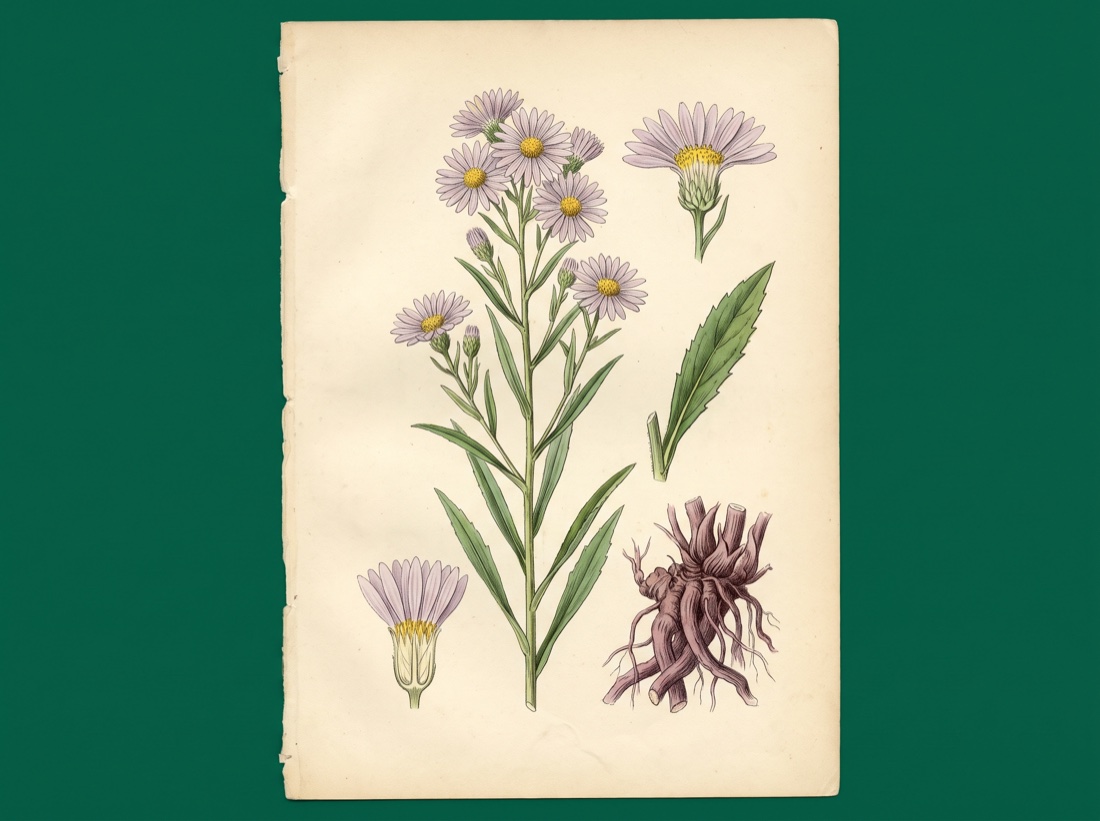 Tatarian asterAster tataricus
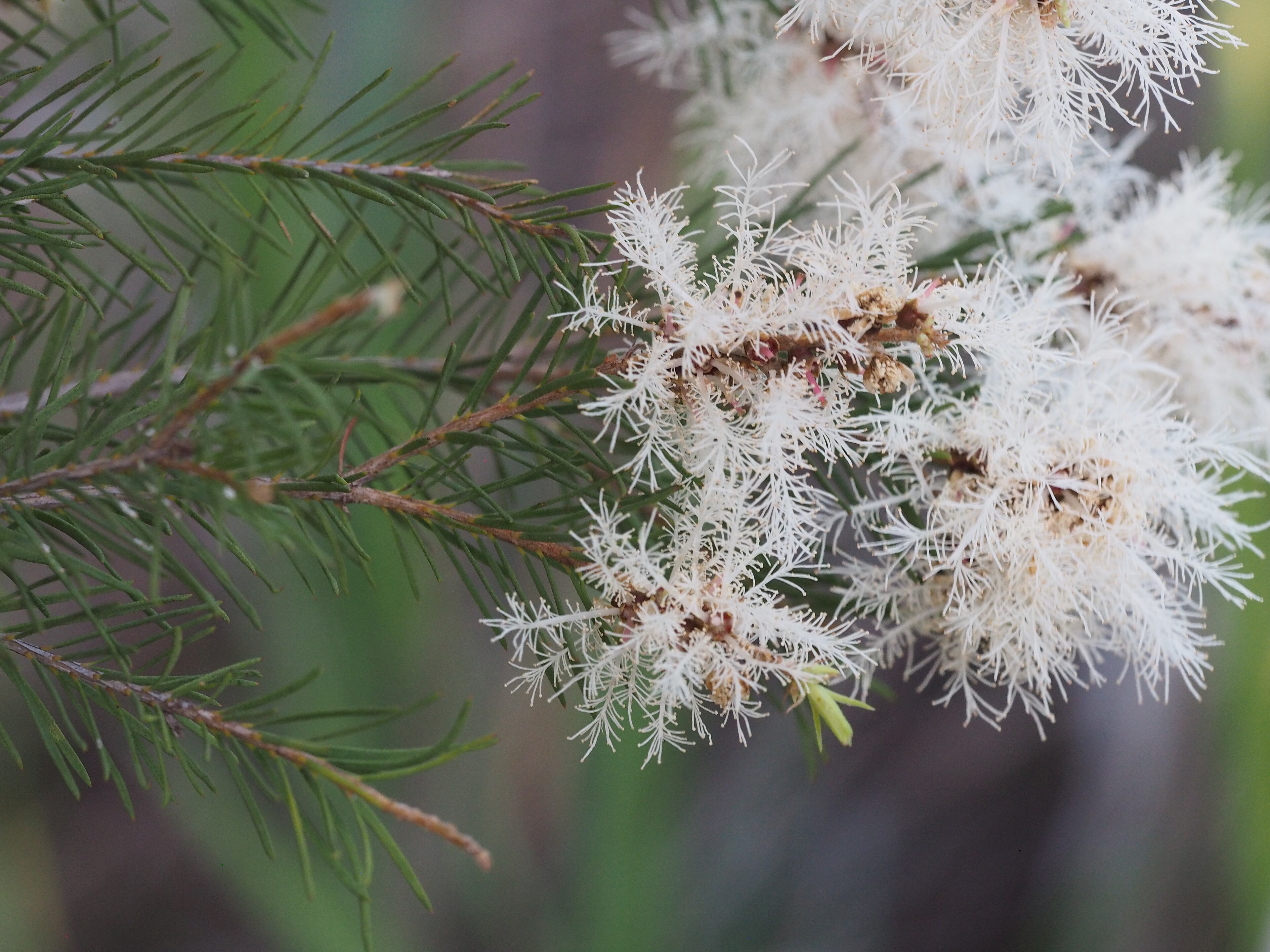 Tea treeMelaleuca alternifolia
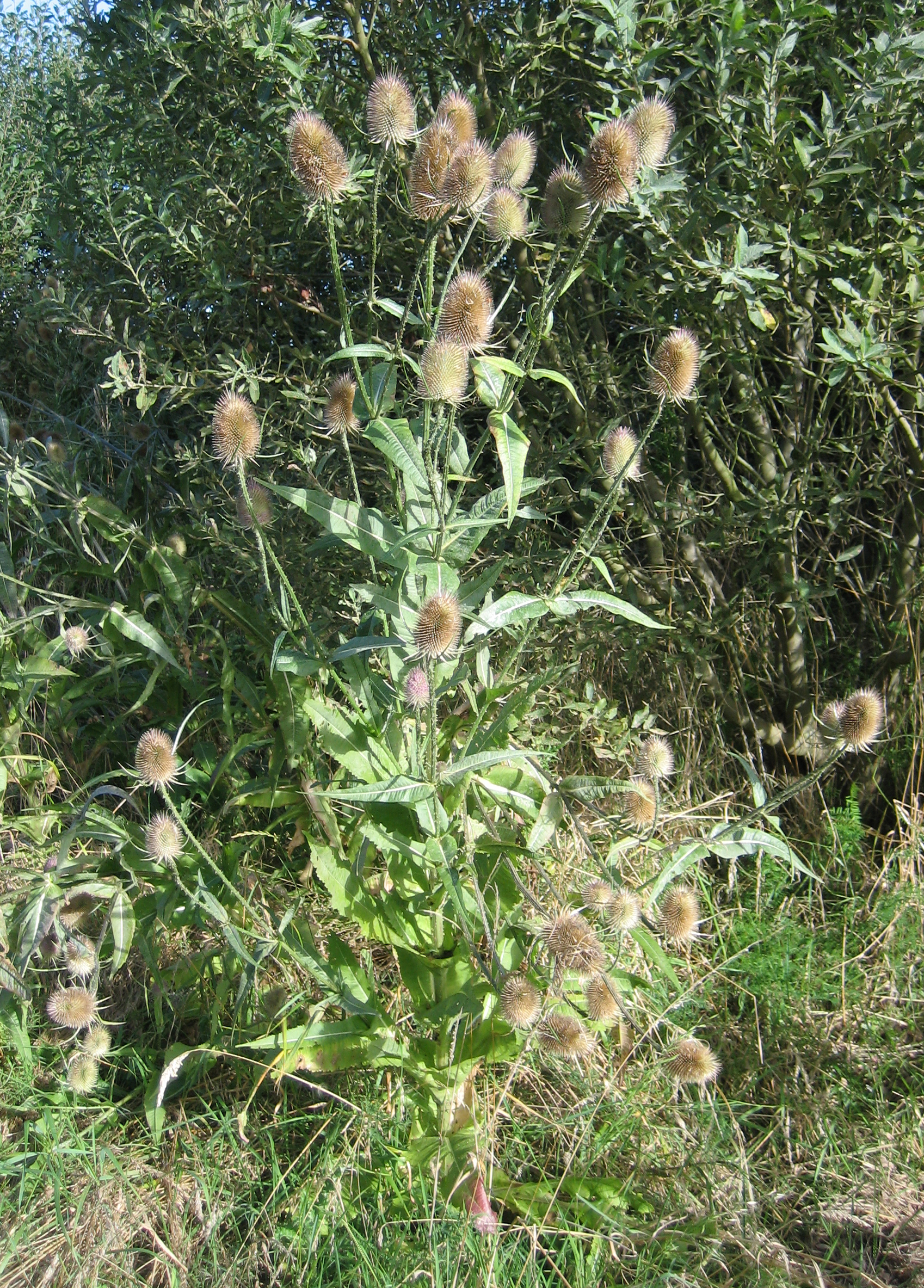 TeaselDipsacus fullonum
The whole plate is in the library. The compass, Compare, the Sky of eleven hundred plants and the formulary open with an email address and a password, free, with the formula builder and its safety engine. Herbert without limit, his formulating, clients, the handouts and the labels are the paid room.
Open the library, free