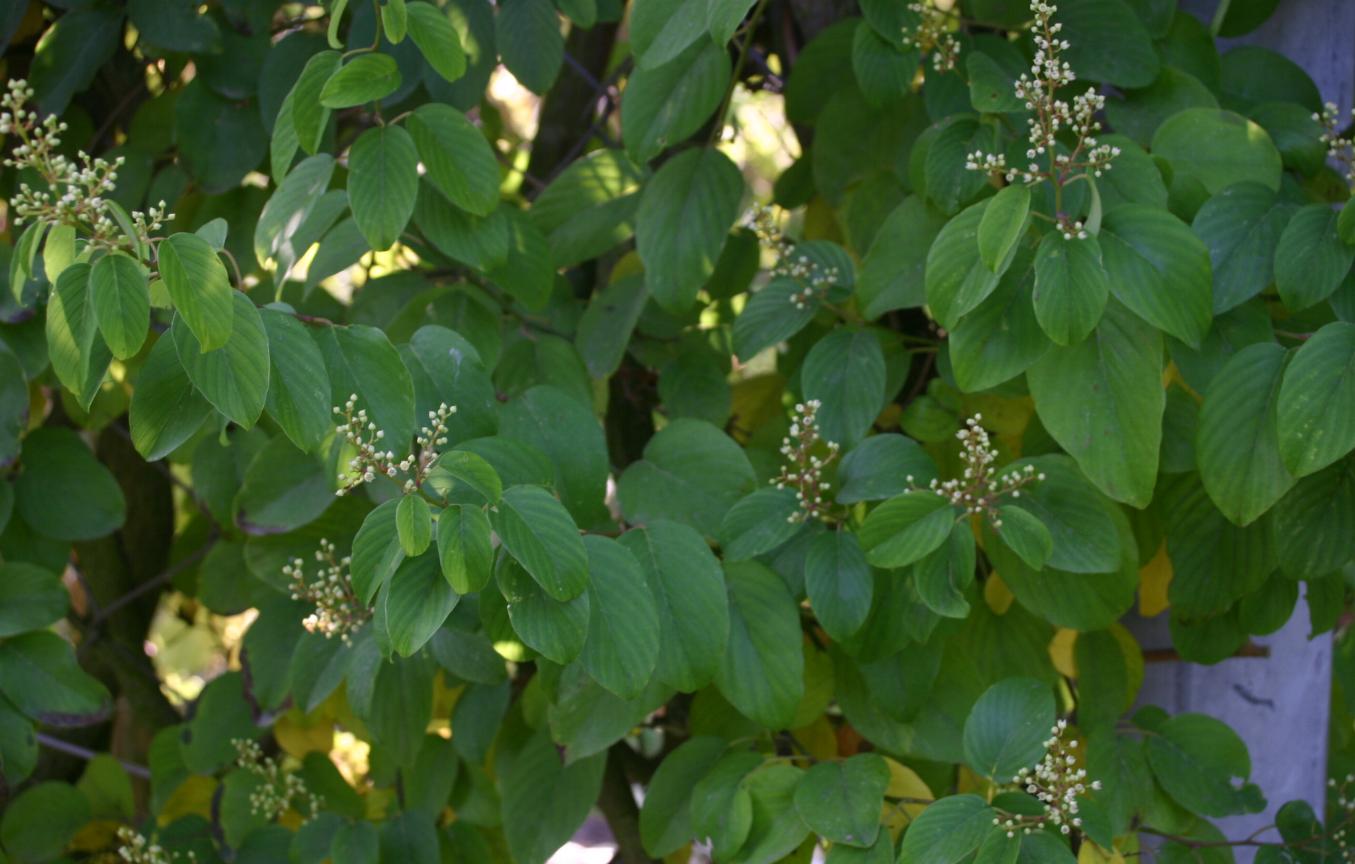
Western Herbalism
Supple jack
Berchemia volubilis
Also known as Alabama supplejack, Rattan vine.
Berchemia volubilis, a twining woody vine of the buckthorn family, grows wild in the damp alluvial woods of the southern United States, climbing trees to considerable heights on a smooth reddish stem. The root was the part valued in nineteenth century physiomedical and folk practice, chiefly in the southern states, where it was said to have a marked and specific effect on the urinary organs. It appears almost exclusively in physiomedicalist writings as a remedy for stubborn gonorrhea and gleet, reportedly learned from folk healers in Arkansas and Louisiana, but it never entered wider Eclectic or modern herbal use and remains essentially undocumented outside these historical accounts.

Ask Herbert about Supple jack. Herbert is the master herbalist inside Bountiful Herbs: he answers from this plate and eleven hundred others, with dosing, pairing and cautions. Your first ten questions are free.
Ask HerbertActions
Indications what the tradition reached for it in
- Chronic gonorrhea
- Gleet (chronic urethral discharge)
- Chronic urinary irritation
- Lingering venereal discharge
Specific indications
Long-standing gleet with persistent, thin urethral discharge that has resisted other treatment
Chronic low-grade urinary irritation in a person otherwise weak and depleted
Safety
Pregnancy: Avoid in pregnancy: there is no safety data of any kind for this plant.
Breastfeeding: Avoid in lactation: there is no safety data of any kind for this plant.
The record lists 5 contraindications; open the plate in the library to read them in full.
In practice
This is a plant known almost entirely through secondhand nineteenth century report rather than sustained clinical experience, so any use today should be regarded as experimental and historically informed rather than well established.
Dosing as the sources wrote it
| Preparation | As written | Metric |
|---|---|---|
| Root decoction (historical) | traditionally simmered root, strength and duration not standardized | |
| Tincture (1:5) | not established, use only under experienced supervision |
Doses are reproduced from the sources for practitioners and are not a recommendation for any person.
From the sources
Overview. Berchemia volubilis, a twining woody vine of the buckthorn family, grows wild in the damp alluvial woods of the southern United States, climbing trees to considerable heights on a smooth reddish stem. The root was the part valued in nineteenth century physiomedical and folk practice, chiefly in the southern states, where it was said to have a marked and specific effect on the urinary organs. It appears almost exclusively in physiomedicalist writings as a remedy for stubborn gonorrhea and gleet, reportedly learned from folk healers in Arkansas and Louisiana, but it never entered wider Eclectic or modern herbal use and remains essentially undocumented outside these historical accounts.
Clinical Notes. This is a plant known almost entirely through secondhand nineteenth century report rather than sustained clinical experience, so any use today should be regarded as experimental and historically informed rather than well established.
Properties and Uses. I have repeatedly been told by responsible men, that the root of this plant has a peculiar and powerful action on the urinary organs; and that it has rare efficacy in curing lingering gonorrhea and gleet.
Description. Natural Order, Rhamnaceae. Genus BERCHEMIA: Calyx five-parted, petals five, inclosing the five stamens; fruit an oblong drupe, sitting deeply into the disk, with a bony, two-celled nut. B. VOLUBILIS: Climbing and woody shrubs, growing in the damp, alluvial soils through the Southern States; stem an inch or more in diameter, twining about trees to the height of ten or twenty feet, with a smooth, reddish bark, and very tough wood; leaves two inches long, ovate, with straight veins; flowers small, greenish-white, in panicles; nut small and very hard.
Drawn from Cook's Physio-Medical Dispensatory, and the Bountiful Herbs editorial.
Nearby on the shelf
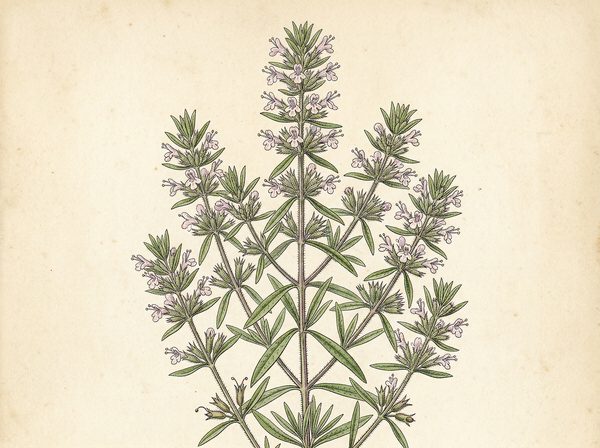 Summer savorySatureja hortensis
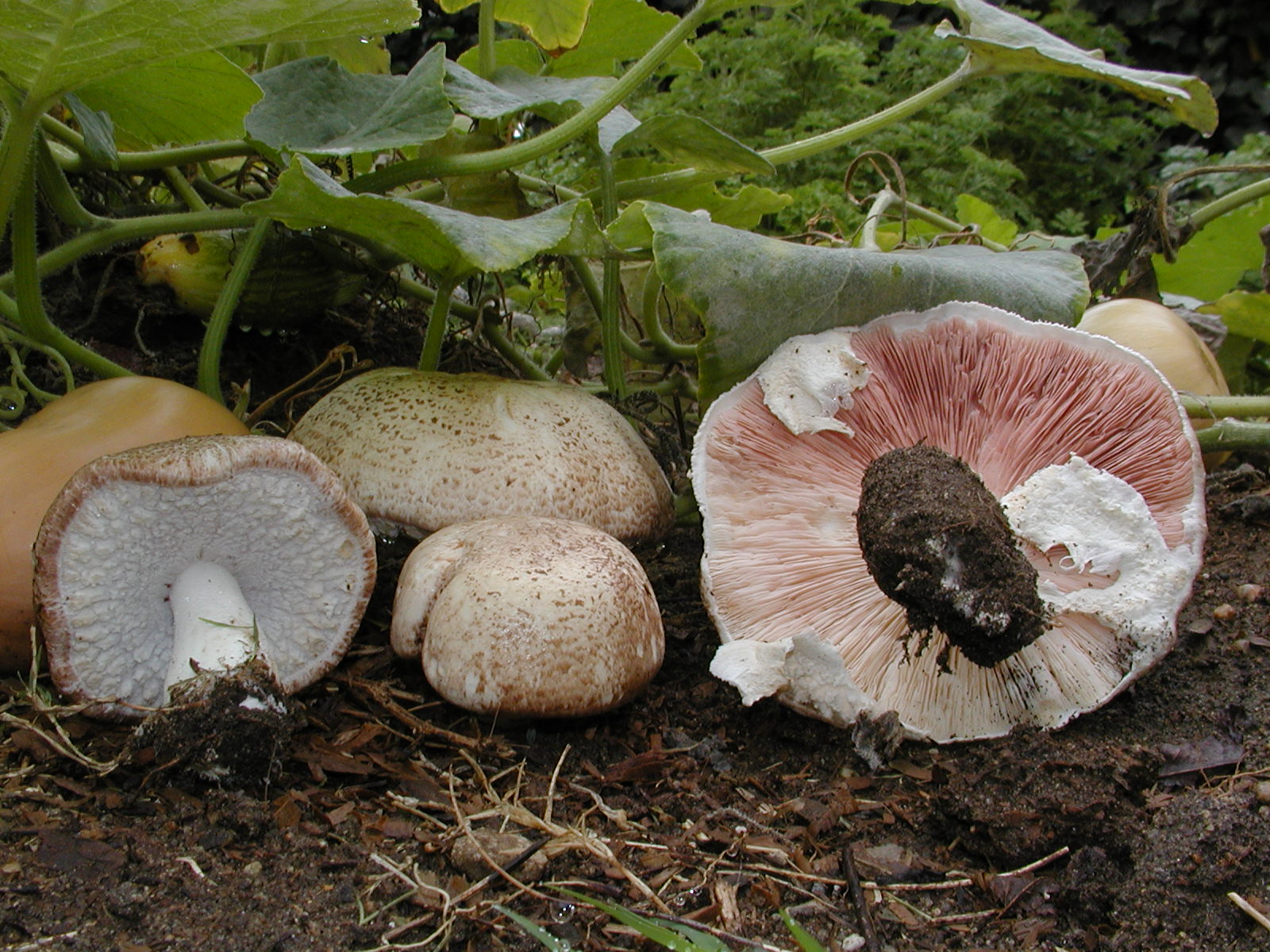 Sun MushroomAgaricus subrufescens
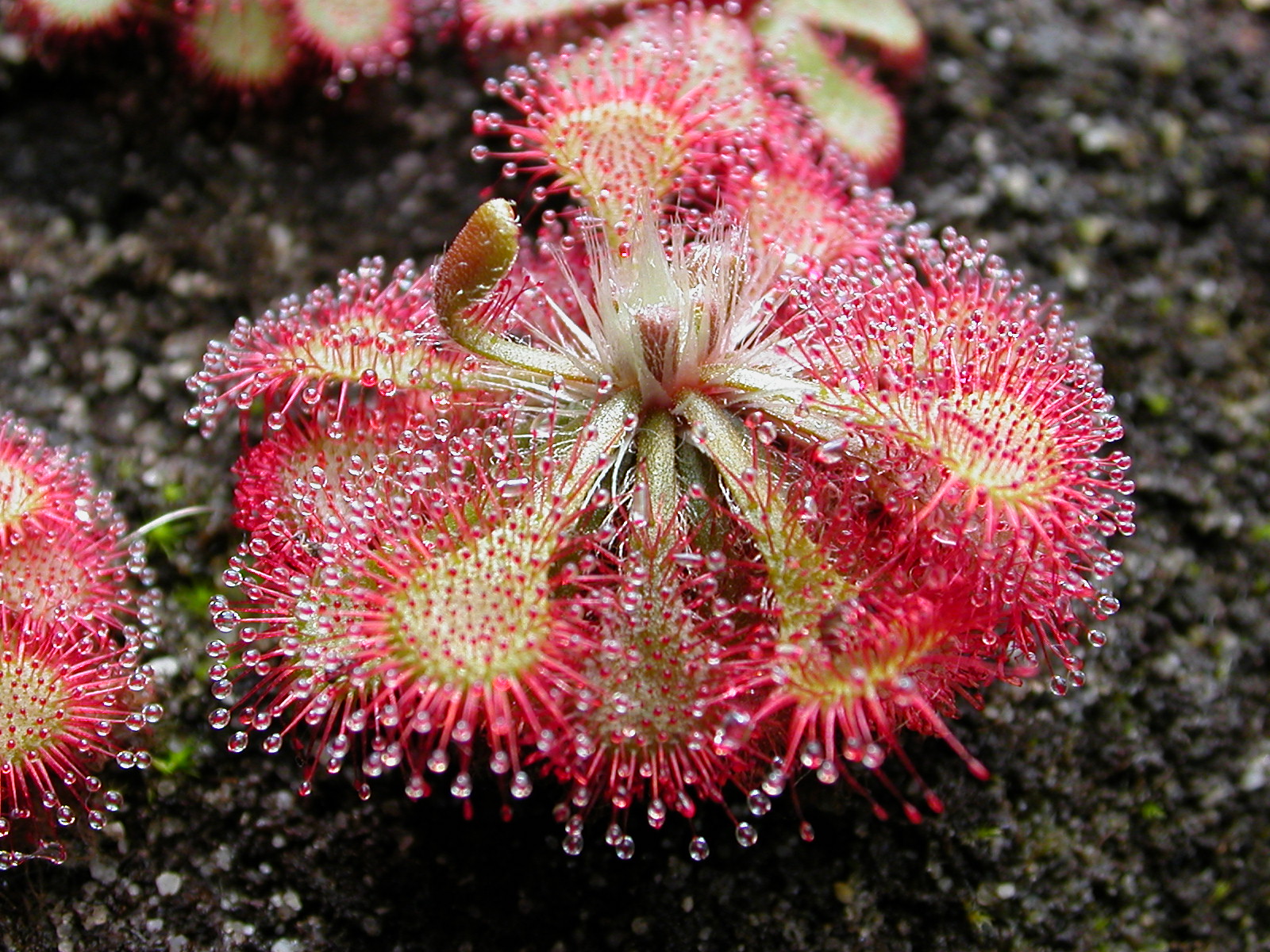 SundewDrosera rotundifolia
 SunflowerHelianthus annuus
 Sweet almondAmygdalus communis dulcis
 Sweet chestnutCastanea vesca
 Sweet cicelyOsmorhiza longistylis
 Sweet cloverMelilotus officinalis
The whole plate is in the library. The compass, Compare, the Sky of eleven hundred plants and the formulary open with an email address and a password, free, with the formula builder and its safety engine. Herbert without limit, his formulating, clients, the handouts and the labels are the paid room.
Open the library, free