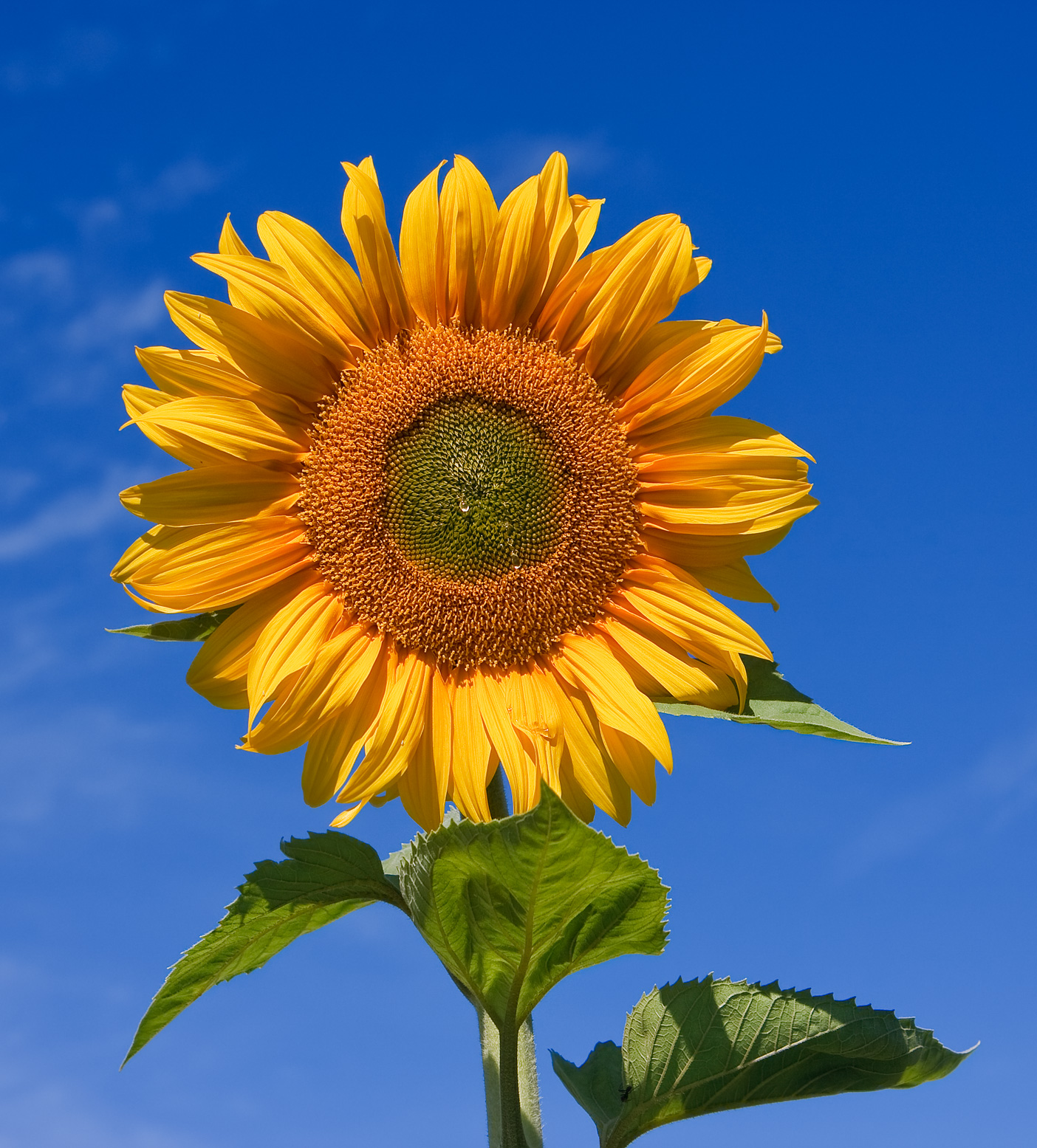
Western Herbalism
Sunflower
Helianthus annuus
Also known as Common sunflower.
Sunflower is the tall, big-headed annual composite familiar in gardens and fields, native to the Americas and now cultivated worldwide for its oil-rich seeds and ornamental flowers. In the physiomedicalist tradition the leaf and flower infusion, and to a lesser extent the seed decoction, were kept as gentle relaxant and diuretic remedies, used where a mild demulcent expectorant or a soothing urinary remedy was called for rather than a more heroic agent. The seeds also served as a nutritive food and mild tonic during convalescence.

Ask Herbert about Sunflower. Herbert is the master herbalist inside Bountiful Herbs: he answers from this plate and eleven hundred others, with dosing, pairing and cautions. Your first ten questions are free.
Ask HerbertActions
Indications what the tradition reached for it in
- Bronchitis with tight, unproductive cough
- Whooping cough (pertussis-type cough)
- Chronic cough with dry, irritated airways
- Urinary tract irritation with scanty output
- Mild kidney and bladder gravel
- Convalescent nutritional support
- Common cold with chest tightness
- General debility with poor appetite
Specific indications
Dry, hacking, spasmodic cough with a sense of chest tightness where a soothing expectorant is needed
Scanty, irritated urination in an otherwise weak or convalescent patient
Safety
The record lists 2 contraindications; open the plate in the library to read them in full.
In practice
Physiomedicalist practitioners reached for sunflower leaf or flower tea in bronchial complaints where the tissue was irritated and dry rather than congested and full, pairing it with other relaxant expectorants such as coltsfoot or mullein when a soothing rather than stimulating action was wanted.
Dosing as the sources wrote it
| Preparation | As written | Metric |
|---|---|---|
| Leaf or flower infusion | 1-2 g dried leaf or flower steeped in 150 mL hot water, three times daily | 1000-2000 mg |
| Seed decoction | 5-10 g crushed seed decocted in 250 mL water, taken twice daily | 5000-10000 mg |
| Tincture (1:5, 40%) | 2-4 mL three times daily | 2-4 mL |
| The dose of the powder is usually stated at from ten to twenty grains three times a day | 648-1296 mg | |
| Five grains are a fair average dose | 324-324 mg | |
| ery strong preparation, of which from three to five drops, in simple sirup, is an average dose | 0.06-0.1 mL |
Doses are reproduced from the sources for practitioners and are not a recommendation for any person.
From the sources
Overview. Sunflower is the tall, big-headed annual composite familiar in gardens and fields, native to the Americas and now cultivated worldwide for its oil-rich seeds and ornamental flowers. In the physiomedicalist tradition the leaf and flower infusion, and to a lesser extent the seed decoction, were kept as gentle relaxant and diuretic remedies, used where a mild demulcent expectorant or a soothing urinary remedy was called for rather than a more heroic agent. The seeds also served as a nutritive food and mild tonic during convalescence.
Clinical Notes. Physiomedicalist practitioners reached for sunflower leaf or flower tea in bronchial complaints where the tissue was irritated and dry rather than congested and full, pairing it with other relaxant expectorants such as coltsfoot or mullein when a soothing rather than stimulating action was wanted.
Properties and Uses. The seeds of the sunflower contain a considerable quantity of fixed oil, which may be obtained by cold pressure. It is bland, does not oxidize (dry) as does linseed oil, is quite nutrient, and probably could be put to good use in some arts.
Properties and Uses. The root of helonias is a strong bitter, and one of the most distinctly stimulating of all tonics. It acts very generally upon the system, including in its range the salivary glands, respiratory organs, stomach, gall-ducts, uterus, and ovaries.
Drawn from Cook's Physio-Medical Dispensatory; King's American Dispensatory, 18th edition (Felter and Lloyd), and the Bountiful Herbs editorial.
Often paired with
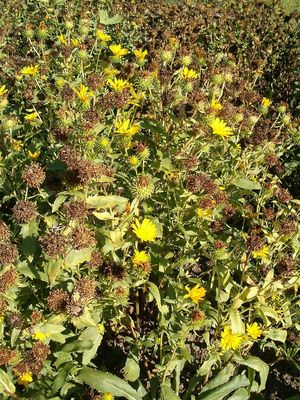 Gum weedGrindelia spp.
Nearby on the shelf
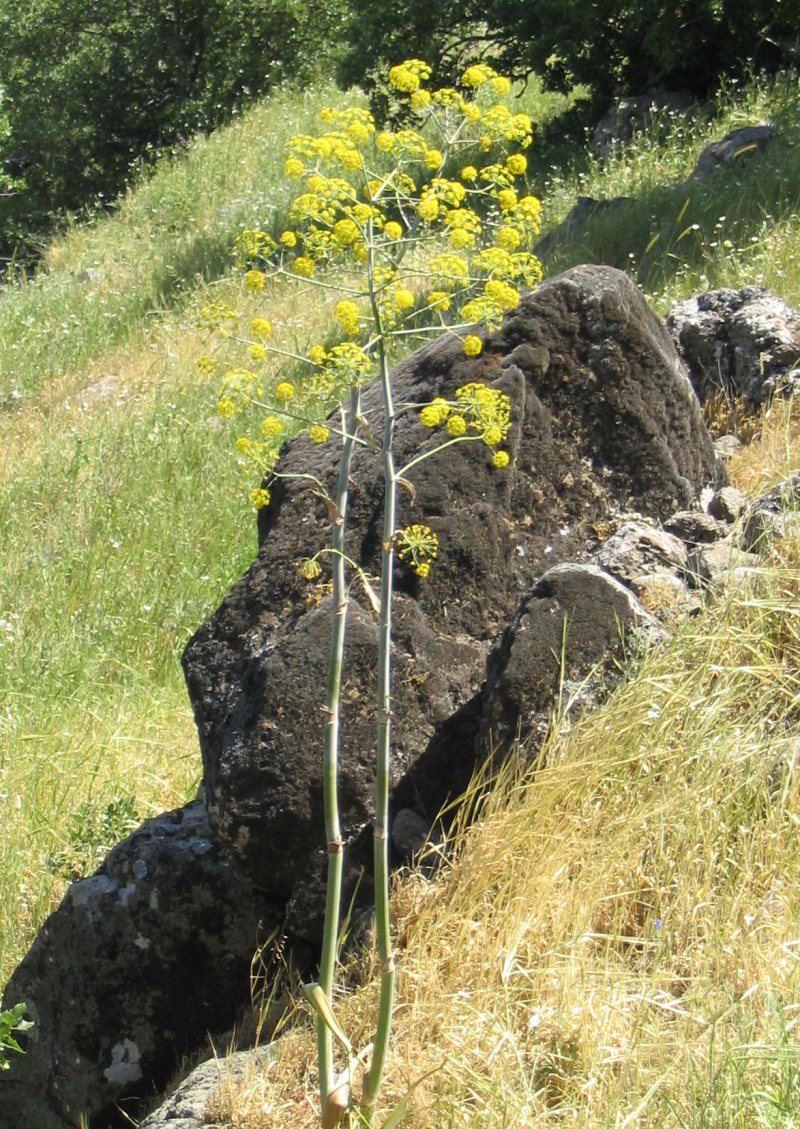 SumbulFerula sumbul
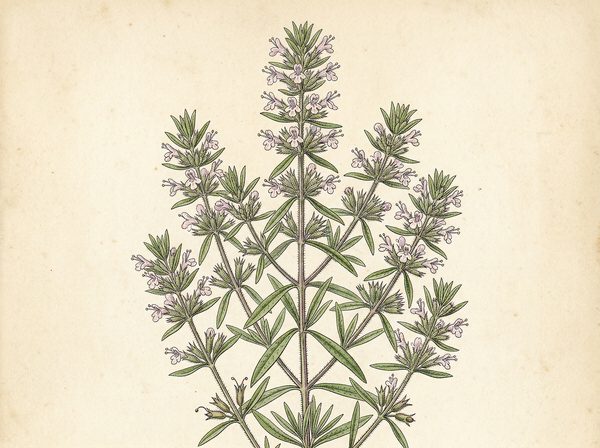 Summer savorySatureja hortensis
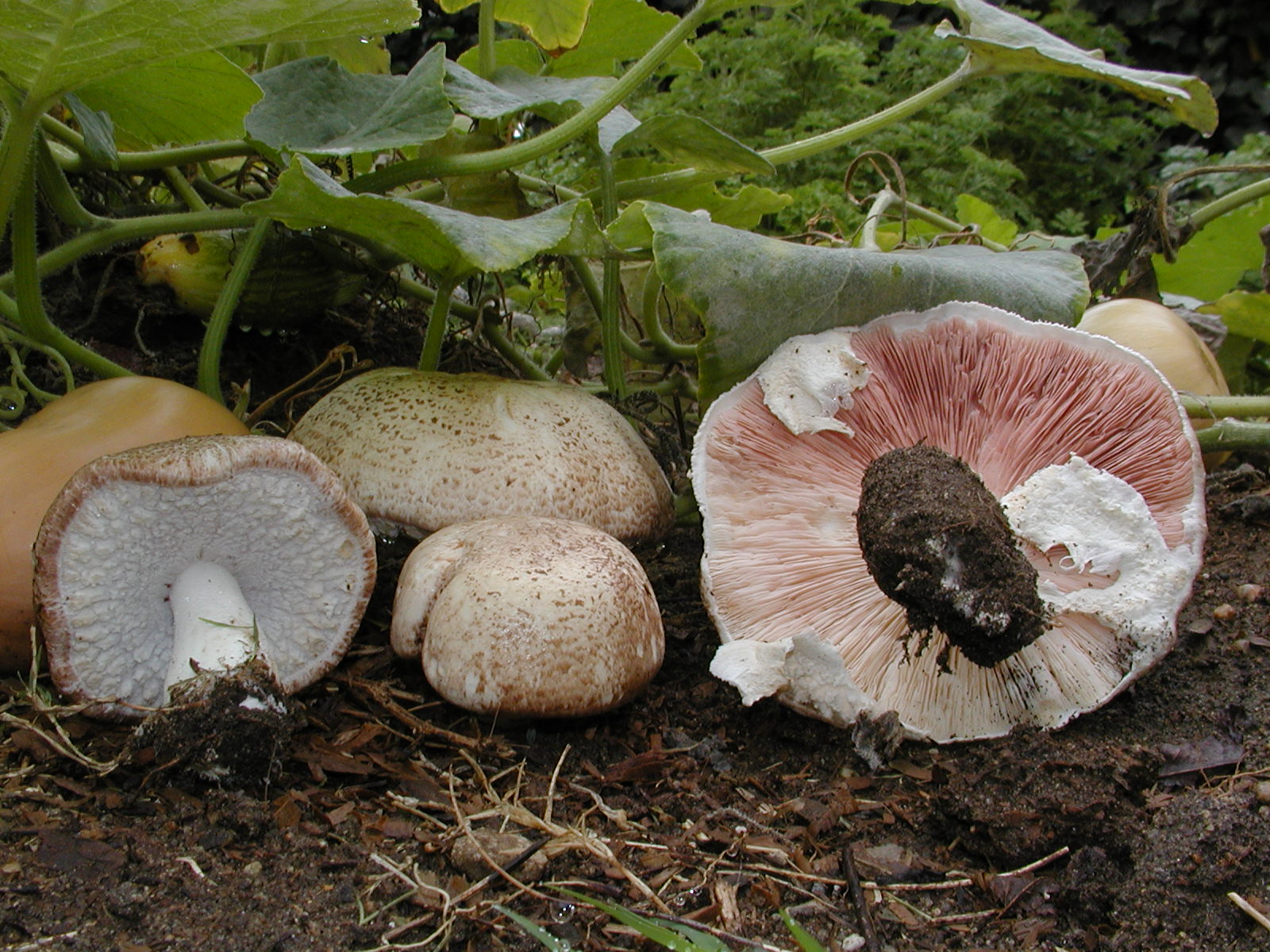 Sun MushroomAgaricus subrufescens
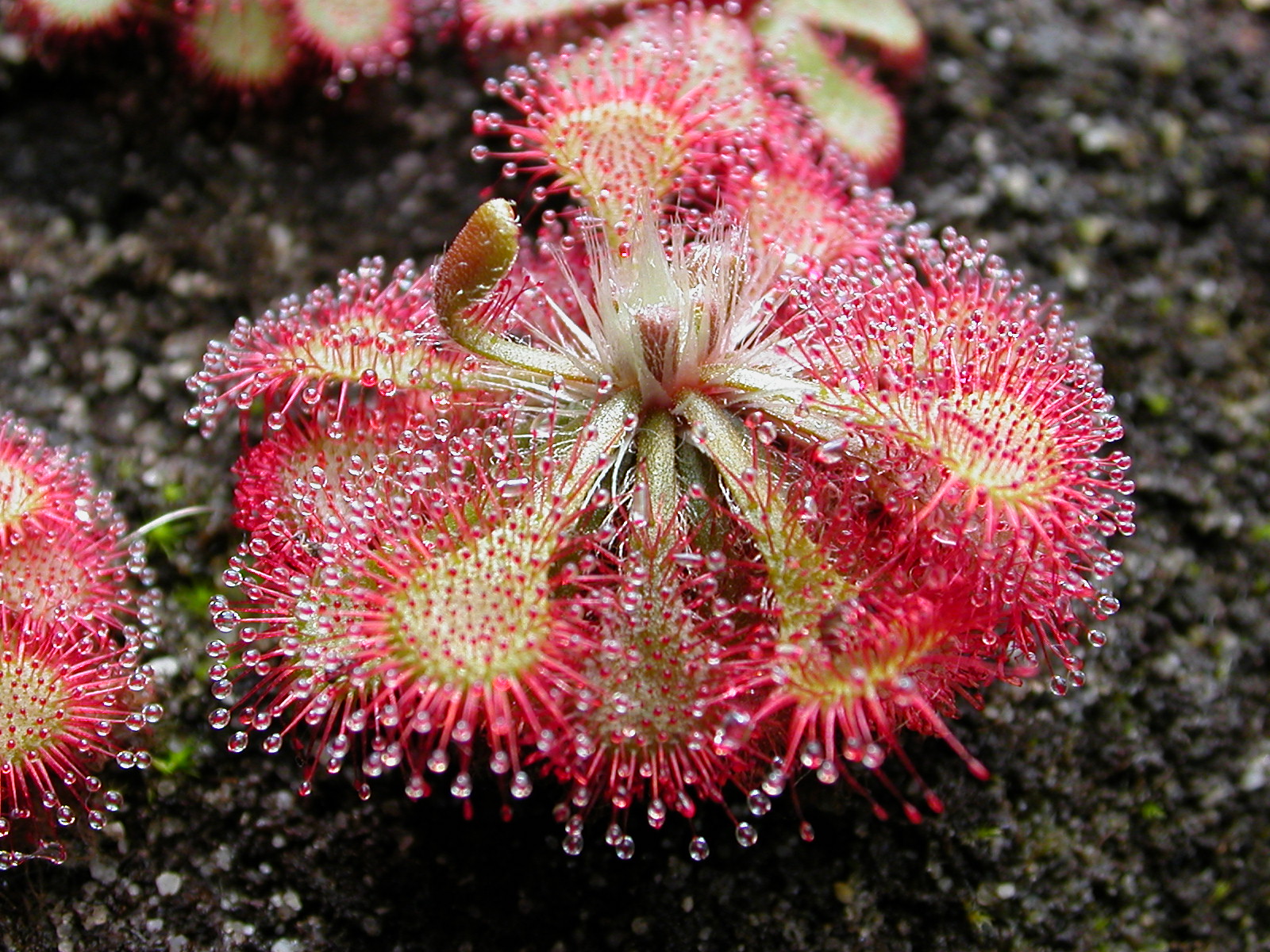 SundewDrosera rotundifolia
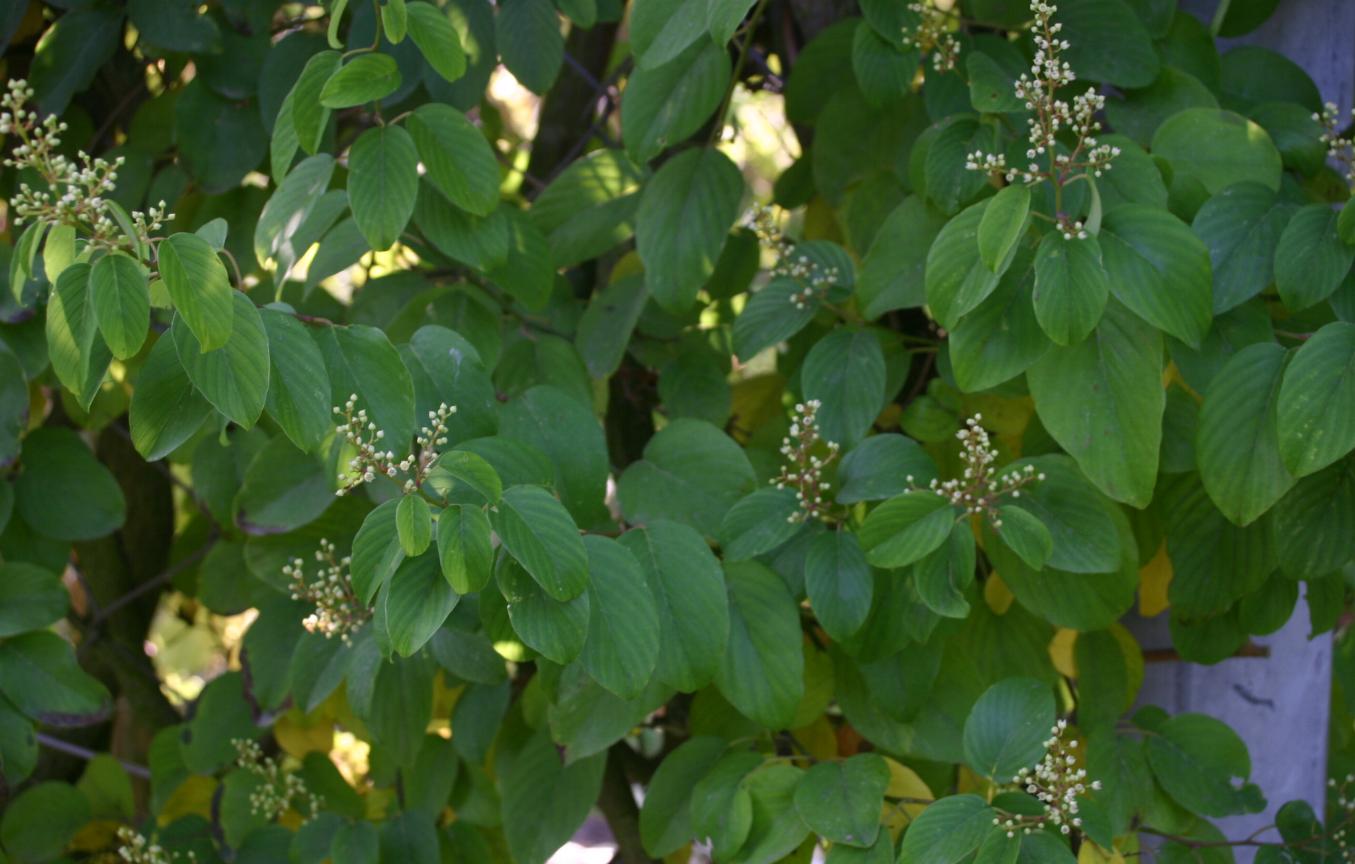 Supple jackBerchemia volubilis
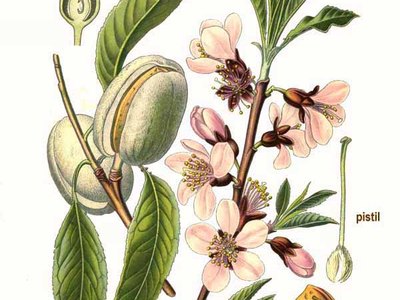 Sweet almondAmygdalus communis dulcis
 Sweet chestnutCastanea vesca
 Sweet cicelyOsmorhiza longistylis
The whole plate is in the library. The compass, Compare, the Sky of eleven hundred plants and the formulary open with an email address and a password, free, with the formula builder and its safety engine. Herbert without limit, his formulating, clients, the handouts and the labels are the paid room.
Open the library, free