Chinese Herbalism
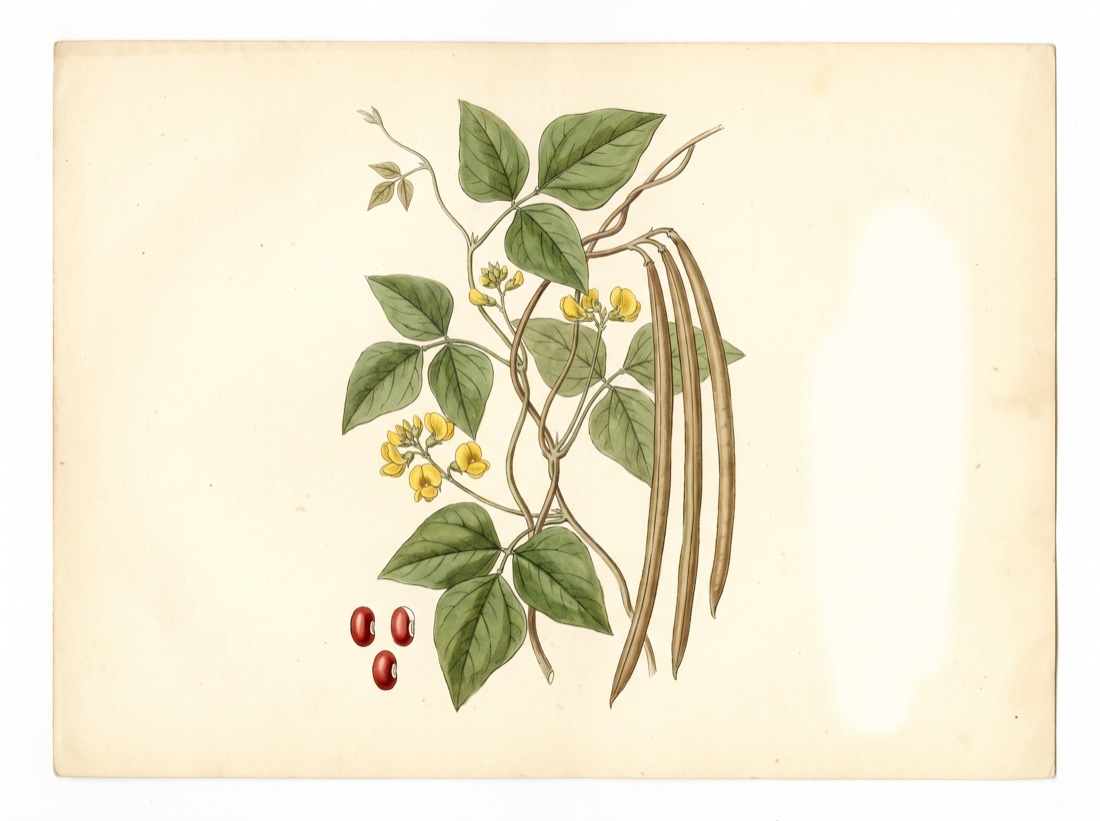
Rice bean
Vigna umbellata
Also known as red bean, climbing mountain bean, chi xiao dou, mambi bean, chì xiǎo dòu.
Chi xiao dou is the small, oblong, dark red seed of the rice bean, a twining annual legume grown across southern China, Southeast Asia and the Himalaya as a food crop. The Chinese Pharmacopoeia accepts both this species and the adzuki bean (Vigna angularis) under the same drug name, but the slender rice bean is the classical article. In Chinese medicine it is a neutral, gentle food herb that drains dampness through the urine, clears damp-heat and jaundice, and draws pus from sores, and it can be eaten in quantity for long periods.

Ask Herbert about Rice bean. Herbert is the master herbalist inside Bountiful Herbs: he answers from this plate and eleven hundred others, with dosing, pairing and cautions. Your first ten questions are free.
Ask HerbertActions
Indications what the tradition reached for it in
- Edema of the legs and abdomen with scanty urine
- Postpartum or nutritional edema
- Beriberi-type swelling of the legs
- Jaundice with damp-heat
- Urinary difficulty with heat
- Damp-heat diarrhea
- Blood in the stool from damp-heat (with dang gui)
- Boils, carbuncles and abscesses (internal and as a poultice)
- Mumps and erysipelas (topical paste)
- Convalescent weakness where a nourishing food herb is needed
Specific indications
Puffy legs and a swollen belly in a tired patient with scanty urine and a slightly yellow cast, where a food-grade diuretic can be taken daily for weeks
Early damp-heat jaundice with itching and edema, where it is combined with ma huang and lian qiao in the classical formula
Safety
The record lists 6 contraindications; open the plate in the library to read them in full.
In practice
Chi xiao dou is a kitchen medicine. For edema it is cooked as a thick soup or congee, often with yi yi ren (Job's tears), fu ling and a little chen pi, and eaten daily; a classical pairing simmers it with carp for edema in pregnancy and after childbirth.
In Chinese medicine
Temperature: neutral. Taste: sweet, sour. Channels: Heart, Small Intestine. Actions: Promotes urination and reduces edema; Clears damp-heat and relieves jaundice; Resolves toxicity and drains pus from sores and abscesses; Applied externally, reduces swelling of boils, mumps and erysipelas.
Dosing as the sources wrote it
| Preparation | As written | Metric |
|---|---|---|
| Decoction or soup | 9-30 g dried seed daily in decoction or cooked as soup | 9000-30000 mg |
| Congee (food dose) | 30-60 g whole seed cooked with rice or Job's tears daily | 30000-60000 mg |
| Topical paste | ground seed mixed with egg white or honey applied to boils or swollen glands once or twice daily |
Doses are reproduced from the sources for practitioners and are not a recommendation for any person.
From the sources
Overview. Chi xiao dou is the small, oblong, dark red seed of the rice bean, a twining annual legume grown across southern China, Southeast Asia and the Himalaya as a food crop. The Chinese Pharmacopoeia accepts both this species and the adzuki bean (Vigna angularis) under the same drug name, but the slender rice bean is the classical article. In Chinese medicine it is a neutral, gentle food herb that drains dampness through the urine, clears damp-heat and jaundice, and draws pus from sores, and it can be eaten in quantity for long periods.
Clinical Notes. Chi xiao dou is a kitchen medicine. For edema it is cooked as a thick soup or congee, often with yi yi ren (Job's tears), fu ling and a little chen pi, and eaten daily; a classical pairing simmers it with carp for edema in pregnancy and after childbirth.
Chinese Medicine Profile. Temperature: neutral. Taste: sweet, sour. Channels: Heart, Small Intestine. Actions: Promotes urination and reduces edema; Clears damp-heat and relieves jaundice; Resolves toxicity and drains pus from sores and abscesses; Applied externally, reduces swelling of boils, mumps and erysipelas.
In formulas
Rice bean stands in 4 documented formulas in the library, among them shù záo yin zi, guà dì sǎn, gúa đì sǎn, gua dì sǎn.
Often paired with
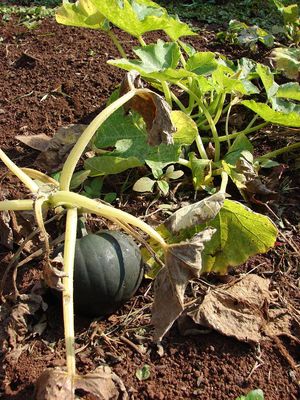 PumpkinCurcurbita pepo
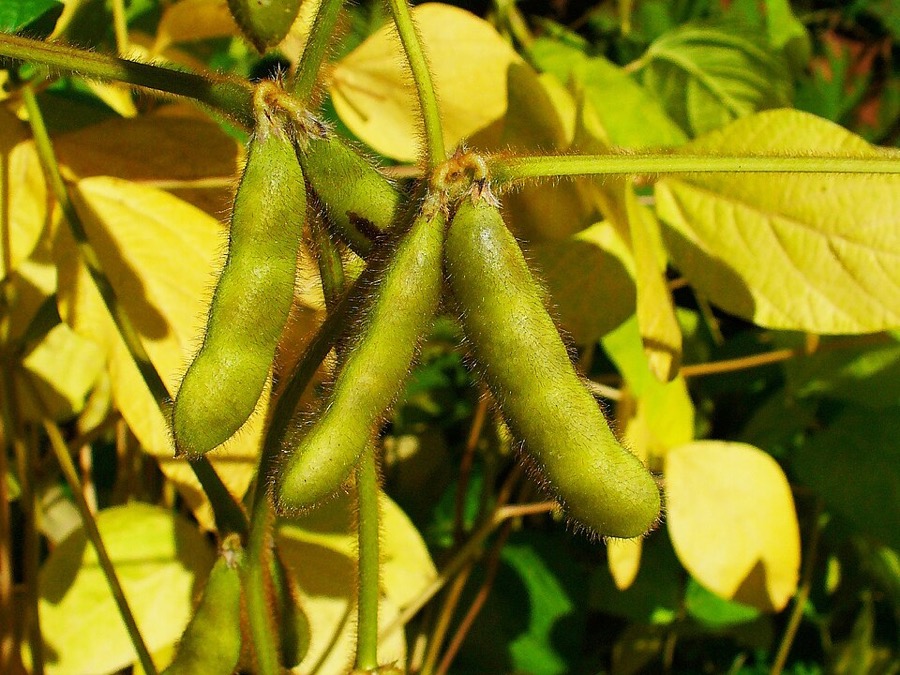 Glycine maxGlycine max
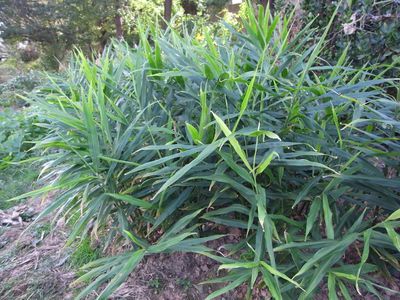 GingerZingiber officinale
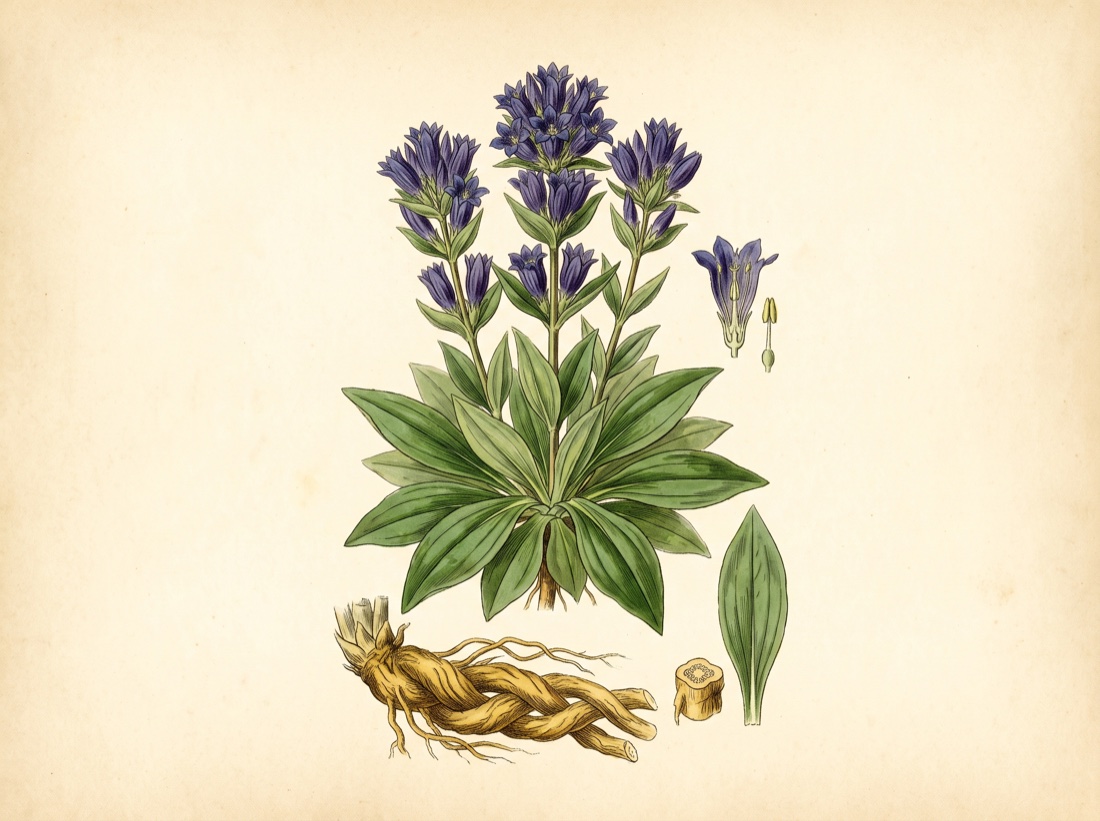 large-leaf gentianGentiana macrophylla
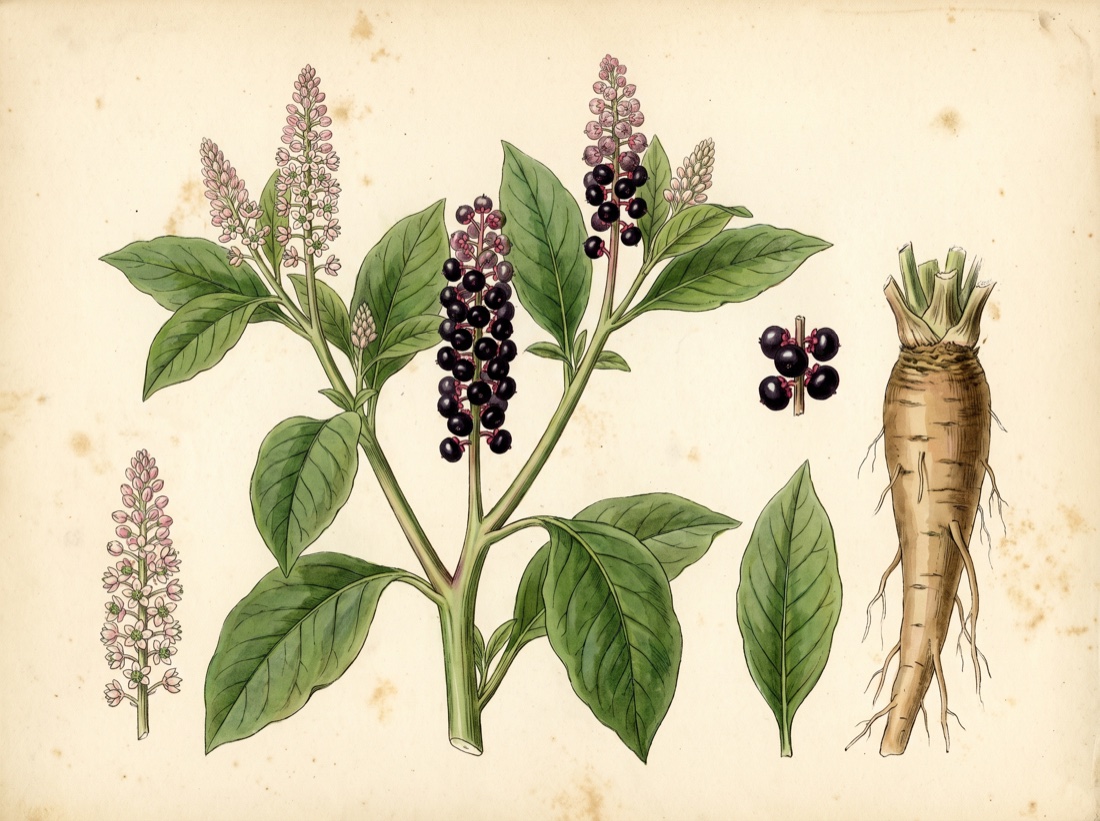 Indian pokeweedPhytolacca acinosa
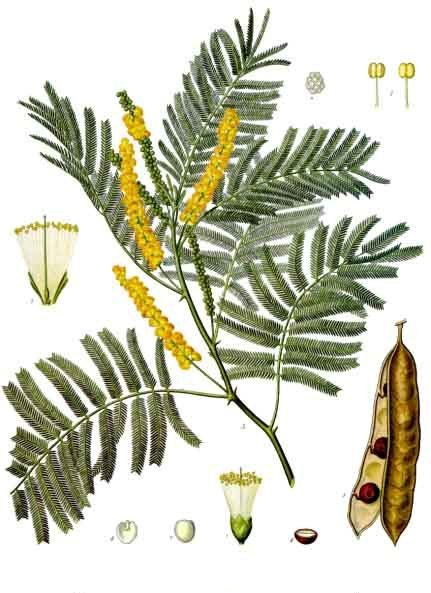 cutch treeAcacia catechu
Nearby on the shelf
 ReishiGanoderma lucidum
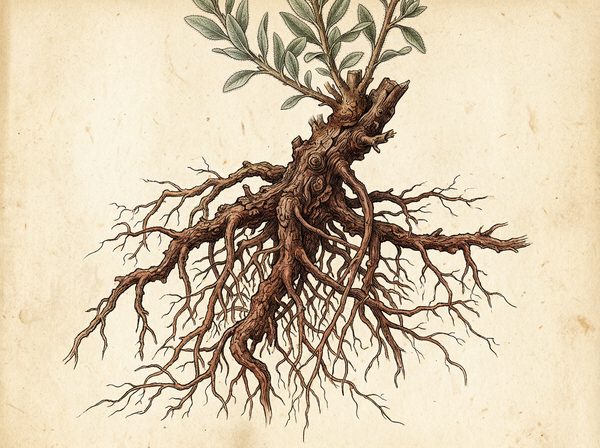 RhatanyKrameria triandra
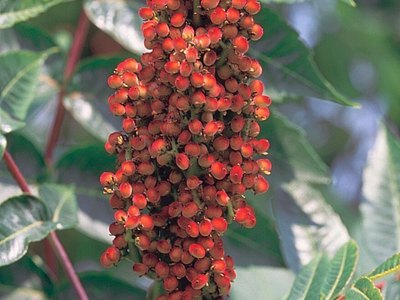 Rhus GlabraRhus Glabra
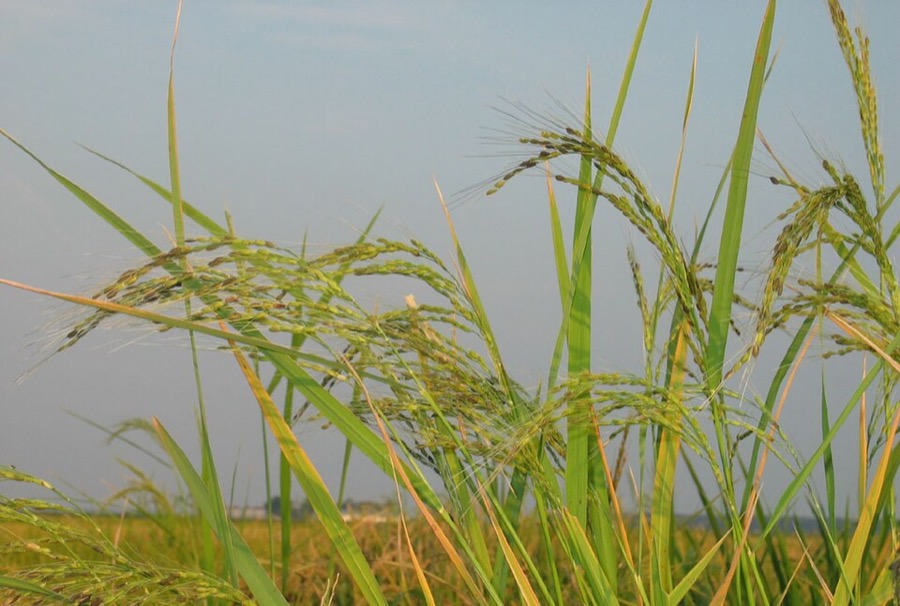 RiceOryza
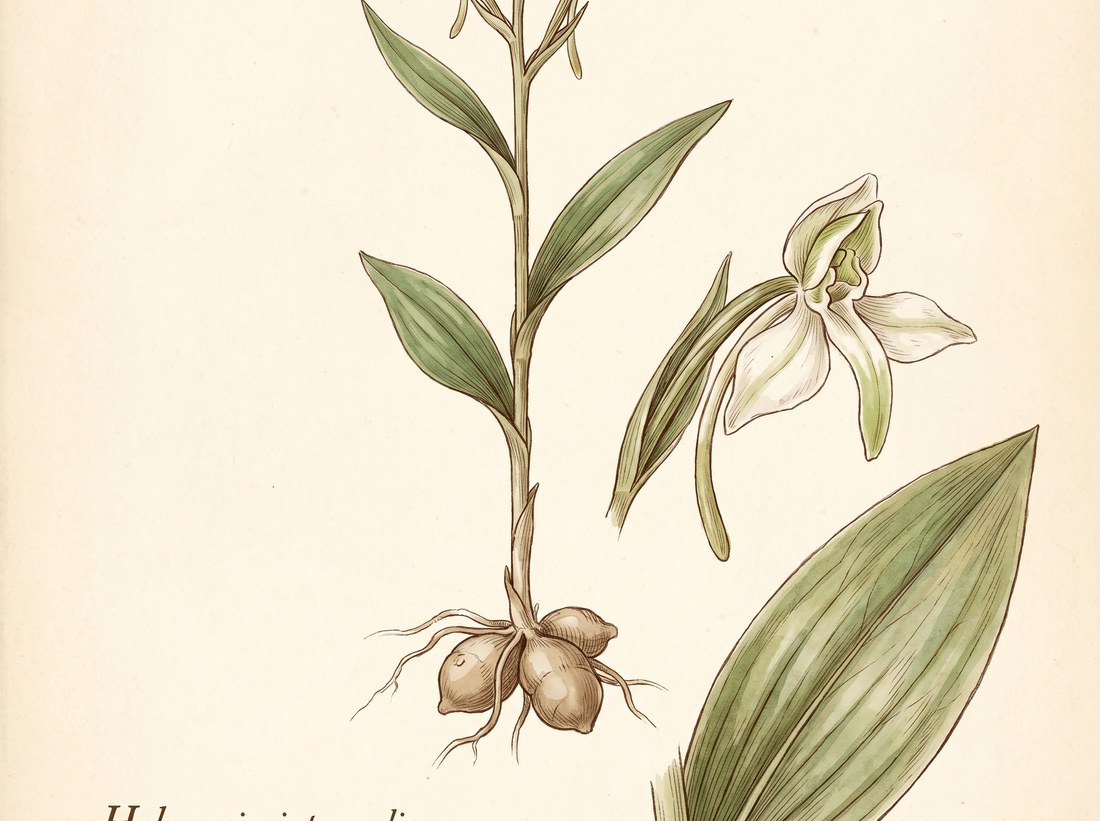 Riddhi orchidHabenaria intermedia
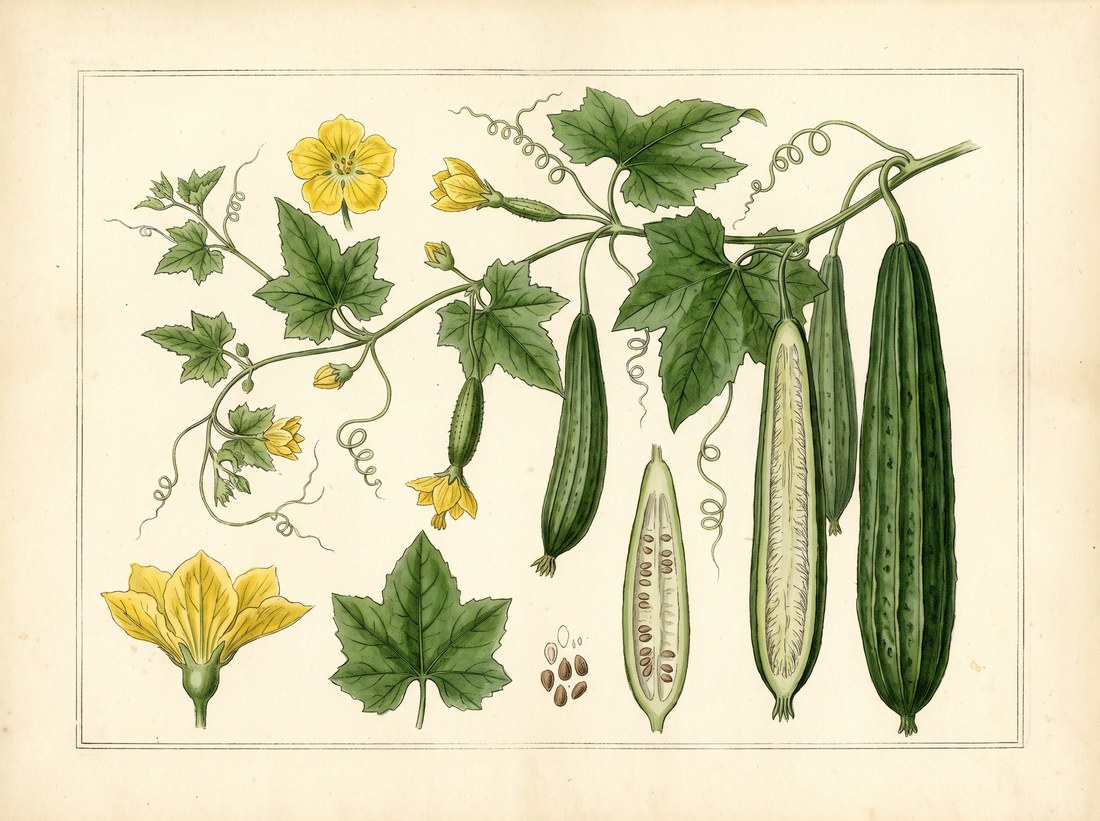 Ridge gourdLuffa acutangula
 Rock polypodyPolypodium vulgare
 RooibosAspalathus linearis
The whole plate is in the library. The compass, Compare, the Sky of eleven hundred plants and the formulary open with an email address and a password, free, with the formula builder and its safety engine. Herbert without limit, his formulating, clients, the handouts and the labels are the paid room.
Open the library, free