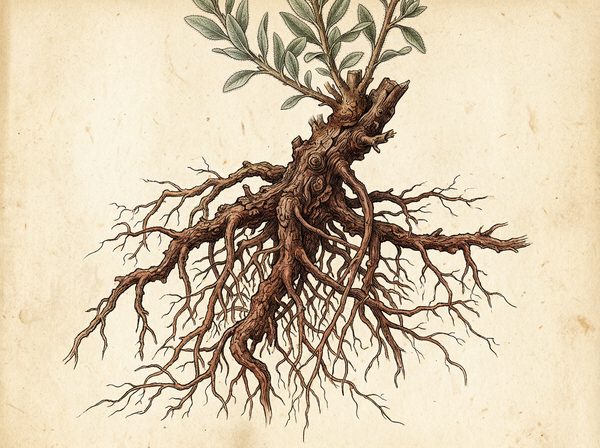
Western Herbalism
Rhatany
Krameria triandra
Also known as Rhatany root, Peruvian rhatany, Ratanhia, Krameria.
High tannin content (up to 50% in root bark) Traditionally chewed as teeth cleaner in Peru Listed in European Pharmacopoeia (0289) Prepare in glass/porcelain (reacts with metals) Topical anti-inflammatory activity comparable to indomethacin in preclinical studiesESCOP

Ask Herbert about Rhatany. Herbert is the master herbalist inside Bountiful Herbs: he answers from this plate and eleven hundred others, with dosing, pairing and cautions. Your first ten questions are free.
Ask HerbertActions
Indications what the tradition reached for it in
- Bloody diarrhea
- Gingivitis
- Mouth/throat inflammation
- Swollen gums
- Pharyngitis
- Bleeding gums
- Canker sores
- Spongy gums
- Leukorrhea
- Humid catarrh
- Stomatitis
- Rectal prolapse
- Passive hemorrhage (stomach)
- Leg ulcer
- Diarrhea
- Oropharyngeal inflammation
- Uterine
- Urinary incontinence
- Enteritis
- Bowel
- Mouth ulcer
- Hemorrhoids
- Asthma
- Bleeding
- Bronchospasm
- Cough
- Debility
- Fatigue
- Hemorrhage
- Infection
Safety
Pregnancy: Pregnancy Caution
Breastfeeding: Lactation (source flag notSafeInLactation)
The record lists 2 contraindications; open the plate in the library to read them in full.
Dosing as the sources wrote it
| Preparation | As written | Metric |
|---|---|---|
| Tincture | Tincture (1:5 ethanol | |
| 2-4 ml) | 2-4 mL | |
| The powder may be used in doses of from ten to twenty grains | 648-1296 mg | |
| Dose, one to two fluid drachms | 3.7-7.39 mL | |
| and may be dried and powdered, and given in doses of five grains or more | 324-324 mg | |
| Dose, 10 to 30 grains. | 648-1944 mg |
Doses are reproduced from the sources for practitioners and are not a recommendation for any person.
From the sources
Clinical Notes. High tannin content (up to 50% in root bark) Traditionally chewed as teeth cleaner in Peru Listed in European Pharmacopoeia (0289) Prepare in glass/porcelain (reacts with metals) Topical anti-inflammatory activity comparable to indomethacin in preclinical studiesESCOP
Action and Therapy. External. Astringent and hemostatic. A splendid agent alone or with myrrh, for spongy and bleeding gums and to preserve the teeth. In ointment it is a good application for bleeding piles, and in ulcer of the rectum and fissure of the anus.
Properties and Uses. The root is a pleasant but decided astringent, mildly tonic in action, and quite styptic. It is soothing rather than exciting in its action, and generally well received by the stomach. Like other tonic astringents, it is of service in profuse and somewhat passive mucous discharges, as old leucorrhea, diarrhea, humid catarrh, etc.; also in passive hemorrhage from the stomach, bowels, or uterus, and locally upon bleeding vessels.
Action, Medical Uses, and Dosage. This syrup is usually added to astringent and antacid mixtures, to be administered in the non-inflammatory diarrhoeas of small children. Dose, ½ to 1 fluid drachm.
Drawn from Cook's Physio-Medical Dispensatory; King's American Dispensatory, 18th edition (Felter and Lloyd); Felter's Eclectic Materia Medica, Pharmacology and Therapeutics, and the Bountiful Herbs editorial.
Often paired with
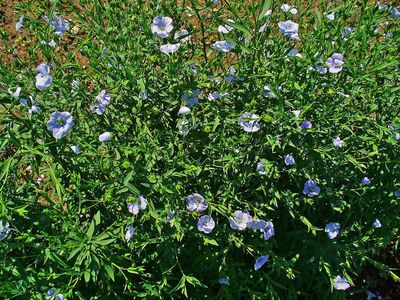 flaxLinum usitatissimum
 TragacanthAstragalus verus
 OrangeOrange
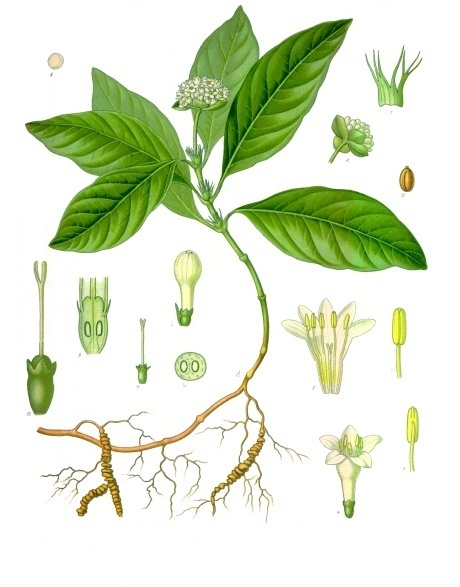 IpecacCarapichea ipecacuanha
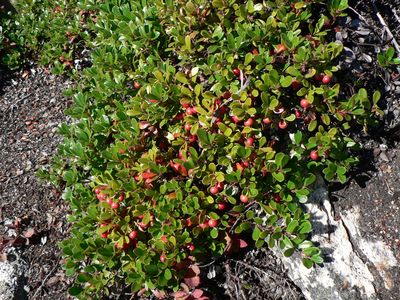 BearberryArctostaphylos uva-ursi
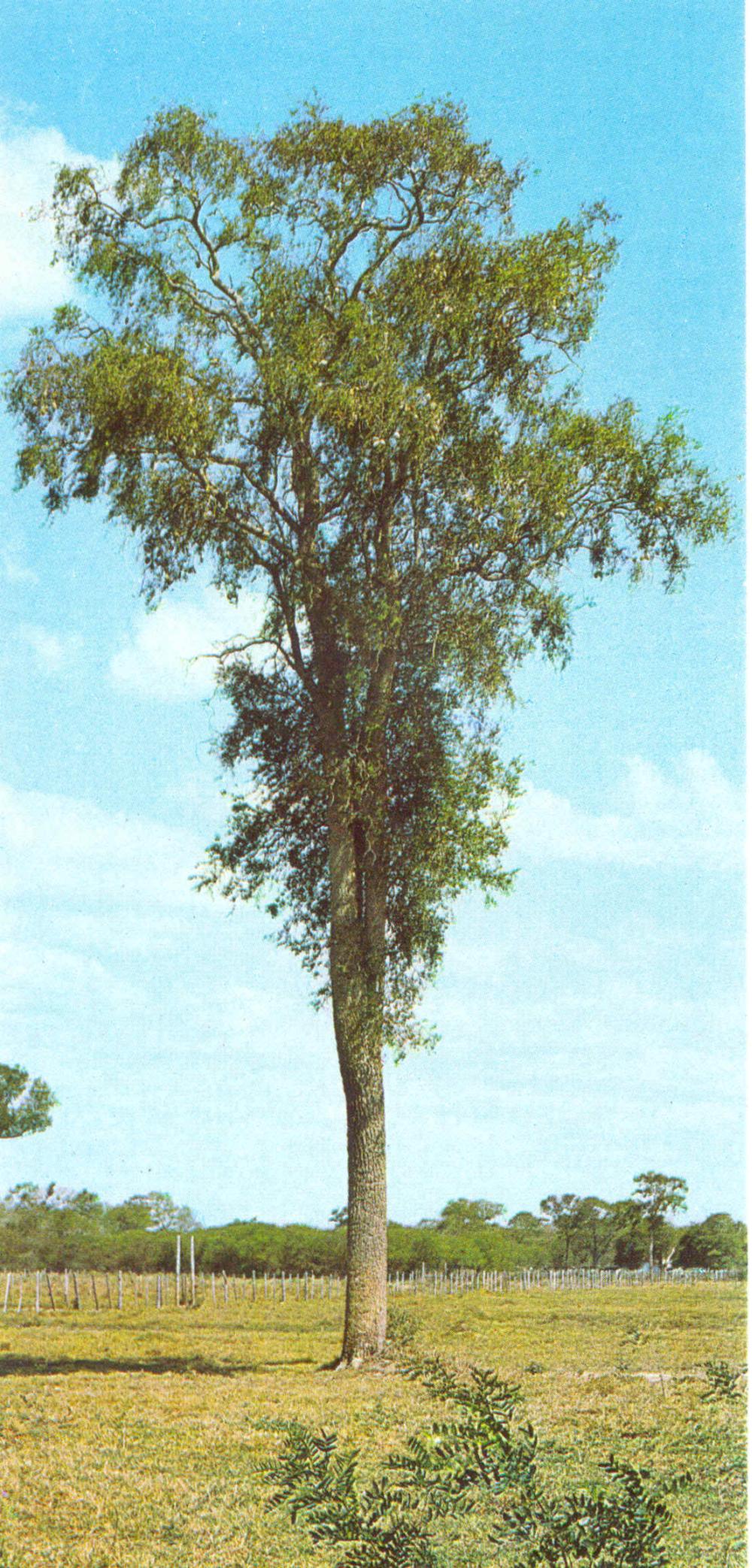 White quebrachoAspidosperma quebracho-blanco
Nearby on the shelf
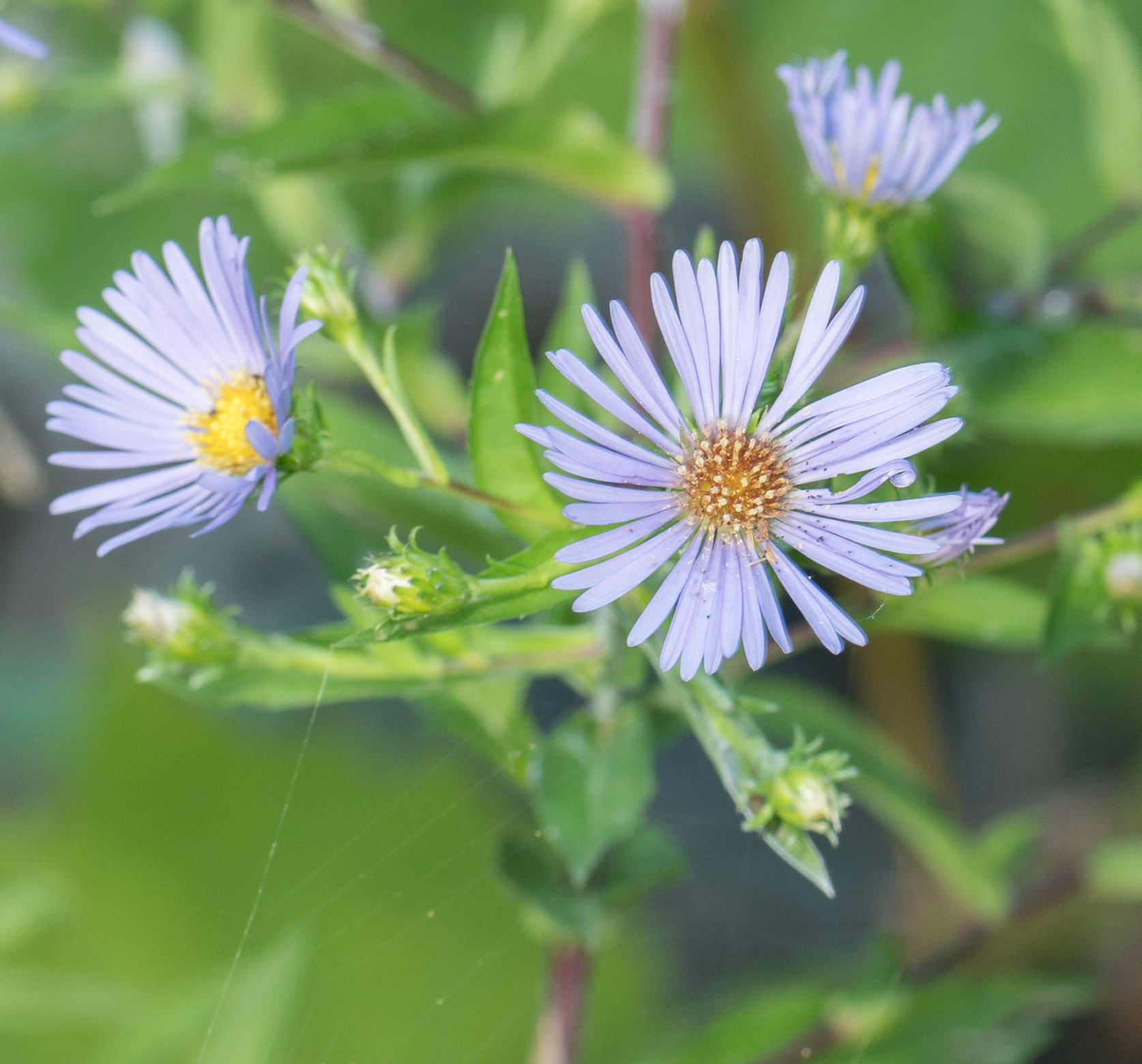 Red-stalked asterAster Puniceus
 Reed RootPhragmites australis
 RehmanniaRehmannia glutinosa
 ReishiGanoderma lucidum
 Rhus GlabraRhus Glabra
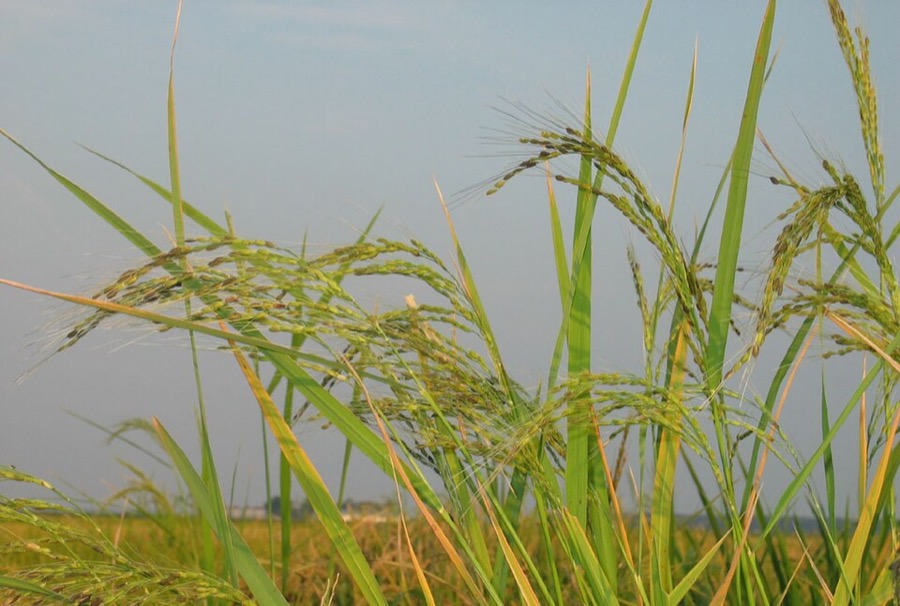 RiceOryza
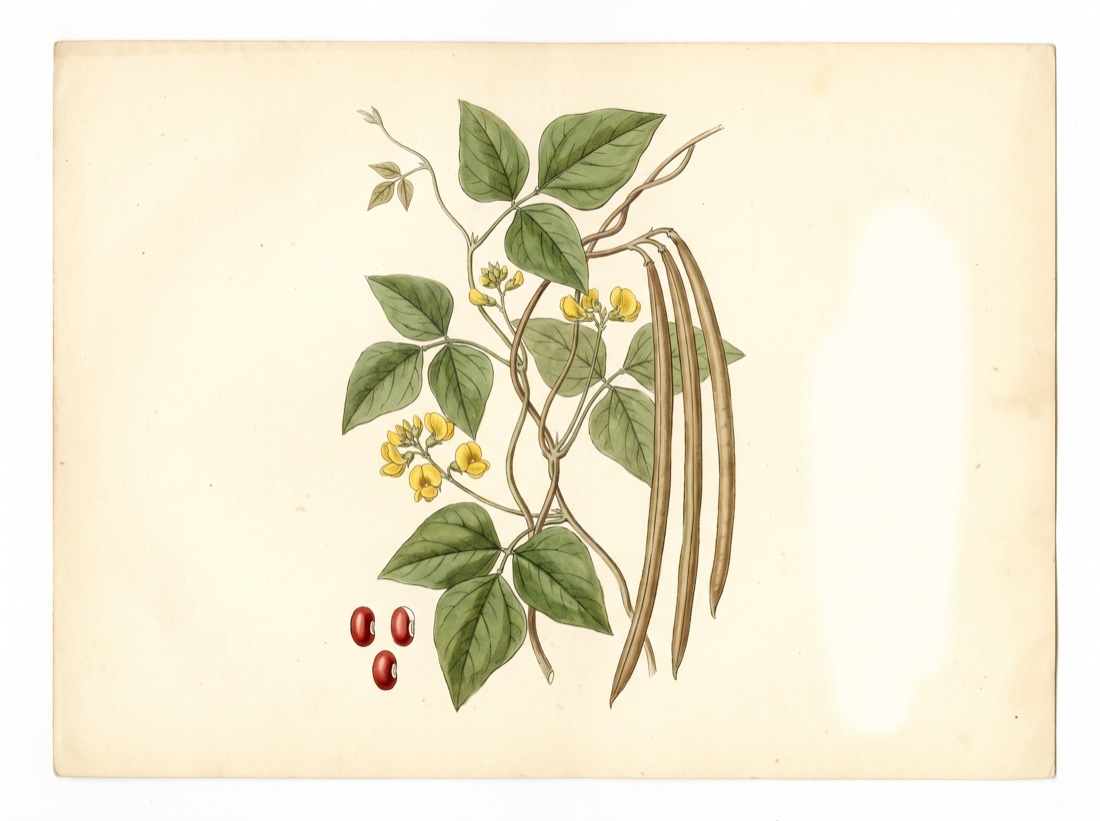 Rice beanVigna umbellata
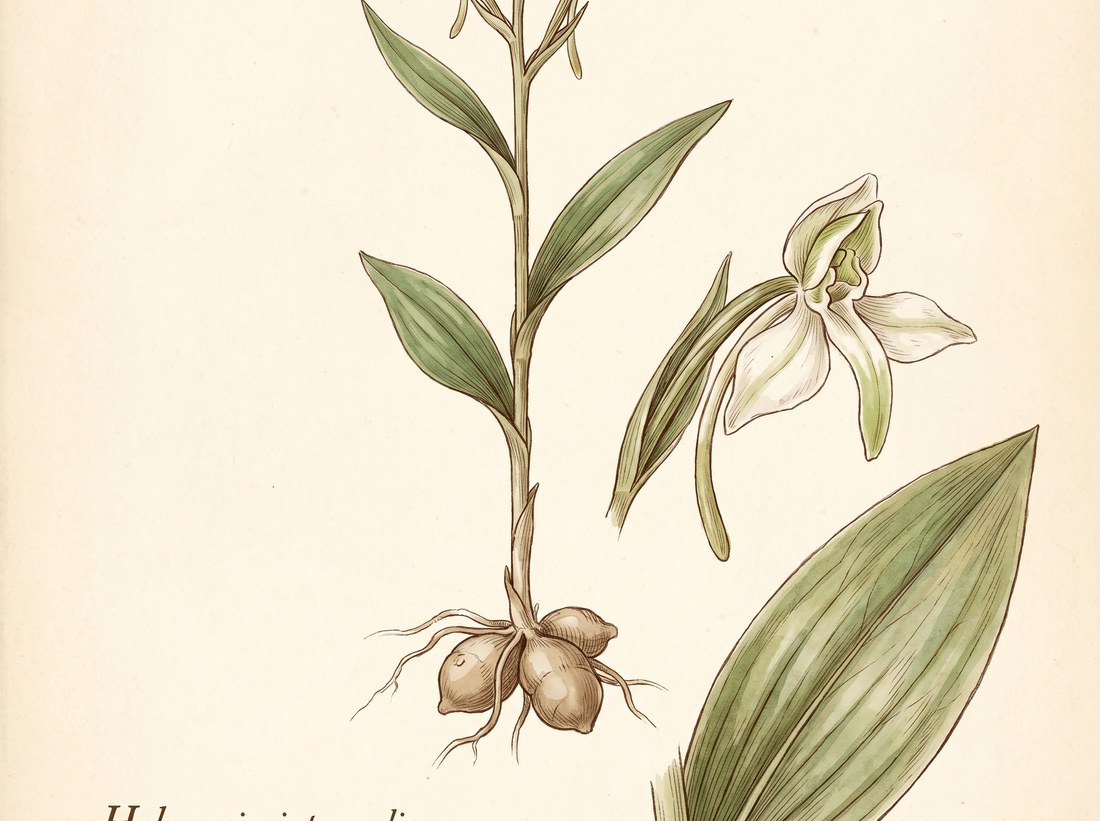 Riddhi orchidHabenaria intermedia
The whole plate is in the library. The compass, Compare, the Sky of eleven hundred plants and the formulary open with an email address and a password, free, with the formula builder and its safety engine. Herbert without limit, his formulating, clients, the handouts and the labels are the paid room.
Open the library, free