Western Herbalism
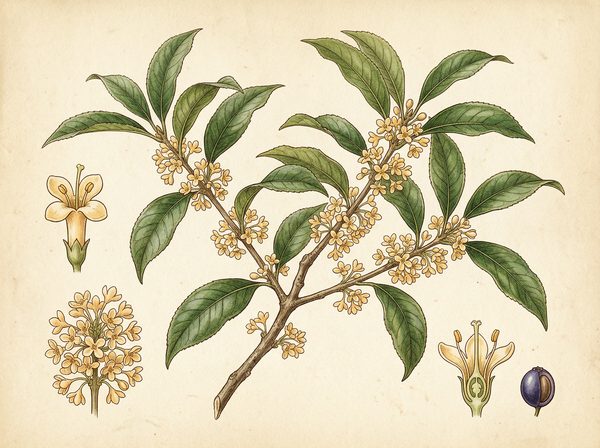
Osmanthus
Osmanthus fragrans
Also known as Sweet osmanthus, Gui Hua.
Primarily flowers used in TCM as Gui Hua for respiratory and digestive issues roots/bark for pain/rheumatism per Compendium of Materia Medica modern research supports antioxidant/anti-inflammatory effects mainly from flowers limited human clinical trials traditionally considered nonpoisonous

Ask Herbert about Osmanthus. Herbert is the master herbalist inside Bountiful Herbs: he answers from this plate and eleven hundred others, with dosing, pairing and cautions. Your first ten questions are free.
Ask HerbertActions
Indications what the tradition reached for it in
- Panting
- Sprain
- Rheumatism
- Cold-phlegm
- Arthritis
- Stomachache
- Asthma
- Palpitations
- Bad breath/halitosis
- Toothache
- Nausea
- Anxiety
- Cough
- Dysmenorrhea
- Gastric ulcer
- Amnesia
- Insomnia
- Amenorrhea
- Lumbago
- Diarrhea
- Liver qi stagnation
- Gastritis
- Abdominal pain/cramps
- Dysentery
- Hepatitis
- Vision problems
- Bone pain
- Indigestion
- Abdominal distension
- Bloating
Safety
The record lists 1 contraindication; open the plate in the library to read them in full.
Dosing as the sources wrote it
| Preparation | As written | Metric |
|---|---|---|
| Osmanthus wine/tincture | Osmanthus wine/tincture (60g flowers soaked in 500ml spirit for 15 days | 60000-60000 mg |
| 30ml twice daily) | 30-30 mL | |
| Ethanol extract | Ethanol extract (research doses 100-1000mg/kg in mice | 100-1000 mg |
| Dried flower infusion/tea (1-2g per cup, steep 5-10 min) | ||
| Powder (0.5-1g) |
Doses are reproduced from the sources for practitioners and are not a recommendation for any person.
From the sources
Clinical Notes. Primarily flowers used in TCM as Gui Hua for respiratory and digestive issues roots/bark for pain/rheumatism per Compendium of Materia Medica modern research supports antioxidant/anti-inflammatory effects mainly from flowers limited human clinical trials traditionally considered nonpoisonous
primary-actions. Osmanthus acts primarily as: Expectorant, Anti-inflammatory, Antioxidant, Carminative, Analgesic. Secondary actions include Neuroprotective, Antineoplastic, Tonic, Antimicrobial, Hepatoprotective.
indications. Osmanthus is traditionally indicated for: Panting, Sprain, Rheumatism, Cold-phlegm, Arthritis, Stomachache, Asthma, Palpitations, Bad breath/halitosis, Toothache, Nausea, Anxiety, Cough, Dysmenorrhea, Gastric ulcer, and 34 further conditions.
constituents. Notable constituents of Osmanthus include: Flavonoids (luteolin, diosmetin, astilbin, naringenin, rutin), Terpenoids (geraniol, eugenol, β-ionone, oleanolic acid, loganic acid), Phenolic acids (tyrosol, rosmarinic acid, salicylic acid.
Nearby on the shelf
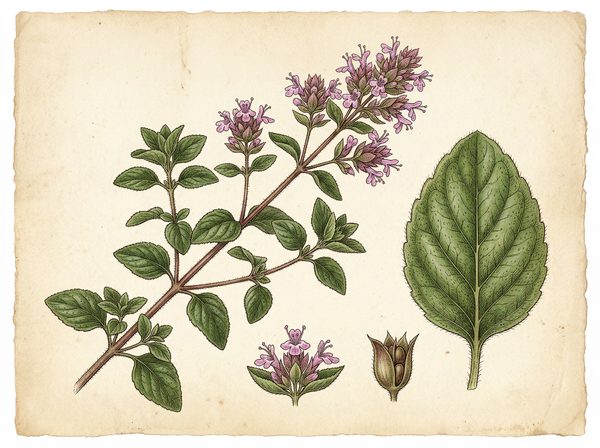 OreganoOriganum vulgare
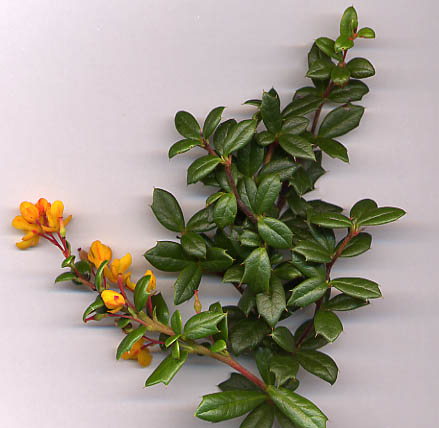 Oregon grapeBerberis aquifolium
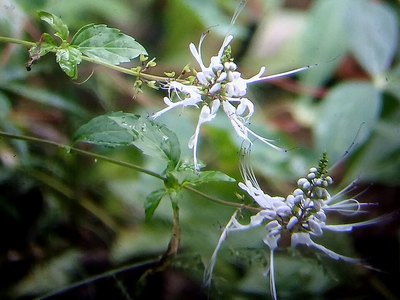 Orthosiphon aristatus var. aristatusOrthosiphon aristatus var. aristatus
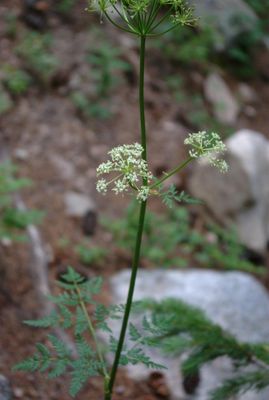 OshaLigusticum porteri
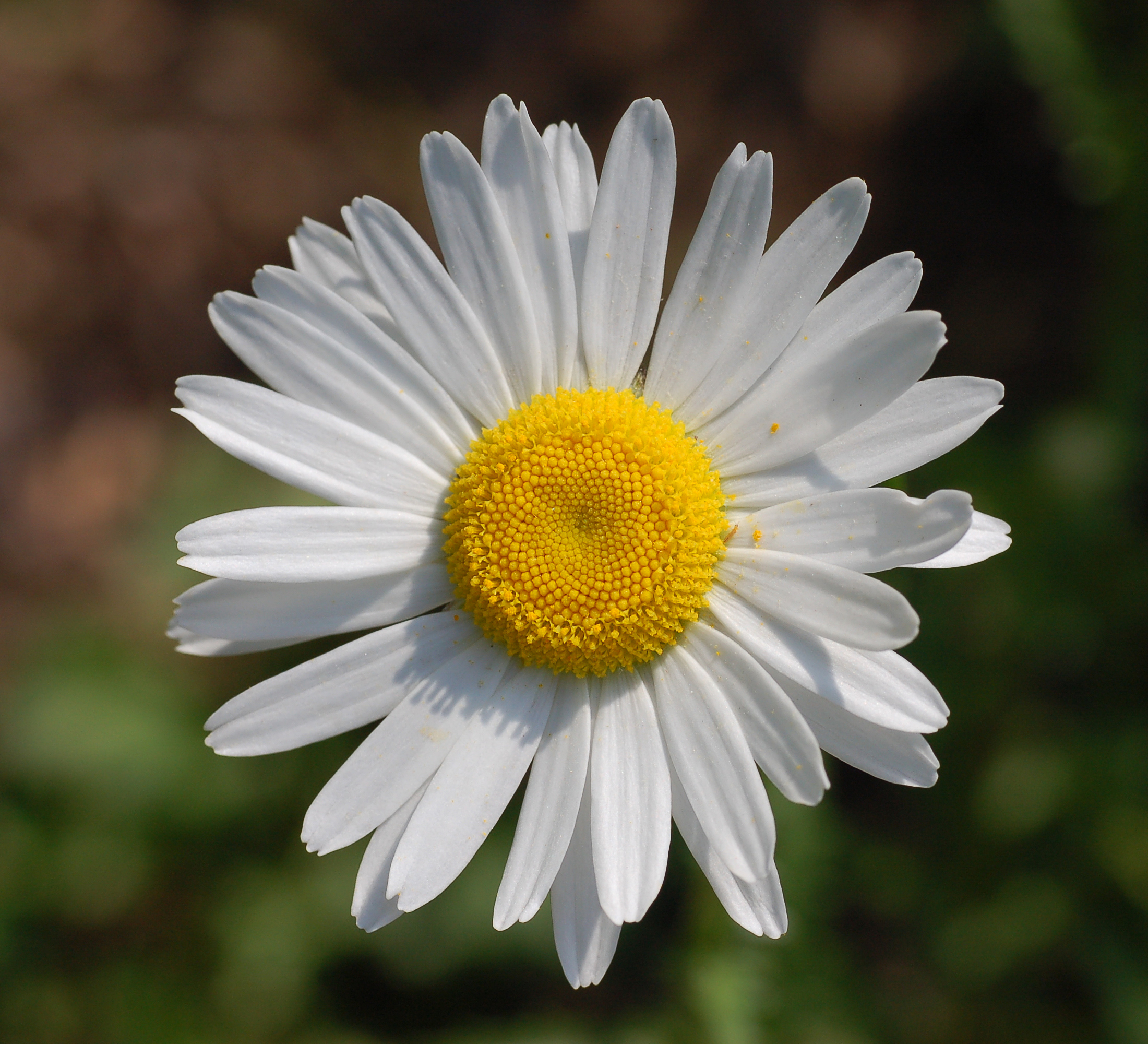 Ox-eye daisyChrysanthemum leucanthemum
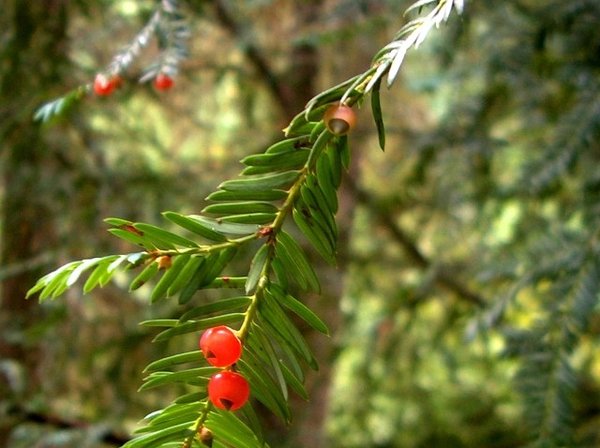 Pacific YewTaxus brevifolia
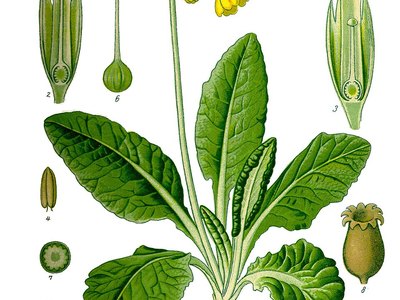 PaiglePrimula veris
The whole plate is in the library. The compass, Compare, the Sky of eleven hundred plants and the formulary open with an email address and a password, free, with the formula builder and its safety engine. Herbert without limit, his formulating, clients, the handouts and the labels are the paid room.
Open the library, free