Chinese and Ayurvedic herbalism
Mugwort
Artemisia vulgaris
Also known as Common mugwort, Indian wormwood, felon herb, St. John's plant, ài yè, kuí hāo, Nagadamani.
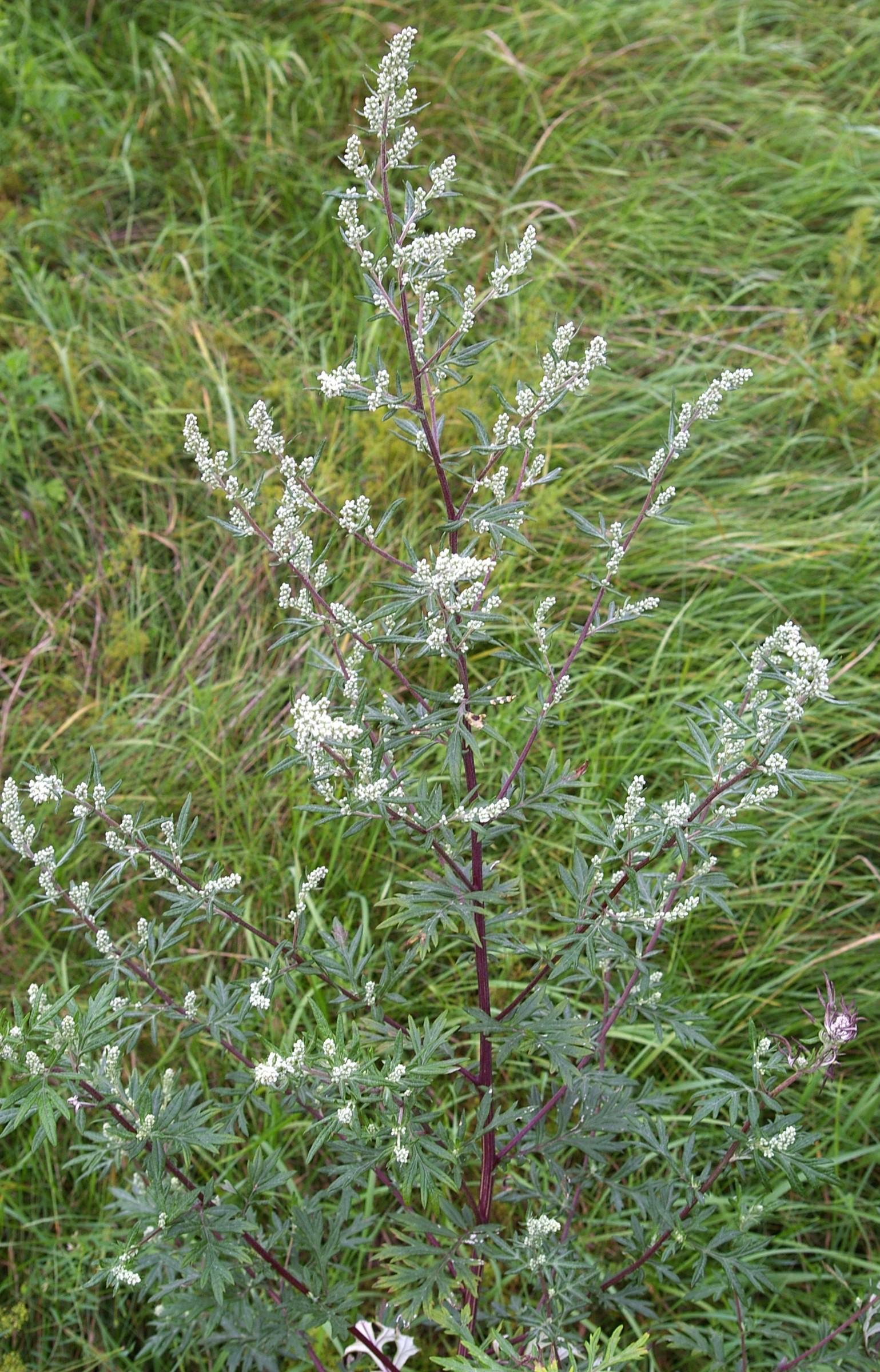
Artemisia vulgaris is a tall aromatic perennial of the daisy family with deeply lobed leaves that are dark green above and silvery beneath, common across Europe, temperate Asia and the Himalaya, where it grows along roadsides and field edges from Kashmir through Nepal and into the hills of northeastern and southern India. Indian populations were long treated as a variety of this species and are now often separated as Artemisia nilagirica, but both are used interchangeably as Nagadamani or Damanaka. In Ayurveda it is a warming bitter aromatic for worms, fever, menstrual delay and itching skin, and it is burned as a fumigant to purify rooms and drive off insects.

Ask Herbert about Mugwort. Herbert is the master herbalist inside Bountiful Herbs: he answers from this plate and eleven hundred others, with dosing, pairing and cautions. Your first ten questions are free.
Ask HerbertActions
Indications what the tradition reached for it in
- Hemorrhage
- Gout
- Mild depression
- Loss of appetite
- Colic
- Leprosy
- Flatulence
- Irregular menses
- Heavy bleeding
- Hyperlipidemia
- Dysuria
- Bacterial infections
- Malaria
- Epilepsy
- Abdominal cramps
- Helminthiasis
- Nausea
- Obesity
- Fungal infections
- Stress
- Anxiety
- Ulcers
- Hypertension
- Gas
- Dysmenorrhea
- Leg fatigue
- Oxidative stress
- Insomnia
- PMS
- Amenorrhea
Safety
Low dose botanical. Used in drop doses in the classical practice; not a plant to dose freely.
Pregnancy: Not for use in pregnancy
Breastfeeding: Avoid medicinal doses while nursing because thujone and bitter principles pass into milk and may reduce its acceptance; no formal data exist.
The record lists 3 contraindications; open the plate in the library to read them in full.
In Ayurveda
Rasa: tikta (bitter), katu (pungent). Virya: ushna (heating). Vipaka: katu (pungent). Guna: laghu (light), ruksha (dry), tikshna (sharp). Dosha: pacifies kapha and vata; aggravates pitta in excess. Karma: krimighna (anthelmintic); artavajanana (promotes menstruation); deepana (kindles digestion); pachana (digestive); jvaraghna (relieves fever); kaphahara (reduces kapha); vishaghna (counters poison); kandughna (relieves itching); vedanasthapana (relieves pain); grahabadhahara (protective against unseen afflictions, the smoke). Classical indications: krimi (intestinal worms); artavakshaya (scanty or absent menses); kashtartava (painful menstruation); jvara (fever); vishama jvara (intermittent fever); kandu (itching); kushtha (skin diseases); shula (colic); apasmara (epilepsy, traditional); shirahshula (headache); shvasa and kasa (dyspnea and cough). The leaves and flowering tops are used as fresh juice with honey for worms and fever, as a decoction or infusion for menstrual and digestive complaints, as a paste or wash for itching skin, and burned as a fumigant. The root is used as a tonic and antispasmodic in the Himalayan tradition. It is dispensed chiefly as a single herb or in regional compounds. Classical formulations: Nagadamani swarasa with madhu, Damanaka patra kwatha, Nagadamani lepa (topical paste), Damanaka dhupa (fumigation), Regional compound powders for krimi. Described in: Bhavaprakasha Nighantu, Raja Nighantu, Dhanvantari Nighantu, Kaiyadeva Nighantu.
Dosing as the sources wrote it
| Preparation | As written | Metric |
|---|---|---|
| Tea: 1-2 tsp (1.2-2g) dried herb in 150-250mL boiling water, steep 5-15 min covered, 1-3x/day | 1-250 mL | |
| Tincture: 1:5 in 25-40% ethanol, 2-4 mL (0.4-0.8mL) 3x/day | 4-25 mL | |
| Infusion/decoction: 0.5-2g dried herb daily | 500-2000 mg | |
| Swarasa | 5-10 mL fresh leaf juice with honey once daily on an empty stomach | 5-10 mL |
| Kwatha | 30-60 mL leaf decoction twice daily | 30-60 mL |
| Churna | 1-3 g powdered leaf twice daily with warm water | 1000-3000 mg |
Doses are reproduced from the sources for practitioners and are not a recommendation for any person.
From the sources
Overview. Artemisia vulgaris is a tall aromatic perennial of the daisy family with deeply lobed leaves that are dark green above and silvery beneath, common across Europe, temperate Asia and the Himalaya, where it grows along roadsides and field edges from Kashmir through Nepal and into the hills of northeastern and southern India. Indian populations were long treated as a variety of this species and are now often separated as Artemisia nilagirica, but both are used interchangeably as Nagadamani or Damanaka. In Ayurveda it is a warming bitter aromatic for worms, fever, menstrual delay and itching skin, and it is burned as a fumigant to purify rooms and drive off insects.
Clinical Notes. High phytochemical variability by region Used in moxibustion (TCM) to warm channels and dispel cold Strong pollen allergen Historical epithet 'mother of herbs' Not in current pharmacopoeias as medicinal but homeopathic raw material
Clinical Notes. The Ayurvedic and Himalayan folk use of Nagadamani centers on three things: worms, women's complaints and fever. The fresh leaf juice with honey is the traditional vermifuge, given on an empty stomach for a few mornings and followed by a mild purge.
primary-actions. Mugwort acts primarily as: Emmenagogue, Bitter tonic, Carminative, Antispasmodic, Nervine, Cholagogue, Anthelmintic. Secondary actions include Antioxidant, Antibacterial, Antifungal, Hepatoprotective, Analgesic, Estrogenic.
In formulas
Mugwort stands in 3 documented formulas in the library, among them Mṛtasaṅjīvanī Surā, Dādhika Ghṛta, Bṛhat Guḍūcī Taila.
Often paired with
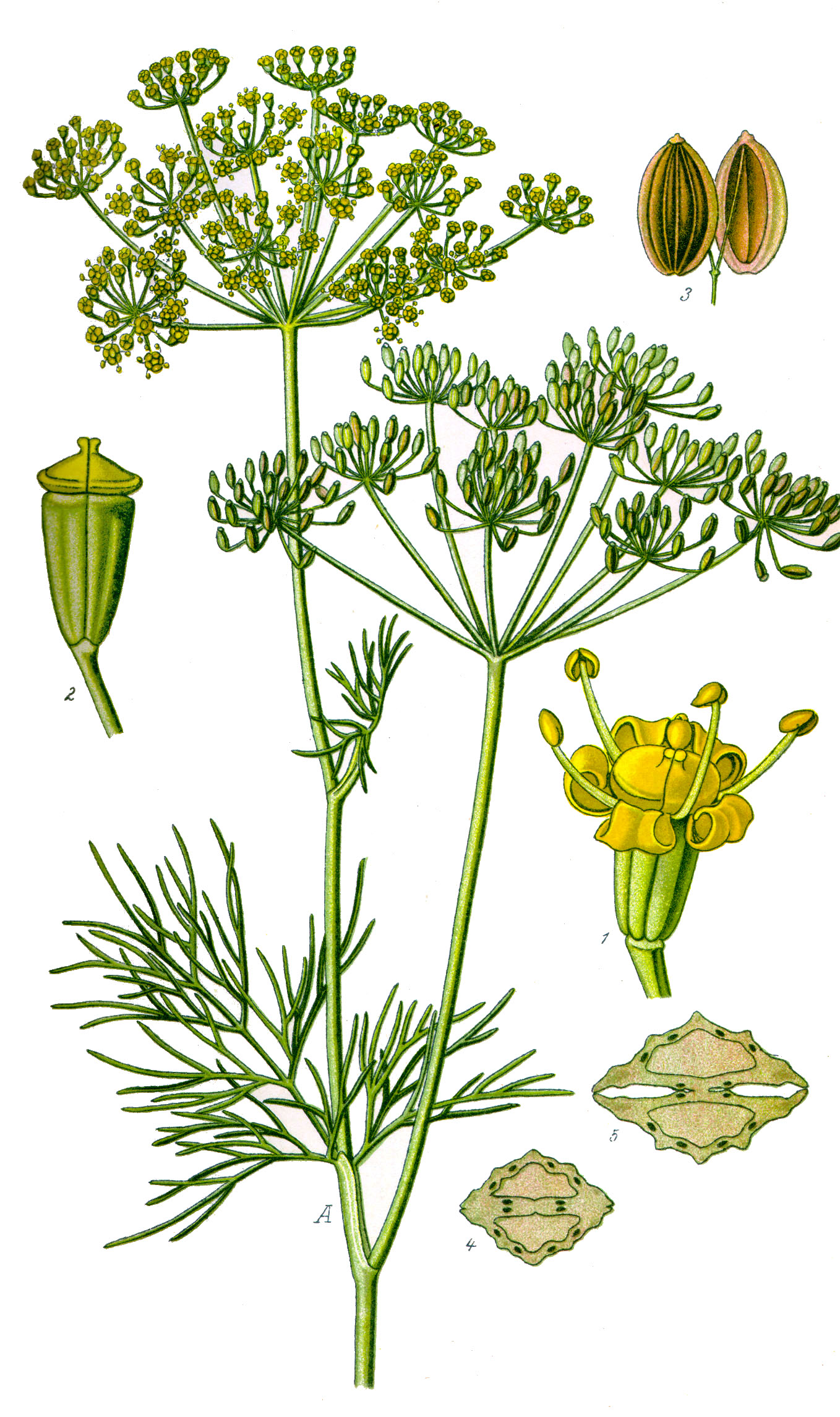 dillAnethum graveolens
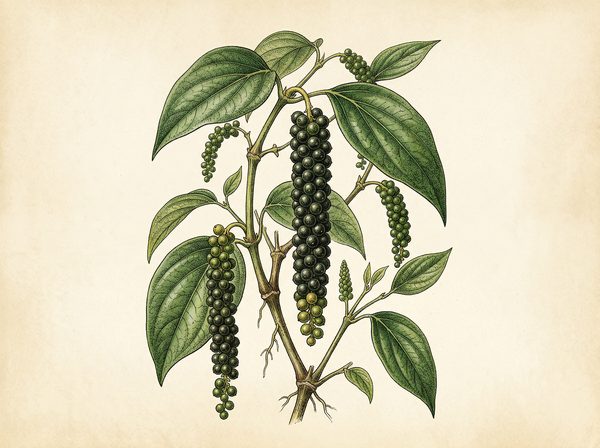 black pepperPiper nigrum
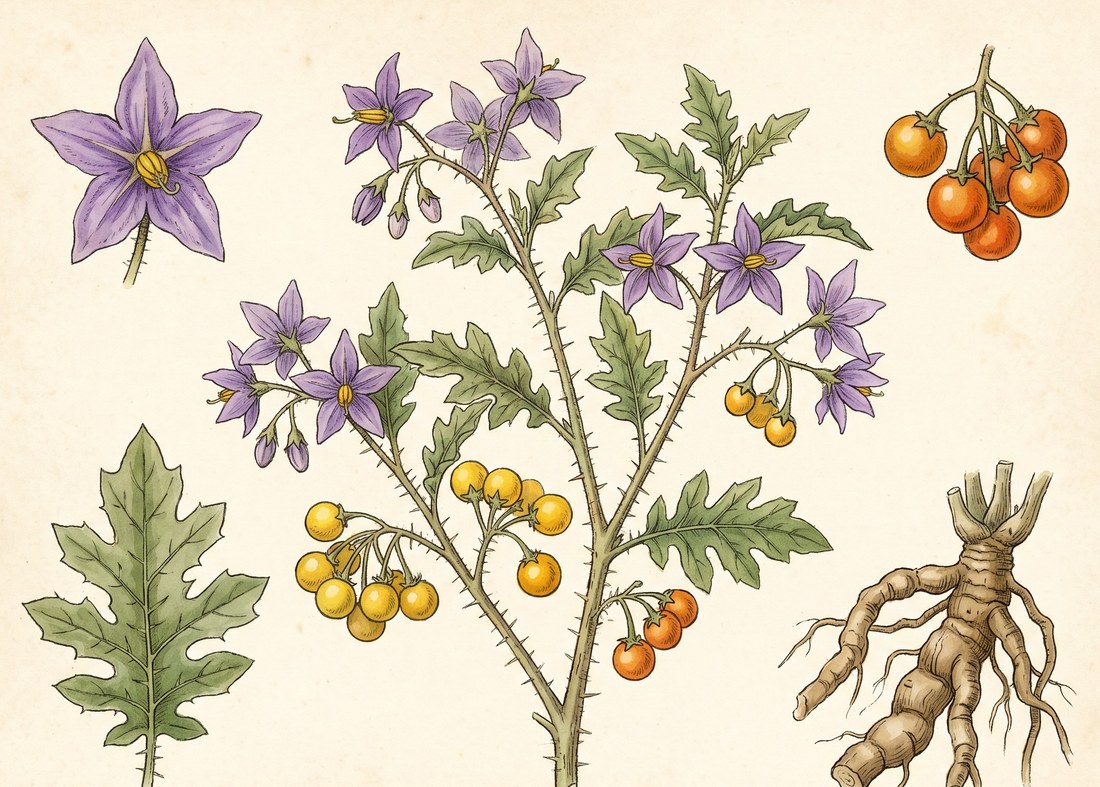 Indian nightshadeSolanum indicum
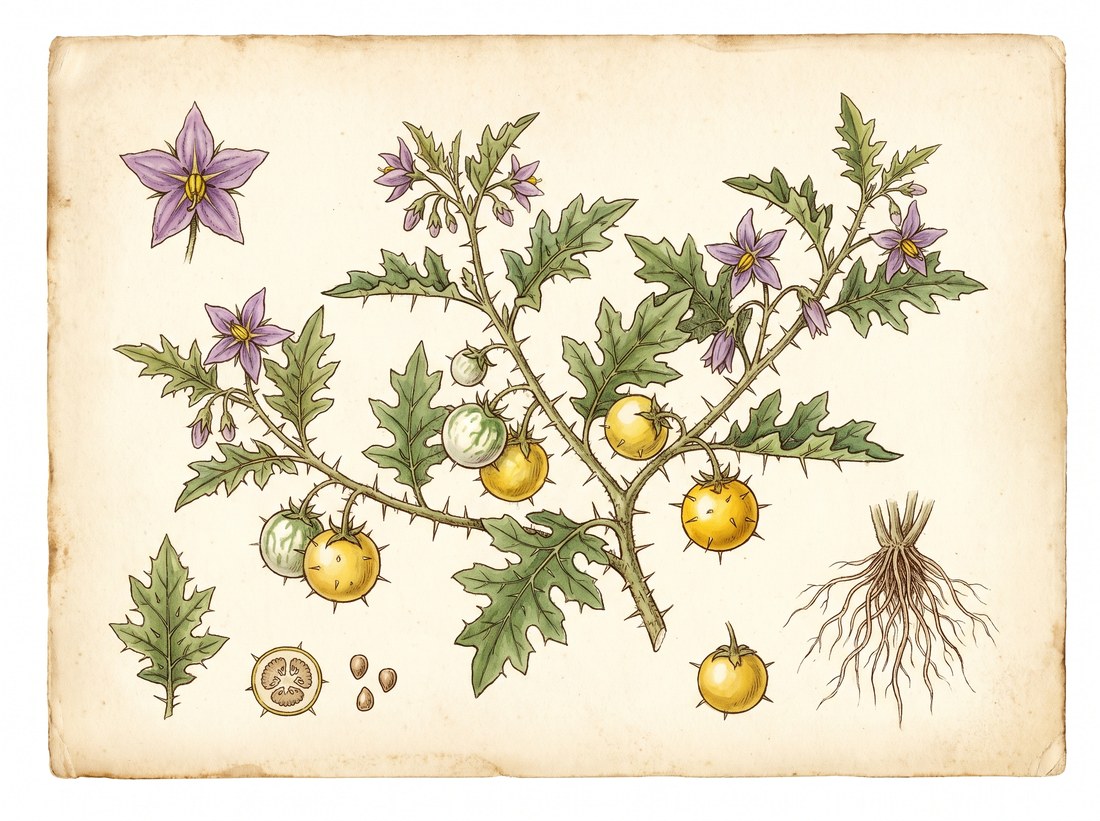 yellow-berried nightshadeSolanum xanthocarpum
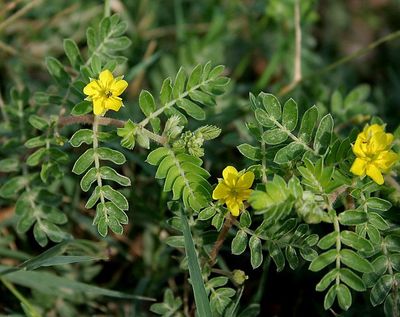 puncture vineTribulus terrestris
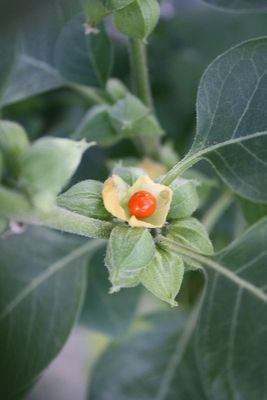 ashwagandhaWithania somnifera
Nearby on the shelf
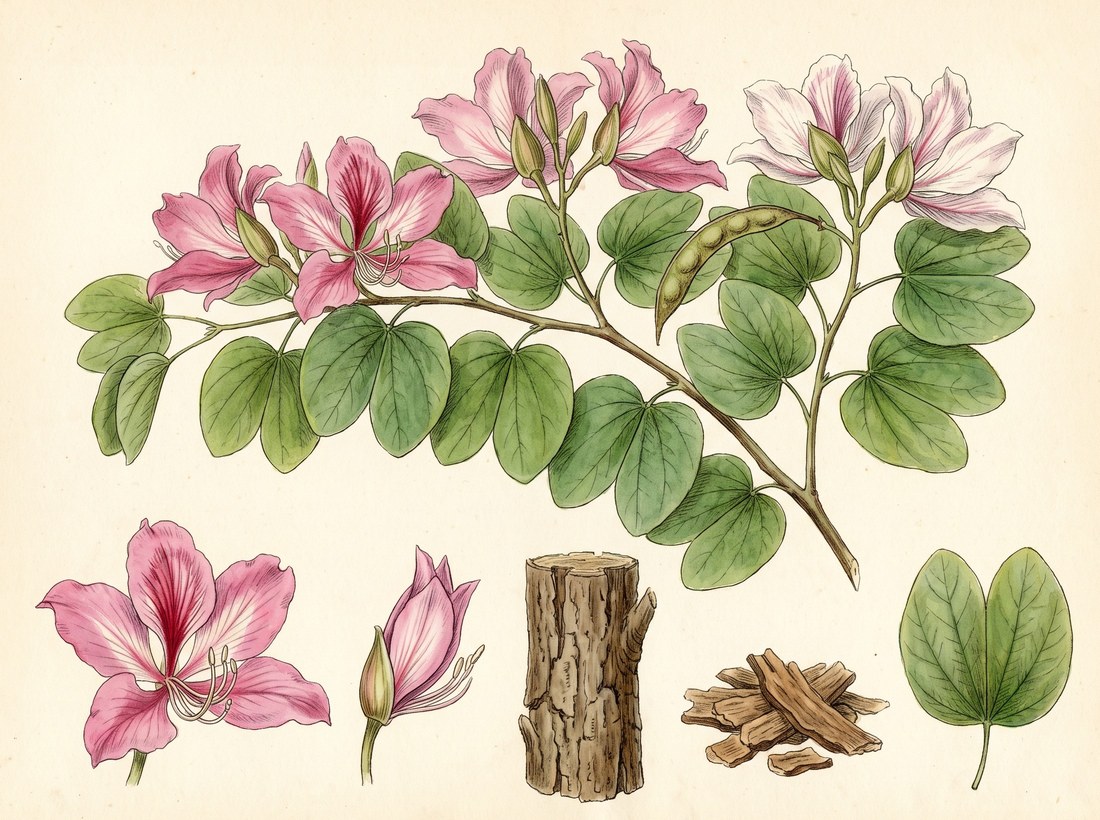 Mountain ebonyBauhinia variegata
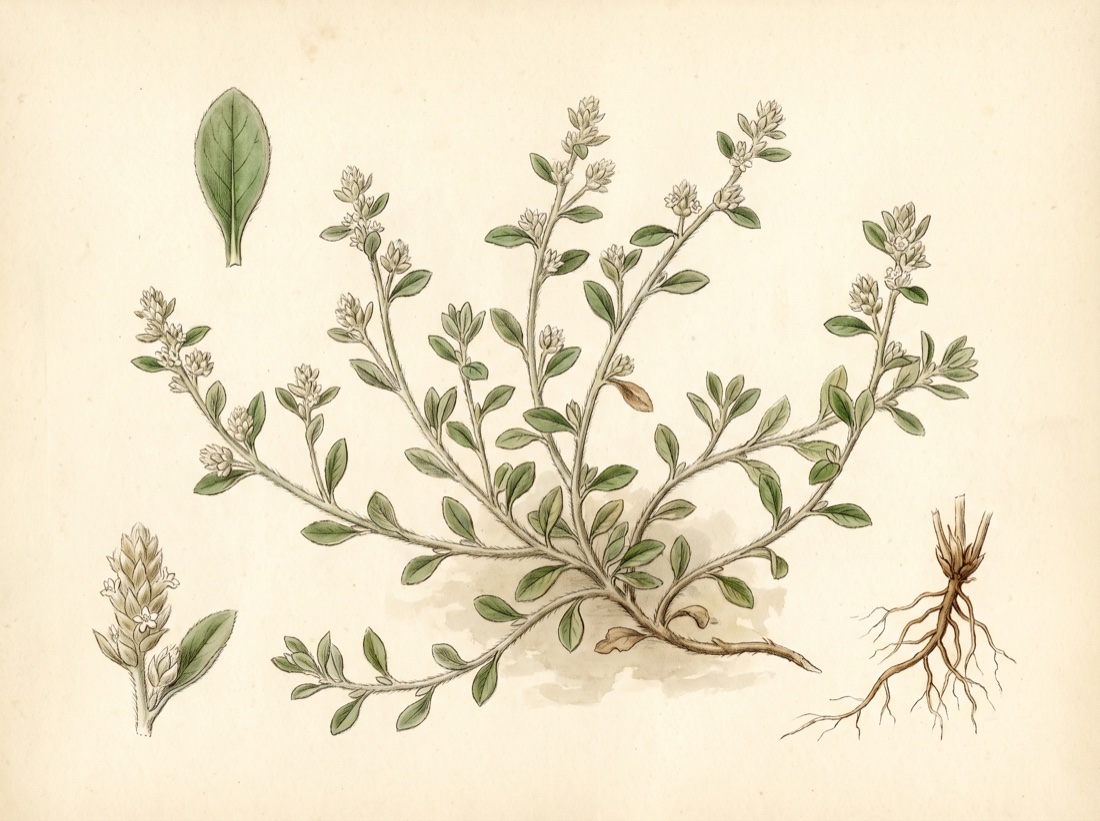 Mountain knotgrassAerva lanata
 Mountain LaurelKalmia latifolia
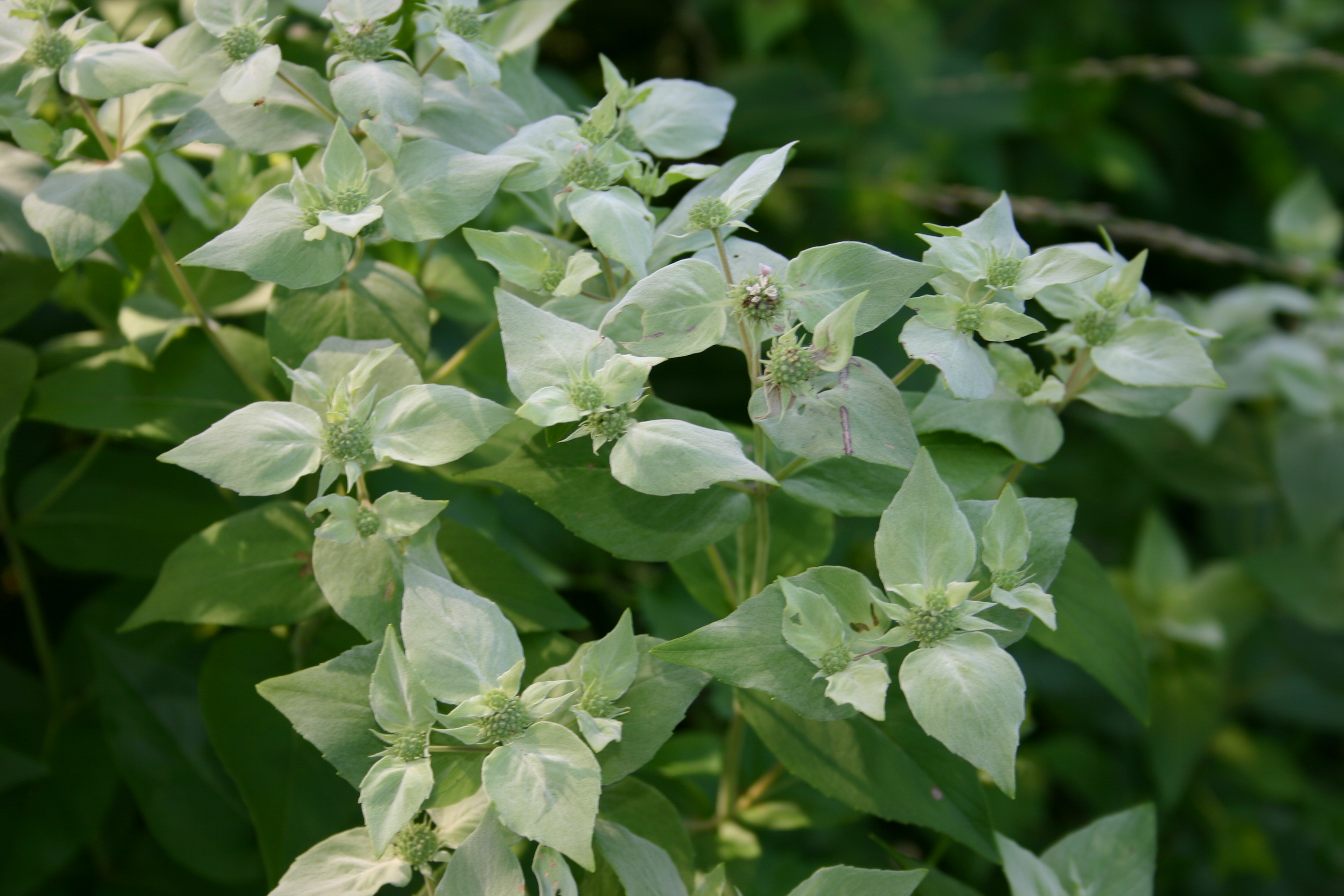 Mountain mintPycnanthemum
 Muira PuamaPtychopetalum olacoides
 Mulberry LeafMorus alba
 MulleinVerbascum thapsus
 Mung beanVigna radiata
The whole plate is in the library. The compass, Compare, the Sky of eleven hundred plants and the formulary open with an email address and a password, free, with the formula builder and its safety engine. Herbert without limit, his formulating, clients, the handouts and the labels are the paid room.
Open the library, free