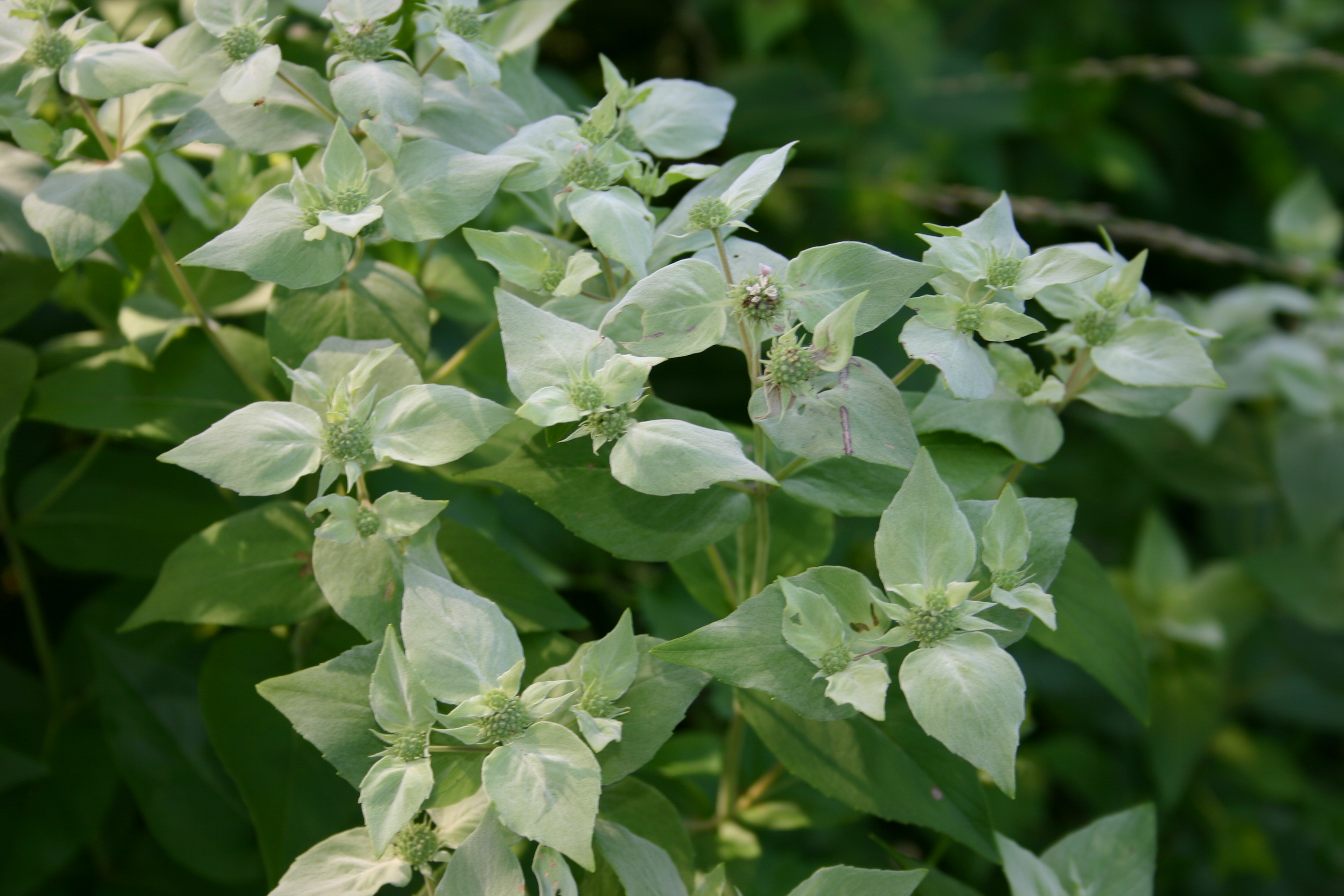
Western Herbalism
Mountain mint
Pycnanthemum
Also known as Wild basil, Pycnanthemum, Virginia mountain mint, Basil.
Pycnanthemum is a North American genus of aromatic mints, commonly called mountain mints, native to meadows and open woodlands across the eastern and central United States. Species such as Pycnanthemum virginianum were used by Eclectic physicians of the nineteenth century much as European pennyroyal and catmint were used, as a domestic diaphoretic and carminative tea for feverish colds and digestive upset. The flowering aerial parts, rich in aromatic oil, are the part employed, usually as a simple hot infusion.

Ask Herbert about Mountain mint. Herbert is the master herbalist inside Bountiful Herbs: he answers from this plate and eleven hundred others, with dosing, pairing and cautions. Your first ten questions are free.
Ask HerbertActions
Indications what the tradition reached for it in
- Common cold with fever and chills
- Feverish conditions needing gentle diaphoresis
- Flatulent dyspepsia
- Intestinal colic
- Nausea
- Delayed or scanty menstruation
- Mild upper respiratory catarrh
- Tension headache associated with digestive upset
- General debility during convalescence from fever
Specific indications
Feverish cold with chilliness and a desire for a warming, sweat-inducing tea rather than a cooling one
Griping abdominal pain with wind that eases after a warm aromatic infusion
Safety
Low dose botanical. Used in drop doses in the classical practice; not a plant to dose freely.
Pregnancy: Avoid concentrated preparations in pregnancy as a precaution, since some Pycnanthemum species contain pulegone-related monoterpenes similar to those implicated in pennyroyal toxicity; the mild tea form has a long history of domestic use but data are lacking.
The record lists 3 contraindications; open the plate in the library to read them in full.
In practice
Mountain mint tea earns its place as a gentle, pleasant-tasting diaphoretic for early feverish colds, particularly in patients who find yarrow or boneset too bitter or too strong. It is taken hot, in frequent small cups, to encourage a light sweat and to settle an uneasy stomach that often accompanies a feverish onset. Because its action is mild, it suits children and convalescents better than more stimulating diaphoretics. As a carminative it pairs naturally with chamomile or fennel for griping wind and colicky digestive upset, and its warming aromatic quality makes it a reasonable substitute in formulas that call for wild mint or pennyroyal when a gentler herb is wanted. Practitioners should keep in mind that the genus is large and variable in essential oil chemistry, so consistency of the tea depends on using a known, reliably identified species and a fresh, fragrant harvest.
Dosing as the sources wrote it
| Preparation | As written | Metric |
|---|---|---|
| Infusion | 1-2 g dried aerial parts as a hot tea, three to four times daily | 1000-2000 mg |
| Tincture (1:5, 45%) | 2-4 mL three times daily | 2-4 mL |
| infusion | Dose of the infusion, either warm or cold, from 1 to 4 fluid ounces, 3 or more times a day. | 29.57-118 mL |
Doses are reproduced from the sources for practitioners and are not a recommendation for any person.
From the sources
Overview. Pycnanthemum is a North American genus of aromatic mints, commonly called mountain mints, native to meadows and open woodlands across the eastern and central United States. Species such as Pycnanthemum virginianum were used by Eclectic physicians of the nineteenth century much as European pennyroyal and catmint were used, as a domestic diaphoretic and carminative tea for feverish colds and digestive upset. The flowering aerial parts, rich in aromatic oil, are the part employed, usually as a simple hot infusion.
Clinical Notes. Mountain mint tea earns its place as a gentle, pleasant-tasting diaphoretic for early feverish colds, particularly in patients who find yarrow or boneset too bitter or too strong. It is taken hot, in frequent small cups, to encourage a light sweat and to settle an uneasy stomach that often accompanies a feverish onset.
Drawn from King's American Dispensatory, 18th edition (Felter and Lloyd), and the Bountiful Herbs editorial.
In formulas
Mountain mint stands in 1 documented formula in the library, among them Adrenal Restoration Formula.
Often paired with
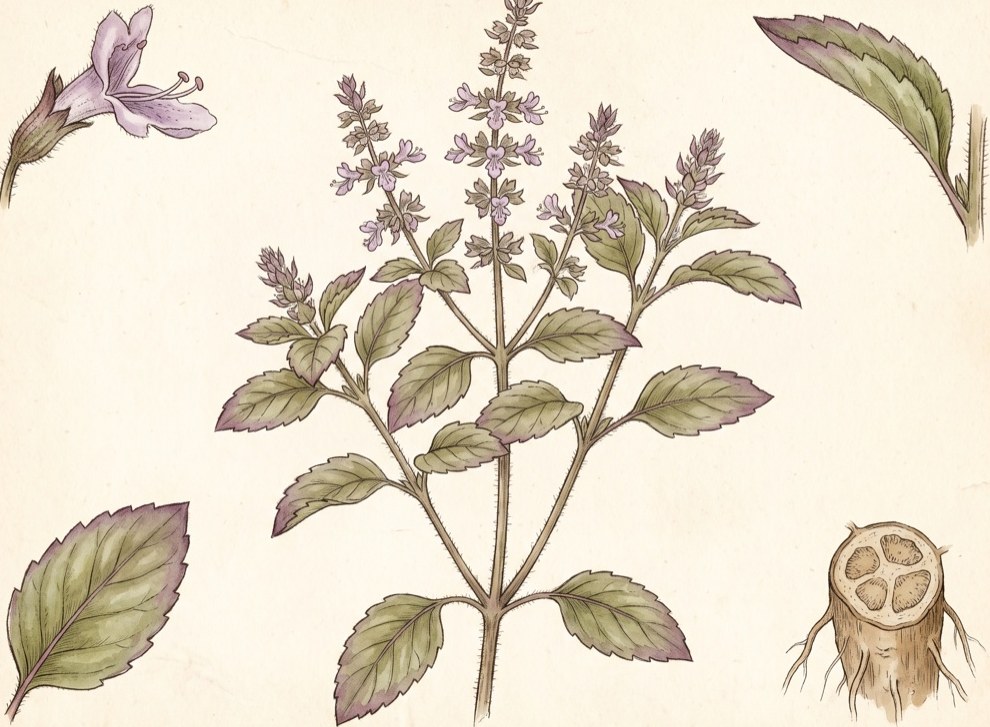 holy basilOcimum tenuiflorum
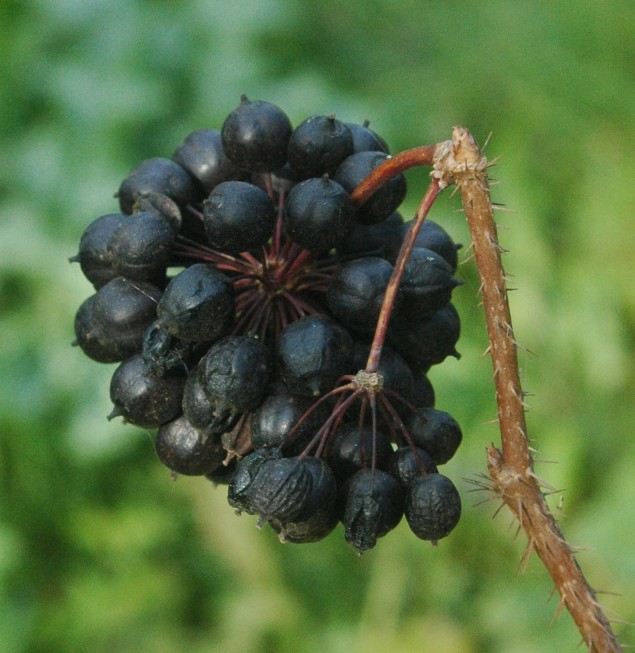 EleutheroEleutherococcus senticosus
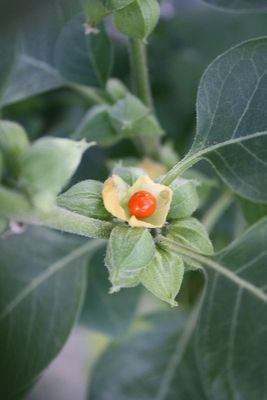 ashwagandhaWithania somnifera
 Licorice rootGlycyrrhiza glabra
Nearby on the shelf
 Mountain AshSorbus
 Mountain ebonyBauhinia variegata
 Mountain knotgrassAerva lanata
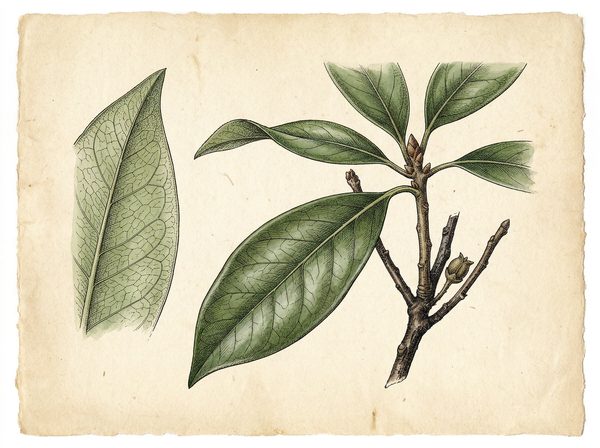 Mountain LaurelKalmia latifolia
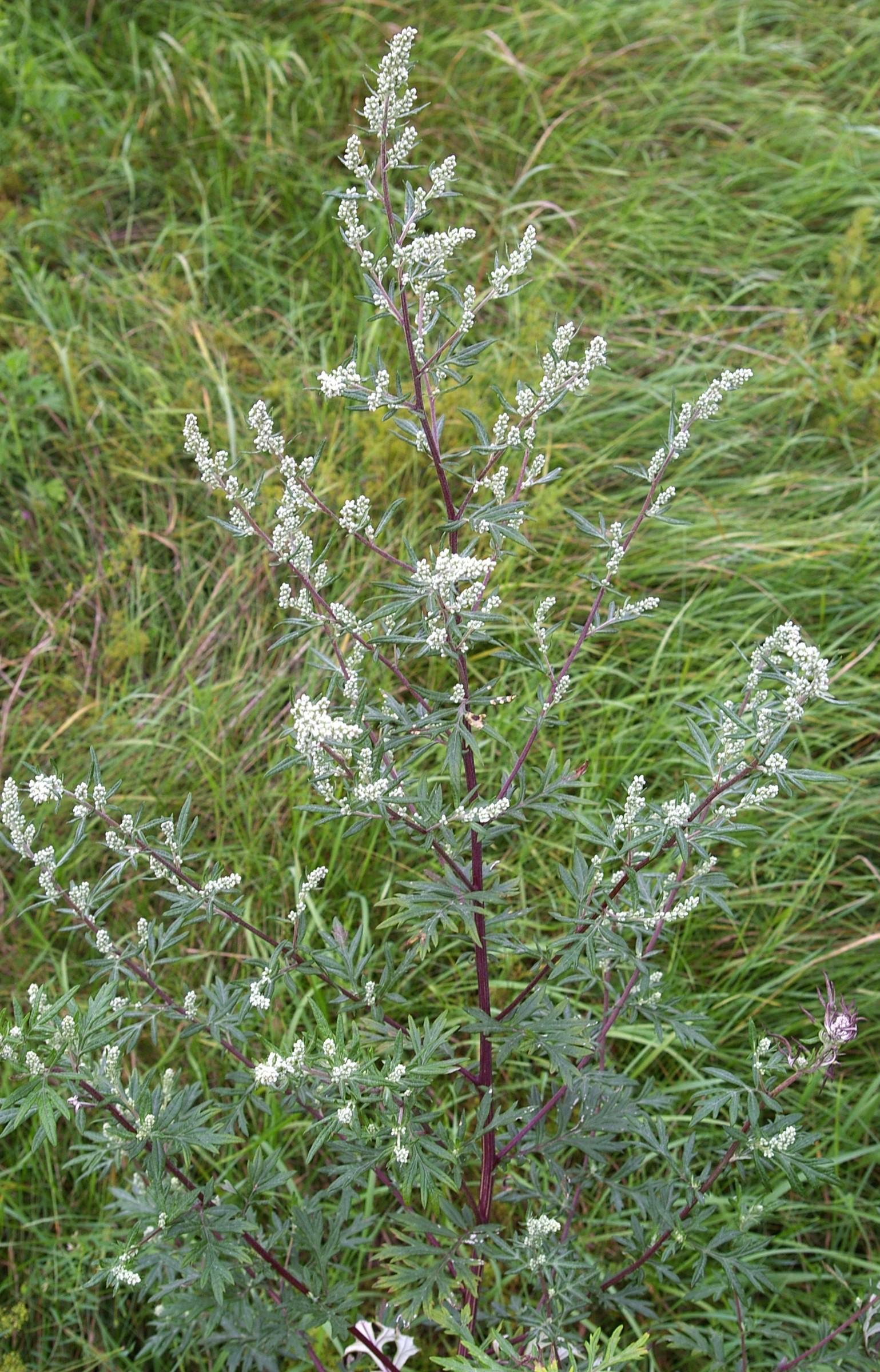 MugwortArtemisia vulgaris
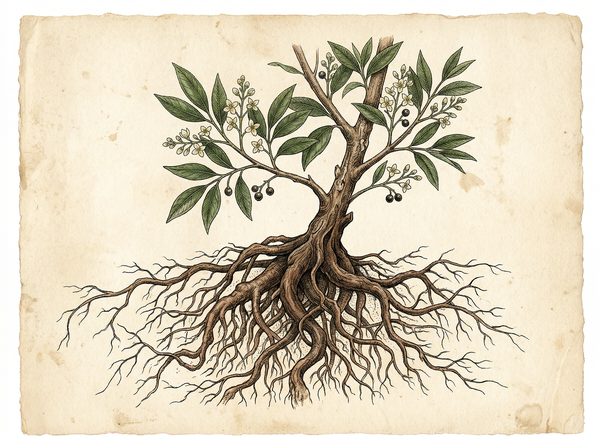 Muira PuamaPtychopetalum olacoides
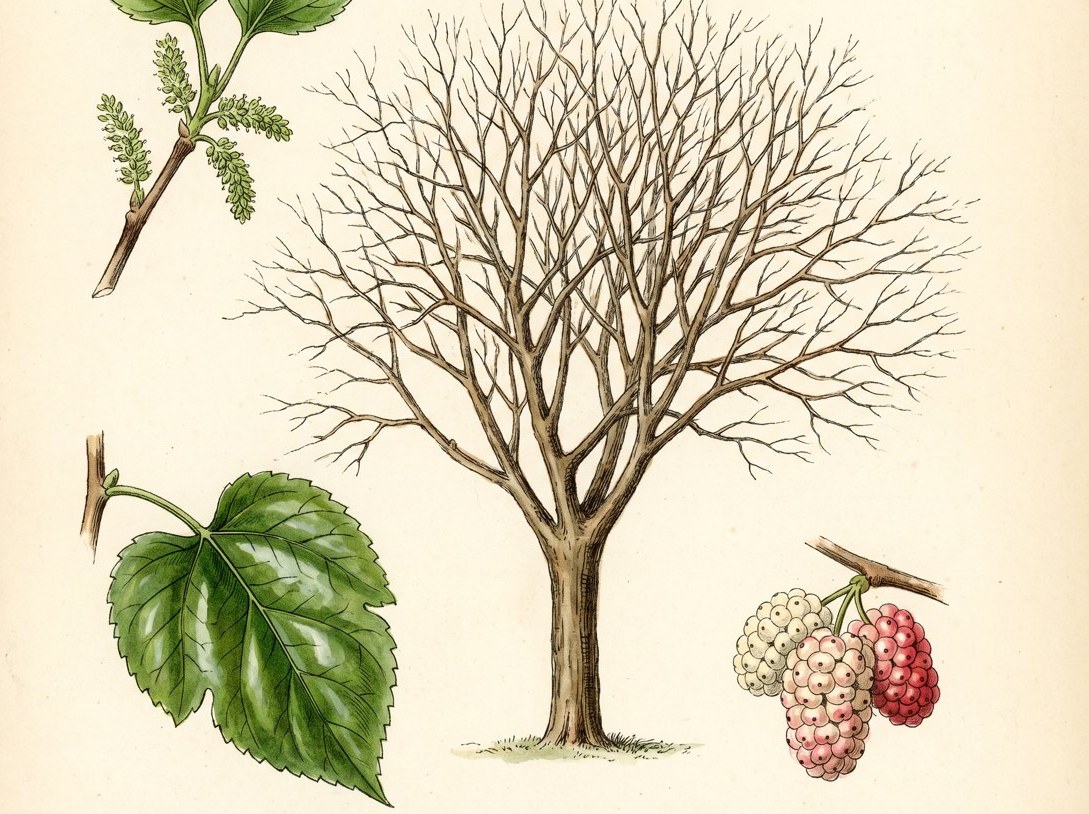 Mulberry LeafMorus alba
 MulleinVerbascum thapsus
The whole plate is in the library. The compass, Compare, the Sky of eleven hundred plants and the formulary open with an email address and a password, free, with the formula builder and its safety engine. Herbert without limit, his formulating, clients, the handouts and the labels are the paid room.
Open the library, free