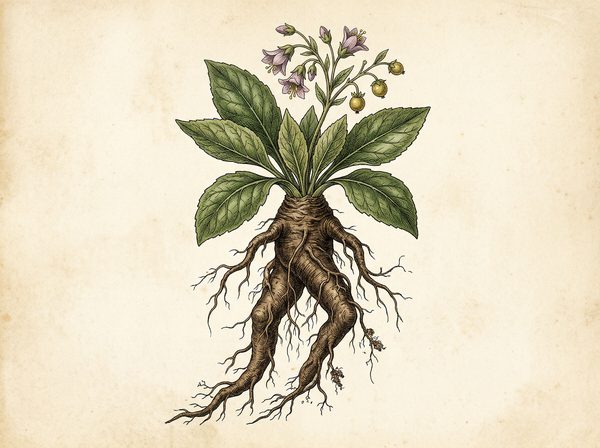
Western Herbalism
Mandrake
Mandragora officinarum
Also known as European Mandrake.
Highly toxic Solanaceae herb with historical use as anesthetic and analgesic but considered UNSAFE for medicinal use by modern authorities due to risk of fatal poisoning no approved herbal medicinal products in EU prescription-only in UK for related species

Ask Herbert about Mandrake. Herbert is the master herbalist inside Bountiful Herbs: he answers from this plate and eleven hundred others, with dosing, pairing and cautions. Your first ten questions are free.
Ask HerbertActions
Indications what the tradition reached for it in
- Rheumatic pain
- Constipation
- Skin ulcer
- Stomach ulcer
- Melancholy
- Convulsions
- Colic
- Hay fever
- Mania
- Pain
- Asthma
- Whooping cough
- Anxiety
- Insomnia
- Restlessness
- Cough
- Respiratory complaints
Safety
Recognised toxicity. This plant carries a toxicity flag in the record; it is for trained practitioners only.
Low dose botanical. Used in drop doses in the classical practice; not a plant to dose freely.
Pregnancy: Pregnancy Caution
Breastfeeding: lactation
The record lists 13 contraindications; open the plate in the library to read them in full.
Dosing as the sources wrote it
| Preparation | As written | Metric |
|---|---|---|
| Historical: Root juice or wine 45ml pre-surgery | 45-45 mL | |
| Oral root powder max | Oral root powder max 0.125g (2 grains) | 125-125 mg |
Doses are reproduced from the sources for practitioners and are not a recommendation for any person.
From the sources
Clinical Notes. Highly toxic Solanaceae herb with historical use as anesthetic and analgesic but considered UNSAFE for medicinal use by modern authorities due to risk of fatal poisoning no approved herbal medicinal products in EU prescription-only in UK for related species
indications. Mandrake is traditionally indicated for: Rheumatic pain, Constipation, Skin ulcer, Stomach ulcer, Melancholy, Convulsions, Colic, Hay fever, Mania, Pain, Asthma, Whooping cough, Anxiety, Insomnia, Restlessness, and 2 further conditions.
constituents. Notable constituents of Mandrake include: Tropane alkaloids (atropine, hyoscyamine, scopolamine, scopine, cuscohygrine, apoatropine, 3-alpha-tigloyloxytropane, 3-alpha,6-beta-ditigloyloxytropane, belladonnines), sitosterol, beta-methylesculetin (scopoletin.
dose-reference. Reference preparation/dosing for Mandrake: Historical: Root juice or wine 45ml pre-surgery; Oral root powder max 0.125g (2 grains); Modern: Not recommended due to toxicity; Hyoscine extracted for clinical use
Often paired with
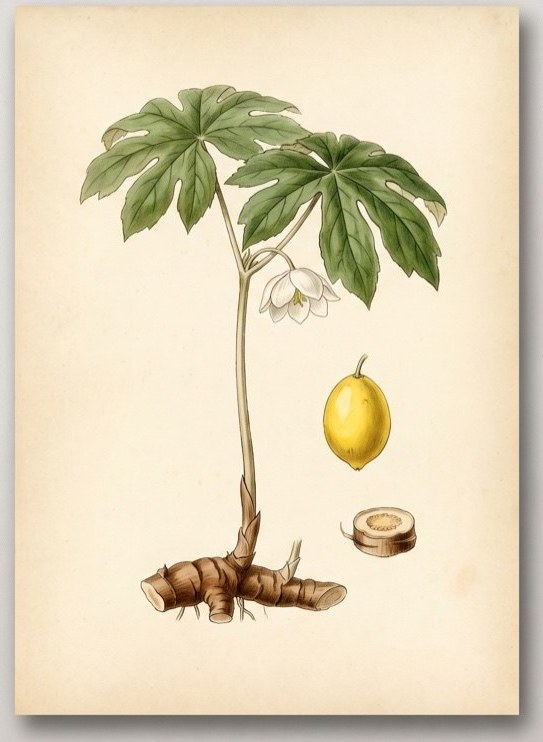 May applePodophyllum peltatum
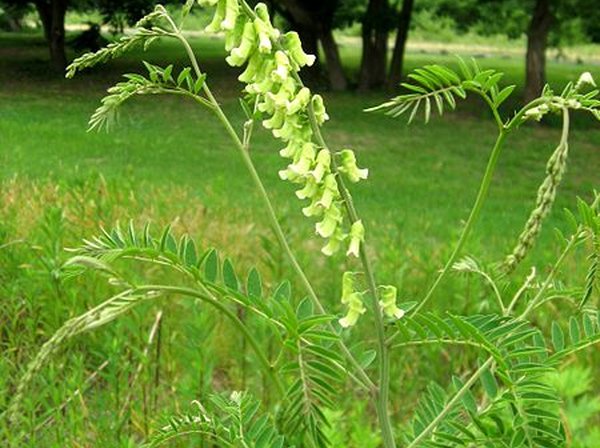 Ku ShenSophora flavescens
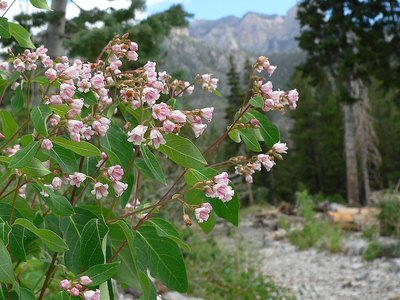 Dog's BaneApocynum Androsaemifolium
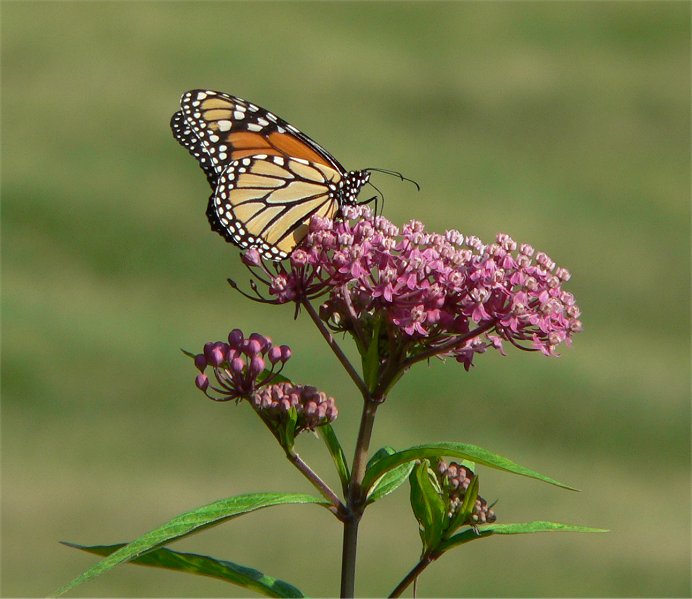 Flesh-colored asclepiasAsclepias Incarnata
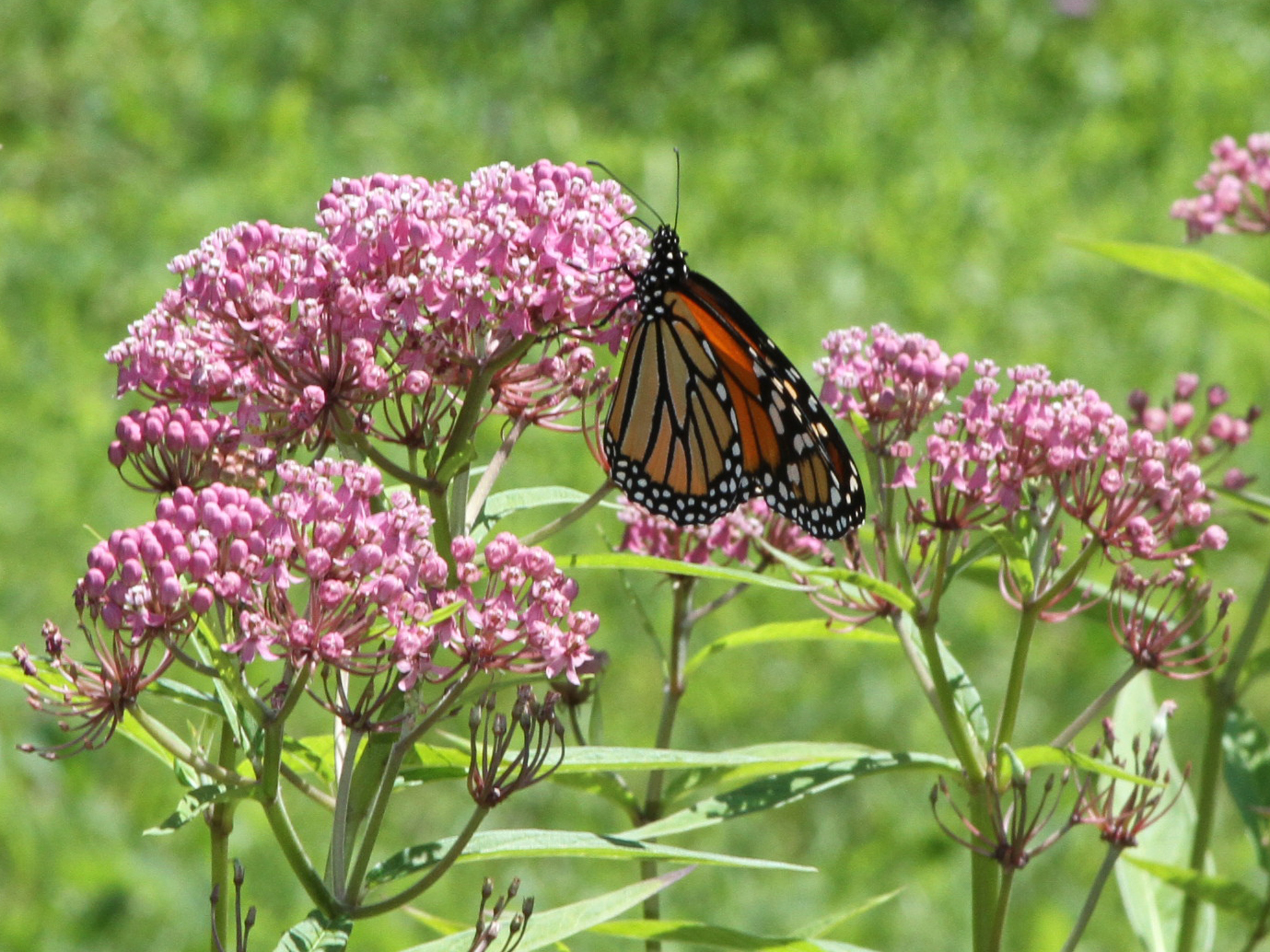 MilkweedAsclepias Cornuti
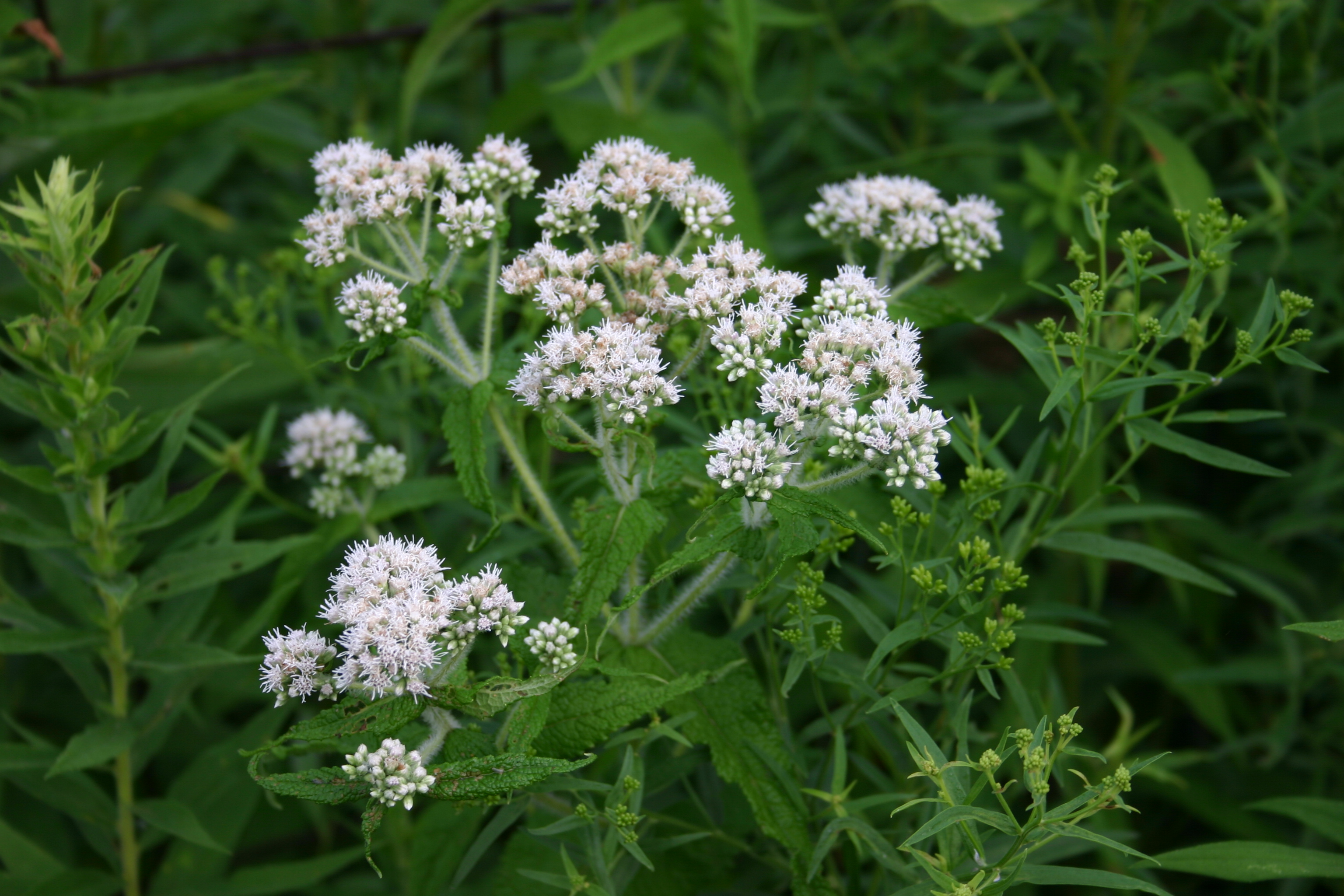 Gravel rootEupatorium purpureum
Nearby on the shelf
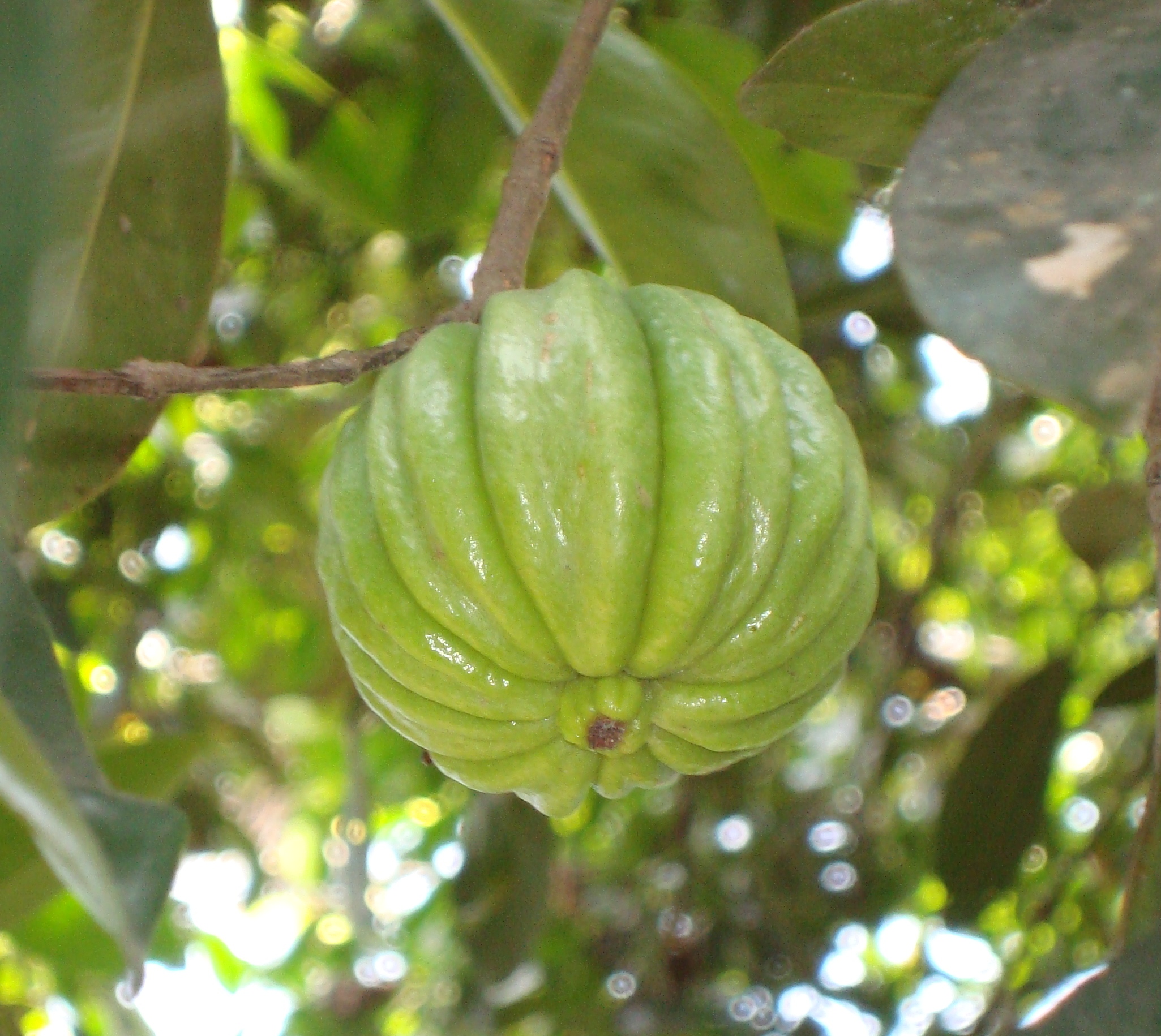 Malabar tamarindGarcinia cambogia
 Male fernDryopteris filix-mas
 MaltMaltum
 ManacaFranciscea uniflora
 MangoMangifera indica
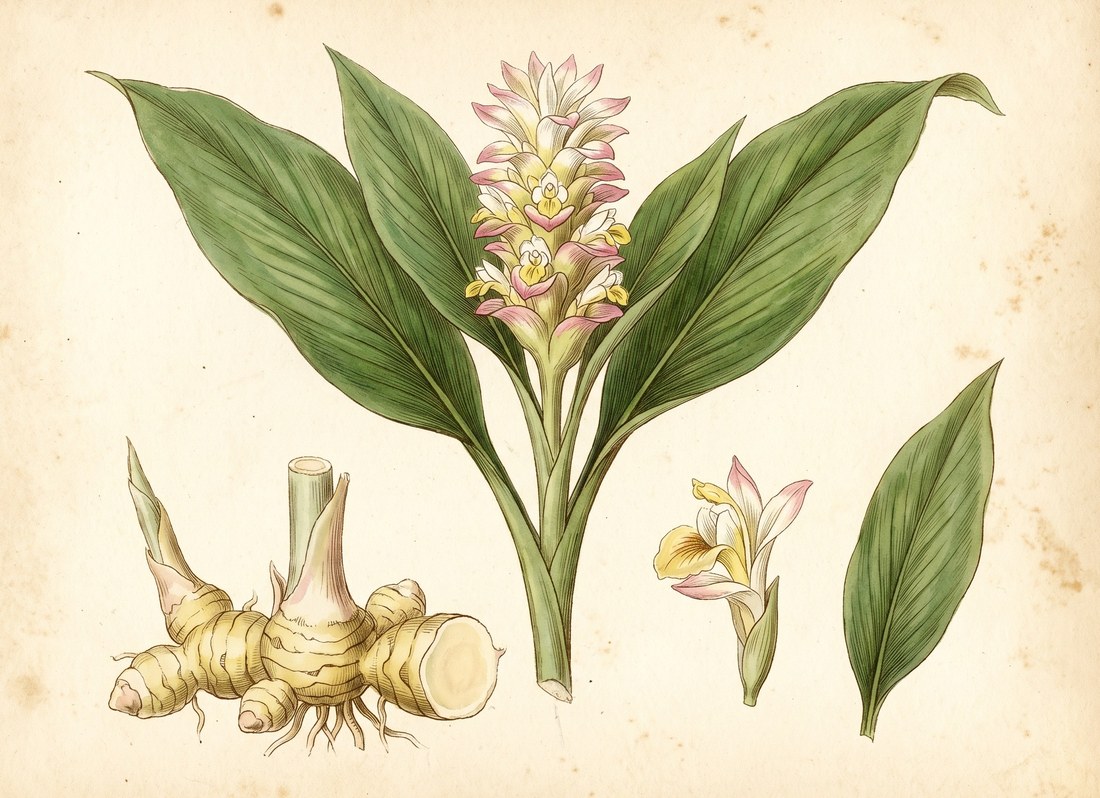 Mango gingerCurcuma amada
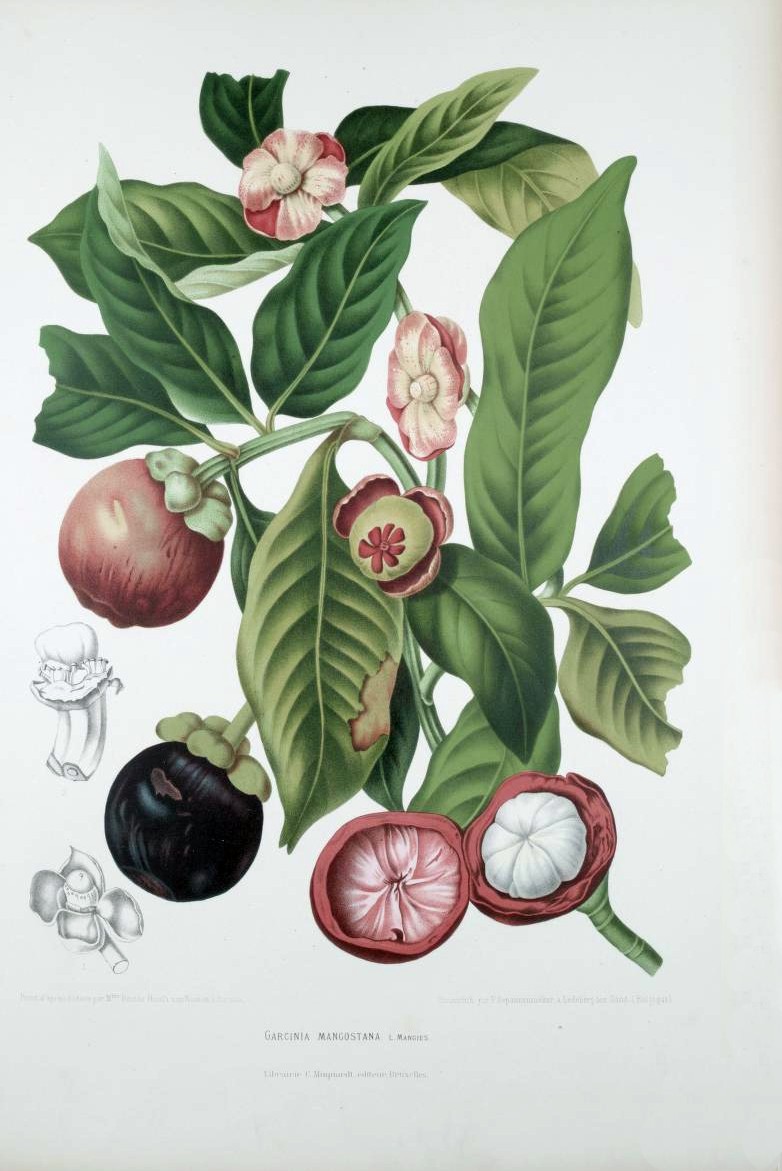 MangosteenGarcinia mangostana
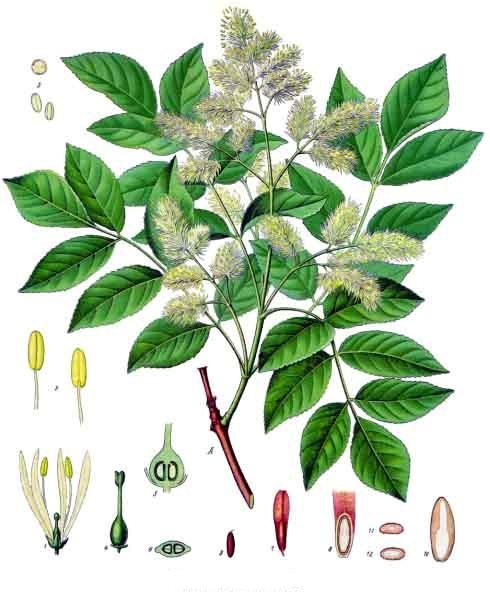 Manna ashFraxinus ornus
The whole plate is in the library. The compass, Compare, the Sky of eleven hundred plants and the formulary open with an email address and a password, free, with the formula builder and its safety engine. Herbert without limit, his formulating, clients, the handouts and the labels are the paid room.
Open the library, free