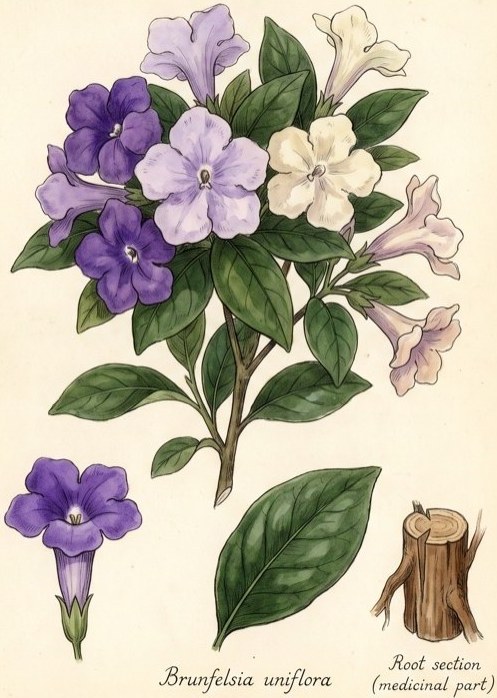
Western Herbalism
Manaca
Franciscea uniflora
Also known as Vegetable Mercury, Franciscea, Mercurio-vegetal, Manacán, Camganiba, Geratacáca.
Manaca is the root of a small flowering shrub of the nightshade family, native to the understory of tropical Brazilian forests and prized there for its fragrant, color-changing blossoms as well as its medicinal root. Eclectic physicians of the nineteenth century imported the root and used tinctures of it as an alterative and antirheumatic, particularly for rheumatism associated with gonorrhea or syphilis. The plant is now recognized botanically as a species of Brunfelsia, a genus whose members are also known to contain potent neurotoxic alkaloids, and its historical use sits uneasily alongside this modern toxicological knowledge.

Ask Herbert about Manaca. Herbert is the master herbalist inside Bountiful Herbs: he answers from this plate and eleven hundred others, with dosing, pairing and cautions. Your first ten questions are free.
Ask HerbertActions
Indications what the tradition reached for it in
- Chronic muscular rheumatism
- Gonorrheal rheumatism
- Secondary syphilis (historical)
- Stiffness of joints from muscular contraction
- Neuralgic pain with muscular involvement
- Chronic skin eruptions attributed to blood impurity
- Sore throat and laryngitis (historical topical/internal use)
- Uric acid diathesis with heavy sediment in urine
Specific indications
Stiffness and contraction of muscles about the shoulders limiting the patient's ability to raise the arms, with accompanying neuralgic pain and cardiac irritability
Rheumatic pain of the feet and lower legs severe enough to require a crutch, in a patient with anemia and uric acid in the urine
Safety
Recognised toxicity. This plant carries a toxicity flag in the record; it is for trained practitioners only.
Low dose botanical. Used in drop doses in the classical practice; not a plant to dose freely.
Pregnancy: Avoid in pregnancy: the plant contains uncharacterized alkaloids with documented CNS toxicity in animals and no safety data exists in human pregnancy.
Breastfeeding: Avoid in lactation given the absence of safety data and known neurotoxic potential of Brunfelsia alkaloids.
The record lists 8 contraindications; open the plate in the library to read them in full.
In practice
Eclectic writers reached for manaca chiefly in chronic muscular rheumatism where stiffness and contracture, rather than frank joint destruction, dominated the picture, especially when a rheumatic or gonorrheal history accompanied cardiac irritability or neuralgic pain.
Dosing as the sources wrote it
| Preparation | As written | Metric |
|---|---|---|
| Tincture (1:10, historical eclectic strength) | 0.2-1 mL (4-15 drops) two to four times daily | 0.2-1 mL |
| Fluid extract (historical) | 0.1-0.3 mL two to three times daily | 0.1-0.3 mL |
| Cowen gives manaca in fifteen-drop doses, with salicylate of sodium in acute rheumatism. | ||
| Hopkins gives manaca in muscular rheumatism in four-drop doses every two or three hours. | ||
| Dose, 10 to 60 drops. | 0.2-1.2 mL | |
| fluid extract of manaca | The dose of the fluid extract of manaca is from 10 to 60 minims. | 0.62-3.7 mL |
Doses are reproduced from the sources for practitioners and are not a recommendation for any person.
From the sources
Overview. Manaca is the root of a small flowering shrub of the nightshade family, native to the understory of tropical Brazilian forests and prized there for its fragrant, color-changing blossoms as well as its medicinal root. Eclectic physicians of the nineteenth century imported the root and used tinctures of it as an alterative and antirheumatic, particularly for rheumatism associated with gonorrhea or syphilis. The plant is now recognized botanically as a species of Brunfelsia, a genus whose members are also known to contain potent neurotoxic alkaloids, and its historical use sits uneasily alongside this modern toxicological knowledge.
Clinical Notes. Eclectic writers reached for manaca chiefly in chronic muscular rheumatism where stiffness and contracture, rather than frank joint destruction, dominated the picture, especially when a rheumatic or gonorrheal history accompanied cardiac irritability or neuralgic pain.
Action and Therapy. Diuretic and probably alterative. It is employed along the Amazon for rheumatism and syphilis. It is capable of producing gastro-enteritis and death. Manaca has been proposed for rheumatism confined more to the muscles and tendons than to the articular forms, acting best when there is dull, heavy pain, soft skin and the absence of fever. It is thought to act somewhat like guaiac.
Action, Medical Uses, and Dosage. Jamaica dogwood possesses active properties, its chief uses being to control pain and to produce sleep. Dr. Isaac Ott (see Pharmacology of Newer Materia Medica, p. 597), who made extensive experiments with the drug, declares its physiological effects to be essentially as follows: It increases the salivary and cutaneous secretions; slows the pulse, increases the arterial tension, succeeded by a fall of tension due to a weakening of the heart; dilates the pupils, except when passing into a state of asphyxia, when contraction takes place; it does not affect the irritability of the motor nerve fibers, nor does it attack the peripheral sensory nerve endings; it reduces reflex action by stimulating Setschenow's...
Drawn from King's American Dispensatory, 18th edition (Felter and Lloyd); Ellingwood's American Materia Medica, Therapeutics and Pharmacognosy; Felter's Eclectic Materia Medica, Pharmacology and Therapeutics, and the Bountiful Herbs editorial.
Nearby on the shelf
 MaitakeGrifola frondosa
 Malabar tamarindGarcinia cambogia
 Male fernDryopteris filix-mas
 MaltMaltum
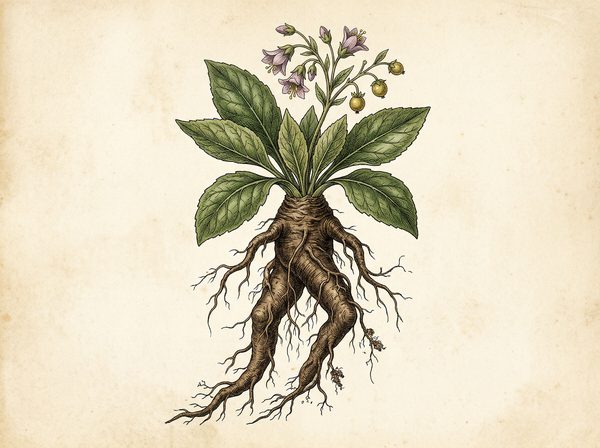 MandrakeMandragora officinarum
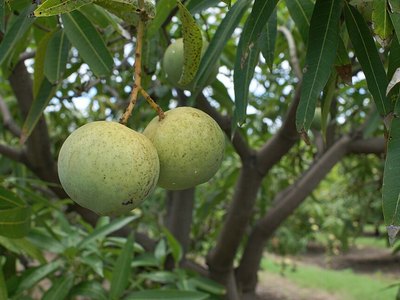 MangoMangifera indica
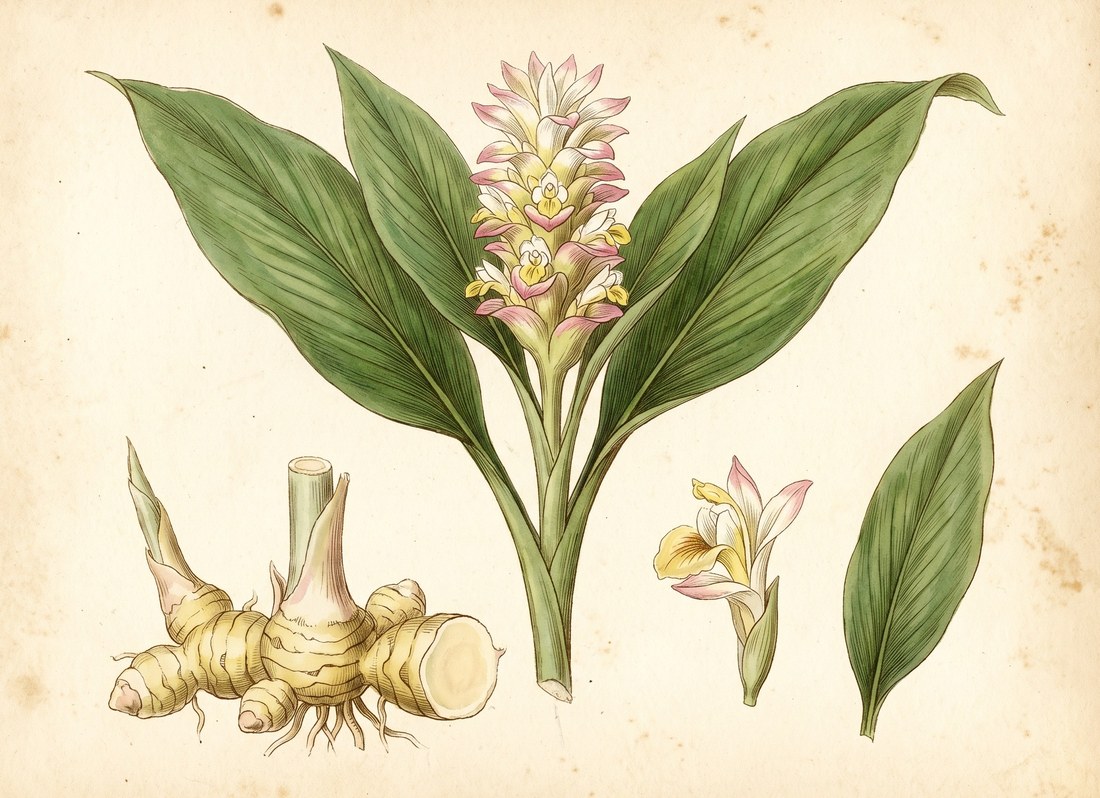 Mango gingerCurcuma amada
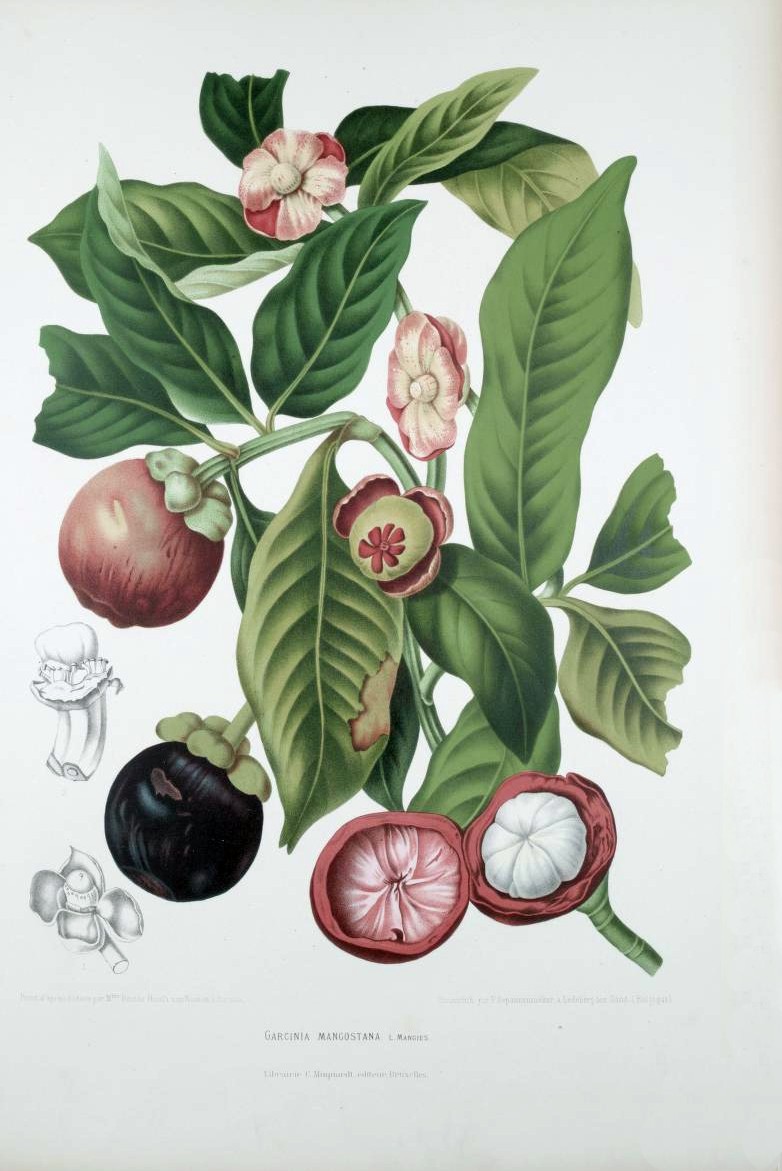 MangosteenGarcinia mangostana
The whole plate is in the library. The compass, Compare, the Sky of eleven hundred plants and the formulary open with an email address and a password, free, with the formula builder and its safety engine. Herbert without limit, his formulating, clients, the handouts and the labels are the paid room.
Open the library, free