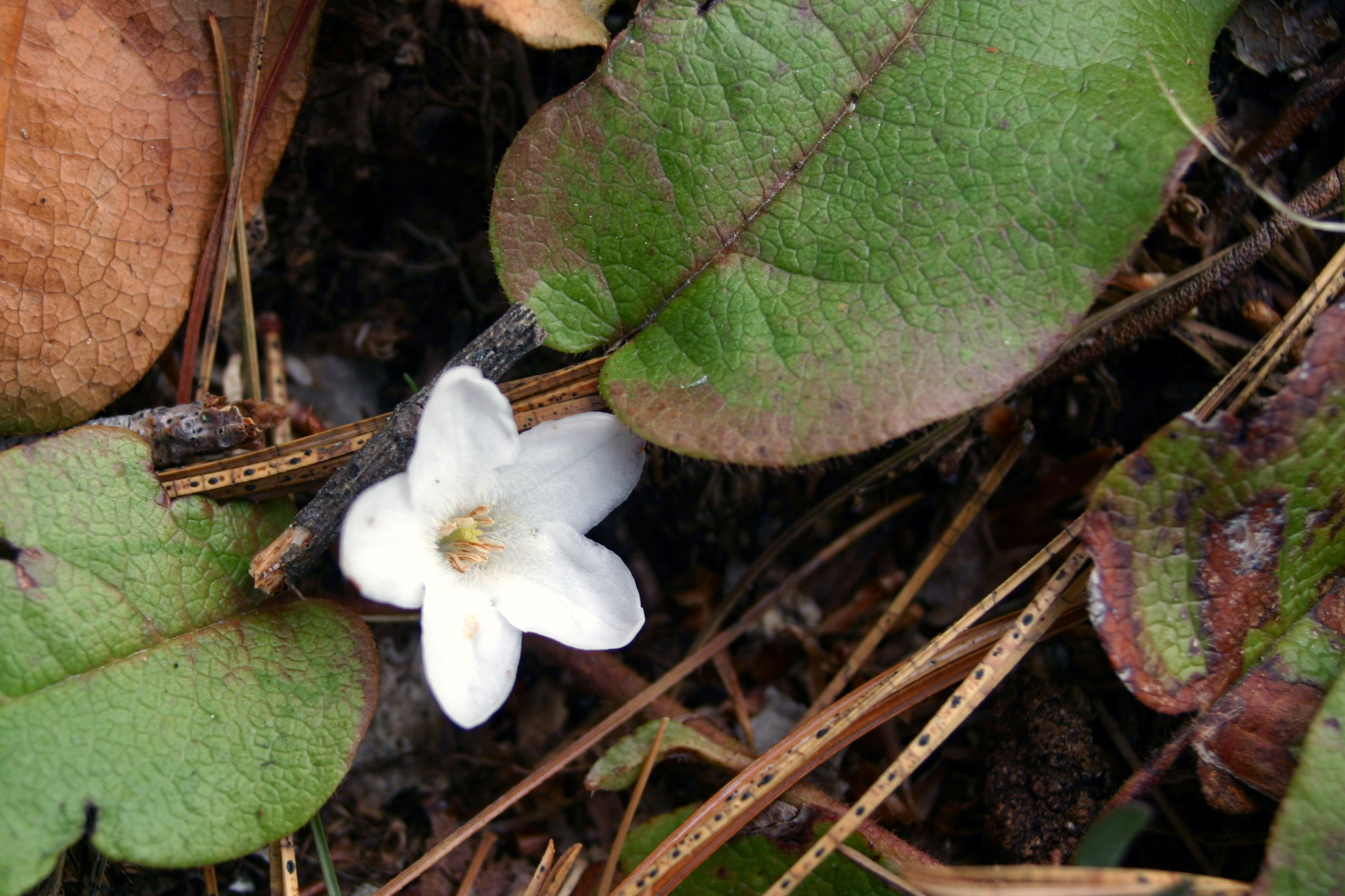
Western Herbalism
Epigaea
Epigaea repens
Also known as Trailing Arbutus, Winter pink, Mountain pink, Ground laurel, May flower, Gravel, Weed, Gravel-weed.
Trailing arbutus was reached for much as uva ursi and buchu were, as a mild astringent tonic to relaxed or irritated urinary mucosa, particularly where there was a background of gravel formation or chronic low-grade catarrh of the bladder.

Ask Herbert about Epigaea. Herbert is the master herbalist inside Bountiful Herbs: he answers from this plate and eleven hundred others, with dosing, pairing and cautions. Your first ten questions are free.
Ask HerbertActions
Indications what the tradition reached for it in
- Cystitis
- Urethritis
- Uric acid diathesis
- Renal or bladder gravel
- Chronic pyelitis
- Gouty tendency with heavy sediment in urine
- Hematuria from renal congestion
- Prostatic irritation with cloudy urine
- Dull, aching lumbar pain from uric acid crystal irritation
- Urinary gravel
- Chronic catarrh of the bladder
- Nephritis (mild, chronic)
- Leucorrhea
- Diarrhea
- Dyspepsia
Specific indications
This agent should be freely employed where there is excess of uric acid; where the “brick dust” deposit is marked; where the extreme and nauseating backache suggests that the crystalline constituents of the urine are not well dissolved and washed out of the tubules; or where there is renal sand or gravel in the bladder; where the urine is dark and heavy, and there is irritation, causing congestion of the kidneys, which in some cases induces hemorrhage; where precipitated solids irritate the bladder, and induce cystitis with thickening of the walls, and formation of pus. An infusion of epigaea freely drunk in these cases will relieve the entire train of symptoms, inducing a grateful sense of relief from irritation and distress. Any of the preparations in sufficient doses will accomplish satisfactory results in the above conditions, but the infusion is more immediately active. Fifteen drops of specific Epigaea in an ounce of hot water, drunk hot, will act most promptly. If the patient is closely confined and constipated, with dark, sallow skin, and inactive liver, add thirty grains of sodium phosphate and note the most gratifying results. This latter agent is itself a renal tonic and stimulant, with a soothing action. Its specific influence upon the liver greatly facilitates its effects on the kidneys when there is a fault in the hepatic conversion of the nitrogenous waste. In addition to its influence upon the kidneys, epigaea is a carminative of much value. It is a stomach tonic, and it soothes gastric irritation. It will quickly relieve persistent eructations of gas, and will cure many chronic cases that have resisted other treatment. When there is noisy rumbling in the bowels so distressing to ladies, when present, this agent may be successfully administered.
Chronic irritable bladder with scanty, burning urination and a sense of heat in the pelvis
Gravel or sandy sediment in the urine with dull low back ache
Safety
Low dose botanical. Used in drop doses in the classical practice; not a plant to dose freely.
Pregnancy: Avoid in pregnancy: no safety data exist and the hydroquinone-yielding arbutin content warrants the same caution applied to uva ursi.
Breastfeeding: Avoid in lactation: constituent and safety data are absent, so use is not advised while breastfeeding.
Dosing as the sources wrote it
| Preparation | As written | Metric |
|---|---|---|
| Extractum Epigaea Fluidum , Fluid Extract of Trailing Arbutus | Dose, from thirty to sixty minims. | 1.85-3.7 mL |
| Specific Epigaea | Dose, from five to thirty minims. | 0.31-1.85 mL |
| specific epigaea | Dose of specific epigaea, 10 to 30 drops in water every 2 to 6 hours; fluid extract, 10 to 40 drops. | 0.5-1.5 mL |
| Infusion (dried leaf) | 2-4 g dried leaf as tea, up to three times daily | 2000-4000 mg |
| Fluid extract (1:1) | 2-4 mL (30-60 minims) three times daily | 2-4 mL |
| Specific tincture | 0.3-2 mL (5-30 minims) in hot water, taken warm, up to three times daily | 0.3-2 mL |
Doses are reproduced from the sources for practitioners and are not a recommendation for any person.
From the sources
Clinical Notes. Trailing arbutus was reached for much as uva ursi and buchu were, as a mild astringent tonic to relaxed or irritated urinary mucosa, particularly where there was a background of gravel formation or chronic low-grade catarrh of the bladder.
Properties and Uses. These leaves resemble those of the uva ursi, and are used in the same classes of cases, though somewhat more diuretic. They strengthen the kidneys, at the same time that they soothe and promote their function.
Action, Medical Uses, and Dosage. This is a very valuable remedy in gravel, in chronic catarrh of the bladder, suppression of urine, high colored or scalding urine, inflammation of the urethra, and other disorders of the urinary organs. In oxalic deposits, however, it is of no utility. The dose is about 2 fluid ounces, 3 or 4 times a day; in severe cases, this dose may be given every hour until relief is obtained, after which every 3 or 4 hours. In cases of gravel, a corresponding quantity of wild carrot root and seed may be advantageously added to the articles (J. King).
Description. Natural Order, Ericaceae. A trailing plant, of little woody fiber, closely allied to the uva ursi. Stem ten to twenty feet long, prostrate, covered with rusty and bristling hairs. Leaves evergreen, rounded heart-shaped, alternate, on slender petioles, two or two and a half inches long, one and a half inches wide.
Drawn from Cook's Physio-Medical Dispensatory; King's American Dispensatory, 18th edition (Felter and Lloyd); Ellingwood's American Materia Medica, Therapeutics and Pharmacognosy, and the Bountiful Herbs editorial.
Often paired with
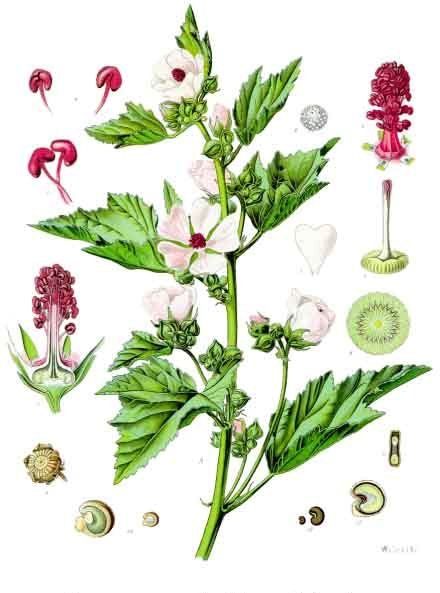 MarshmallowAlthaea officinalis
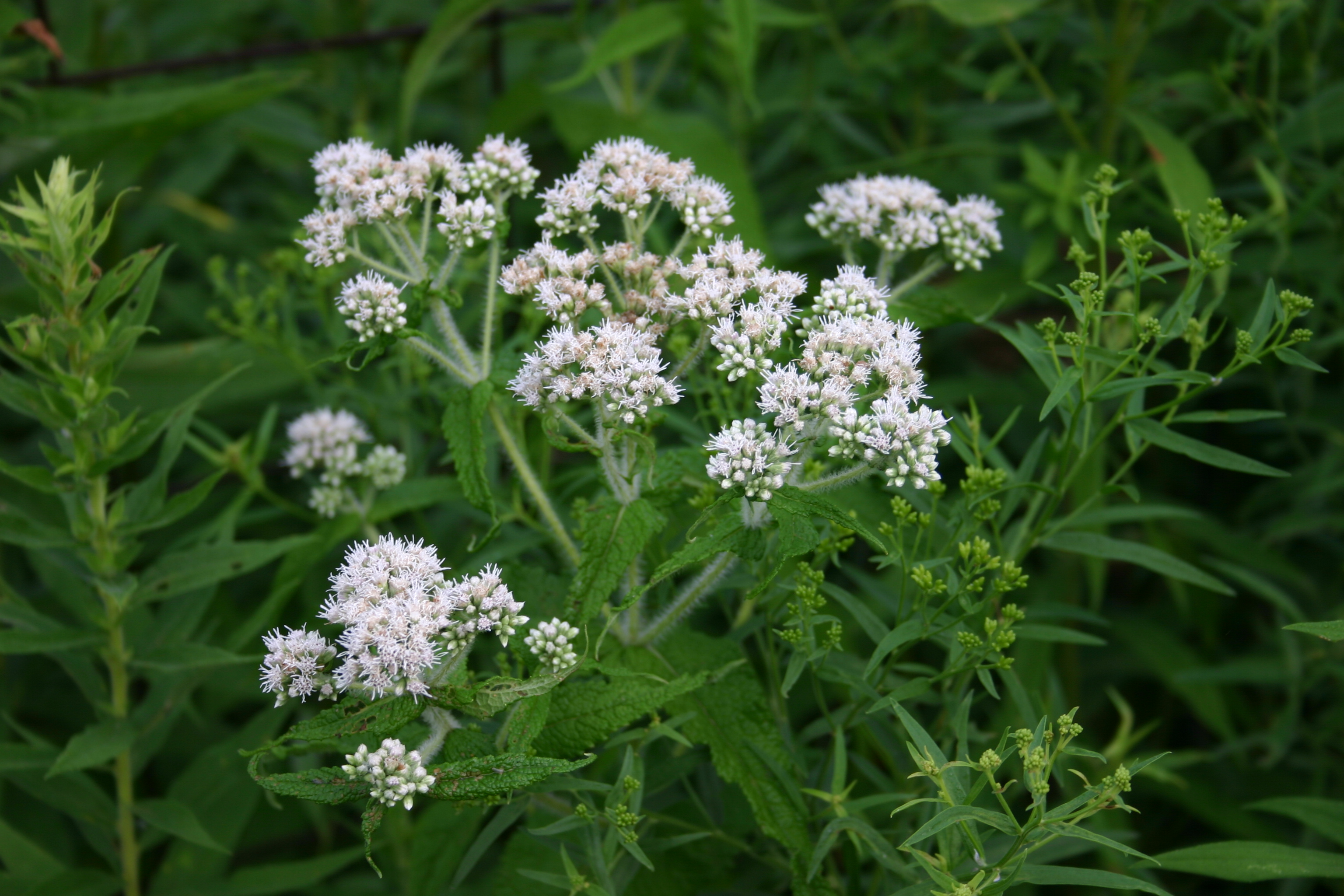 Gravel rootEupatorium purpureum
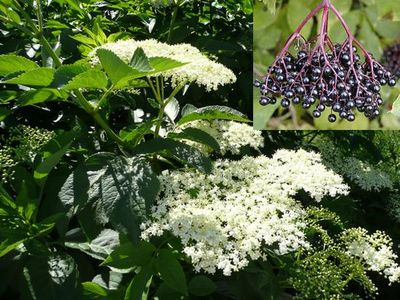 Black elderSambucus nigra
 Dwarf ElderAralia Hispida
 aloe veraAloe vera
 ElateriumEcballium elaterium
Nearby on the shelf
 ElemiCanarium luzonicum
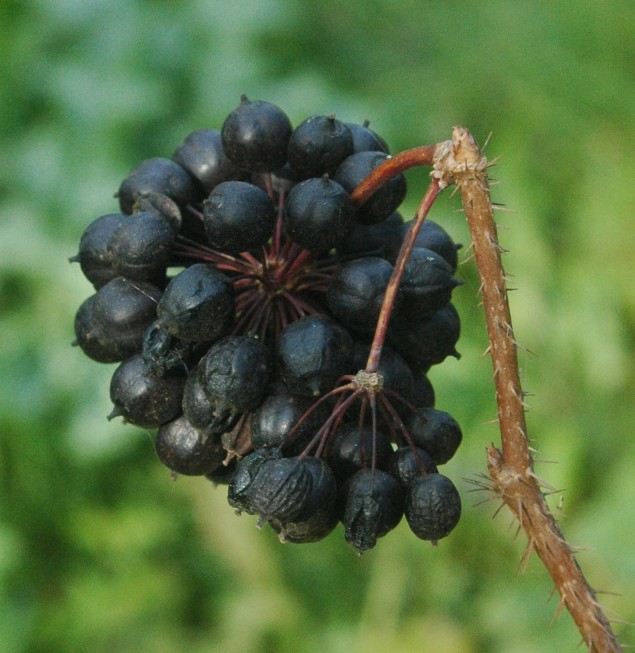 EleutheroEleutherococcus senticosus
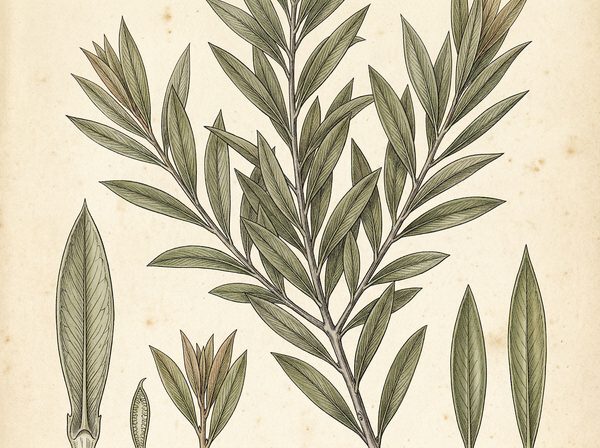 Emu BushEremophila spp.
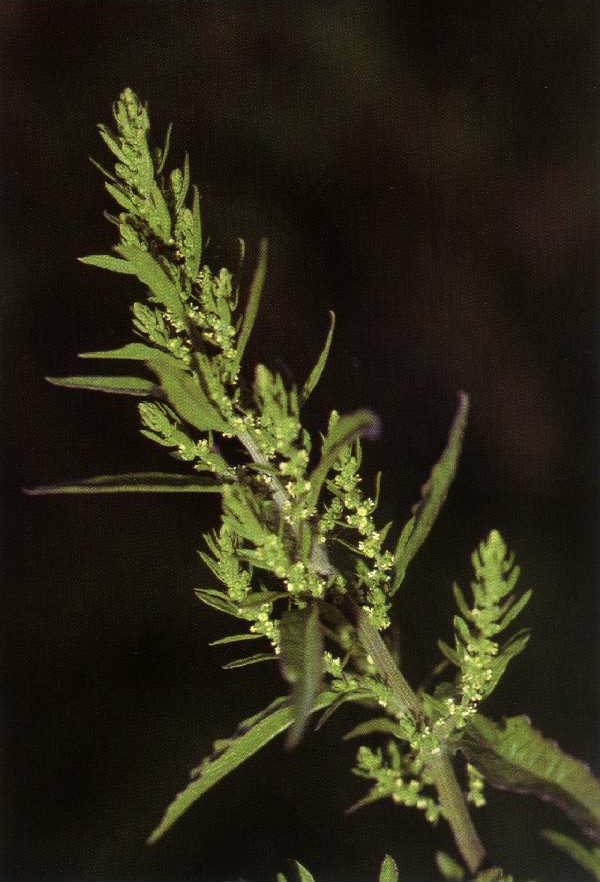 EpazoteDysphania ambrosioides
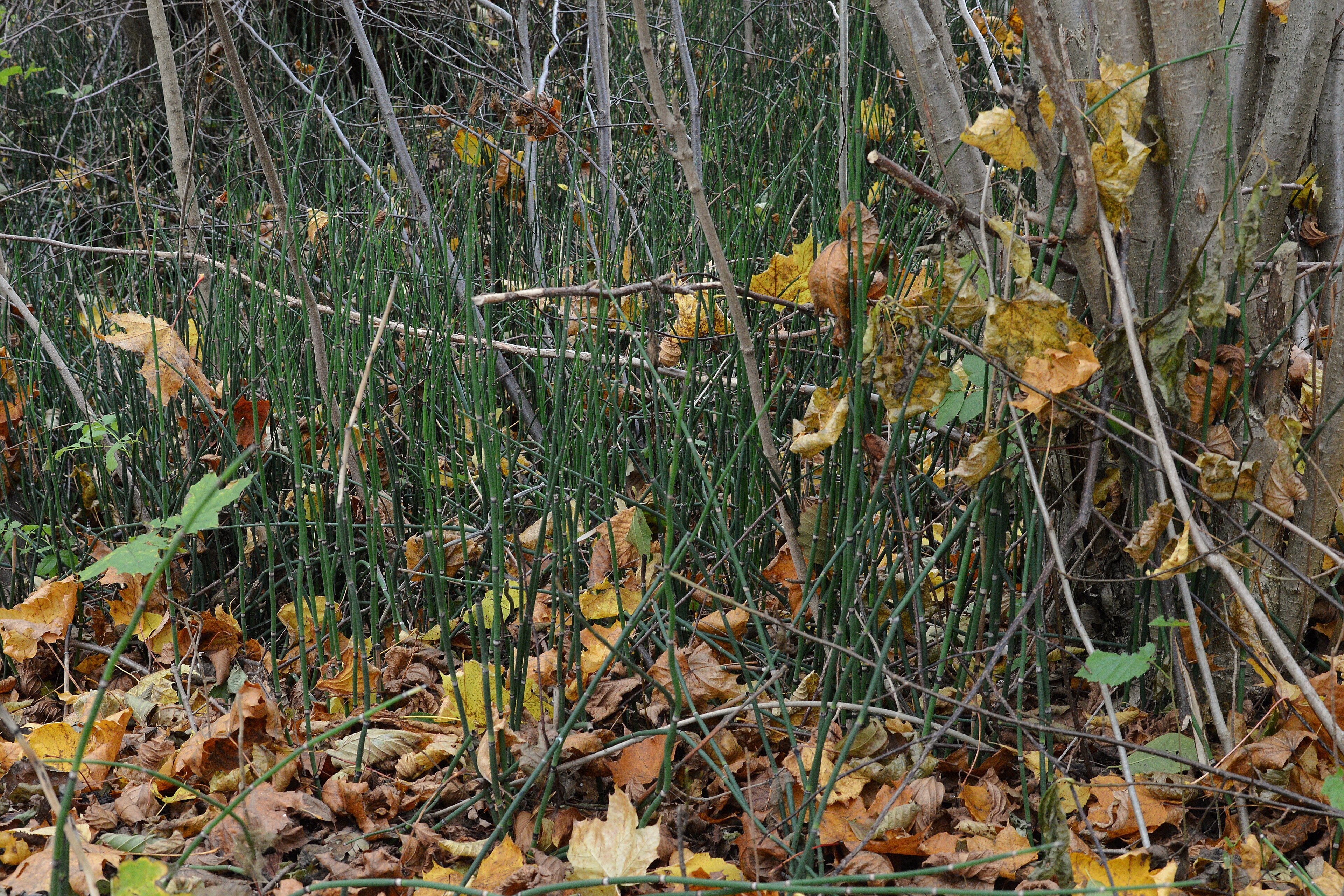 EquisetumEquisetum hyemale
 ErgotSecale Cornutum
 EryngiumEryngium aquaticum
 EryngoEryngium maritimum
The whole plate is in the library. The compass, Compare, the Sky of eleven hundred plants and the formulary open with an email address and a password, free, with the formula builder and its safety engine. Herbert without limit, his formulating, clients, the handouts and the labels are the paid room.
Open the library, free