Ayurvedic Herbalism
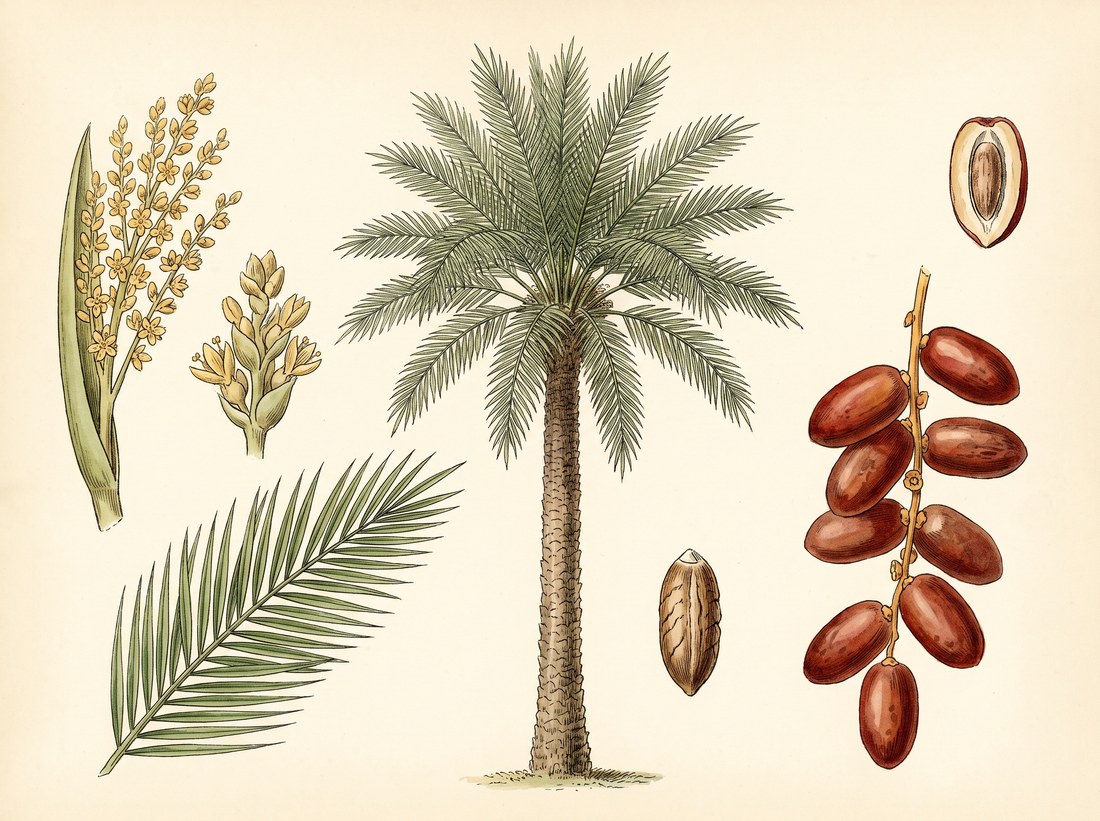
Date palm
Phoenix dactylifera
Also known as date, dried date, chhuhara (dried date, trade), Kharjura, Kharjuri, Pindakharjura.
Phoenix dactylifera is the date palm, a tall dioecious palm of the hot dry regions from North Africa through Arabia to the Indus, cultivated in India in Rajasthan, Gujarat, Punjab and the Kutch, though most of the fruit consumed in India is imported. The ripe fruit, fresh or dried, is Kharjura, which Ayurveda classes among the sweet, cooling, nourishing fruits that build tissue, relieve thirst and burning, check bleeding and restore the exhausted. It is a food as much as a medicine, and that is its strength.

Ask Herbert about Date palm. Herbert is the master herbalist inside Bountiful Herbs: he answers from this plate and eleven hundred others, with dosing, pairing and cautions. Your first ten questions are free.
Ask HerbertActions
Indications what the tradition reached for it in
- Convalescence and debility
- Underweight, dry, depleted patients
- Chronic fatigue with poor appetite
- Iron deficiency anemia (dietary support)
- Constipation of dryness
- Dry cough and hoarseness (with milk)
- Preparation for labor in the last weeks of pregnancy
- Postpartum recovery and milk supply
- Hangover and dehydration
- Low libido and subfertility with depletion
- Palpitations and weakness after fever
Specific indications
A thin, dry, anxious patient with cold hands, a dry cough and constipation who needs to be fed as much as medicated
A woman in the final month of pregnancy who wishes to eat her way toward a smoother labor, taking a handful of dates daily
Convalescence after fever or surgery with weight loss, thirst and a weak fluttering pulse
The morning after excess with headache, thirst and burning, calmed by dates churned in cool water
Safety
The record lists 7 contraindications; open the plate in the library to read them in full.
In practice
The Ayurvedic practitioner uses Kharjura where the body needs to be rebuilt without heat: the kshaya patient wasting after fever or tuberculosis, the dry constipated elder, the anemic woman, the child who will not gain weight.
In Ayurveda
Rasa: madhura (sweet), with a slight kashaya (astringent) note. Virya: sheeta (cooling). Vipaka: madhura (sweet). Guna: guru (heavy), snigdha (unctuous). Dosha: pacifies vata and pitta; increases kapha in excess. Karma: balya (strengthening); brimhana (nourishing, builds tissue); vrishya (aphrodisiac, supports fertility); hridya (cardiac tonic); tarpana (satisfying, relieves depletion); trishnanigrahana (relieves thirst); raktapittahara (checks bleeding of pitta); kshayahara (relieves wasting); shramahara (relieves fatigue); madatyayahara (relieves the effects of alcohol); mutrala (mildly diuretic); vatapittahara (pacifies vata and pitta). Classical indications: kshaya (wasting and consumption); daurbalya (weakness); raktapitta (bleeding disorders); trishna (thirst); daha (burning sensation); murchha (fainting); madatyaya (alcohol intoxication and hangover); jvara (fever, in convalescence); kasa and shvasa (cough and dyspnea); pandu (anemia); hridroga (heart disease); urahkshata (chest injury with wasting). The ripe fruit is the drug, eaten fresh or dried, soaked overnight in milk or water, cooked into confections, and churned with water into Kharjuradi mantha, the classical cooling drink for thirst, burning and hangover. The dried date (Chhuhara) is the form used in the strengthening pakas and in Kharjurasava. Classical formulations: Kharjuradi mantha, Kharjurasava, Kharjuradi lehya, Eladi gutika, Chyawanprash (some traditions), Drakshadi kwatha (regional versions), Vasakharjuradi lehya. Described in: Charaka Samhita, Sushruta Samhita, Ashtanga Hridaya, Bhavaprakasha Nighantu, Dhanvantari Nighantu, Raja Nighantu, Kaiyadeva Nighantu, Madanapala Nighantu.
Dosing as the sources wrote it
| Preparation | As written | Metric |
|---|---|---|
| Phala (fruit) | 20-50 g ripe fruit daily, about three to seven dates | 20000-50000 mg |
| Kshirapaka (dates in milk) | 20-30 g dried fruit soaked or cooked in 200 mL milk once daily | 20000-30000 mg |
| Mantha | 100-200 mL churned fruit drink once or twice daily | 100-200 mL |
| Asava | 12-24 mL twice daily after food | 12-24 mL |
| Lehya | 6-12 g confection once or twice daily | 6000-12000 mg |
Doses are reproduced from the sources for practitioners and are not a recommendation for any person.
From the sources
Overview. Phoenix dactylifera is the date palm, a tall dioecious palm of the hot dry regions from North Africa through Arabia to the Indus, cultivated in India in Rajasthan, Gujarat, Punjab and the Kutch, though most of the fruit consumed in India is imported. The ripe fruit, fresh or dried, is Kharjura, which Ayurveda classes among the sweet, cooling, nourishing fruits that build tissue, relieve thirst and burning, check bleeding and restore the exhausted. It is a food as much as a medicine, and that is its strength.
Clinical Notes. The Ayurvedic practitioner uses Kharjura where the body needs to be rebuilt without heat: the kshaya patient wasting after fever or tuberculosis, the dry constipated elder, the anemic woman, the child who will not gain weight.
Ayurvedic Profile. Rasa: madhura (sweet), with a slight kashaya (astringent) note. Virya: sheeta (cooling). Vipaka: madhura (sweet). Guna: guru (heavy), snigdha (unctuous). Dosha: pacifies vata and pitta; increases kapha in excess.
In formulas
Date palm stands in 2 documented formulas in the library, among them Elādi Guṭikā, Laśunādi Vaṭī.
Often paired with
 Indian bay leafCinnamomum tamala
 long pepperPiper longum
 grapeVitis vinifera
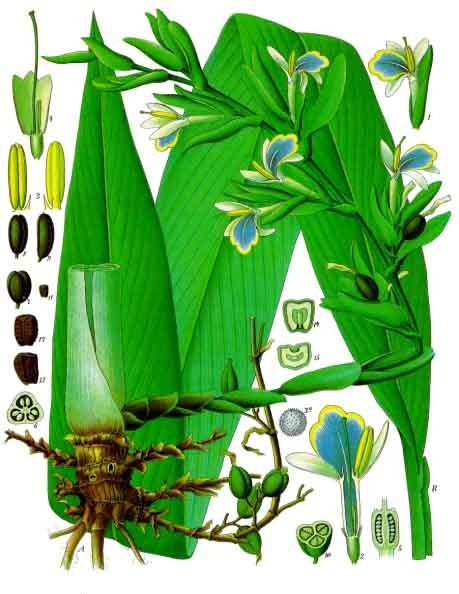 cardamomElettaria cardamomum
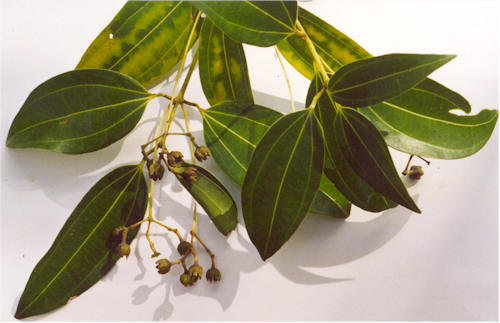 Ceylon cinnamonCinnamomum zeylanicum
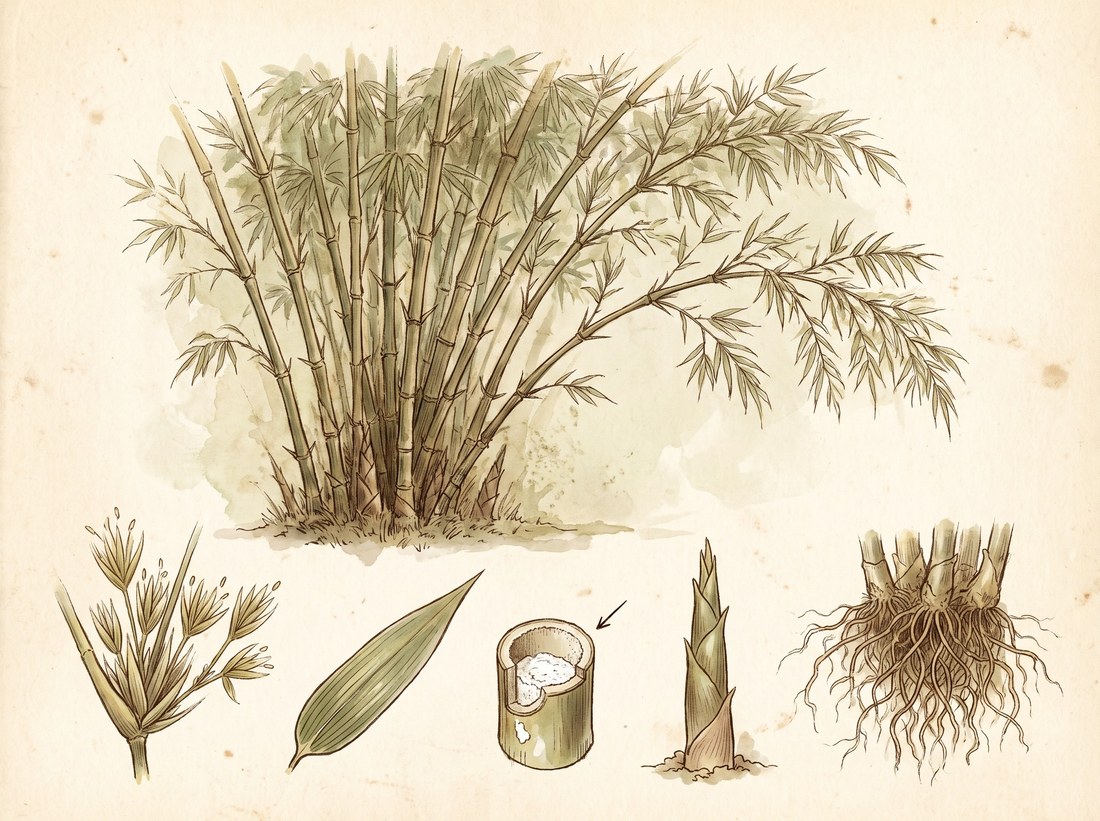 thorny bambooBambusa arundinacea
Nearby on the shelf
 Damask RoseRosa x damascena
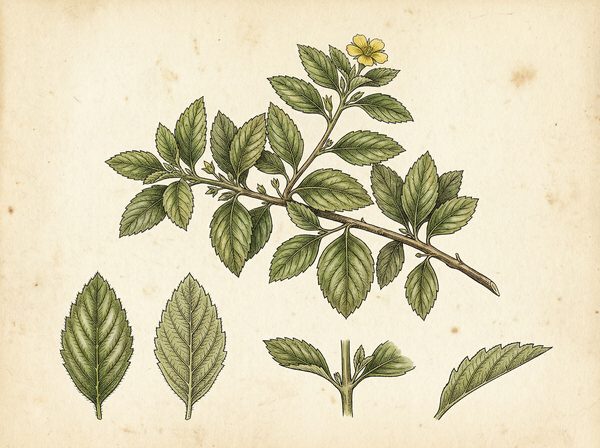 DamianaTurnera diffusa
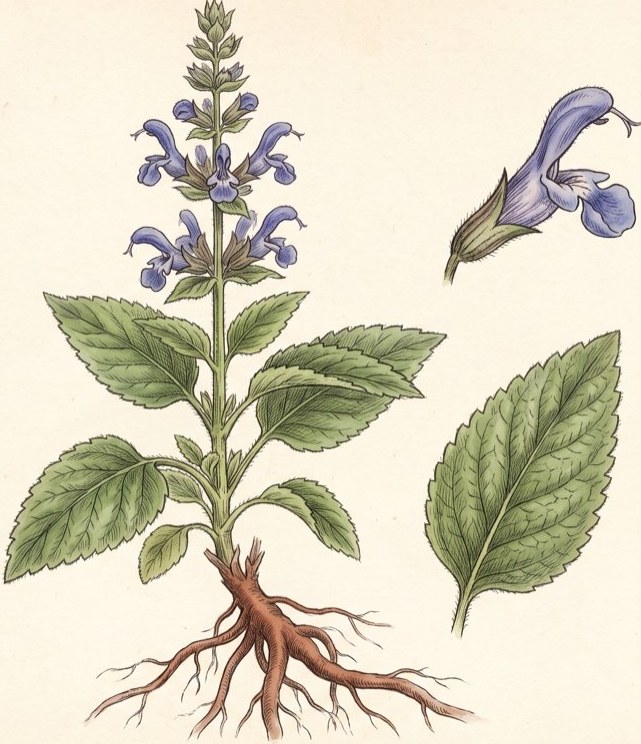 Dan ShenSalvia miltiorrhiza
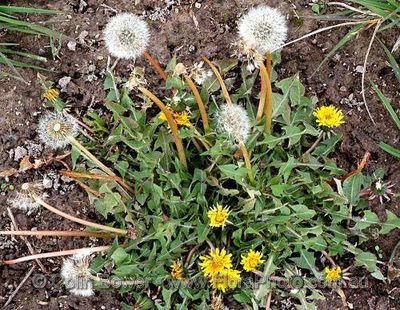 DandelionTaraxacum officinale
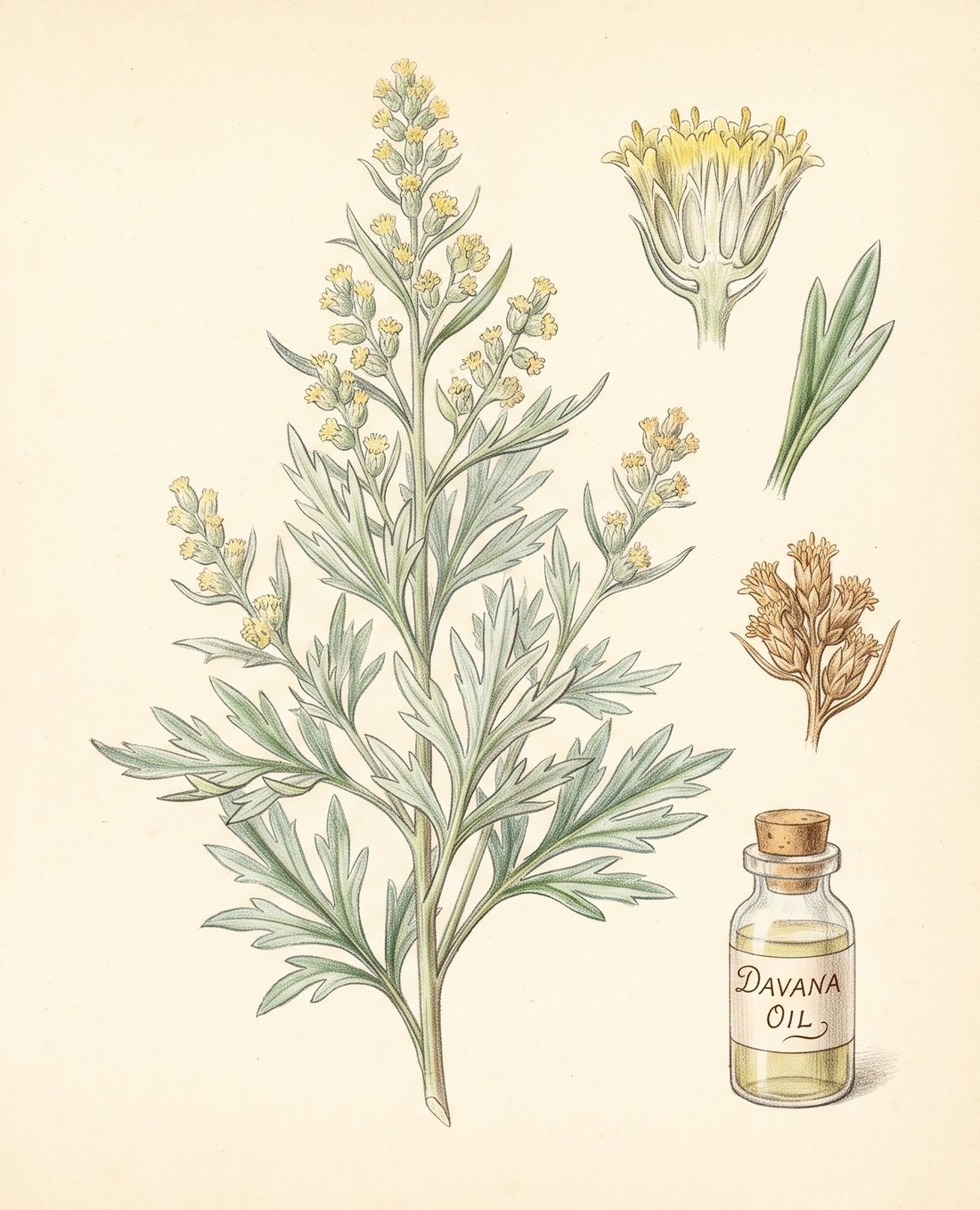 DavanaArtemisia pallens
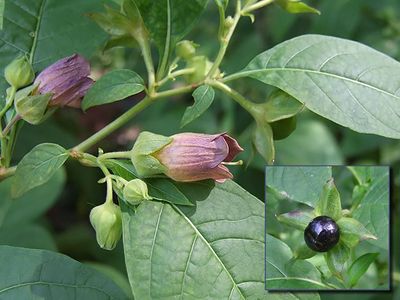 Deadly nightshadeAtropa belladonna
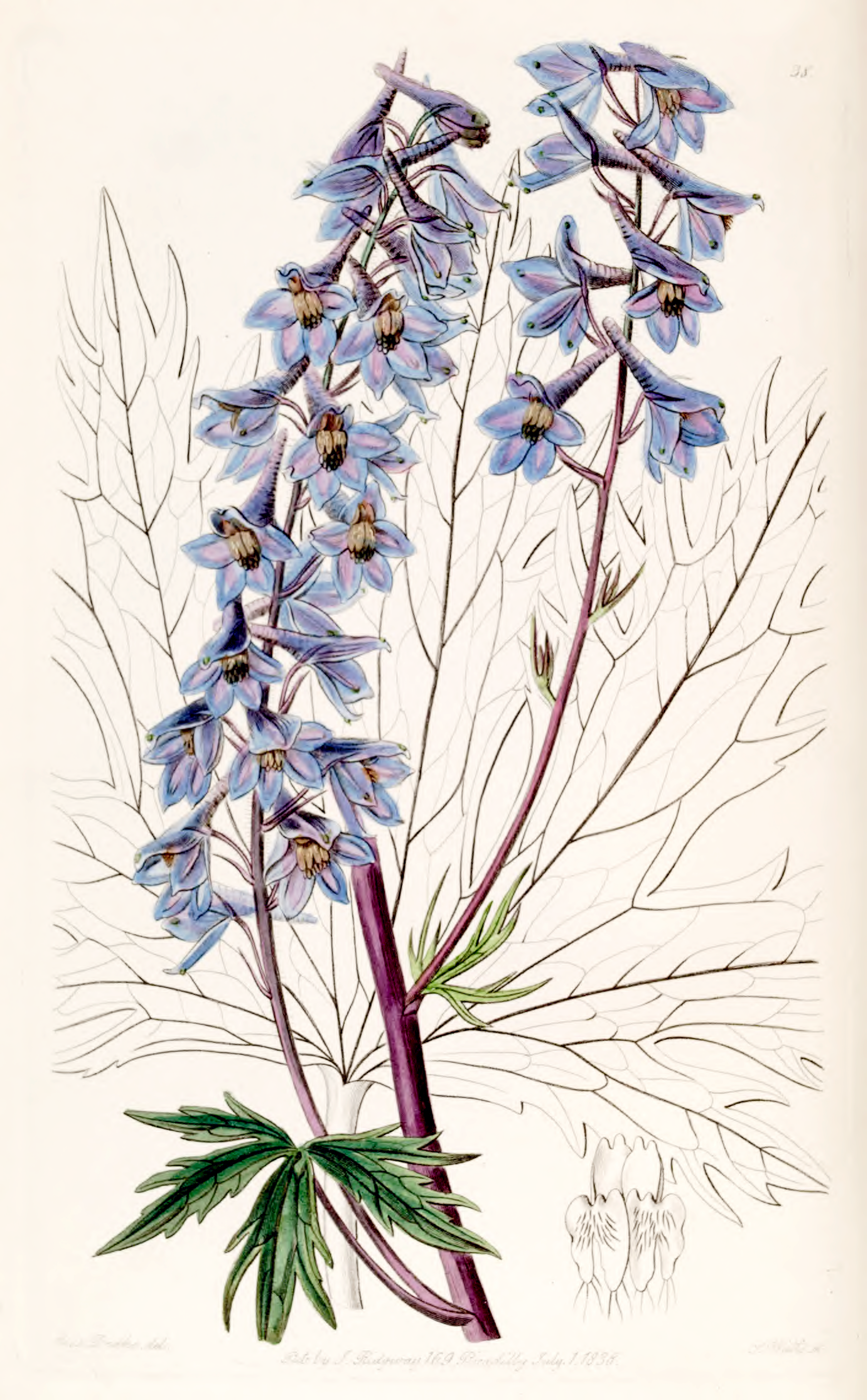 Delphinium staphisagriaDelphinium staphisagria
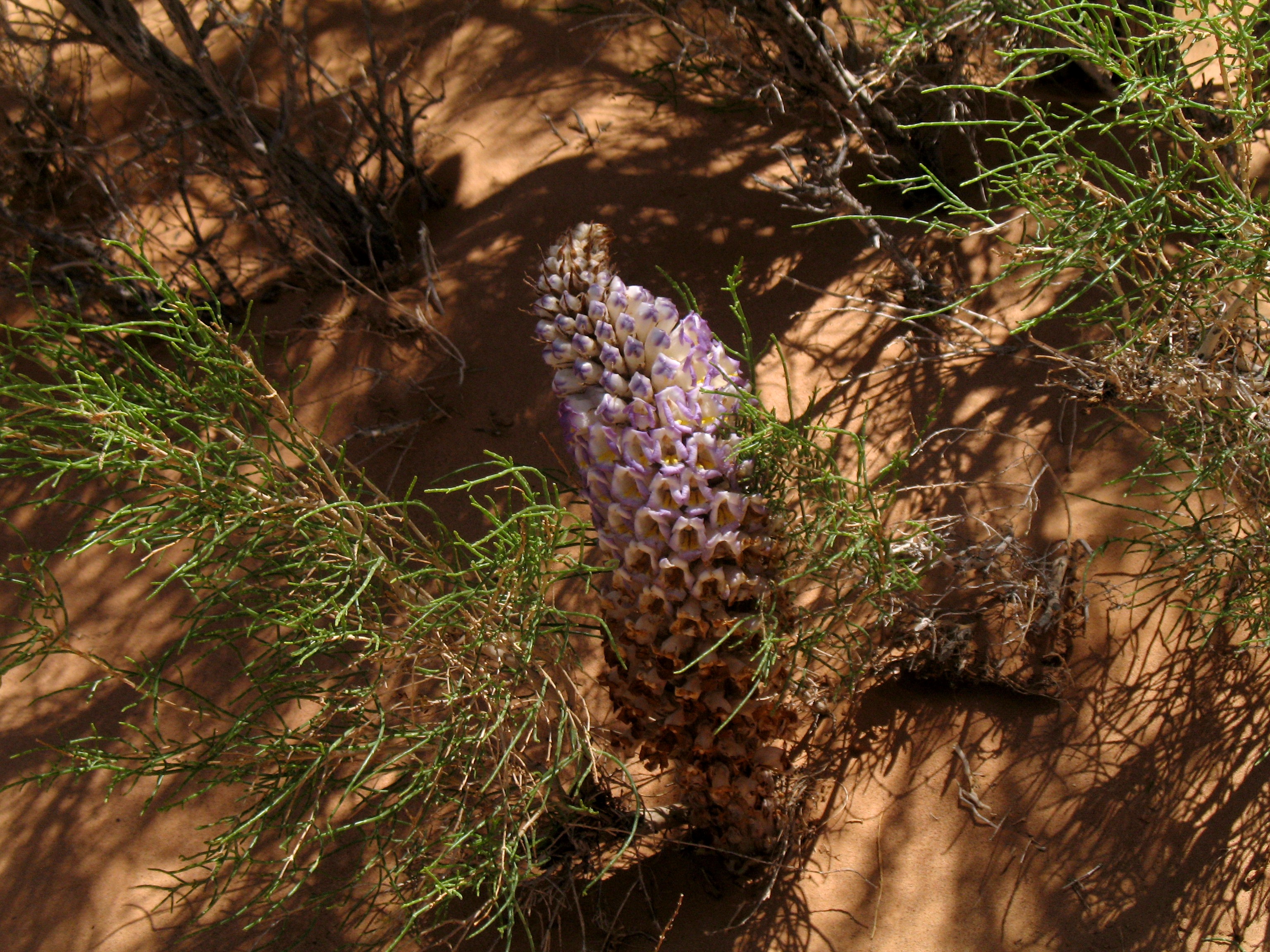 Desert GinsengCistanche deserticola
The whole plate is in the library. The compass, Compare, the Sky of eleven hundred plants and the formulary open with an email address and a password, free, with the formula builder and its safety engine. Herbert without limit, his formulating, clients, the handouts and the labels are the paid room.
Open the library, free