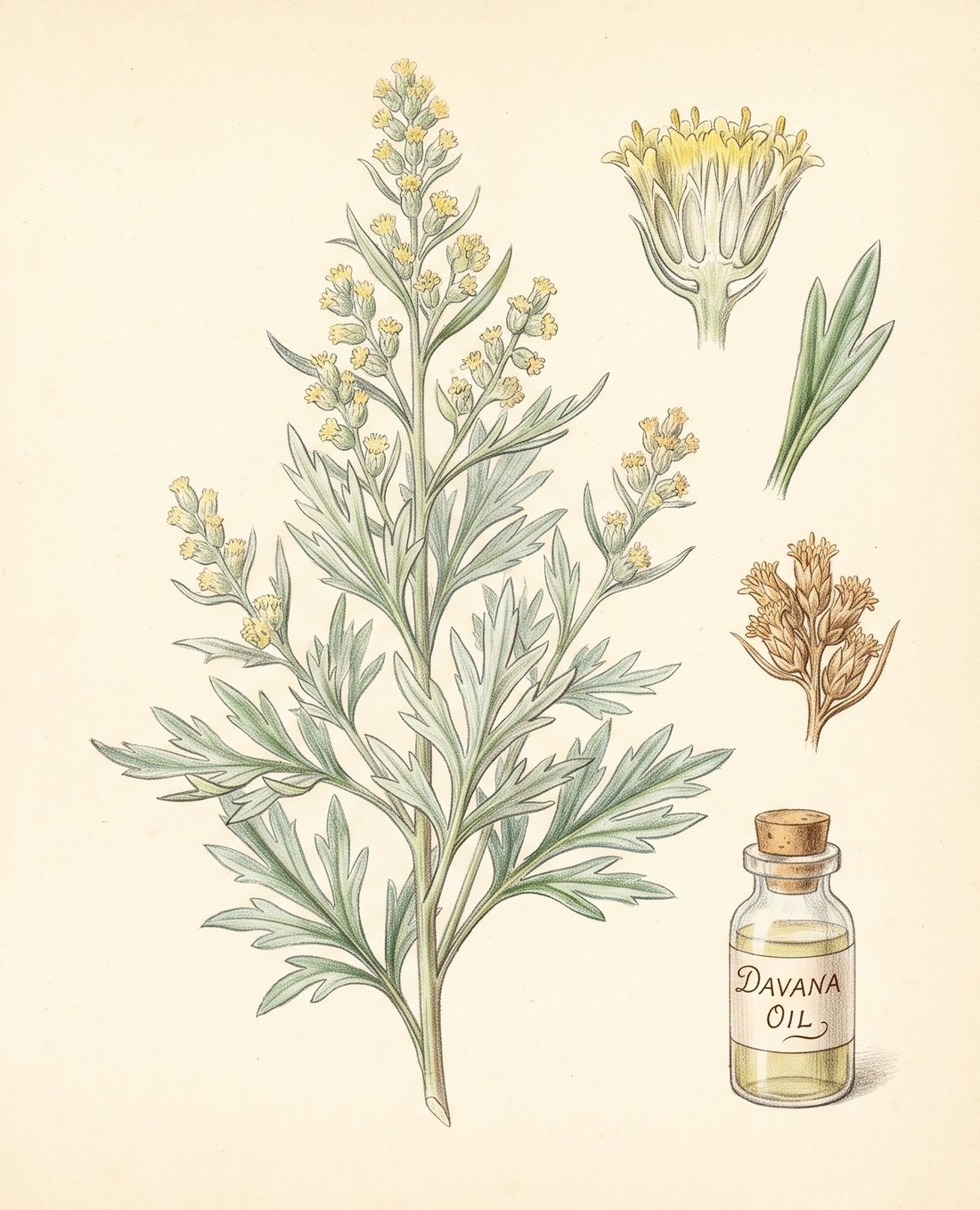
Ayurvedic Herbalism
Davana
Artemisia pallens
Also known as davanam, Indian wormwood (shared name), damanaka, Damanaka, Damana, Pandurika.
Artemisia pallens is a small, silvery, intensely fragrant annual herb of the daisy family native to peninsular India and cultivated chiefly in Karnataka, Tamil Nadu and Andhra Pradesh for its flowering tops, which yield the prized davana oil of perfumery. In Ayurveda it is one of the plants identified as Damanaka, a cooling, bitter, fragrant herb for fevers, itching skin disease, worms and burning, and it is woven into garlands and offered in South Indian temples. The name Damanaka has also been applied to other Artemisia species in the north.

Ask Herbert about Davana. Herbert is the master herbalist inside Bountiful Herbs: he answers from this plate and eleven hundred others, with dosing, pairing and cautions. Your first ten questions are free.
Ask HerbertActions
Indications what the tradition reached for it in
- Low-grade and recurrent fevers with heat
- Itching skin eruptions and urticaria (internal and topical)
- Eczema and dermatitis with heat and weeping (topical wash)
- Fungal skin infections (topical)
- Intestinal worms (adjunct, traditional)
- Poor appetite with heat and nausea
- Type 2 diabetes (adjunct, traditional in Karnataka)
- Headache and faintness in hot weather (aromatic)
- Anxiety and low mood with heat (aromatic oil)
- Menstrual irregularity with heat (traditional)
- Wounds and minor cuts (leaf paste)
Specific indications
A hot, itching, red skin eruption in a pitta patient that eases with cooling bitters and a fragrant leaf wash
A recurrent low fever with thirst, burning and a bitter taste in a warm climate, where a cooling bitter is wanted rather than a heating one
A restless, overheated patient who is calmed by fragrance and does well with aromatic cooling herbs
Poor appetite with nausea and heat after a febrile illness
Safety
Pregnancy: Avoid medicinal doses in pregnancy: no published safety class is known to us for this species, but Artemisia species as a group are regarded as emmenagogue and are withheld in pregnancy in both the Ayurvedic and Western traditions.
Breastfeeding: No data; avoid concentrated preparations and the essential oil, while the fragrant leaf and mild infusions are traditionally regarded as harmless.
The record lists 7 contraindications; open the plate in the library to read them in full.
In practice
Damanaka is a pitta herb: bitter, cooling, fragrant and light. The classical uses cluster around heat, itching and fever. For skin disease with burning and itching the fresh leaf juice or a paste of the leaf is applied, and a decoction of the herb is used as a wash for weeping eczema and fungal patches, while the powder or decoction is taken internally with honey to cool the blood.
In Ayurveda
Rasa: tikta (bitter), katu (pungent), kashaya (astringent). Virya: sheeta (cooling). Vipaka: katu (pungent). Guna: laghu (light), ruksha (dry). Dosha: pacifies pitta and kapha; may aggravate vata in excess. Karma: jvaraghna (relieves fever); krimighna (anthelmintic); kushthaghna (relieves skin disease); dahaprashamana (relieves burning); kandughna (relieves itching); raktashodhana (purifies the blood); vishaghna (counters poison); deepana (kindles digestion); hridya (supports the heart); medhya (supports the mind, in some texts); sugandhi (fragrant, freshens). Classical indications: jvara (fever); vishama jvara (intermittent fever); kushtha (skin disease); kandu (itching); daha (burning sensation); krimi (worms); raktavikara (blood disorders); visha (poisoning); trishna (thirst); murcha (fainting); hrid roga (heart disorders, as fragrance and tonic). The fresh or dried aerial parts are used as swarasa, churna and kwatha, and as lepa for skin disease; the flowering tops are steam distilled for the costly davana oil, used in perfumery and, diluted, for aromatic and topical applications; the fragrant leaf is worn and offered in temples. Classical formulations: Damanaka churna, Damanaka kwatha, Damanaka lepa, Damanaka swarasa, Davana taila (aromatic, topical). Described in: Bhavaprakasha Nighantu, Dhanvantari Nighantu, Raja Nighantu, Kaiyadeva Nighantu.
Dosing as the sources wrote it
| Preparation | As written | Metric |
|---|---|---|
| Churna | 1-3 g powdered herb twice daily with honey or warm water | 1000-3000 mg |
| Kwatha | 30-60 mL decoction twice daily | 30-60 mL |
| Swarasa | 5-10 mL fresh leaf juice twice daily | 5-10 mL |
| Lepa, topical | 5-10 g leaf paste applied to itching or fungal lesions | 5000-10000 mg |
| Essential oil, topical | 1-2 drops davana oil diluted in 10 mL carrier oil for local application | 0.02-0.04 mL |
Doses are reproduced from the sources for practitioners and are not a recommendation for any person.
From the sources
Overview. Artemisia pallens is a small, silvery, intensely fragrant annual herb of the daisy family native to peninsular India and cultivated chiefly in Karnataka, Tamil Nadu and Andhra Pradesh for its flowering tops, which yield the prized davana oil of perfumery. In Ayurveda it is one of the plants identified as Damanaka, a cooling, bitter, fragrant herb for fevers, itching skin disease, worms and burning, and it is woven into garlands and offered in South Indian temples. The name Damanaka has also been applied to other Artemisia species in the north.
Clinical Notes. Damanaka is a pitta herb: bitter, cooling, fragrant and light. The classical uses cluster around heat, itching and fever. For skin disease with burning and itching the fresh leaf juice or a paste of the leaf is applied, and a decoction of the herb is used as a wash for weeping eczema and fungal patches, while the powder or decoction is taken internally with honey to cool the blood.
Ayurvedic Profile. Rasa: tikta (bitter), katu (pungent), kashaya (astringent). Virya: sheeta (cooling). Vipaka: katu (pungent). Guna: laghu (light), ruksha (dry). Dosha: pacifies pitta and kapha; may aggravate vata in excess.
Nearby on the shelf
 DamianaTurnera diffusa
 Dan ShenSalvia miltiorrhiza
 DandelionTaraxacum officinale
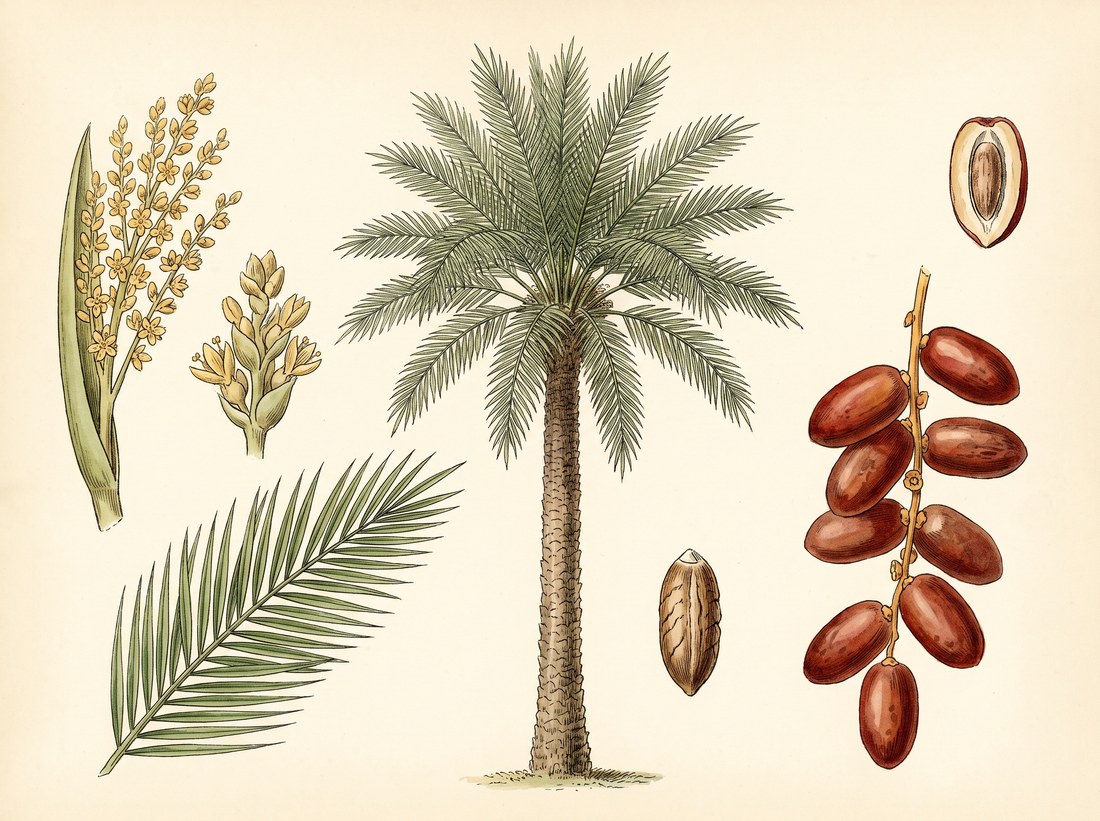 Date palmPhoenix dactylifera
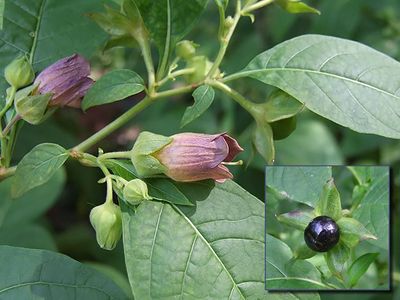 Deadly nightshadeAtropa belladonna
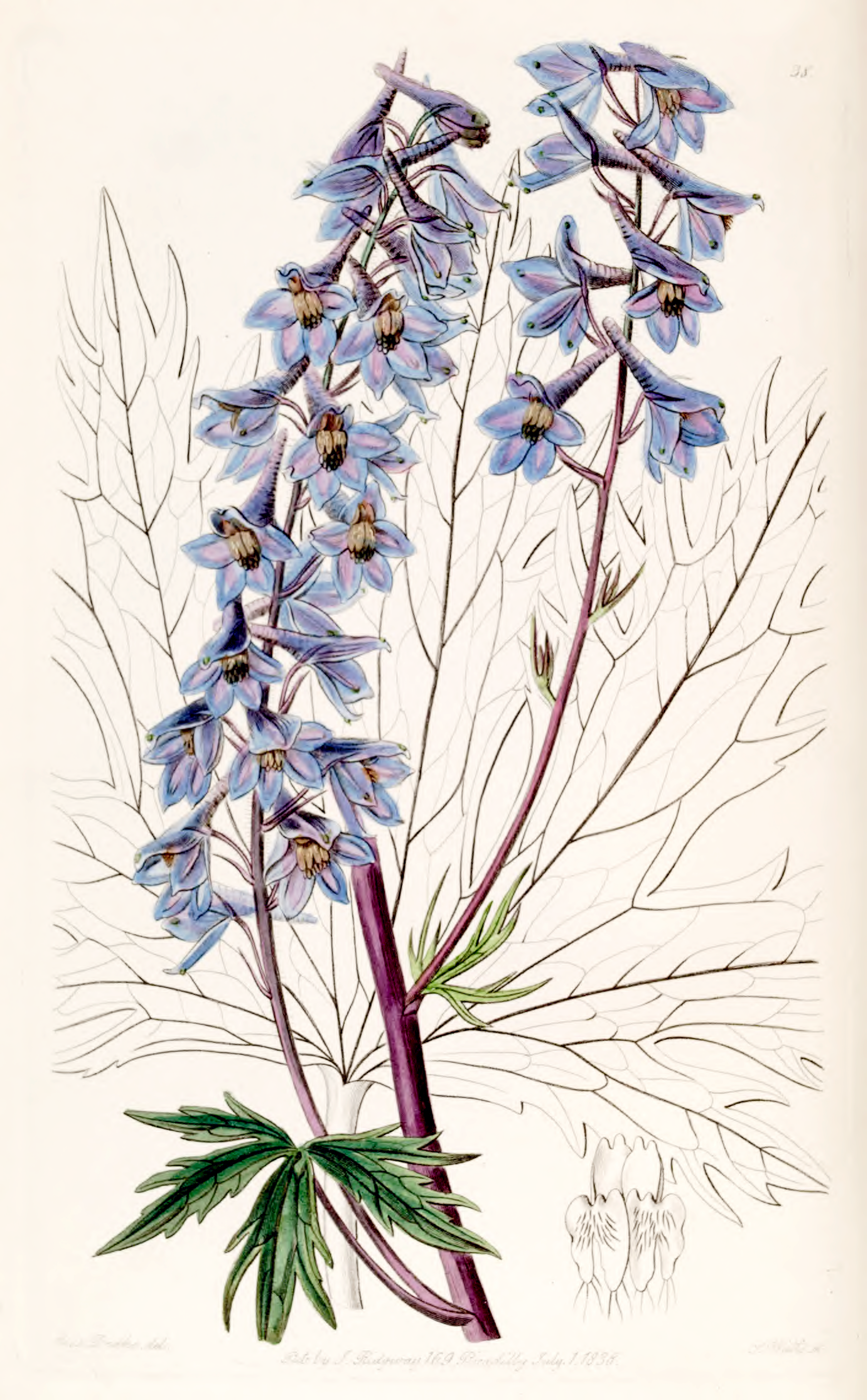 Delphinium staphisagriaDelphinium staphisagria
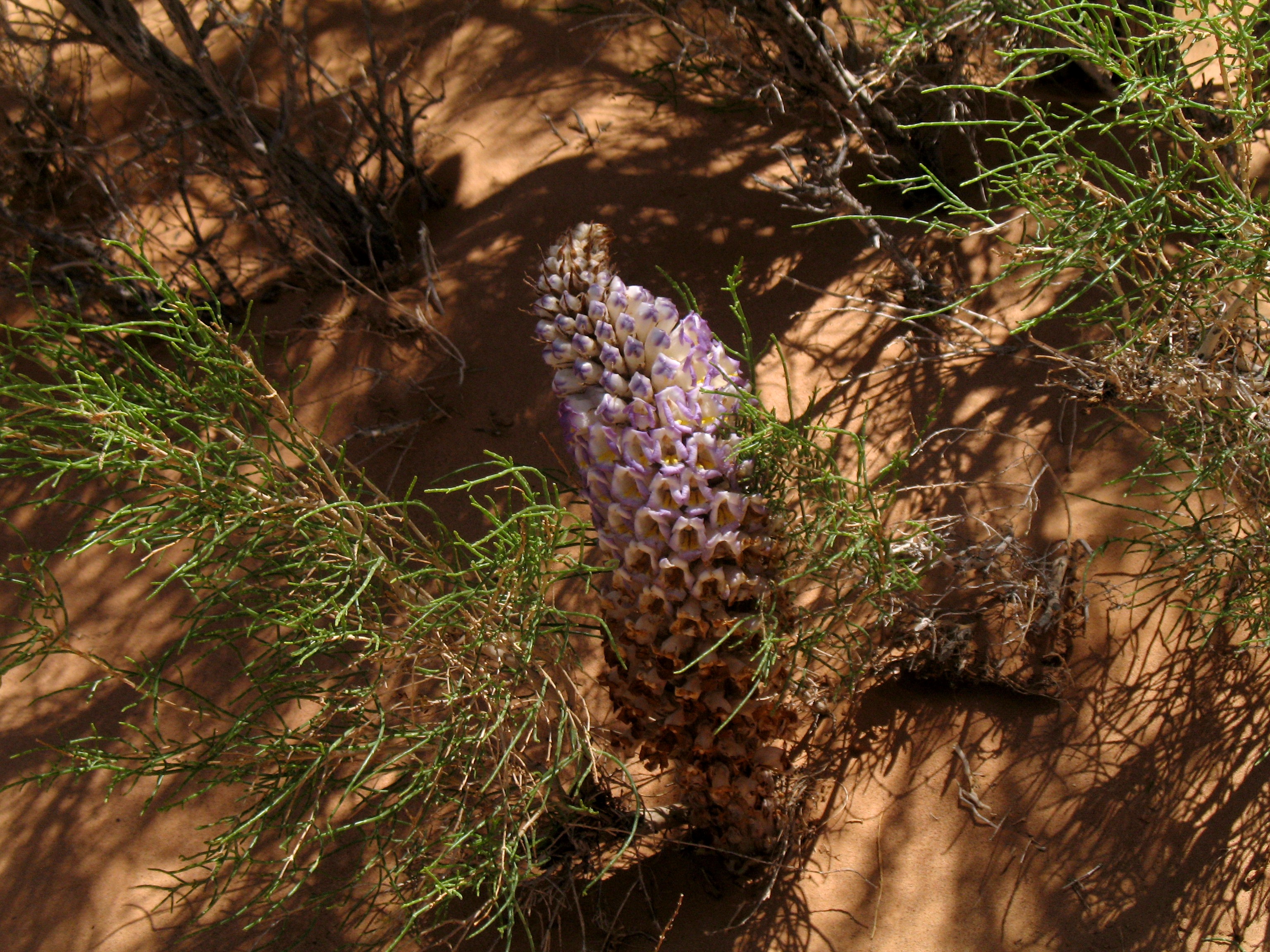 Desert GinsengCistanche deserticola
 Desert parsleyLomatium dissectum
The whole plate is in the library. The compass, Compare, the Sky of eleven hundred plants and the formulary open with an email address and a password, free, with the formula builder and its safety engine. Herbert without limit, his formulating, clients, the handouts and the labels are the paid room.
Open the library, free