Western Herbalism
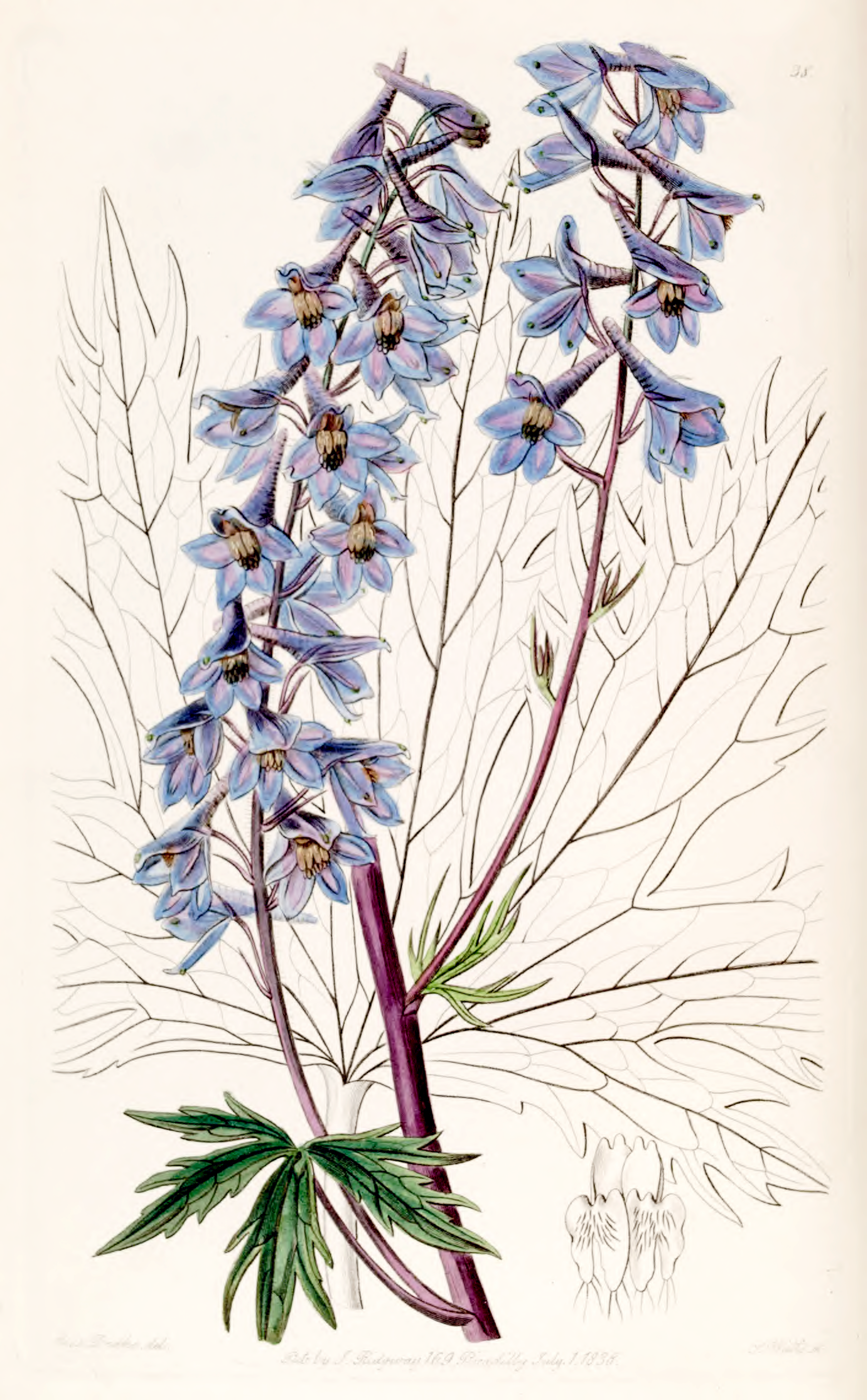
Delphinium staphisagria
Delphinium staphisagria
Also known as Staphysagria, Stavesacre, Staphisagria, Staphisagriae semina, Staphidisagriae, Semina pedicularis, Semen staphisagriae, Lousewort.
Stavesacre is a tall, showy annual to biennial member of the larkspur family, native to the Mediterranean region and long cultivated elsewhere as an ornamental and medicinal plant. The seed is the part used, historically pressed to remove its fixed oil before being made into a tincture or ground for external application. It has a long folk and eclectic history as a parasiticide for lice and, in nineteenth century American eclectic and physiomedical practice, as a specific remedy for irritability of the male and female reproductive organs when given internally in extremely small doses.

Ask Herbert about Delphinium staphisagria. Herbert is the master herbalist inside Bountiful Herbs: he answers from this plate and eleven hundred others, with dosing, pairing and cautions. Your first ten questions are free.
Ask HerbertActions
Indications what the tradition reached for it in
- Pediculosis capitis (head lice)
- Pediculosis pubis (crab lice)
- Scabies (historic topical use)
- Irritable bladder with painful, scanty urination (historic eclectic use)
- Prostatic irritation (historic eclectic use)
- Testicular or spermatic cord irritation (historic eclectic use)
- Neuralgic pain applied topically (historic)
- Toothache applied topically (historic)
- Head lice
- Pubic lice
- Scabies
- Toothache (topical application, historical)
- Neuralgia (historical, external)
- Melancholia with irritability (historical eclectic use)
- Hysteria (historical eclectic use)
- Hypochondriasis (historical eclectic use)
Safety
Recognised toxicity. This plant carries a toxicity flag in the record; it is for trained practitioners only.
Low dose botanical. Used in drop doses in the classical practice; not a plant to dose freely.
Pregnancy: Avoid entirely: the seed contains cardiotoxic and neurotoxic diterpenoid alkaloids and has no established margin of safety in pregnancy.
Breastfeeding: Avoid entirely: no safety data exist and the alkaloid content presents an unacceptable risk to a nursing infant.
Dosing as the sources wrote it
| Preparation | As written | Metric |
|---|---|---|
| Tinctura Staphysagriae, Tincture of Staphysagria | Dose, from five to fifteen minims. | 0.31-0.92 mL |
| Specific Staphysagria | Dose, from one-sixth to three minims. | 0.01-0.18 mL |
| Dose, 1 to 2 grains. | 64.8-130 mg | |
| Dose, 1 to 5 drops. | 0.02-0.1 mL | |
| One of its alkaloids has narcotic properties; and another, delphinine (dose 1/60 to 1/10 grain), has an acrid and benumbing taste and an action much like aconitine, an action which is possessed in greatest force by the combined alkaloids of stavesacre. | ||
| Turnbull states that pure delphinine may be given in doses of ½ grain, to the extent of 3 or 4 grains a day, without any unpleasant results. | 32.4-259 mg |
Doses are reproduced from the sources for practitioners and are not a recommendation for any person.
From the sources
Overview. Stavesacre is a tall, showy annual to biennial member of the larkspur family, native to the Mediterranean region and long cultivated elsewhere as an ornamental and medicinal plant. The seed is the part used, historically pressed to remove its fixed oil before being made into a tincture or ground for external application. It has a long folk and eclectic history as a parasiticide for lice and, in nineteenth century American eclectic and physiomedical practice, as a specific remedy for irritability of the male and female reproductive organs when given internally in extremely small doses.
Overview. Staphysagria is the seed of Delphinium staphisagria, a Mediterranean member of the larkspur family long recognized as one of the most acutely toxic plants used in Western medicine. The crushed seed and its extracts were applied topically as a powerful parasiticide against lice and scabies mites, and the tincture was once dosed internally by eclectic physicians in minute amounts for nervous complaints, a practice now regarded as obsolete and unsafe. Today the plant survives in practice chiefly as a topical antiparasitic and in homeopathic dilution, where the crude toxicity is diluted away.
Clinical Notes. Stavesacre's seeds carry a strong tradition as a lice remedy: crushed or ground seed was made into an ointment, wash, or vinegar rinse and applied to the scalp or pubic hair to kill lice and their eggs.
Clinical Notes. Historically the crushed seed, made into an ointment or lotion with oil or vinegar, was rubbed into the hair and scalp to kill lice and their eggs, and a similar preparation was used against scabies. This external use accounts for almost all of the plant's surviving clinical utility, and even here modern pediculicides with better-established safety margins have largely replaced it.
Drawn from Scudder's Specific Medication and Specific Medicines; King's American Dispensatory, 18th edition (Felter and Lloyd); Ellingwood's American Materia Medica, Therapeutics and Pharmacognosy; Felter's Eclectic Materia Medica, Pharmacology and Therapeutics, and the Bountiful Herbs editorial.
Often paired with
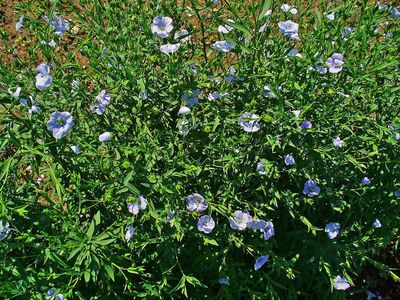 flaxLinum usitatissimum
Nearby on the shelf
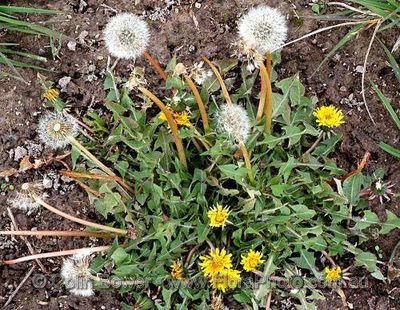 DandelionTaraxacum officinale
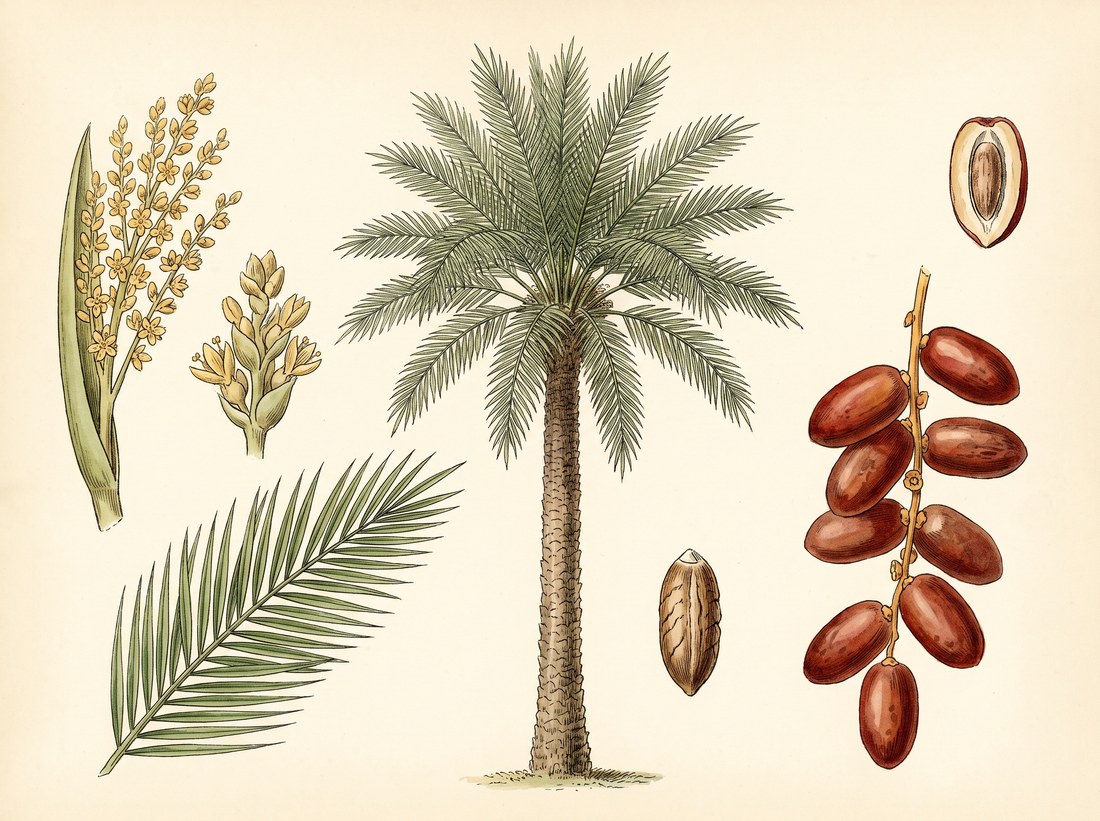 Date palmPhoenix dactylifera
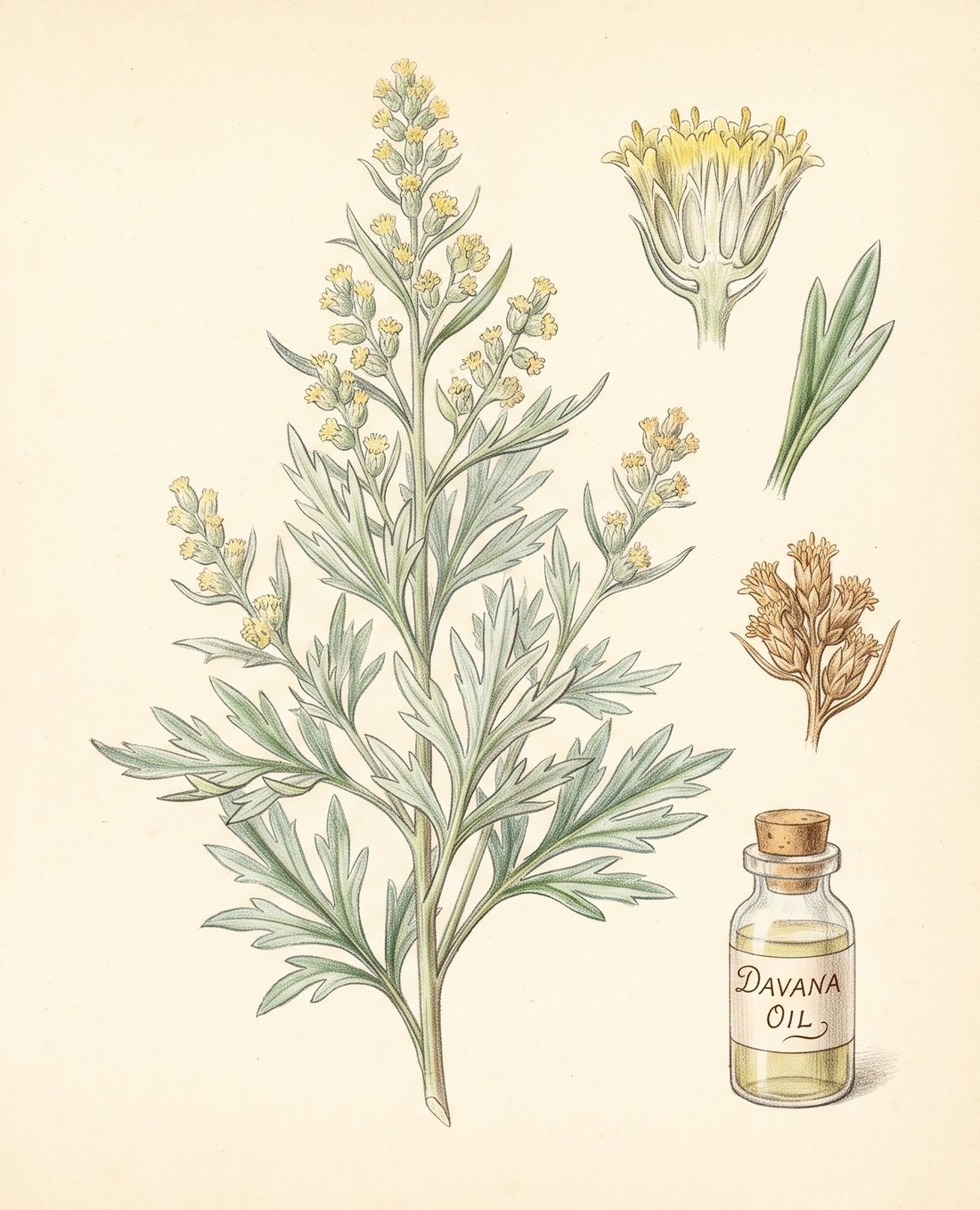 DavanaArtemisia pallens
 Deadly nightshadeAtropa belladonna
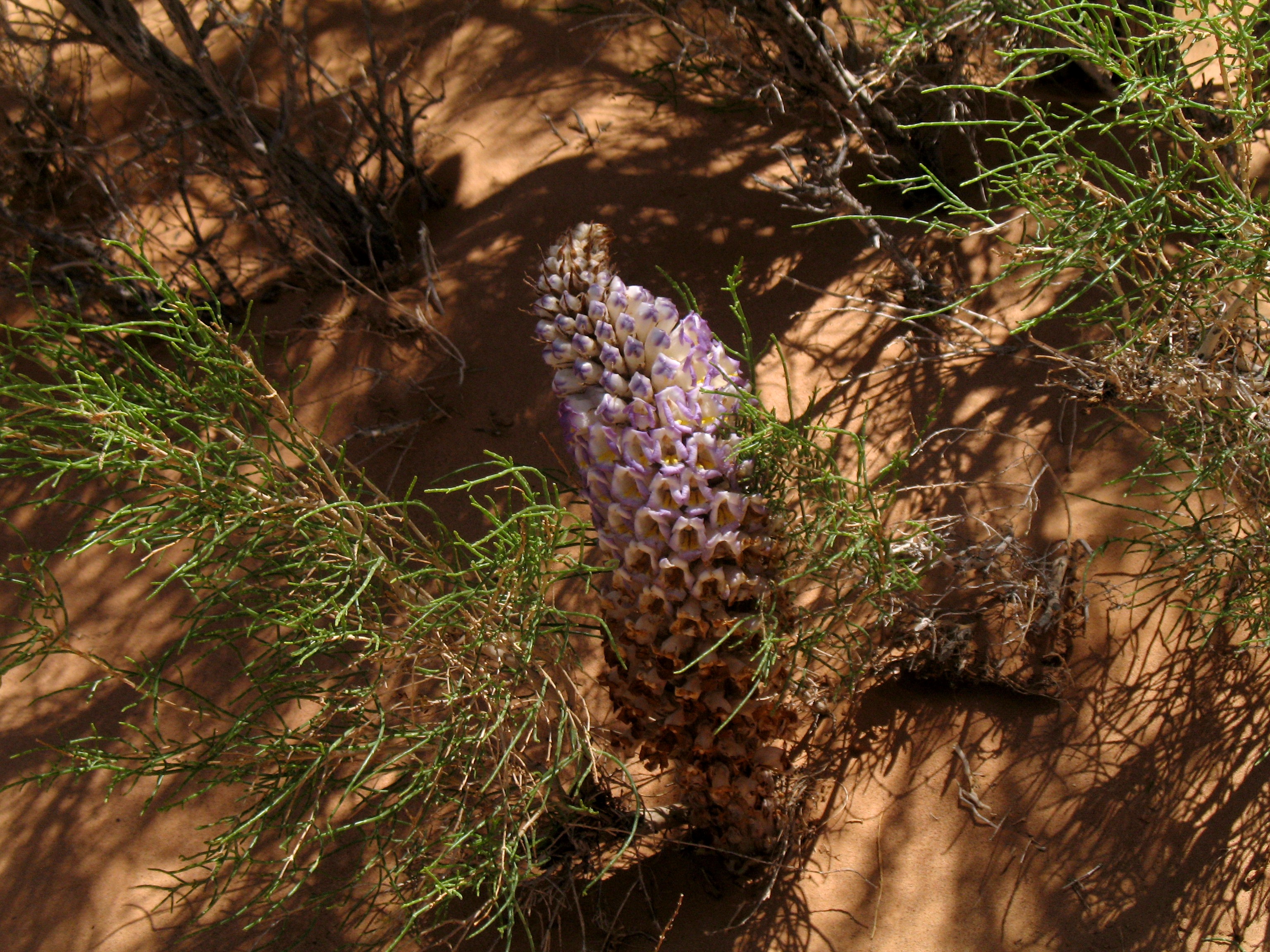 Desert GinsengCistanche deserticola
 Desert parsleyLomatium dissectum
 Devil's clawHarpagophytum procumbens
 Devil's ClubOplopanax horridus
The whole plate is in the library. The compass, Compare, the Sky of eleven hundred plants and the formulary open with an email address and a password, free, with the formula builder and its safety engine. Herbert without limit, his formulating, clients, the handouts and the labels are the paid room.
Open the library, free