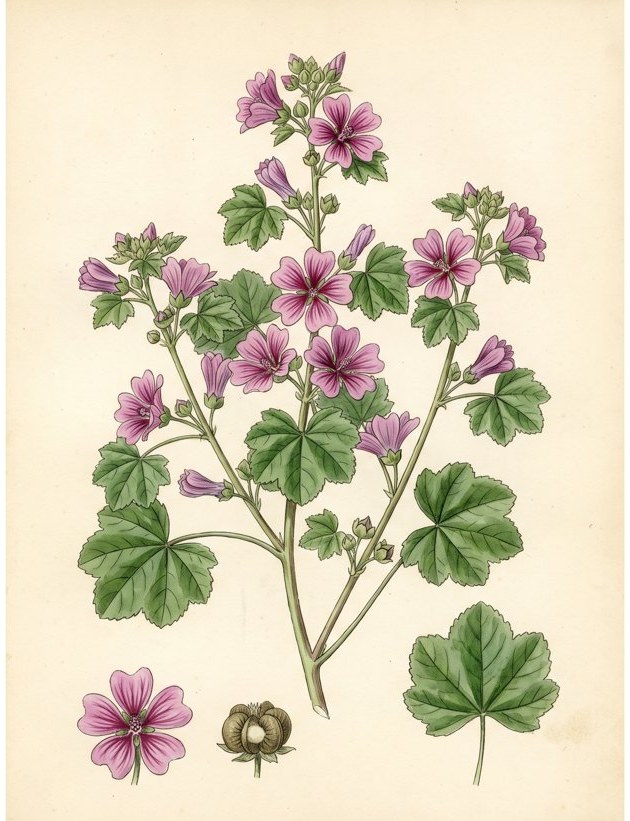
Western Herbalism
Common Mallow
Malva sylvestris
Also known as Common mallows, High mallows.
Traditional use based on long-standing European pharmacopoeias and handbooks primarily demulcent due to high mucilage content safe at traditional doses (up to 5-5.4g/day herbal substance

Ask Herbert about Common Mallow. Herbert is the master herbalist inside Bountiful Herbs: he answers from this plate and eleven hundred others, with dosing, pairing and cautions. Your first ten questions are free.
Ask HerbertActions
Indications what the tradition reached for it in
- Gastroenteritis
- Constipation
- Dry cough
- Oral or pharyngeal irritation
- Inflammation of mouth and pharynx
- Cough
- Dyspeptic symptoms
- Mild gastrointestinal discomfort
- Bronchitis
- Inflammation
- Mucosal irritation
- Respiratory congestion
- Sore throat
- Respiratory complaints
- Dry skin
- Skin irritation
Safety
Pregnancy: Pregnancy Caution
Breastfeeding: Lactation (source flag notSafeInLactation)
The record lists 1 contraindication; open the plate in the library to read them in full.
Dosing as the sources wrote it
| Preparation | As written | Metric |
|---|---|---|
| Herbal tea | Herbal tea (comminuted substance): Leaf 1.8g in 150ml boiling water as infusion or decoction, 3x daily (daily dose 5.4g) | 1800-1800 mg |
| Flower | Flower 1-2g in 250ml boiling water as infusion or decoction, 2-3x daily (daily dose 5g) | 1000-2000 mg |
| adolescents over | adolescents over 12, adults, elderly |
Doses are reproduced from the sources for practitioners and are not a recommendation for any person.
From the sources
Clinical Notes. Traditional use based on long-standing European pharmacopoeias and handbooks primarily demulcent due to high mucilage content safe at traditional doses (up to 5-5.4g/day herbal substance
Properties and Uses. These plants are very demulcent, with slight nervine tonic properties. An infusion may be used freely in irritation of the bowels, kidneys and bladder, and in dysentery and acute nephritic complaints. They make a desirable soothing remedy, and may be used to advantage with agrimony. They are also of much service as an outward application to inflamed surfaces. Medical Herbalism journal and medherb.com The Physiomedical Dispensatory by William Cook, M.D., 1869
Description. Natural Order, Malvaceae. This plant has a perennial root, and a juicy, annual stem two to three feet high; sometimes cultivated in gardens, but common by road-sides in the East. Leaves large, broadly heart-shaped, soft, plaited, and slightly seven-lobed. Flowers resembling the well-known holly-hock, but more tubular, an inch in diameter, shiny, light purple, veined, on hairy peduncles in the axils of the leaves. MALVA ROTUNDIFOLIA, the low or cheese mallows, is an insignificant and sometimes troublesome plant, growing near dwellings, procumbent, with nearly round and wavy-edged, leaves an inch in diameter; beneath which are concealed the small, white, short-pedunculate flowers.
indications. Common Mallow is traditionally indicated for: Gastroenteritis, Constipation, Dry cough, Oral or pharyngeal irritation, Inflammation of mouth and pharynx, Cough, Dyspeptic symptoms, Mild gastrointestinal discomfort, Bronchitis, Inflammation, Mucosal irritation, Respiratory congestion, Sore throat, Respiratory complaints, Dry skin, and 1 further conditions.
Drawn from Cook's Physio-Medical Dispensatory, and the Bountiful Herbs editorial.
Nearby on the shelf
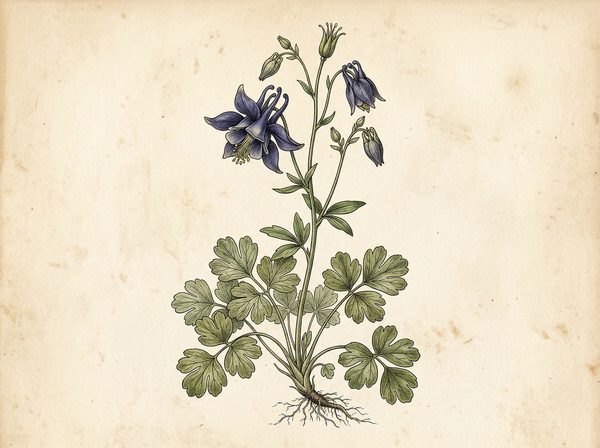 ColumbineAquilegia vulgaris
 ComfreySymphytum officinale
 Common goldenrodSolidago altissima
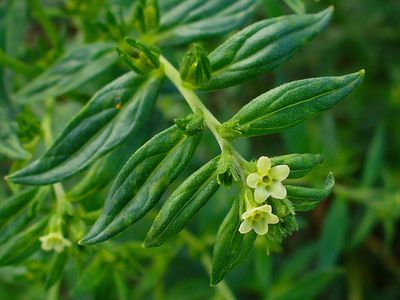 Common gromwellLithospermum officinale
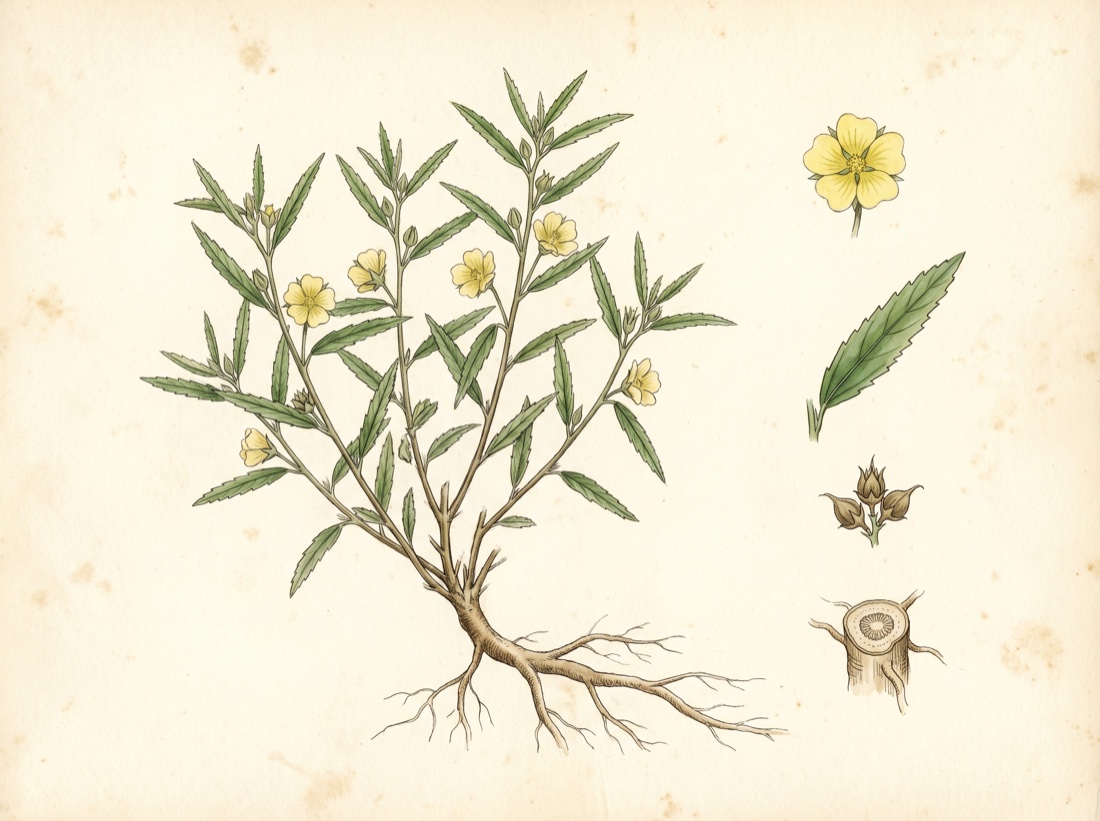 Common wireweedSida acuta
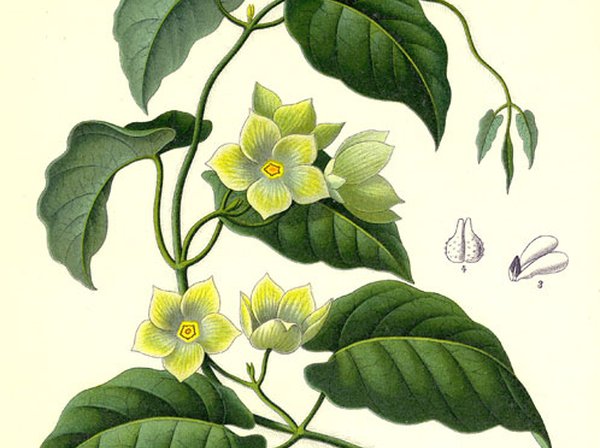 CondurangoMarsdenia cundurango
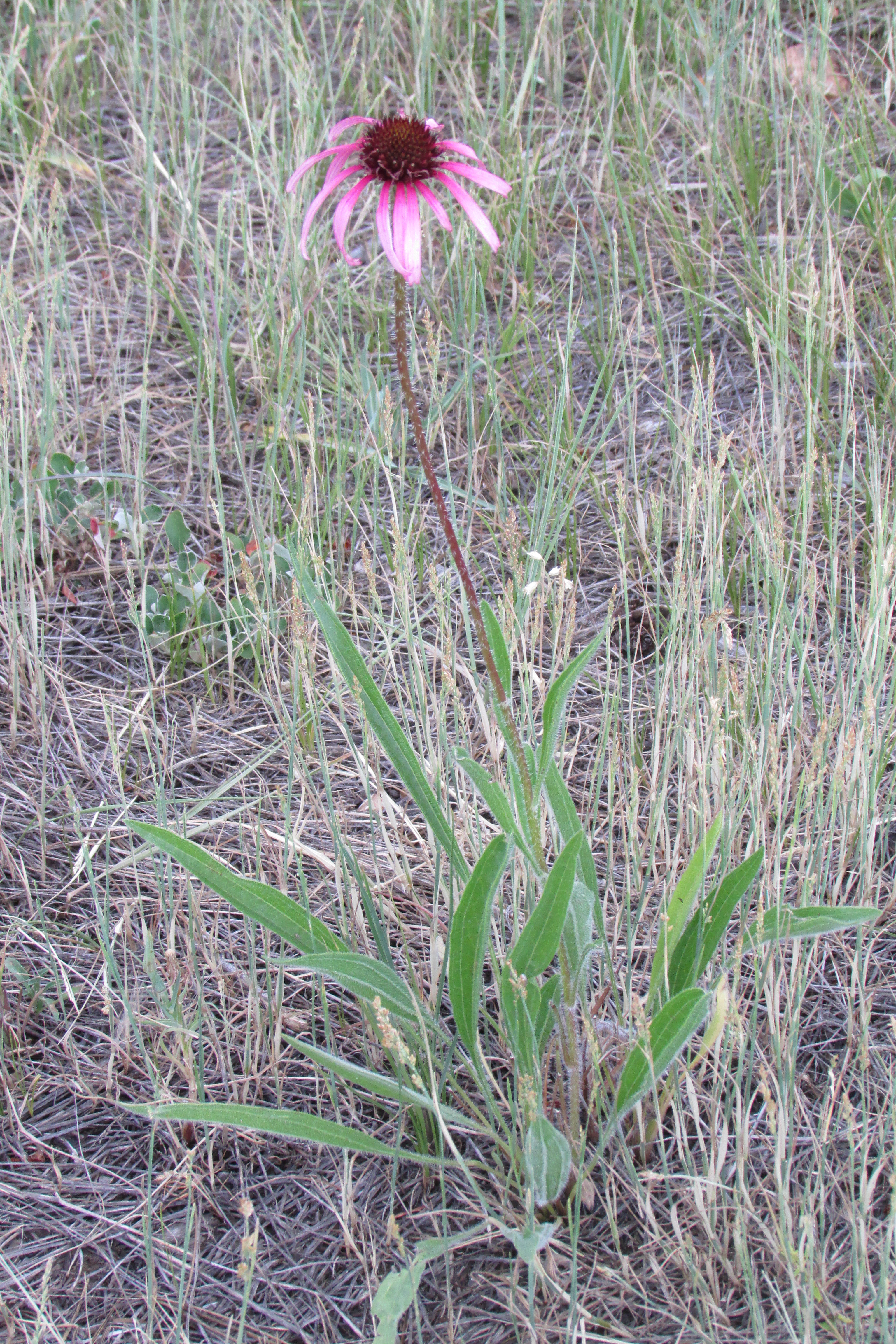 ConeflowerEchinacea angustifolia
 ContrayervaDorstemia contrayerva
The whole plate is in the library. The compass, Compare, the Sky of eleven hundred plants and the formulary open with an email address and a password, free, with the formula builder and its safety engine. Herbert without limit, his formulating, clients, the handouts and the labels are the paid room.
Open the library, free