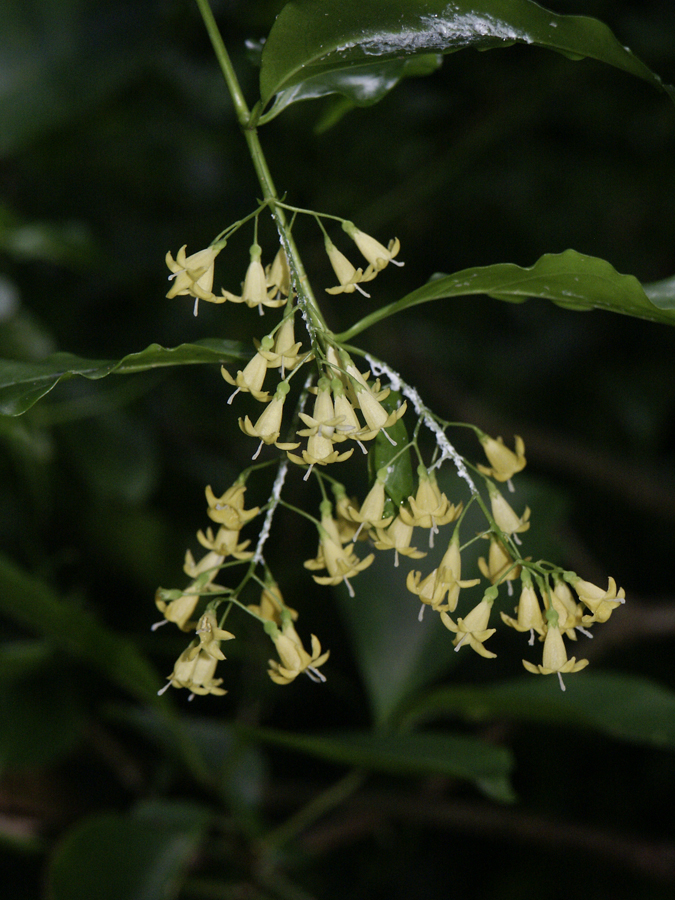
Western Herbalism
Cahinca root
Cahinca
Also known as Cainca root, Snowberry, Cluster-flowered snowberry, David's root, Cahinca, Cainca.
Cahinca is the root of a South American Rubiaceae shrub long harvested in Brazil and used by nineteenth century eclectic physicians as a diuretic and alterative. The dried root, sliced or in coarse fragments, was decocted or made into a fluid extract and formed part of the older materia medica for dropsy, chronic rheumatism, and venereal disease. It fell out of common use in the twentieth century as gentler and better studied diuretics and alteratives became available, and it is now a historical curiosity more than an active dispensing herb.

Ask Herbert about Cahinca root. Herbert is the master herbalist inside Bountiful Herbs: he answers from this plate and eleven hundred others, with dosing, pairing and cautions. Your first ten questions are free.
Ask HerbertActions
Indications what the tradition reached for it in
- Dropsy (edema) of cardiac or hepatic origin
- Chronic rheumatism
- Syphilis as an alterative adjunct
- Hepatic torpor with sluggish bile flow
- Chronic skin eruptions attributed to blood impurity
- Ascites
- Gonorrhea (historical alterative use)
- General glandular sluggishness
Specific indications
Dependent edema with scanty urine and a bitter, coated tongue
Chronic joint pain with a history of syphilitic or scrofulous taint, calling for a slow alterative course
Safety
Low dose botanical. Used in drop doses in the classical practice; not a plant to dose freely.
Pregnancy: Avoid in pregnancy given its purgative and emetic potential at higher doses and the absence of modern safety data.
Breastfeeding: Avoid during lactation due to insufficient safety information and its known emetic-cathartic action at higher doses.
The record lists 5 contraindications; open the plate in the library to read them in full.
In practice
In the older eclectic literature cahinca was reached for chiefly in dropsical states, particularly when edema accompanied hepatic congestion or a syphilitic history, and it was often combined with other alteratives such as stillingia or sarsaparilla for a slow, sustained course of treatment.
Dosing as the sources wrote it
| Preparation | As written | Metric |
|---|---|---|
| Decoction | 1-2 g dried root in decoction, once or twice daily | 1000-2000 mg |
| Tincture (1:5) | 0.5-2 mL three times daily, starting at the low end | 0.5-2 mL |
| or from | or from 10 to 20 grains of an aqueous or spirituous extract. It may also be used in decoction or tincture (root, ℥viii to alcohol 98 per cent, Oj). Tincture, 1 to 5 drops. | 648-1296 mg |
Doses are reproduced from the sources for practitioners and are not a recommendation for any person.
From the sources
Overview. Cahinca is the root of a South American Rubiaceae shrub long harvested in Brazil and used by nineteenth century eclectic physicians as a diuretic and alterative. The dried root, sliced or in coarse fragments, was decocted or made into a fluid extract and formed part of the older materia medica for dropsy, chronic rheumatism, and venereal disease. It fell out of common use in the twentieth century as gentler and better studied diuretics and alteratives became available, and it is now a historical curiosity more than an active dispensing herb.
Clinical Notes. In the older eclectic literature cahinca was reached for chiefly in dropsical states, particularly when edema accompanied hepatic congestion or a syphilitic history, and it was often combined with other alteratives such as stillingia or sarsaparilla for a slow, sustained course of treatment.
Drawn from King's American Dispensatory, 18th edition (Felter and Lloyd), and the Bountiful Herbs editorial.
Nearby on the shelf
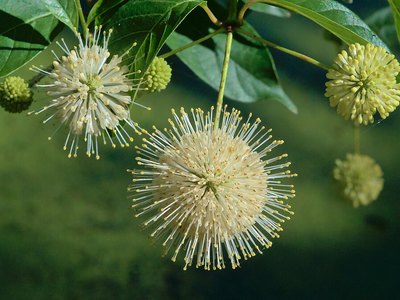 ButtonbushCephalanthus occidentalis
 Cabbage roseRosa Centifolia
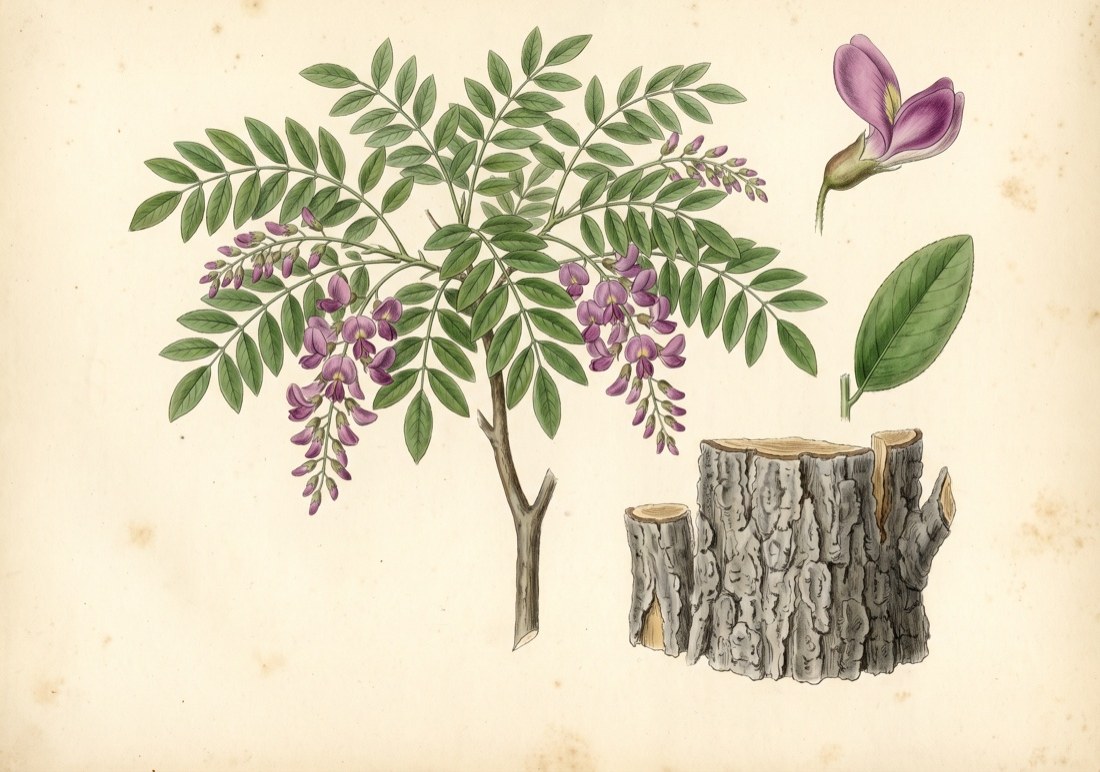 Cabbage tree barkAndira
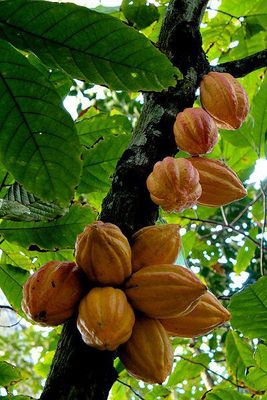 CacaoTheobroma cacao
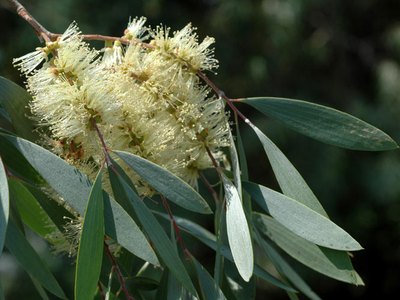 CajeputMelaleuca cajuputi
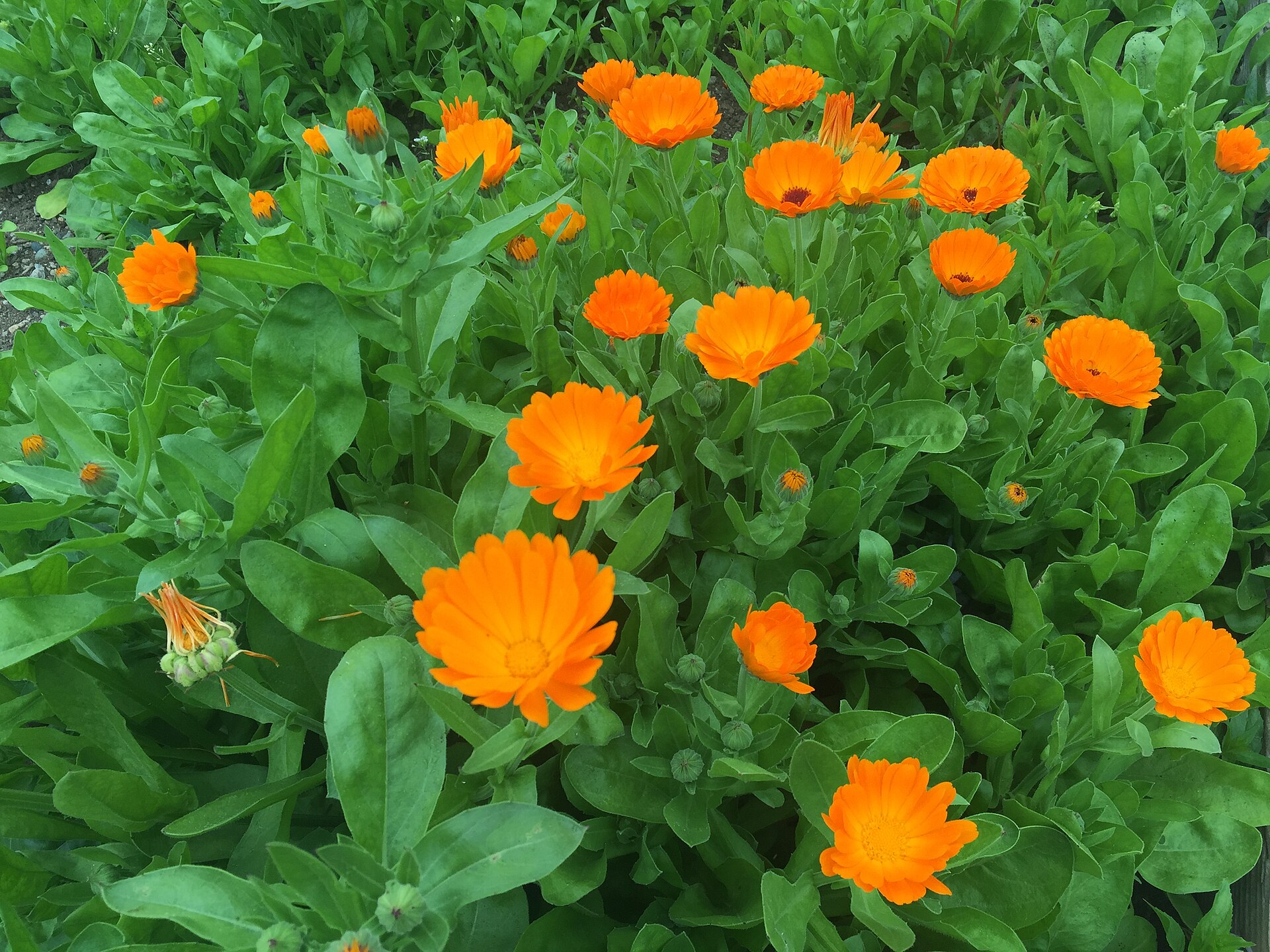 CalendulaCalendula officinalis
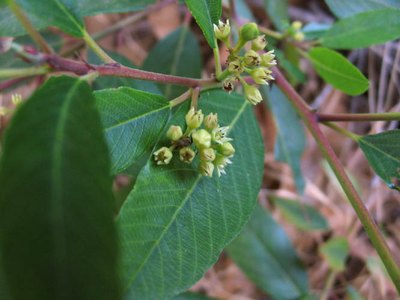 California buckthornRhamnus Californica
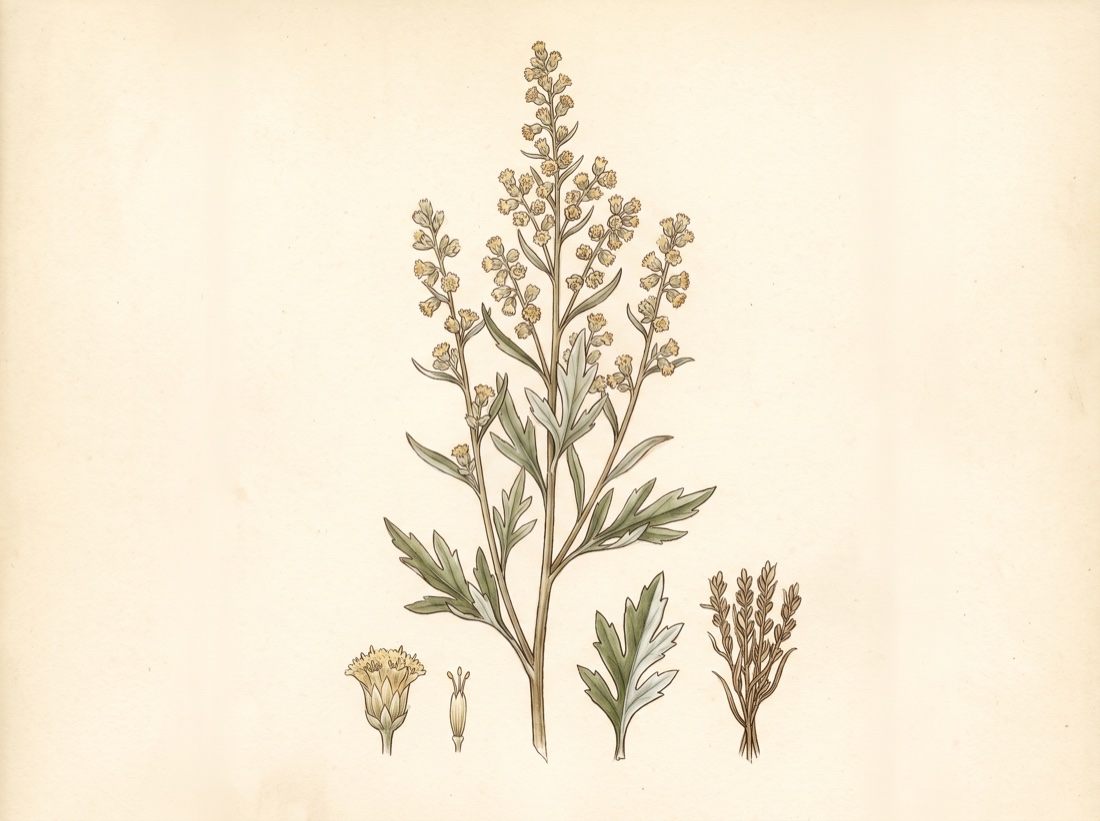 California mugwortArtemisia douglasiana
The whole plate is in the library. The compass, Compare, the Sky of eleven hundred plants and the formulary open with an email address and a password, free, with the formula builder and its safety engine. Herbert without limit, his formulating, clients, the handouts and the labels are the paid room.
Open the library, free