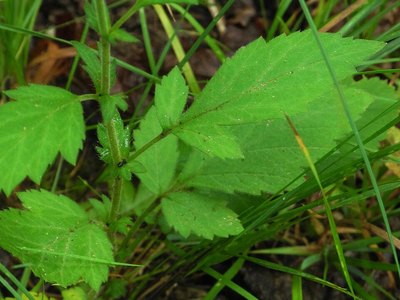
Western Herbalism
Avens
Geum virginianum
Also known as Chocolate root, Throat root, Cream avens, Pale avens.
Geum virginianum, known in older American practice as avens, chocolate root, or throat root, is a low, bristly-hairy perennial of the rose family found in damp woods and low ground across the northern and eastern United States and Canada. The root is the part used: small, hard, contorted, and brown, with a faint clove-like aroma when fresh due to volatile constituents released on drying or extraction. Physiomedicalist and Eclectic practitioners of the nineteenth century placed it among the astringent tonics, close in use to its European relatives Geum urbanum and Geum rivale, and reached for it wherever tissue was relaxed, boggy, and prone to passive discharge or hemorrhage.

Ask Herbert about Avens. Herbert is the master herbalist inside Bountiful Herbs: he answers from this plate and eleven hundred others, with dosing, pairing and cautions. Your first ten questions are free.
Ask HerbertActions
Indications what the tradition reached for it in
- Chronic diarrhea
- Dysentery
- Sore throat
- Pharyngitis with excess mucus
- Mouth ulcers
- Gingivitis and spongy gums
- Leukorrhea
- Menorrhagia
- Intestinal catarrh
- Passive hemorrhage
- Atonic dyspepsia with lax tissue
Specific indications
Sore, relaxed throat with copious thin mucous discharge, worse on swallowing
Loose, watery, chronic diarrhea in a person with generally lax, boggy tissue rather than acute inflammation
Safety
Pregnancy: Traditional data are insufficient to confirm safety in pregnancy; avoid routine internal use given the lack of modern safety data.
Breastfeeding: No specific data available; avoid routine internal use during lactation as a precaution.
The record lists 3 contraindications; open the plate in the library to read them in full.
In practice
Avens root is a straightforward tannin-rich astringent, used much as one would use agrimony or cranesbill: to tighten and tone relaxed mucous membrane and check excessive, passive discharge. Its traditional niche, hence the name throat root, was the sore, boggy throat with free mucus rather than the hot, dry, acutely inflamed throat, where a more diffusive or anti-inflammatory herb would suit better.
Dosing as the sources wrote it
| Preparation | As written | Metric |
|---|---|---|
| Decoction of dried root | 2-4 g dried root daily, short decoction | 2000-4000 mg |
| Tincture (1:5, 40%) | 2-4 mL three times daily | 2-4 mL |
| Gargle or mouthwash | strong infusion, used topically as needed | |
| Dose, one to two fluid ounces every four or three hours | 29.57-59.15 mL | |
| In doses of thirty grains or more, repeated every fifteen minutes, it is a prompt emetic, operating mildly, and not tasting so unpleasant nor causin | 1944-1944 mg | |
| It acts somewhat promptly on the bowels, securing thin discharges in doses of twenty or twenty-five grains | 1620-1620 mg |
Doses are reproduced from the sources for practitioners and are not a recommendation for any person.
From the sources
Overview. Geum virginianum, known in older American practice as avens, chocolate root, or throat root, is a low, bristly-hairy perennial of the rose family found in damp woods and low ground across the northern and eastern United States and Canada. The root is the part used: small, hard, contorted, and brown, with a faint clove-like aroma when fresh due to volatile constituents released on drying or extraction. Physiomedicalist and Eclectic practitioners of the nineteenth century placed it among the astringent tonics, close in use to its European relatives Geum urbanum and Geum rivale, and reached for it wherever tissue was relaxed, boggy, and prone to passive discharge or hemorrhage.
Clinical Notes. Avens root is a straightforward tannin-rich astringent, used much as one would use agrimony or cranesbill: to tighten and tone relaxed mucous membrane and check excessive, passive discharge. Its traditional niche, hence the name throat root, was the sore, boggy throat with free mucus rather than the hot, dry, acutely inflamed throat, where a more diffusive or anti-inflammatory herb would suit better.
Properties and Uses. This root is a mild astringent, of a pleasant taste, and soothing and tonic in action. It is not so drying as it is strengthening to the mucous membranes; and this fact, together with its mildness and pleasantness, makes it an article of peculiar worth.
Properties and Uses. This root is relaxing and stimulating, acting rather promptly, and chiefly influencing the skin and mucous membranes. In doses of thirty grains or more, repeated every fifteen minutes, it is a prompt emetic, operating mildly, and not tasting so unpleasant nor causing so much nauseous relaxation as lobelia.
Drawn from Cook's Physio-Medical Dispensatory, and the Bountiful Herbs editorial.
Nearby on the shelf
 AsparagusAsparagus
 AspenPopulus tremuloides
 AtibalaAbutilon indicum
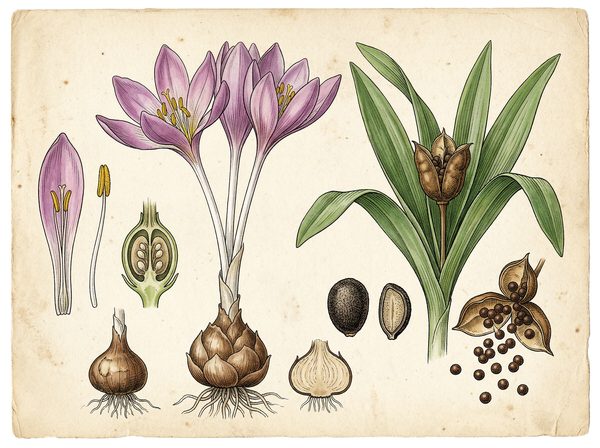 Autumn CrocusColchicum autumnale
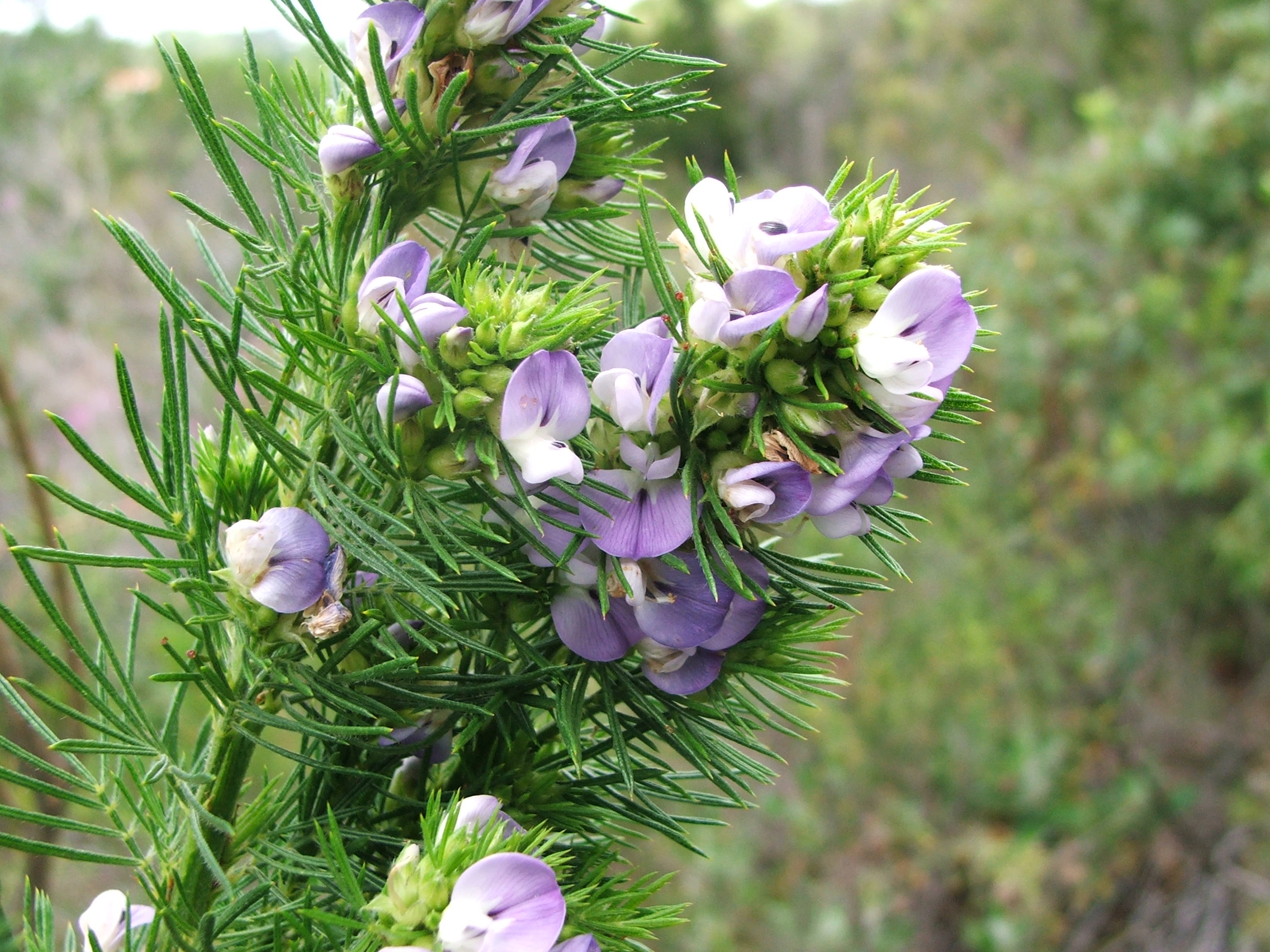 BabchiPsoralea corylifolia
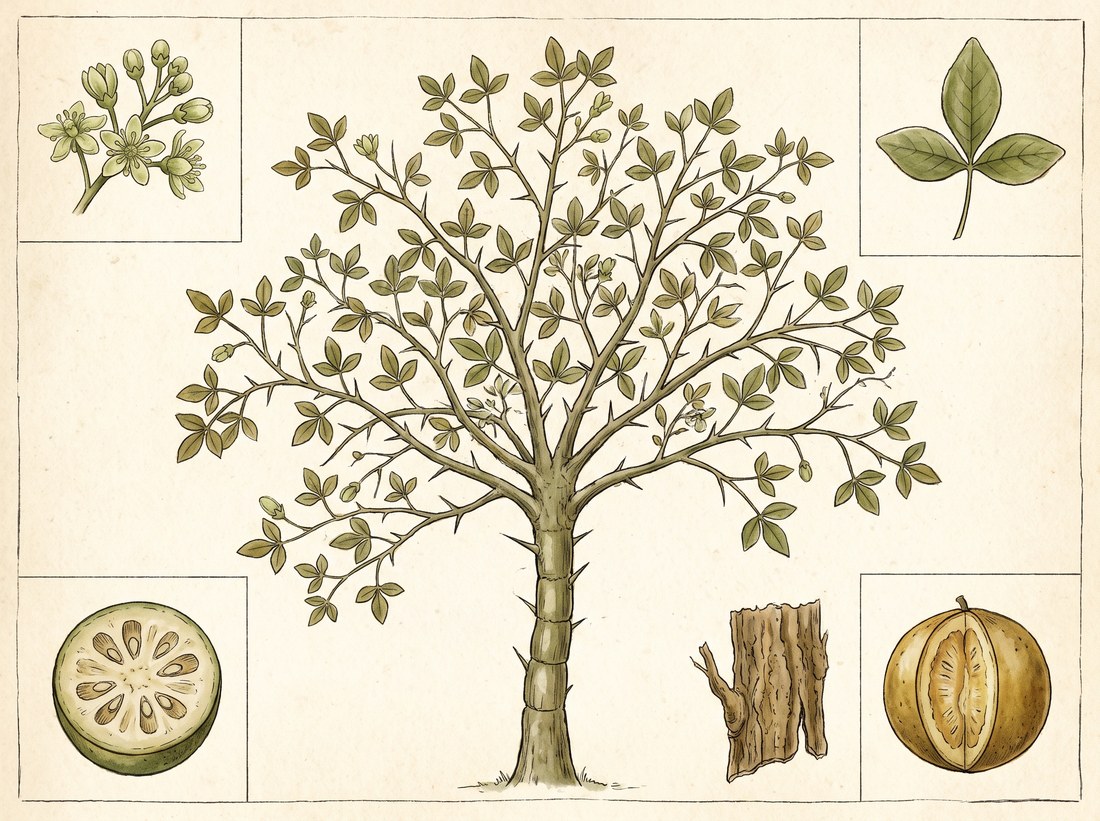 BaelAegle marmelos
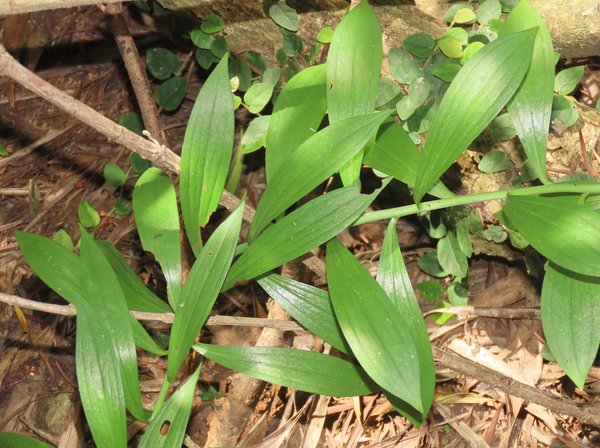 Bai HeLilium brownii
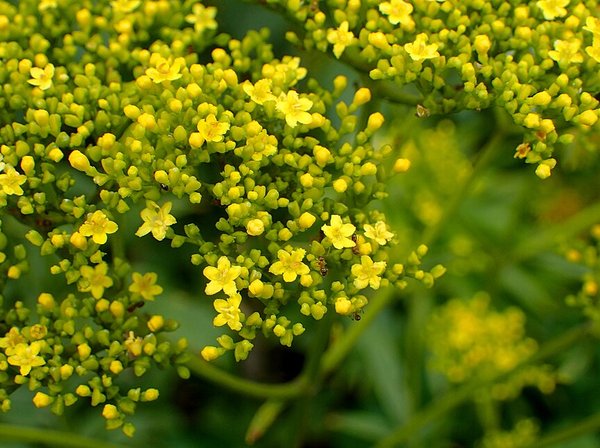 Bai Jiang CaoPatrinia scabiosifolia
The whole plate is in the library. The compass, Compare, the Sky of eleven hundred plants and the formulary open with an email address and a password, free, with the formula builder and its safety engine. Herbert without limit, his formulating, clients, the handouts and the labels are the paid room.
Open the library, free