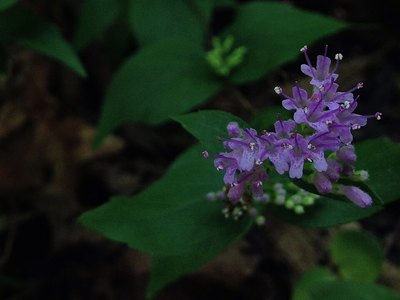
Western Herbalism
American dittany
Cunila mariana
Also known as Mountain dittany, Stonemint, Common dittany, Sweet horsemint, Dittany.
Cunila mariana, now generally known botanically as Cunila origanoides, is a small perennial mint native to dry, rocky woodlands and hillsides of the eastern United States, from New York south to Georgia and westward. The fragrant leafy tops, rich in aromatic volatile oil, are the part used. It held a place among the physiomedicalist and earlier American folk practitioners as a warming diaphoretic and carminative, taken as a hot tea similar in use to pennyroyal, to which the old writers compared its scent and action.

Ask Herbert about American dittany. Herbert is the master herbalist inside Bountiful Herbs: he answers from this plate and eleven hundred others, with dosing, pairing and cautions. Your first ten questions are free.
Ask HerbertActions
Indications what the tradition reached for it in
- Early common cold with chills and cold extremities
- Feverish illness with poor peripheral circulation
- Flatulent dyspepsia
- Colic
- Nervous or spasmodic stomach upset
- Delayed or sluggish menstruation with cramping
- Sore throat (as a gargle)
- Minor insect bites and stings (traditional topical use)
- General debility with a cold, damp constitution
Specific indications
Chilliness and cold, clammy extremities at the onset of a cold, calling for a hot infusion to open the skin and promote sweating
Delayed menses with cramping in a person of sluggish, cold constitution
Safety
Low dose botanical. Used in drop doses in the classical practice; not a plant to dose freely.
Pregnancy: Avoid therapeutic doses in pregnancy given its traditional reputation as an emmenagogue and its close botanical kinship to pennyroyal, though it is much milder and lower in ketone content.
The record lists 2 contraindications; open the plate in the library to read them in full.
In practice
Cunila is best reached for at the very first hint of a cold, when a person feels chilled, has cold hands and feet, and the skin is dry or unresponsive. A hot infusion taken freely at this stage was the classic physiomedicalist approach: it is diffusive, meaning its stimulating warmth spreads quickly through the system, encouraging peripheral circulation and a gentle sweat that can shorten the course of a simple febrile cold.
Dosing as the sources wrote it
| Preparation | As written | Metric |
|---|---|---|
| Hot infusion | 1-2 g dried aerial parts as tea, 2-3 times daily, taken hot | 1000-2000 mg |
| Tincture (1:5, 45%) | 2-4 mL three times daily | 2-4 mL |
| The oil is sometimes used in doses of two or three drops | 0.06-0.06 mL | |
| The volatile oil possesses all the medicinal properties of the herb, and may be given in doses of from 5 to 10 drops. | 0.15-0.3 mL | |
| Dose, 20 to 60 grains. | 1296-3888 mg |
Doses are reproduced from the sources for practitioners and are not a recommendation for any person.
From the sources
Overview. Cunila mariana, now generally known botanically as Cunila origanoides, is a small perennial mint native to dry, rocky woodlands and hillsides of the eastern United States, from New York south to Georgia and westward. The fragrant leafy tops, rich in aromatic volatile oil, are the part used. It held a place among the physiomedicalist and earlier American folk practitioners as a warming diaphoretic and carminative, taken as a hot tea similar in use to pennyroyal, to which the old writers compared its scent and action.
Clinical Notes. Cunila is best reached for at the very first hint of a cold, when a person feels chilled, has cold hands and feet, and the skin is dry or unresponsive. A hot infusion taken freely at this stage was the classic physiomedicalist approach: it is diffusive, meaning its stimulating warmth spreads quickly through the system, encouraging peripheral circulation and a gentle sweat that can shorten the course of a simple febrile cold.
Properties and Uses. The whole plant, and especially the leaves, are diffusively stimulating and relaxing-being among the more pungent and pleasant of the aromatics. They secure a prompt action on the surface, arousing the capillaries and inducing moderate perspiration.
Description. Natural Order, Labiatae, or mint family. Genus CUNILA: Perennial plants, with small flowers in corymbed clusters. Calyx ovate-tubular, five-toothed, ten-ribbed, very hairy in the throat. Corolla with the upper lip erect, flat, notched; lower lip spreading and three-cleft.
Drawn from Cook's Physio-Medical Dispensatory; King's American Dispensatory, 18th edition (Felter and Lloyd), and the Bountiful Herbs editorial.
Nearby on the shelf
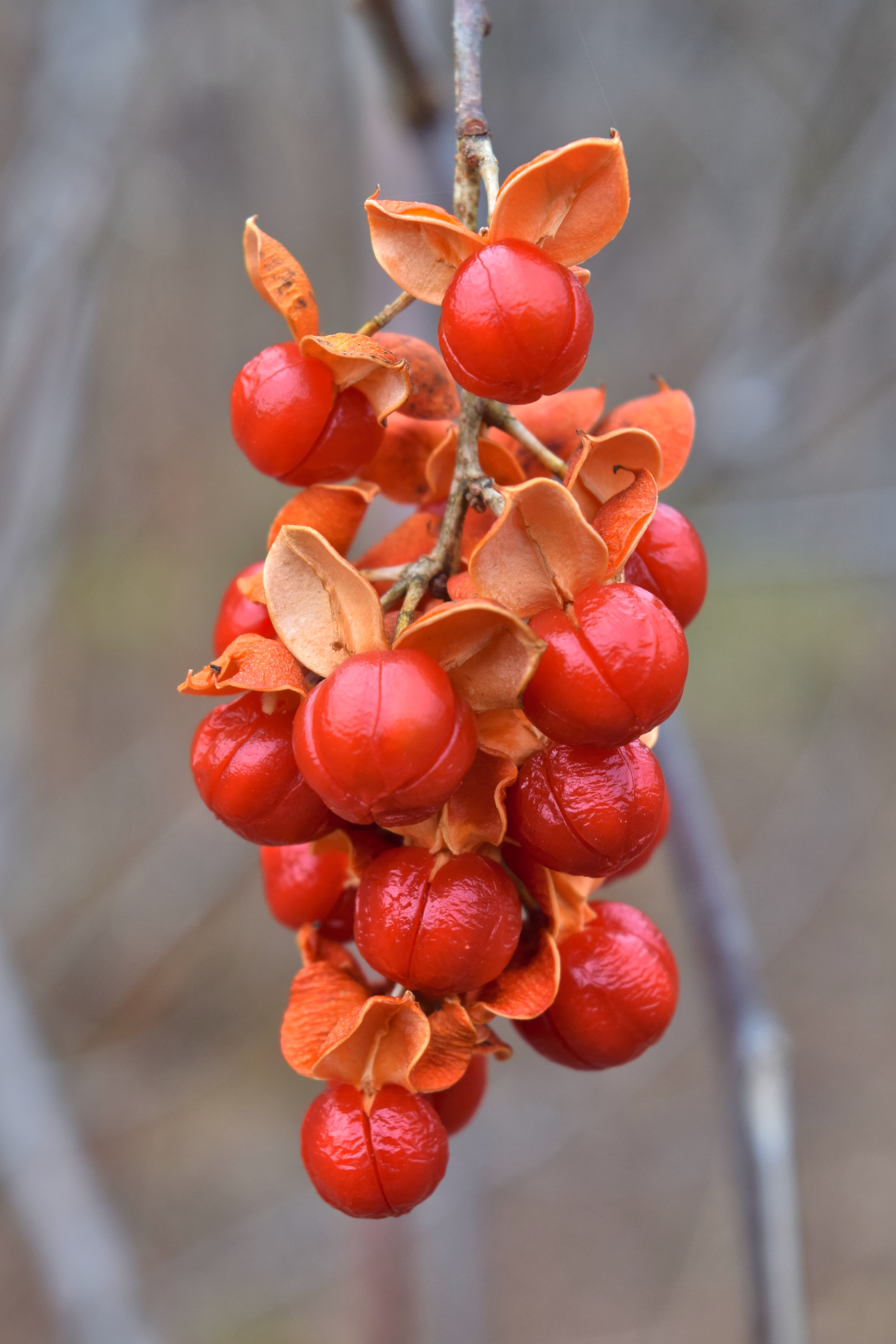 American bittersweetCelastrus scandens
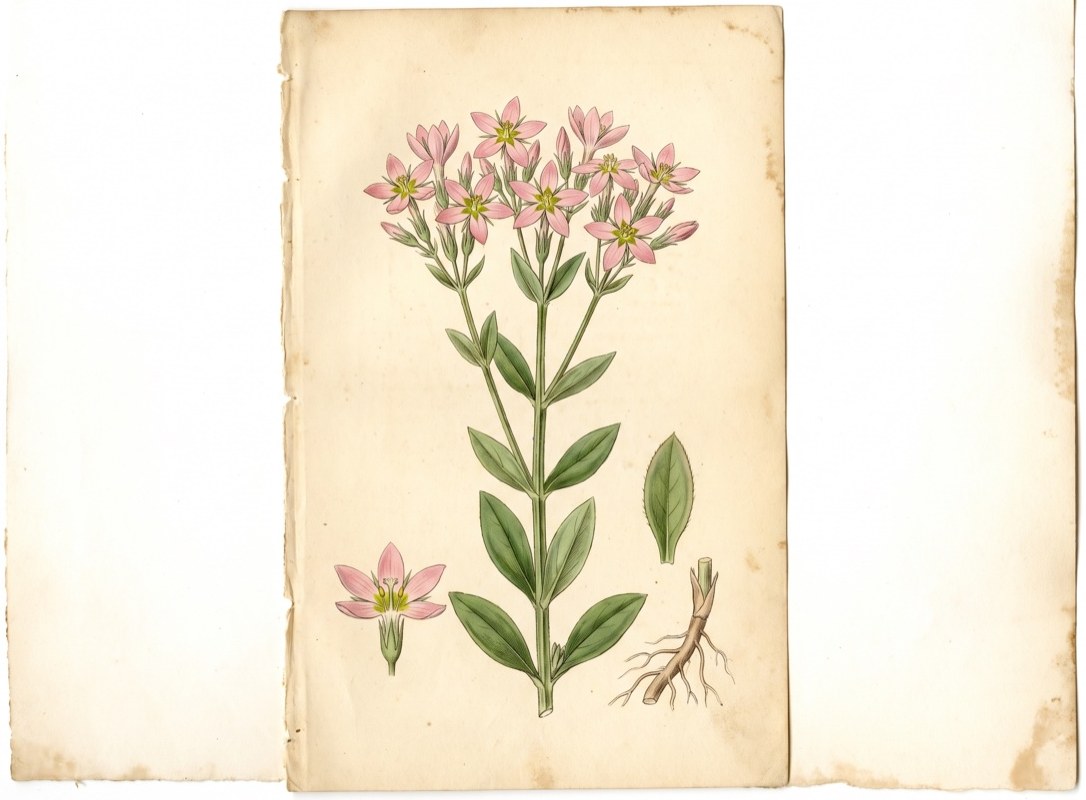 American centaurySabbatia angularis
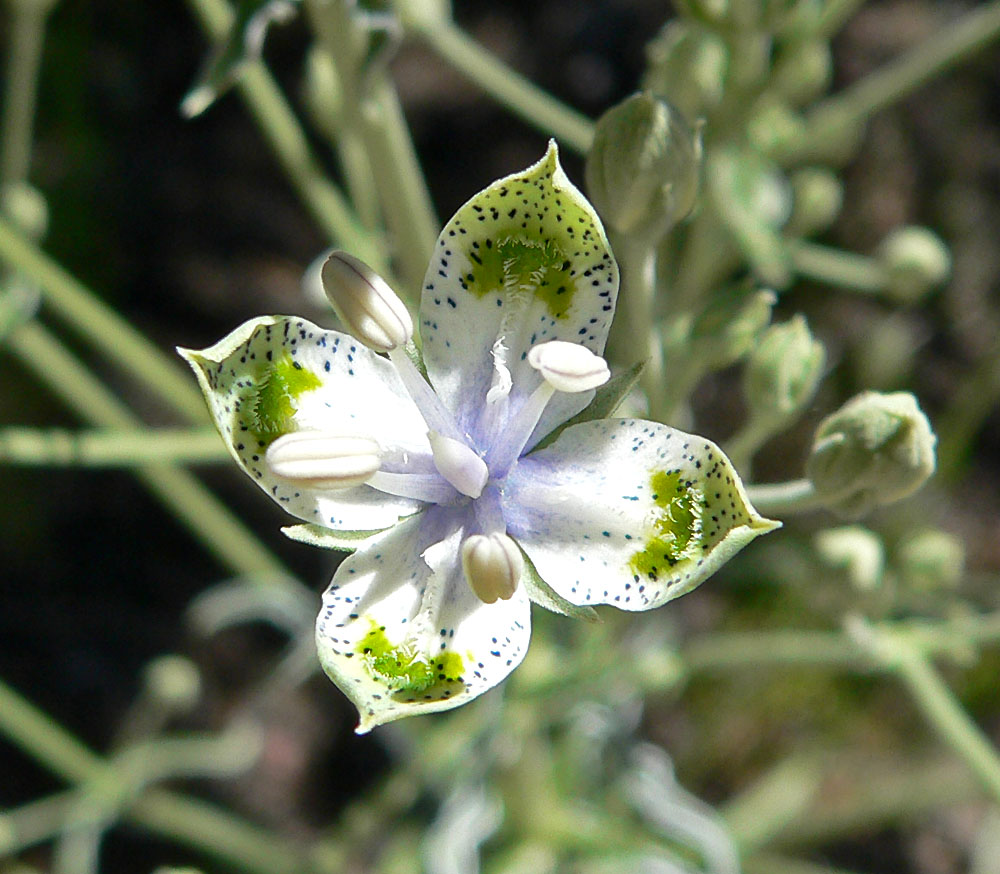 American columboFrasera carolinensis
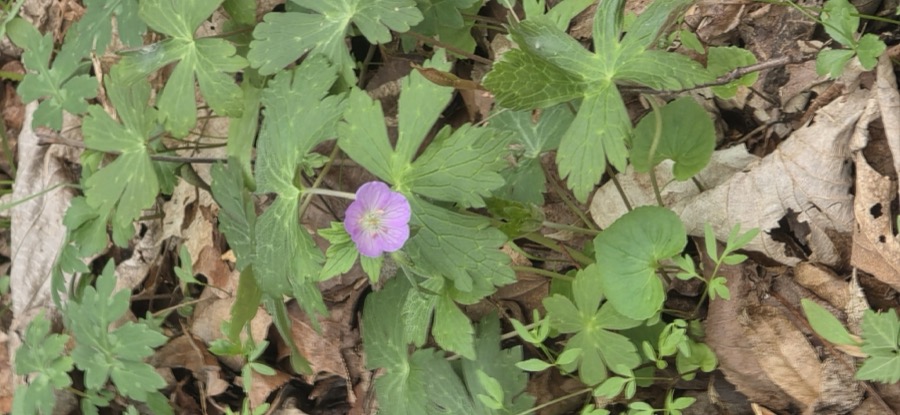 American cranesbillGermanium maculata
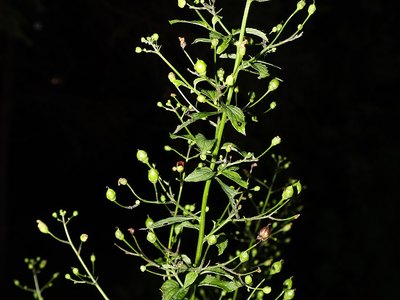 American figwortScrophularia marilandica
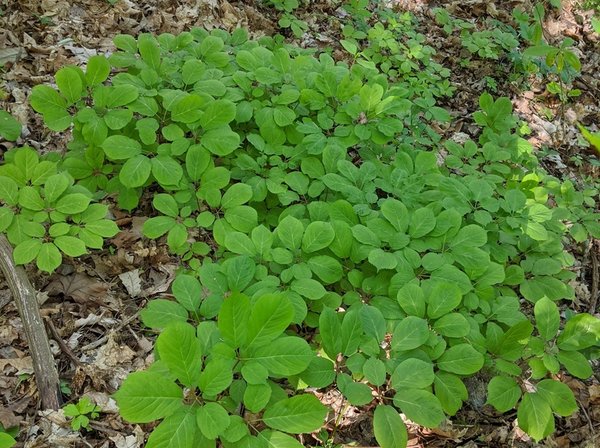 American GinsengPanax quinquefolius
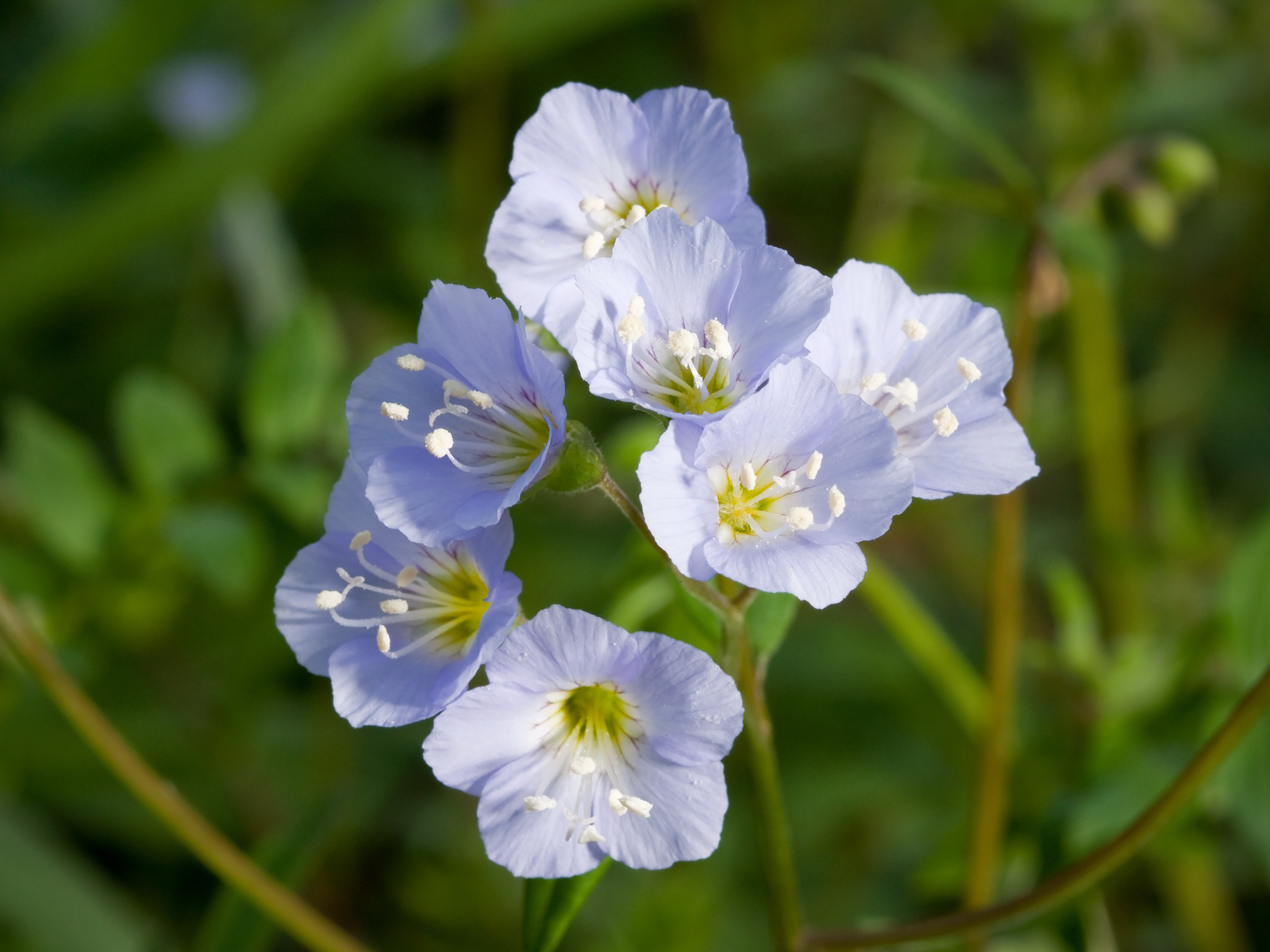 American Greek ValerianPolemonium
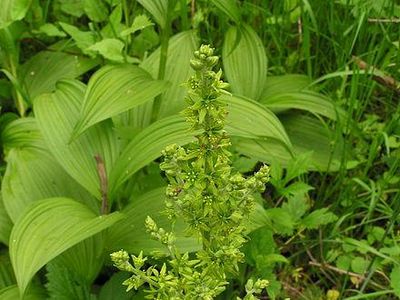 American helleboreVeratrum viride
The whole plate is in the library. The compass, Compare, the Sky of eleven hundred plants and the formulary open with an email address and a password, free, with the formula builder and its safety engine. Herbert without limit, his formulating, clients, the handouts and the labels are the paid room.
Open the library, free