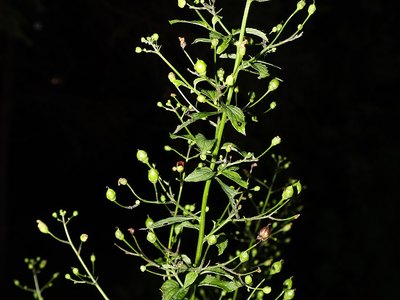
Western Herbalism
American figwort
Scrophularia marilandica
Also known as Maryland figwort, carpenter's square, late figwort, square stalk.
American figwort is a tall, coarse perennial herb native to woodland edges and moist thickets across eastern North America, closely related to the European figwort long used for scrofulous skin disease. The aerial parts and leaves were the parts favored by nineteenth century American eclectic physicians, who classed it among the alteratives for chronic skin and glandular complaints. Its common name reflects the old doctrine of signatures linking figwort to scrofula, the tuberculous lymphadenopathy that gave the plant family its historical name.

Ask Herbert about American figwort. Herbert is the master herbalist inside Bountiful Herbs: he answers from this plate and eleven hundred others, with dosing, pairing and cautions. Your first ten questions are free.
Ask HerbertActions
Indications what the tradition reached for it in
- Chronic eczema
- Psoriasis
- Scrofulous swellings and indurated lymph nodes
- Mastitis with congested, tender breast tissue
- Hemorrhoids
- Chronic skin ulcers and slow-healing wounds
- Pruritus of the skin
- Boils and chronic abscesses
- Swollen glands after infection
Specific indications
Chronic, itchy, scaling eczema that is slow to resolve, especially with associated glandular swelling
Hard, sluggish, enlarged lymph nodes that fail to soften or drain
Safety
Low dose botanical. Used in drop doses in the classical practice; not a plant to dose freely.
Pregnancy: Avoid internal use in pregnancy: cardioactive constituents and lack of modern safety data make internal dosing inappropriate.
Breastfeeding: Avoid internal use during lactation given the same cardioactive glycoside concern and absence of safety data.
The record lists 5 contraindications; open the plate in the library to read them in full.
In practice
Figwort was reached for by eclectic physicians in cases of chronic, stubborn skin disease where the skin looked thickened, scaly, or slow to heal, often alongside firm, indurated lymph nodes that seemed unable to soften and drain on their own.
Dosing as the sources wrote it
| Preparation | As written | Metric |
|---|---|---|
| Dried herb infusion | 1-2 g dried aerial parts as infusion, up to twice daily | 1000-2000 mg |
| Tincture (1:5, 45%) | 1-2 mL three times daily | 1-2 mL |
| Topical infusion or ointment | applied externally to affected skin or hemorrhoids as needed |
Doses are reproduced from the sources for practitioners and are not a recommendation for any person.
From the sources
Overview. American figwort is a tall, coarse perennial herb native to woodland edges and moist thickets across eastern North America, closely related to the European figwort long used for scrofulous skin disease. The aerial parts and leaves were the parts favored by nineteenth century American eclectic physicians, who classed it among the alteratives for chronic skin and glandular complaints. Its common name reflects the old doctrine of signatures linking figwort to scrofula, the tuberculous lymphadenopathy that gave the plant family its historical name.
Clinical Notes. Figwort was reached for by eclectic physicians in cases of chronic, stubborn skin disease where the skin looked thickened, scaly, or slow to heal, often alongside firm, indurated lymph nodes that seemed unable to soften and drain on their own.
Specific indications and reasoning. This stimulant influence upon the spinal-cord and sympathetic is manifested in contraction of nonstriated muscular fiber. Hence Ergot becomes an important remedy in hemorrhage when dependent upon atony.
Drawn from Scudder's Specific Medication and Specific Medicines, and the Bountiful Herbs editorial.
Often paired with
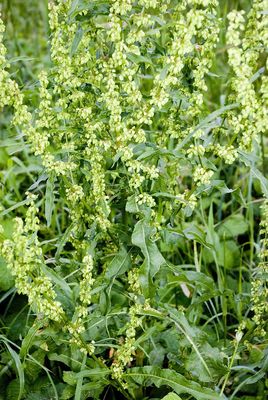 Curly dockRumex crispus
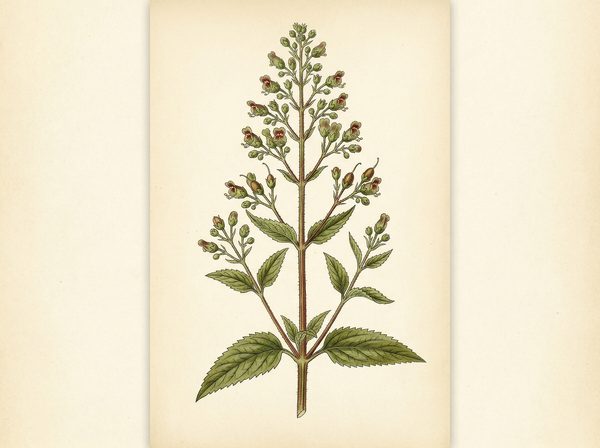 FigwortScrophularia nodosa
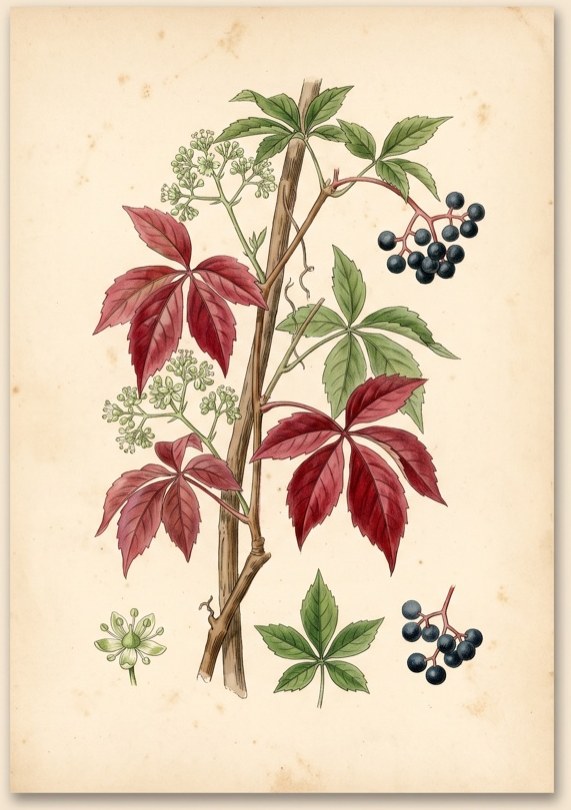 Virginia creeperAmpelosis quinquefolia
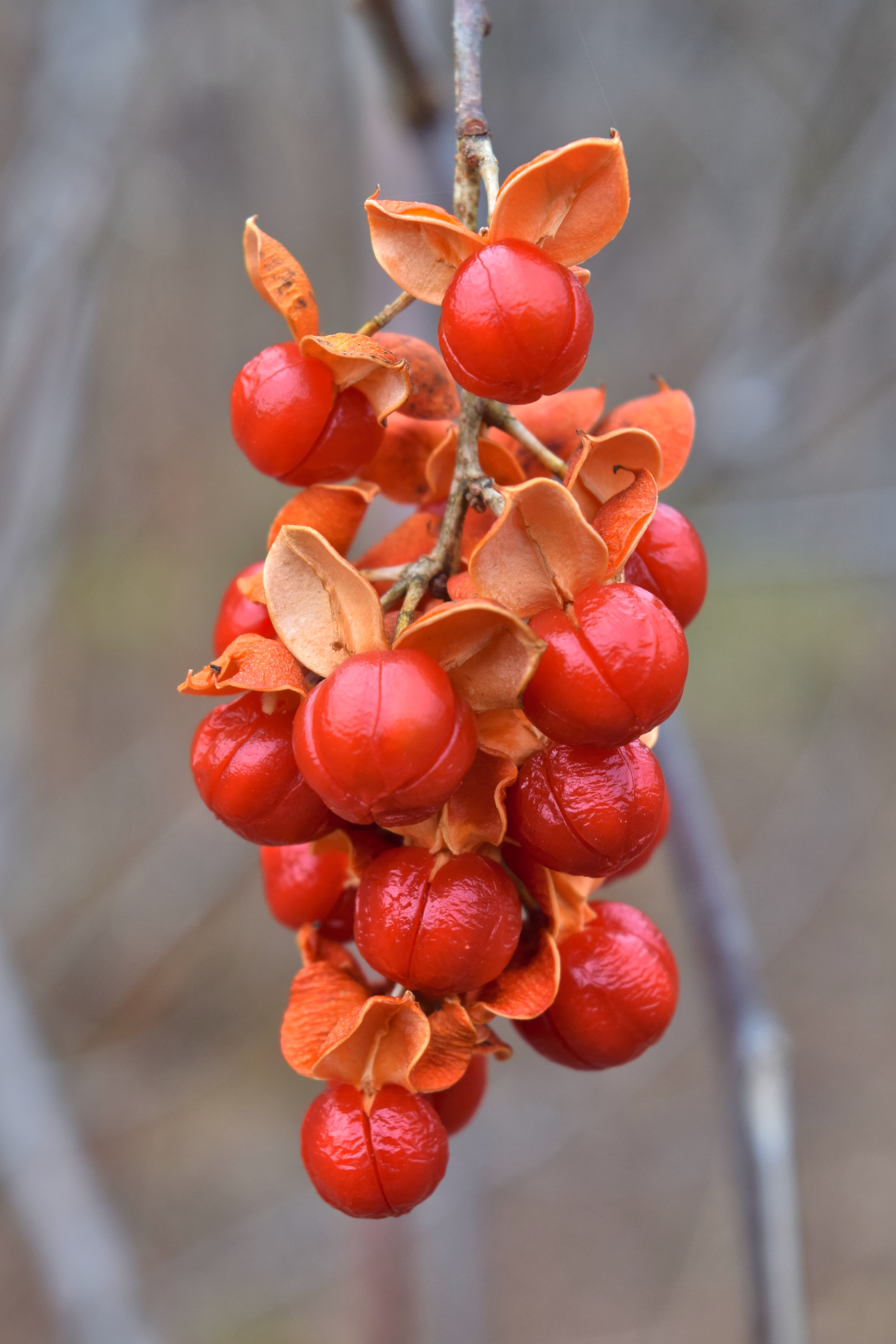 American bittersweetCelastrus scandens
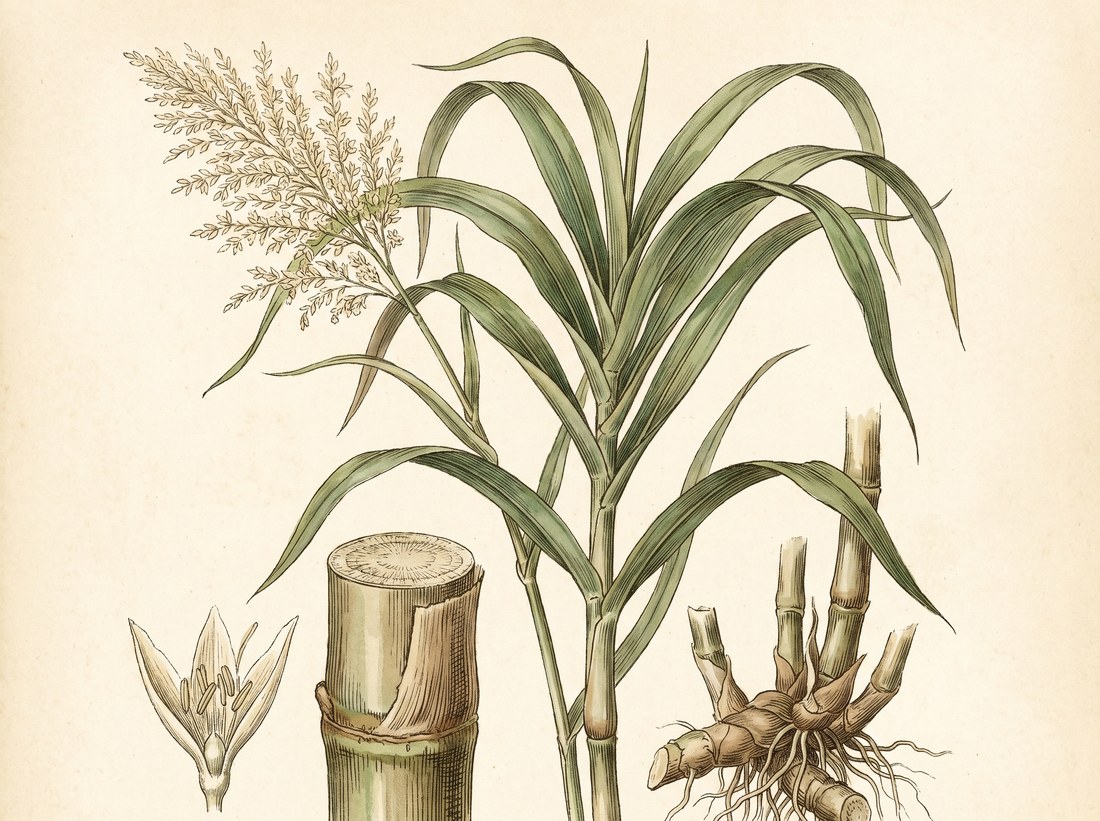 SugarSaccharum
 DulcamaraSolanum dulcamara
Nearby on the shelf
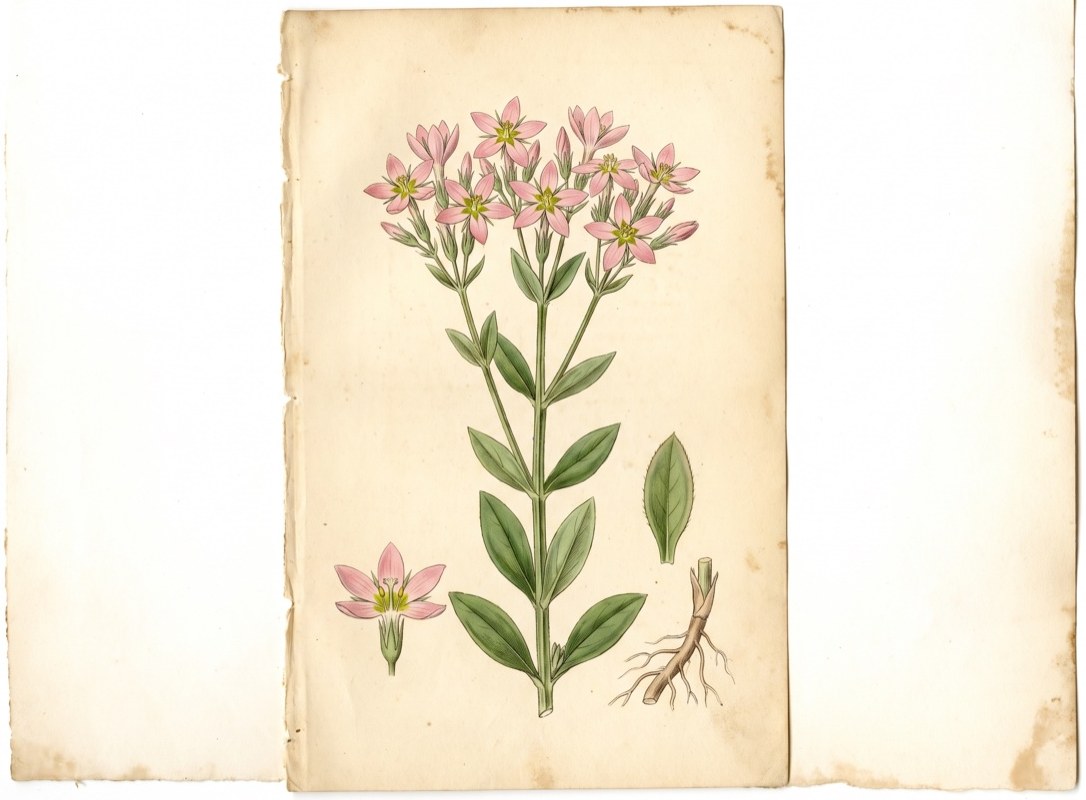 American centaurySabbatia angularis
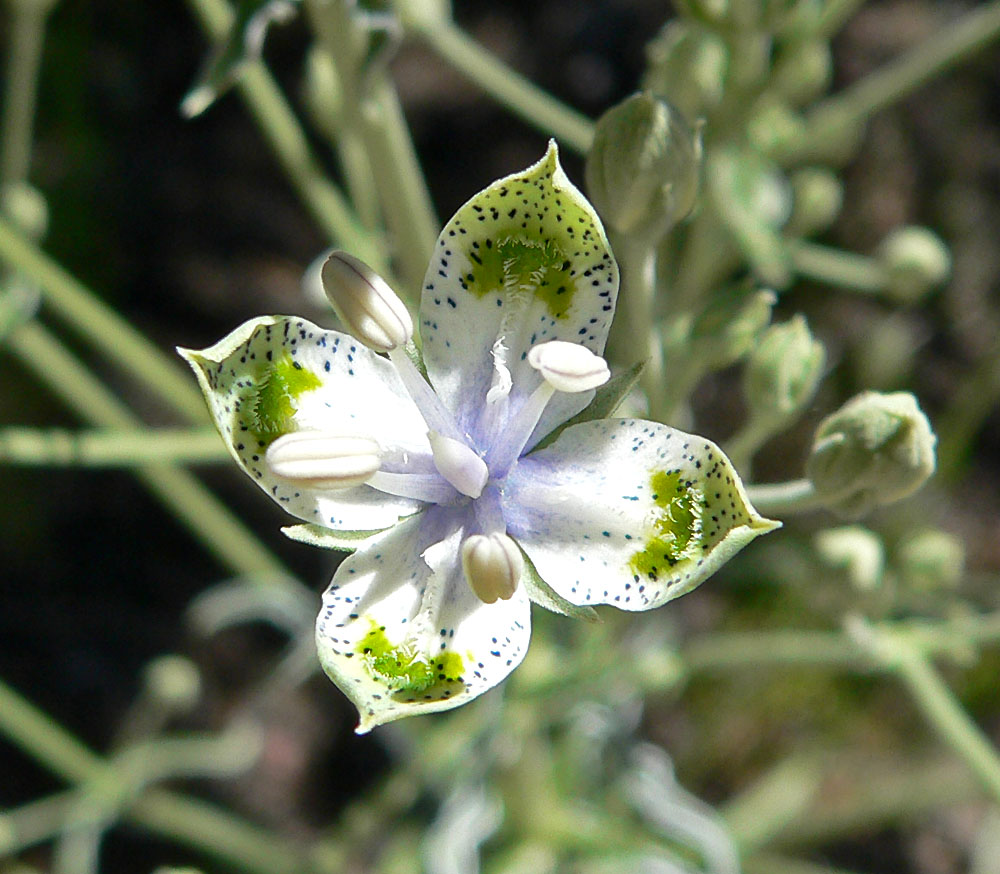 American columboFrasera carolinensis
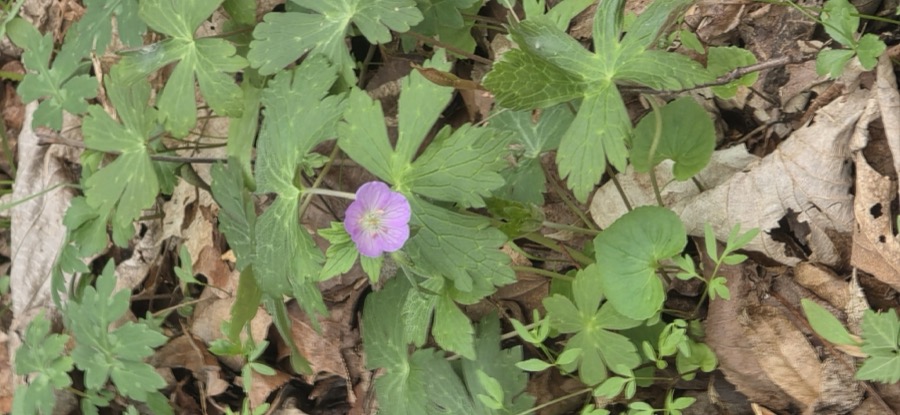 American cranesbillGermanium maculata
 American dittanyCunila mariana
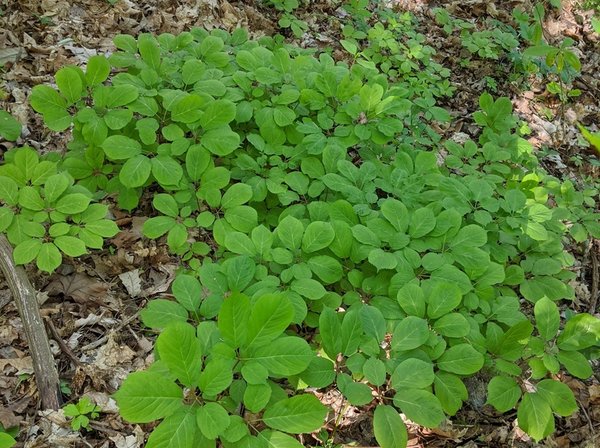 American GinsengPanax quinquefolius
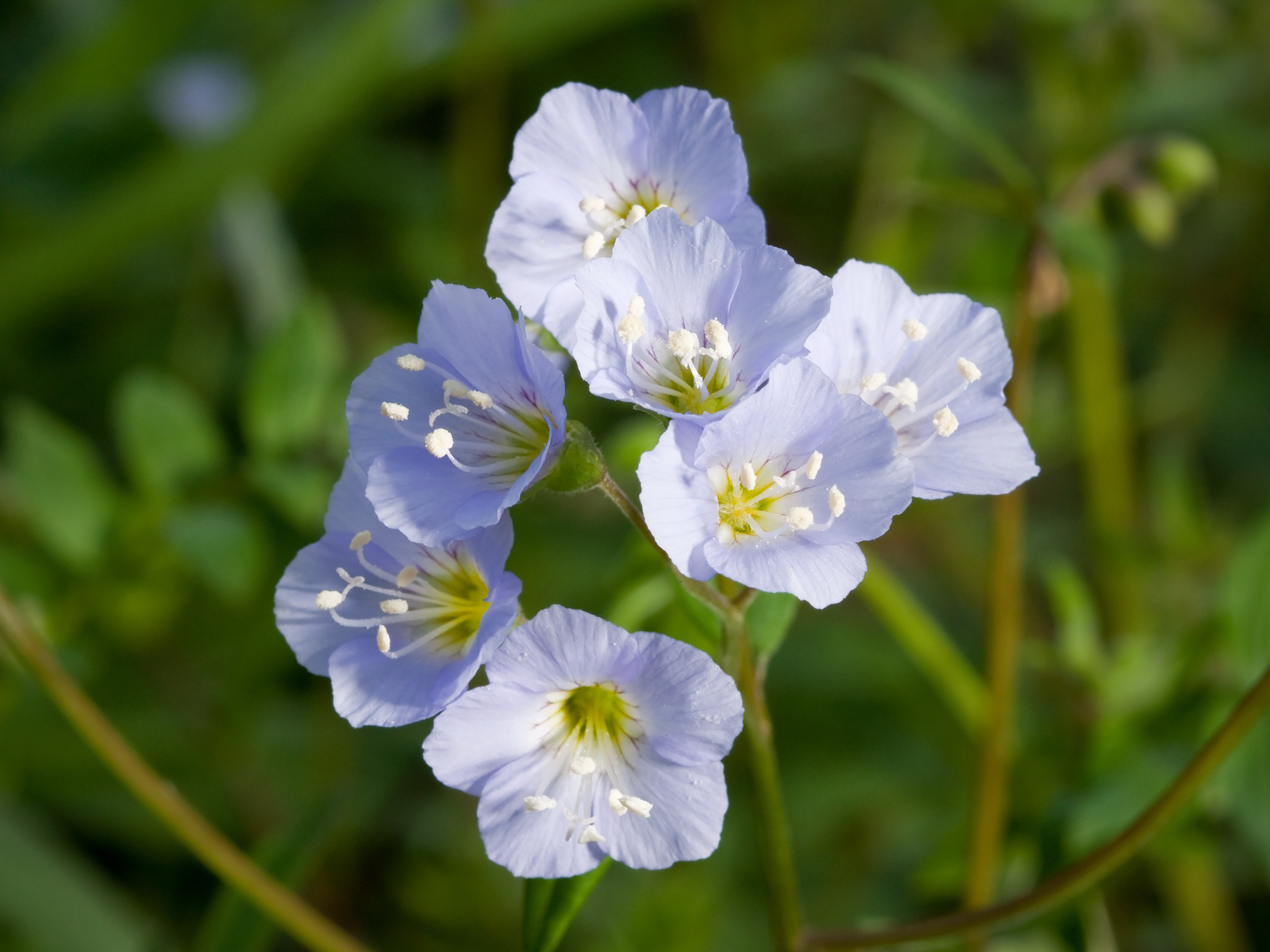 American Greek ValerianPolemonium
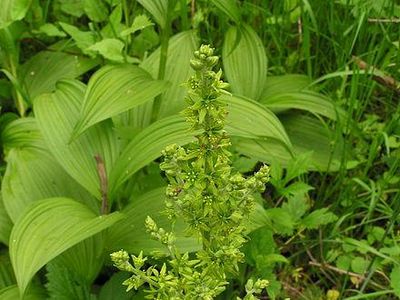 American helleboreVeratrum viride
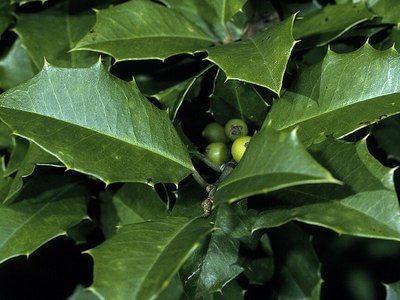 American HollyIlex Opaca
The whole plate is in the library. The compass, Compare, the Sky of eleven hundred plants and the formulary open with an email address and a password, free, with the formula builder and its safety engine. Herbert without limit, his formulating, clients, the handouts and the labels are the paid room.
Open the library, free