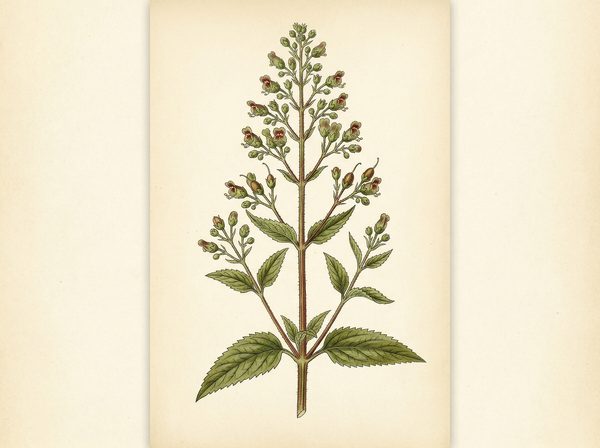
Western Herbalism
Figwort
Scrophularia nodosa
Also known as Common Figwort, Scrophularia, Carpenter's square, Scrofula plant, Heal-all, Square stalk.
Traditionally known as scrofula plant for lymphatic swellings Root often used topically, aerial parts internally Shares harpagoside with Devil's Claw Avoid seeds due to potential toxicity Clinical use for chronic inflammation, skin conditions, lymphatic support

Ask Herbert about Figwort. Herbert is the master herbalist inside Bountiful Herbs: he answers from this plate and eleven hundred others, with dosing, pairing and cautions. Your first ten questions are free.
Ask HerbertActions
Indications what the tradition reached for it in
- Swollen lymph nodes
- Gout
- Chronic skin diseases
- Bruises
- Abscess
- Joint pain
- Pruritus
- Blisters
- Scrofula
- Painful irregular menstruation
- Rheumatism
- Boils
- Poor wound healing
- Secondary syphilis
- Ulcers
- Psoriasis
- Rashes
- Infected wounds
- Eczema
- Tumors (supportive)
- Wounds
- Itching
- Hemorrhoids
- Cold extremities
- Constipation
- Edema
- Fluid retention
- Inflammation
- Pain
- Poor circulation
Safety
Low dose botanical. Used in drop doses in the classical practice; not a plant to dose freely.
Pregnancy: Pregnancy Caution
Breastfeeding: Lactation (source flag notSafeInLactation)
The record lists 2 contraindications; open the plate in the library to read them in full.
Dosing as the sources wrote it
| Preparation | As written | Metric |
|---|---|---|
| Dried herb top: 0.2-8 g/day | 200-8000 mg | |
| Tincture | Tincture (1:5, 45%): 2-4 ml TID (max 20 ml/week) | 2-4 mL |
| Infusion: 1 tbsp herb in 1 cup water, TID | ||
| Fresh tincture | Fresh tincture (1:2, 95%): 5-30 drops up to 5x/day | 0.1-0.6 mL |
| Dried herb 2-8 g by infusion | 2000-8000 mg | |
| (G7) Liquid extract 2-8 mL (1 : 1 in 25% alcohol) | 2-8 mL |
Doses are reproduced from the sources for practitioners and are not a recommendation for any person.
From the sources
Clinical Notes. Traditionally known as scrofula plant for lymphatic swellings Root often used topically, aerial parts internally Shares harpagoside with Devil's Claw Avoid seeds due to potential toxicity Clinical use for chronic inflammation, skin conditions, lymphatic support
Therapy. The agent is administered in that class of cases, with the indications named, where a pure blood alterative is demanded. Its influence is perhaps more general than that of some of the better known remedies, but demands more time In the accomplishment of its results.
Action, Medical Uses, and Dosage. This is an excellent alterative, prepared according to Prof. Scudder's formula. He believed that water extracted more of the alterative properties of mandrake than alcohol. It has been employed with advantage in scrofula, syphilis, cutaneous diseases, hepatic affections, in glandular affections where there is a tendency to hypertrophy and suppuration, and in other cases where an alterative is required. The dose is from 1 fluid drachm to ½ fluid ounce, 3 or 4 times a day (J. King).
primary-actions. Figwort acts primarily as: Alterative, Lymphagogue, Anti-inflammatory, Diuretic, Laxative. Secondary actions include Analgesic, Vulnerary, Hepatic stimulant, Circulatory stimulant.
Drawn from King's American Dispensatory, 18th edition (Felter and Lloyd); Ellingwood's American Materia Medica, Therapeutics and Pharmacognosy, and the Bountiful Herbs editorial.
In formulas
Figwort stands in 54 documented formulas in the library, among them thú yè chêng liu tàng, xin jia huáng lóng tàng, zẽng yè chéng qì tàng, ging ying tāng, Clear the Palace Decoction, shén xi dân.
Often paired with
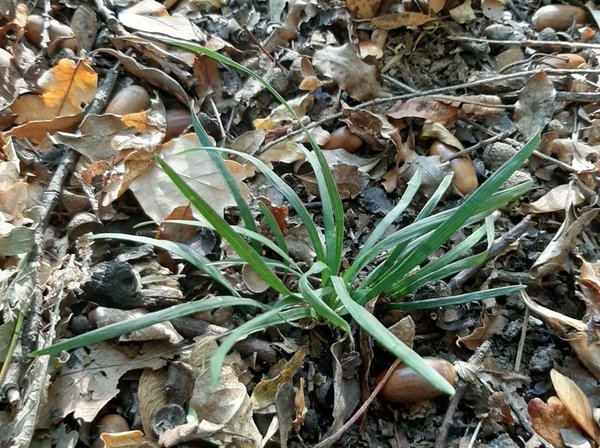 Mai Men DongOphiopogon japonicus
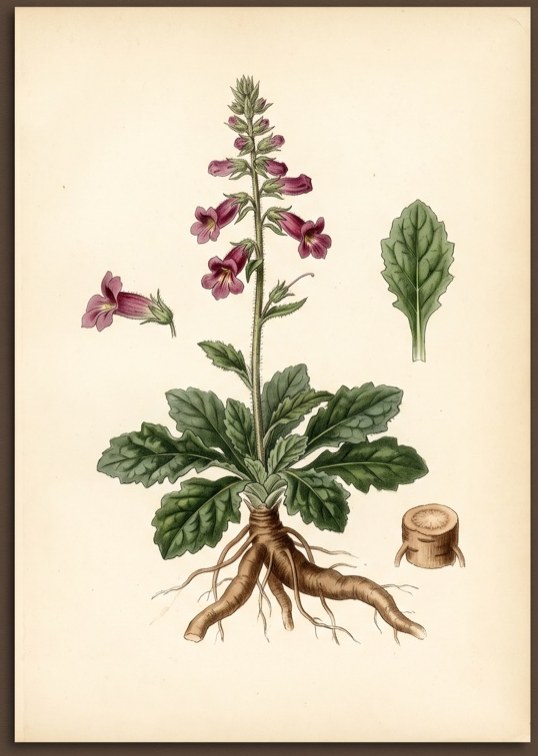 RehmanniaRehmannia glutinosa
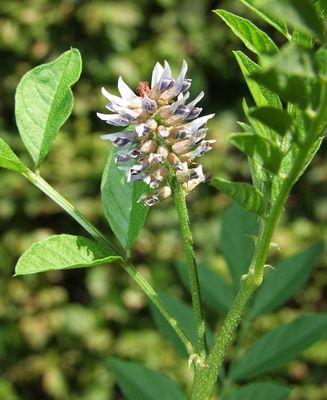 Licorice rootGlycyrrhiza glabra
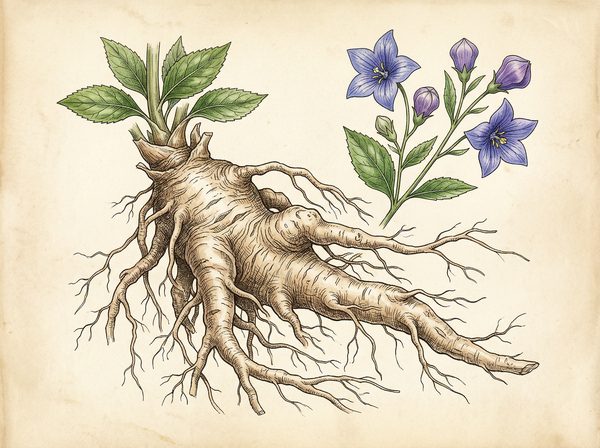 Balloon Flower RootPlatycodon grandiflorus
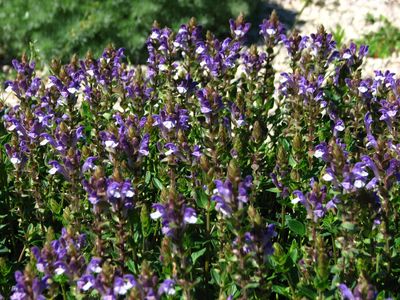 Chinese skullcapScutellaria baicalensis
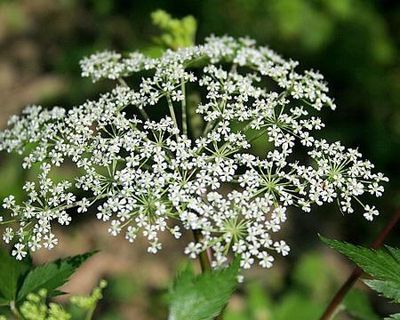 Dong QuaiAngelica sinensis
Nearby on the shelf
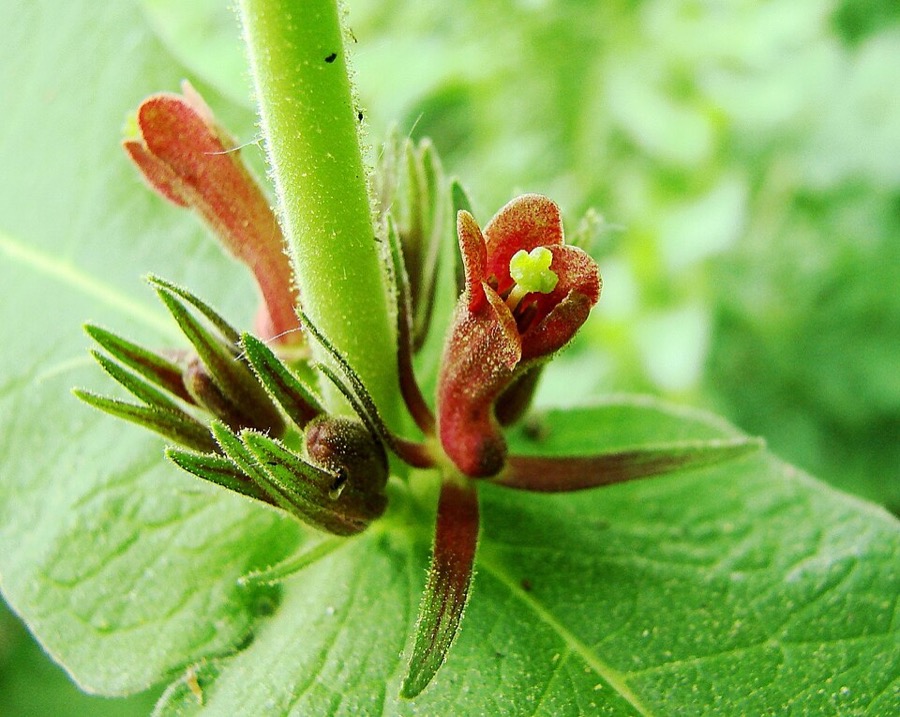 Fever-rootTriosteum
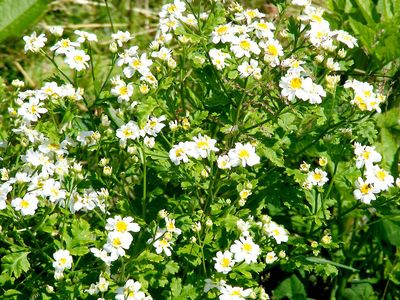 FeverfewTanacetum parthenium
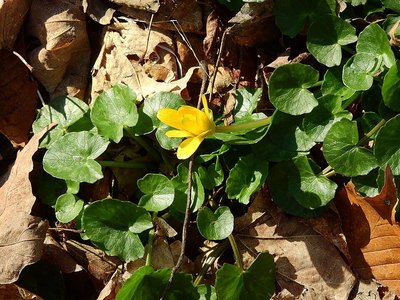 FicariaRanunculus ficaria
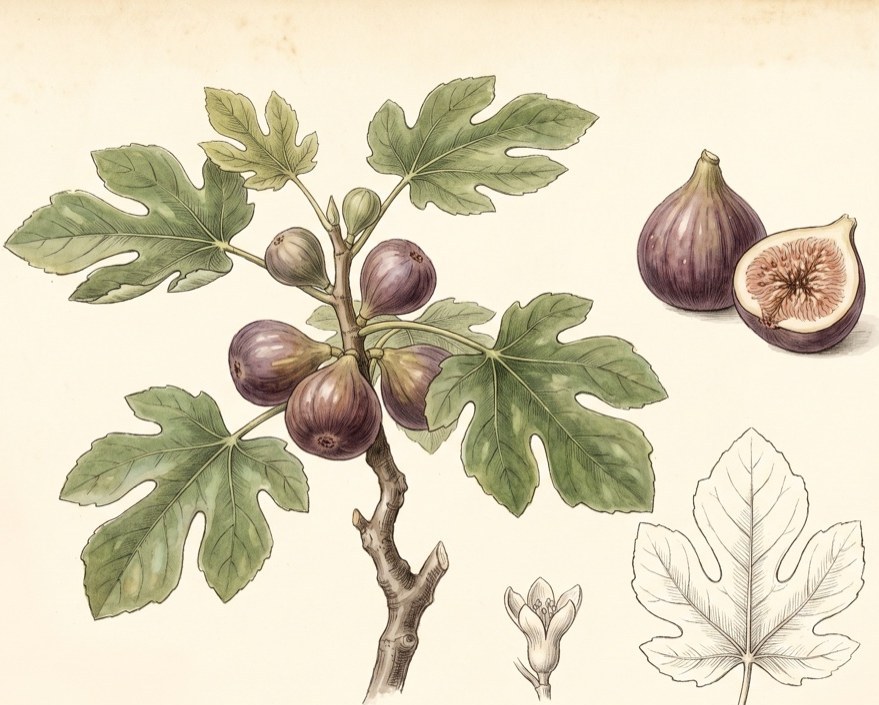 FigFicus
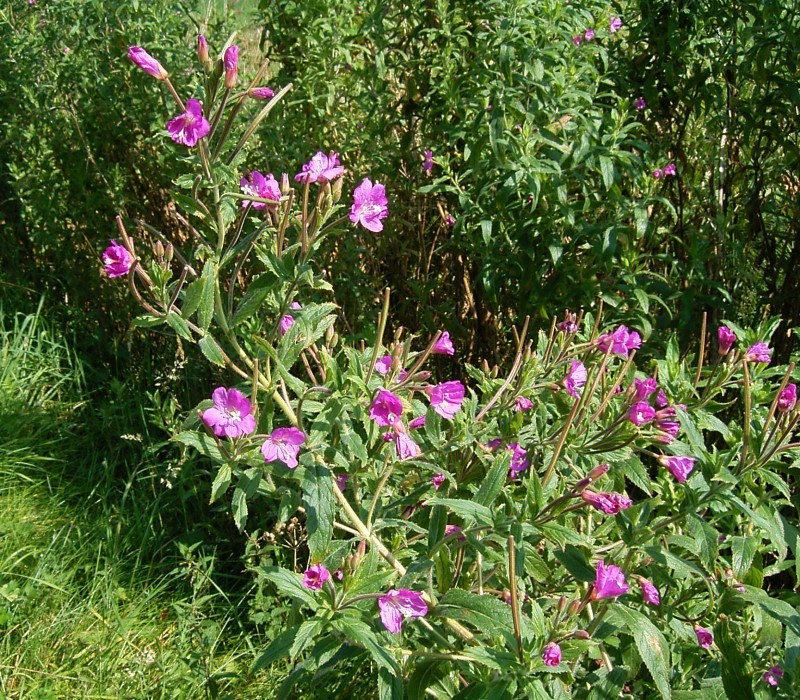 FireweedEpilobium angustifolium
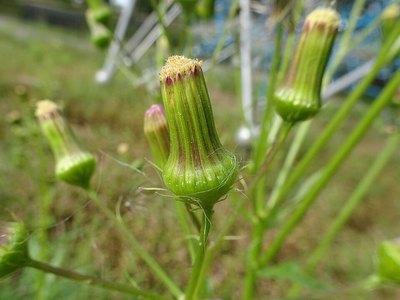 FireweedErechtites hieracifolius
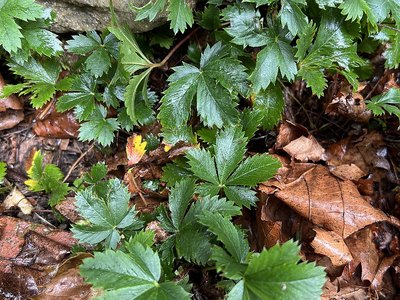 Five-fingerPotentilla canadensis
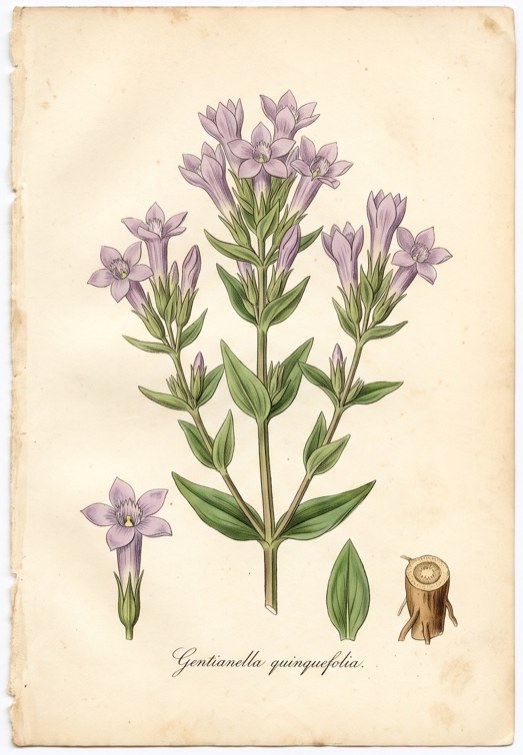 Five-flowered gentianGentiana Quinqueflora
The whole plate is in the library. The compass, Compare, the Sky of eleven hundred plants and the formulary open with an email address and a password, free, with the formula builder and its safety engine. Herbert without limit, his formulating, clients, the handouts and the labels are the paid room.
Open the library, free