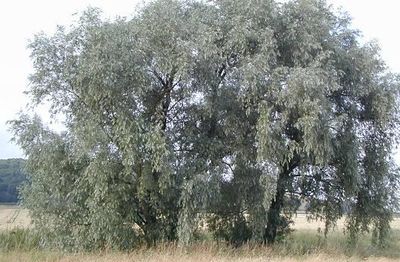
Western Herbalism
Willow
Salix spp.
Also known as Salix, White willow, European willow, Black Willow, American Willow.
This to an extent is antimalarial and like the other agents of this class it improves the tone of the gastro-intestinal tract and the glandular organs. It corrects impaired conditions of all mucous membranes and is thus of value in excessive catarrhal discharges from these membranes, being freely given in bronchorrhea, gastric catarrh, catarrhal diarrhea and in leucorrhea, in all cases acting more promptly if malarial conditions have caused the existing debility.

Ask Herbert about Willow. Herbert is the master herbalist inside Bountiful Herbs: he answers from this plate and eleven hundred others, with dosing, pairing and cautions. Your first ten questions are free.
Ask HerbertActions
Indications what the tradition reached for it in
- Cuts
- Diarrhea
- Rhinorrhea
- Eczema (weeping)
- Indolent ulcers
- Wounds (bleeding)
- Skin abrasions
- Headache
- Pain (musculoskeletal)
- Arthritis
- Pain
- Leukorrhea
- Spermatorrhea
- Cold (w/ fever)
- Bleeding
- Fever
- Inflammation
- Wounds
- Excessive discharge
- Muscular
- Arthrodial rheumatism with inflammation
- Influenza
- Respiratory catarrh
- Gouty arthritis
- Ankylosing spondylitis
- Specifically for rheumatoid arthritis
- Systemic connective tissue disorders characterised by inflammatory changes
- Diseases accompanied by fever
- Rheumatic ailments
- Headaches
Safety
The record lists 5 contraindications; open the plate in the library to read them in full.
Dosing as the sources wrote it
| Preparation | As written | Metric |
|---|---|---|
| Tincture (1:3) | 2-5 ml TID | 2-5 mL |
| Decoction | 1-3 tsp bark/c BID-TID | |
| Standardized extract | 120-240 mg salicin/d | 120-240 mg |
| Powdered | 3-5 g/d | 3000-5000 mg |
| Chronic low back pain | 120-240 mg/d X 1-4 weeks | 120-240 mg |
| Dry bark 1-3 g as a decoction three times daily (G6, G7) corresponding to 60 -120 mg total salicin daily .(G3) Liquid extract 1-3 mL (1 : 1 in 25% alcohol) three times daily .(G6, G7) | 1000-3000 mg |
Doses are reproduced from the sources for practitioners and are not a recommendation for any person.
From the sources
Therapy. This to an extent is antimalarial and like the other agents of this class it improves the tone of the gastro-intestinal tract and the glandular organs. It corrects impaired conditions of all mucous membranes and is thus of value in excessive catarrhal discharges from these membranes, being freely given in bronchorrhea, gastric catarrh, catarrhal diarrhea and in leucorrhea, in all cases acting more promptly if malarial conditions have caused the existing debility.
Properties and Uses. This bark is among the distinct and rather intense tonics, with a fair portion of astringent power, though less absolute in its astringency than many have represented. The chief use made of it is for chronic diarrhea, atonic forms of dyspepsia with looseness of the bowels, passive hemorrhages, atonic menorrhagia, and scrofulous maladies with curdy diarrhea.
Action, Medical Uses, and Dosage. Gently stimulant, diaphoretic, and astringent. Used in warm infusion wherever a stimulating diaphoretic is required; also in diarrhoea, dysentery, cholera infantum, etc. In decoction or syrup it forms an excellent tonic to restore the tone of the bowels, after an attack of dysentery. Said to have been used in gravel and female obstructions. Oil of birch will produce a drunken stupor, vomiting, and death. It has been used in gonorrhoea, rheumatism, and chronic skin diseases. Dose, 5 to 10 drops.
Action, Medical Uses, and Dosage. Wintergreen possesses stimulant, aromatic, and astringent properties. It is used in infusion as an astringent in chronic mucous discharges, as a diuretic in dysuria, as an emmenagogue, as a stimulant in cases of debility, and is said to augment the flow from the lactiferous vessels of nursing women, but this is doubtful.
Drawn from Cook's Physio-Medical Dispensatory; King's American Dispensatory, 18th edition (Felter and Lloyd); Ellingwood's American Materia Medica, Therapeutics and Pharmacognosy, and the Bountiful Herbs editorial.
In formulas
Willow stands in 2 documented formulas in the library, among them Headache & Migraine Formula.
Often paired with
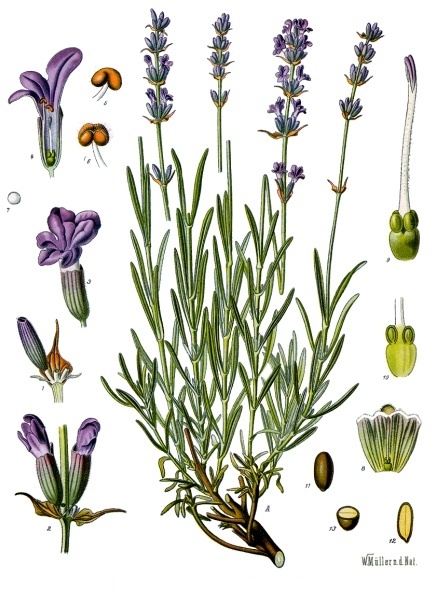 LavenderLavandula spp.
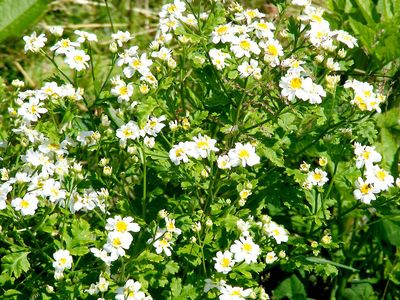 FeverfewTanacetum parthenium
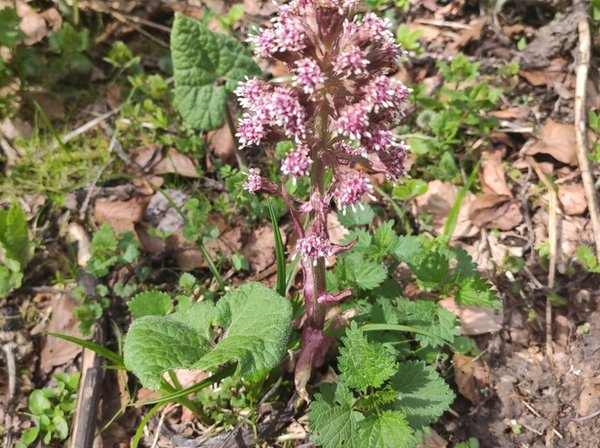 ButterburPetasites hybridus
 Maidenhair treeGinkgo biloba
Nearby on the shelf
 Wild turmericCurcuma aromatica
 Wild yamDioscorea villosa
 Wilford's cranesbillGeranium wilfordii
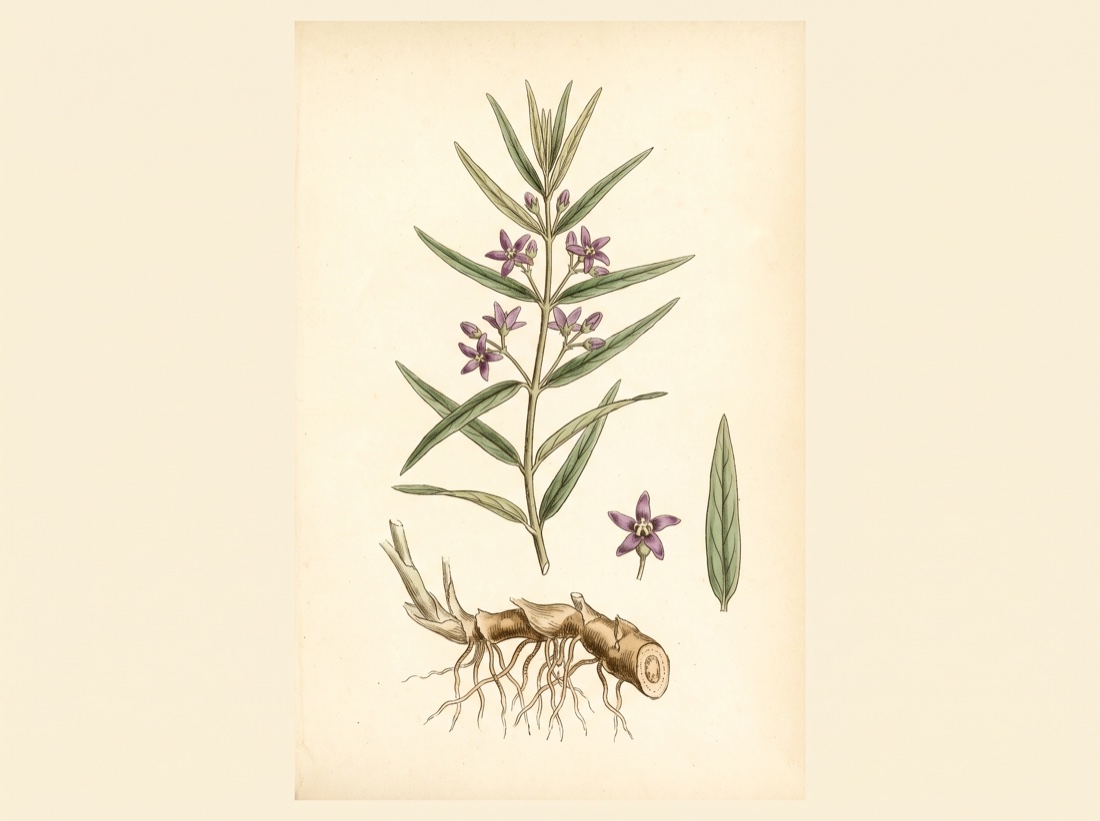 Willowleaf swallowwortVincetoxicum stauntonii
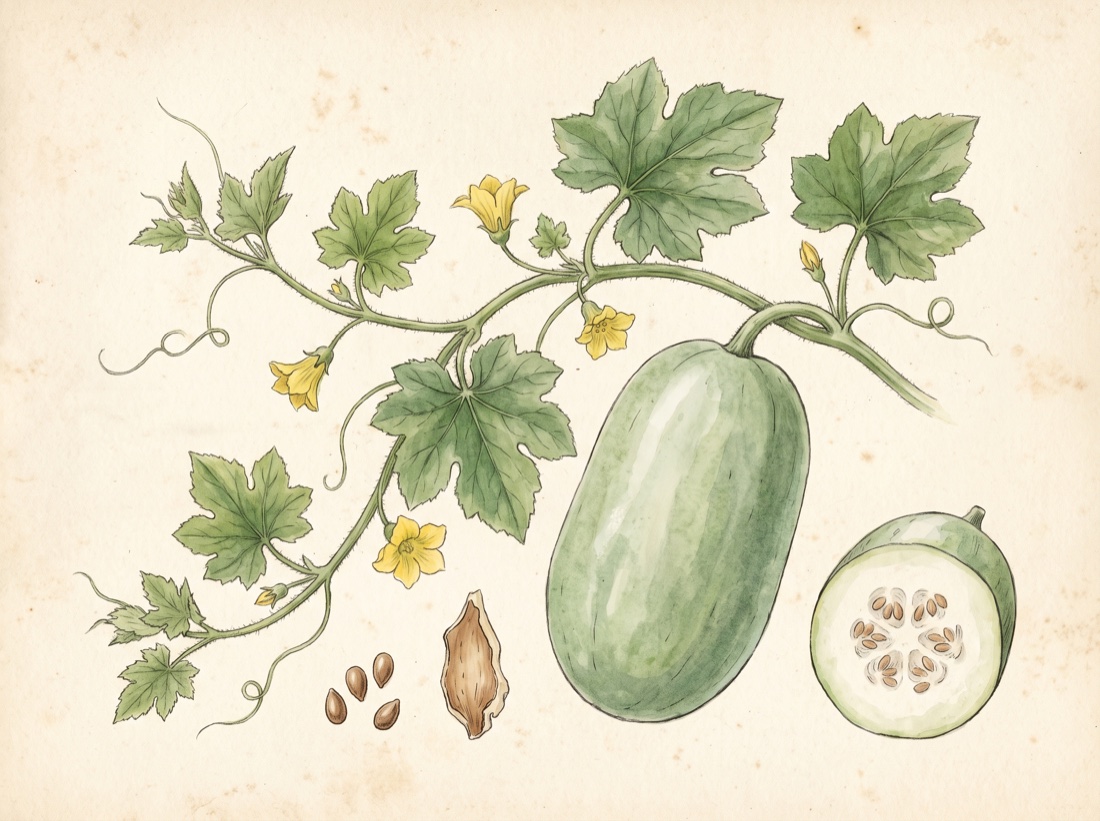 Winter melonBenincasa hispida
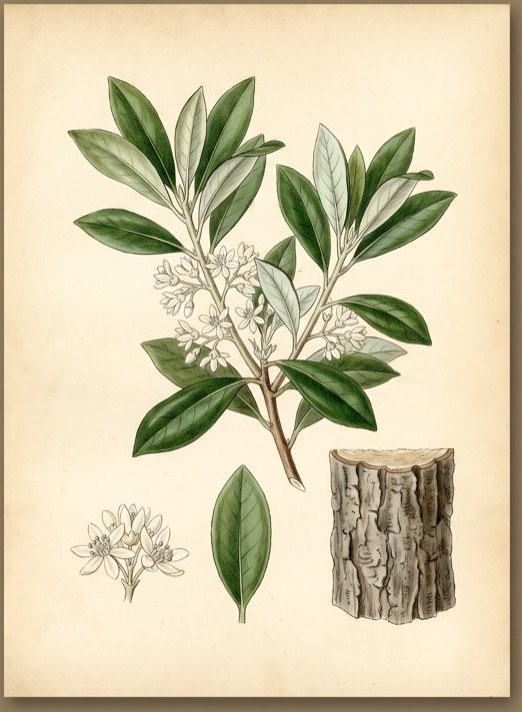 Winter's barkWintera
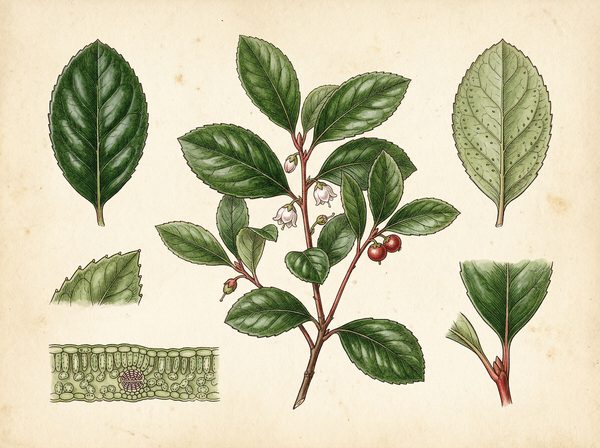 WintergreenGaultheria procumbens
The whole plate is in the library. The compass, Compare, the Sky of eleven hundred plants and the formulary open with an email address and a password, free, with the formula builder and its safety engine. Herbert without limit, his formulating, clients, the handouts and the labels are the paid room.
Open the library, free