Western Herbalism
Storax
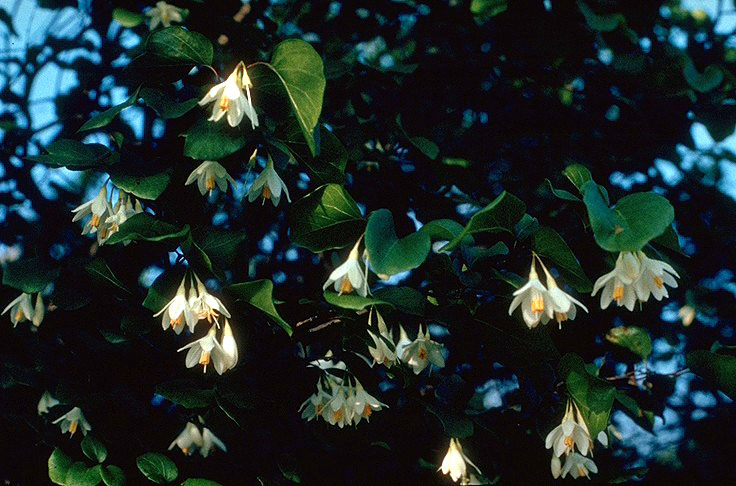
Styrax officinale
Also known as Snowbell, Storax tree, Balsamum storacis, Prepared storax, Styrax praeparatus (Br.), Liquid storax.
Styrax officinale is a small tree native to the eastern Mediterranean, historically cultivated from the Levant through Italy and southern Spain. Incisions in its bark yield a fragrant, balsamic resin traditionally called storax, prized since antiquity for incense, perfumery, and medicine. In the physiomedicalist and earlier eclectic materia medica the resin was classed among the warming, stimulating balsams, used both internally as an expectorant and externally as an antiseptic dressing. Much of the storax sold commercially in the nineteenth century was, in fact, substituted or blended with resin from the related Liquidambar orientalis, a point the old texts themselves noted.

Ask Herbert about Storax. Herbert is the master herbalist inside Bountiful Herbs: he answers from this plate and eleven hundred others, with dosing, pairing and cautions. Your first ten questions are free.
Ask HerbertActions
Indications what the tradition reached for it in
- Chronic bronchitis with thick, hard-to-raise mucus
- Catarrh of the upper respiratory tract
- Laryngitis and hoarseness
- Scabies
- Ringworm and other superficial fungal skin infections
- Slow-healing wounds and ulcers
- Chapped or cracked skin
- Sore throat
- Cough associated with cold, damp conditions
Specific indications
Persistent chest cough with tenacious, difficult-to-expectorate phlegm in a person who feels chilled and sluggish
Crusted, itching skin lesions such as scabies or tinea, where a warming, antiseptic resin ointment is wanted to penetrate and dry the lesion
Safety
Pregnancy: Avoid during pregnancy: there is no adequate safety data on internal use, and the resin has not been evaluated for reproductive toxicity.
Breastfeeding: Avoid during lactation for the same reason, insufficient safety data.
The record lists 4 contraindications; open the plate in the library to read them in full.
In practice
Storax resin was reached for in the older tradition when a cough had become chronic and the mucus thick and hard to clear, especially in a person whose constitution was seen as cold and relaxed rather than hot and tense.
Dosing as the sources wrote it
| Preparation | As written | Metric |
|---|---|---|
| Tincture of resin (1:5, 70% alcohol) | 1-2 mL three times daily | 1-2 mL |
| Topical ointment (5-10% resin in a suitable base) | applied to affected skin twice daily | |
| Steam inhalation | small amount of resin vaporized in hot water, inhaled as needed for catarrh | |
| though some also prescribe it in doses of one to two drachms, in molasses or milk, once a day, but this is needless | 3888-7776 mg | |
| storax | The dose of storax is from 10 to 20 grains, gradually increased. | 648-1296 mg |
| The dose is 1 or 2 tablespoonfuls, 3 times a day. |
Doses are reproduced from the sources for practitioners and are not a recommendation for any person.
From the sources
Overview. Styrax officinale is a small tree native to the eastern Mediterranean, historically cultivated from the Levant through Italy and southern Spain. Incisions in its bark yield a fragrant, balsamic resin traditionally called storax, prized since antiquity for incense, perfumery, and medicine. In the physiomedicalist and earlier eclectic materia medica the resin was classed among the warming, stimulating balsams, used both internally as an expectorant and externally as an antiseptic dressing. Much of the storax sold commercially in the nineteenth century was, in fact, substituted or blended with resin from the related Liquidambar orientalis, a point the old texts themselves noted.
Clinical Notes. Storax resin was reached for in the older tradition when a cough had become chronic and the mucus thick and hard to clear, especially in a person whose constitution was seen as cold and relaxed rather than hot and tense.
Properties and Uses. These balsams are stimulating expectorants, scarcely employed except in minute quantities as adjuvants to less agreeable and more relaxing agents. The fluid styrax may be used in sub-acute gonorrhea and gleet, especially by incorporating half a drachm of it in four ounces of the copaiba emulsion.
Properties and Uses. Flour of sulphur, when well washed as above directed, seems to be an utterly harmless agent; and may be used internally, even in excessive quantities, with apparent impunity. It acts as a gentle laxative, securing solid stools; but especially passes to the skin, increasing invisible perspiration, and leaving the surface open and liable to contract “colds.” After a few days use, it will turn black any silver article worn about the person; and its odor may be detected on the surface.
Drawn from Cook's Physio-Medical Dispensatory; King's American Dispensatory, 18th edition (Felter and Lloyd), and the Bountiful Herbs editorial.
In formulas
Storax stands in 4 documented formulas in the library, among them sù hé xiàng wán.
Often paired with
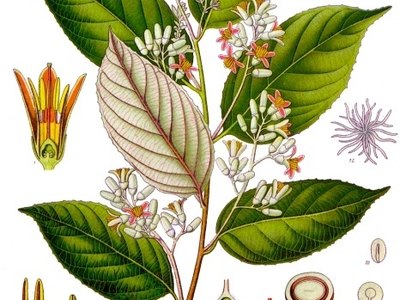 BenzoinStyrax benzoin
 Liquidambar styracifluaLiquidambar styraciflua
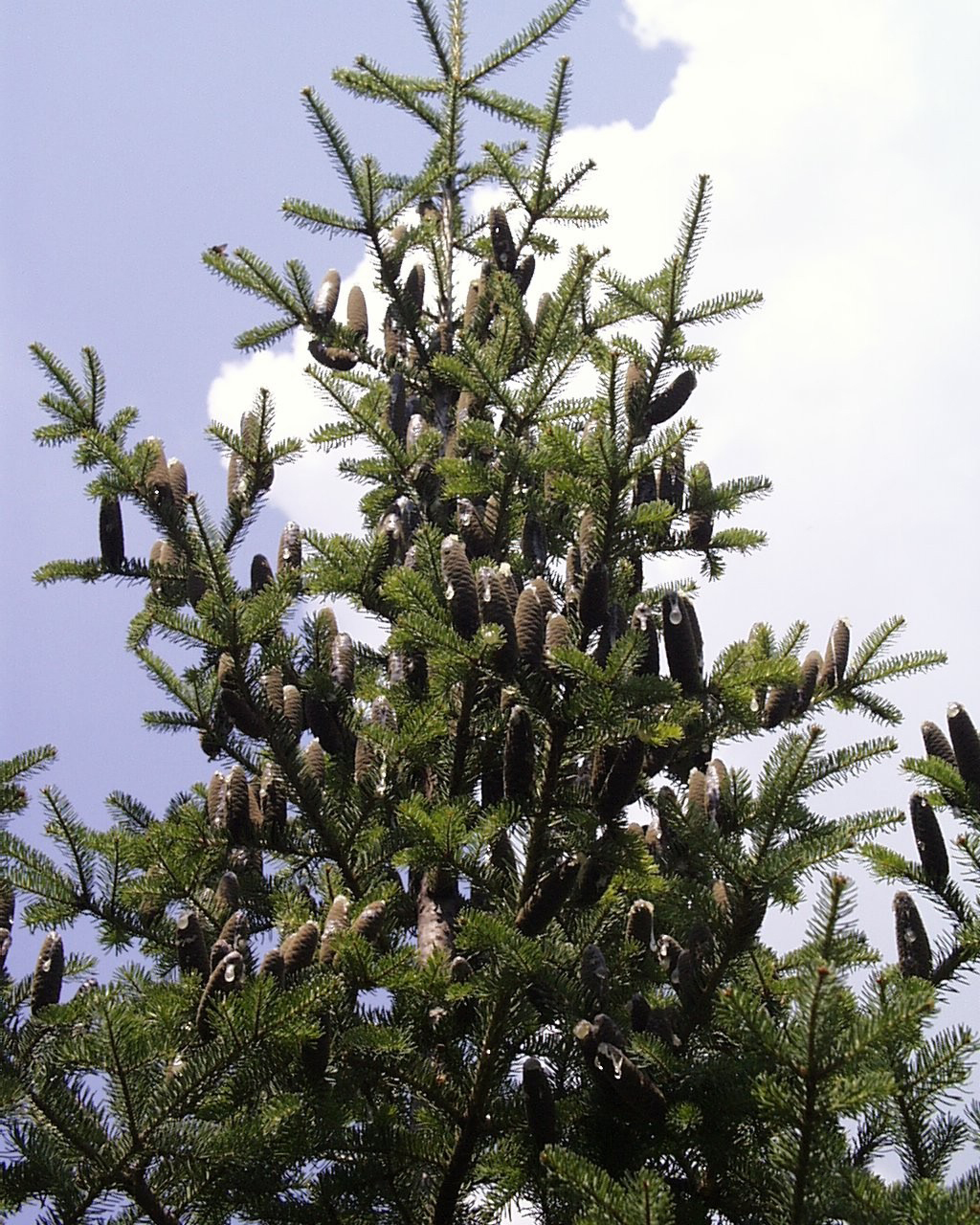 Balsam firAbies balsamea
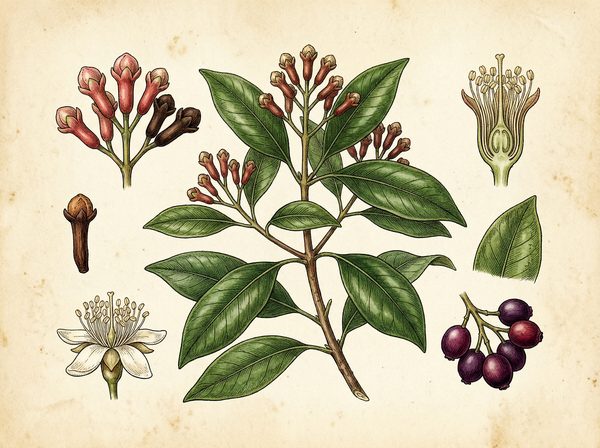 cloveSyzygium aromaticum
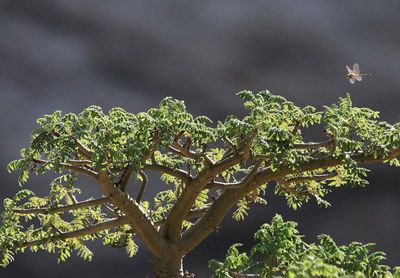 FrankincenseBoswellia spp.
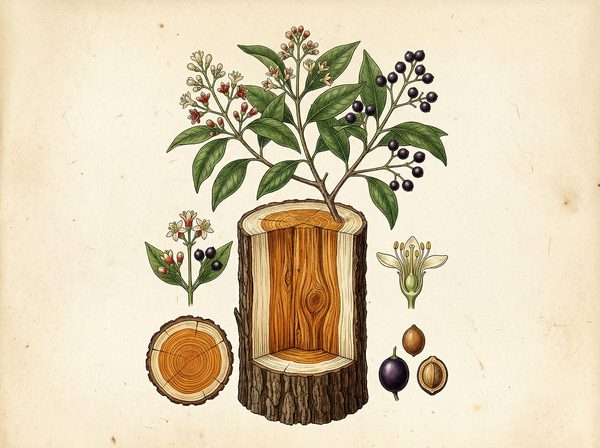 sandalwoodSantalum album
Nearby on the shelf
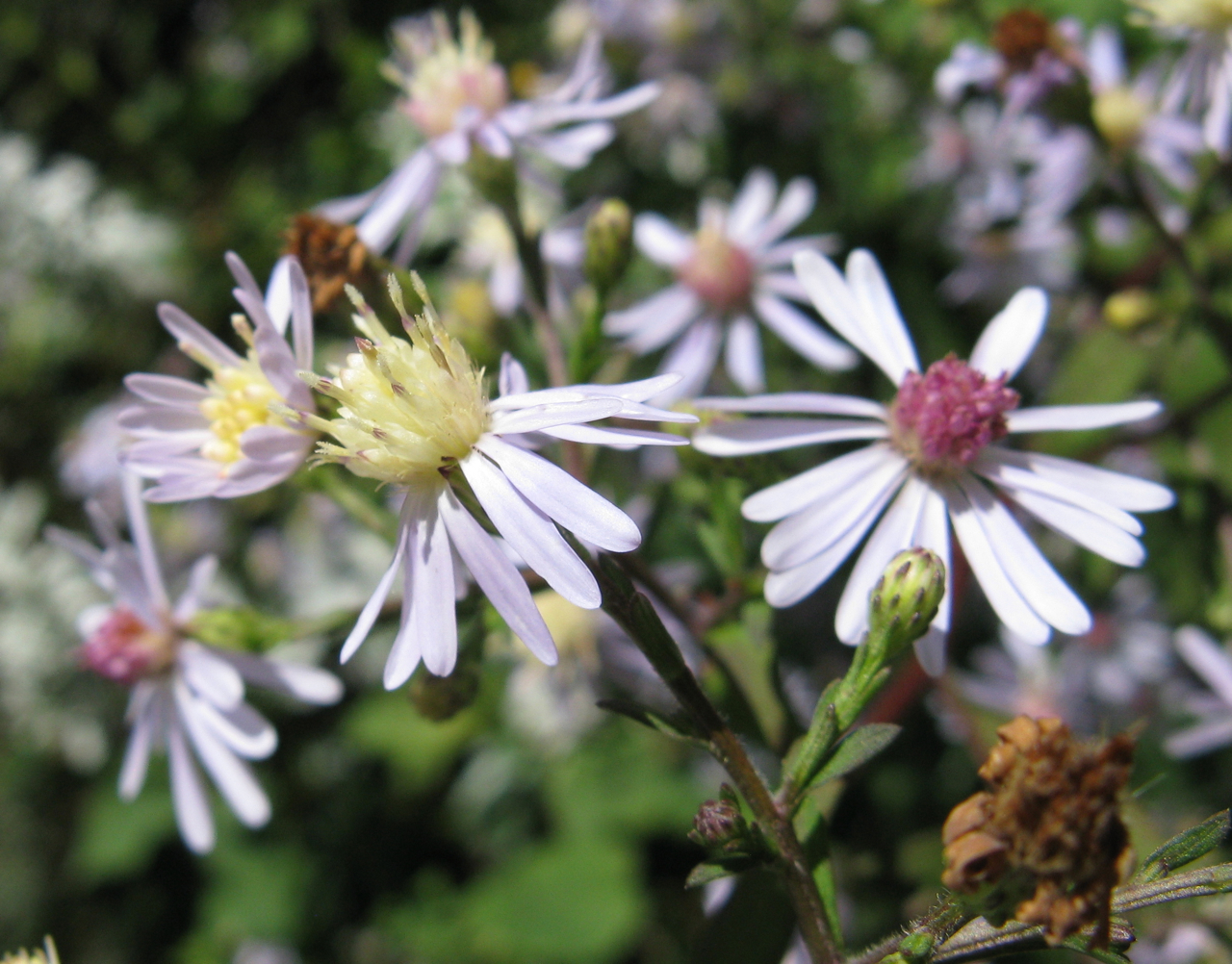 StarwortAster cordifolius
 SteviaStevia rebaudiana
 StillingiaStillingia sylvatica
 Stone RootCollinsonia canadensis
 StrophanthusStrophanthus hispidus
 SugarcaneSaccharum officinarum
 SumaPfaffia paniculata
 SumbulFerula sumbul
The whole plate is in the library. The compass, Compare, the Sky of eleven hundred plants and the formulary open with an email address and a password, free, with the formula builder and its safety engine. Herbert without limit, his formulating, clients, the handouts and the labels are the paid room.
Open the library, free