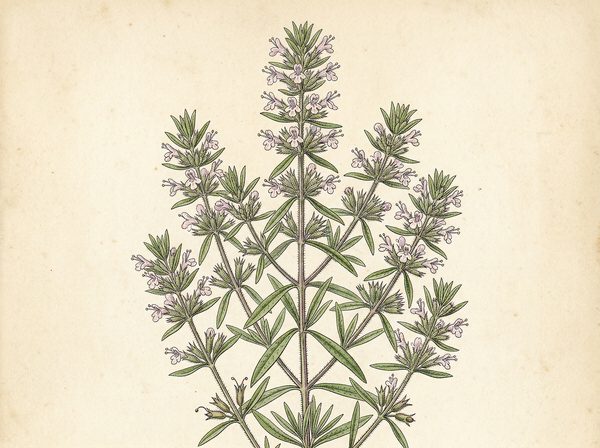
Western Herbalism
Summer savory
Satureja hortensis
Primarily used as culinary herb and spice traditional uses supported by peer-reviewed studies on antioxidant, antimicrobial, anti-inflammatory activities aerial parts harvested at flowering composition varies by region and conditions

Ask Herbert about Summer savory. Herbert is the master herbalist inside Bountiful Herbs: he answers from this plate and eleven hundred others, with dosing, pairing and cautions. Your first ten questions are free.
Ask HerbertActions
Indications what the tradition reached for it in
- Joint pain
- Bronchial congestion
- Menstrual disorders
- Microbial infections (bacterial, fungal)
- Diarrhea
- Nausea
- Muscle pain
- Colic
- Cough
- Gas
- Inflammation
- Sore throat
- Oxidative stress
- Bloating
- Flatulence
- Stomach pain
- Abdominal cramps
- Indigestion
- Abdominal distension
- Bronchitis
- Cramps
- Debility
- Digestive discomfort
- Fatigue
- Infection
- Muscle spasms
- Pain
- Respiratory congestion
- Weakness
- Menstrual irregularity
Safety
Pregnancy: Pregnancy Caution
The record lists 2 contraindications; open the plate in the library to read them in full.
Dosing as the sources wrote it
| Preparation | As written | Metric |
|---|---|---|
| Tea | Tea (infusion): 1-2 g (1-2 tsp) dried aerial parts/200 mL hot water, steep 10 min, 2-3x/day | 1000-2000 mg |
| Tincture: 1:5 in 40-60% ethanol, 2-5 mL 2-3x/day | 5-40 mL | |
| The infusion may be used in doses of from 2 to 4 ounces, several times a day. | 62207-124414 mg | |
| It may be employed in decoction, or in doses of from 15 to 90 minims of the fluid extract. | 0.92-5.55 mL |
Doses are reproduced from the sources for practitioners and are not a recommendation for any person.
From the sources
Clinical Notes. Primarily used as culinary herb and spice traditional uses supported by peer-reviewed studies on antioxidant, antimicrobial, anti-inflammatory activities aerial parts harvested at flowering composition varies by region and conditions
Properties and Uses. This herb is seldom used in medicine, but is quite an efficient aromatic stimulant. A warm infusion induces perspiration, and is useful in recent colds, incipient fever, measles, and painful and acutely obstructed menstruation. It is also a good carminative. The better method of using it, is to combine a drachm of the leaves with an ounce of asclepias tuberosa; or it may be associated with angelica and anise for colic and flatulence. Medical Herbalism journal and medherb.com The Physiomedical Dispensatory by William Cook, M.D., 1869 SCROPHULARIA NODOSA CARPENTER’S SQUARE, HEAL-ALL, FIGWORT, SQUARE-STALK
Properties and Uses. The leaves are most medicinal, though the roots also are employed. They are largely relaxant, moderately stimulant, with a small portion of demulcent power; slow in action, mild, soothing, and leaving behind a fair tonic impression.
primary-actions. Summer savory acts primarily as: Carminative, Antiseptic, Antimicrobial, Antioxidant, Anti-inflammatory. Secondary actions include Digestive tonic, Expectorant, Stomachic, Antispasmodic, Analgesic.
Drawn from Cook's Physio-Medical Dispensatory; King's American Dispensatory, 18th edition (Felter and Lloyd), and the Bountiful Herbs editorial.
Nearby on the shelf
 StrophanthusStrophanthus hispidus
 SugarcaneSaccharum officinarum
 SumaPfaffia paniculata
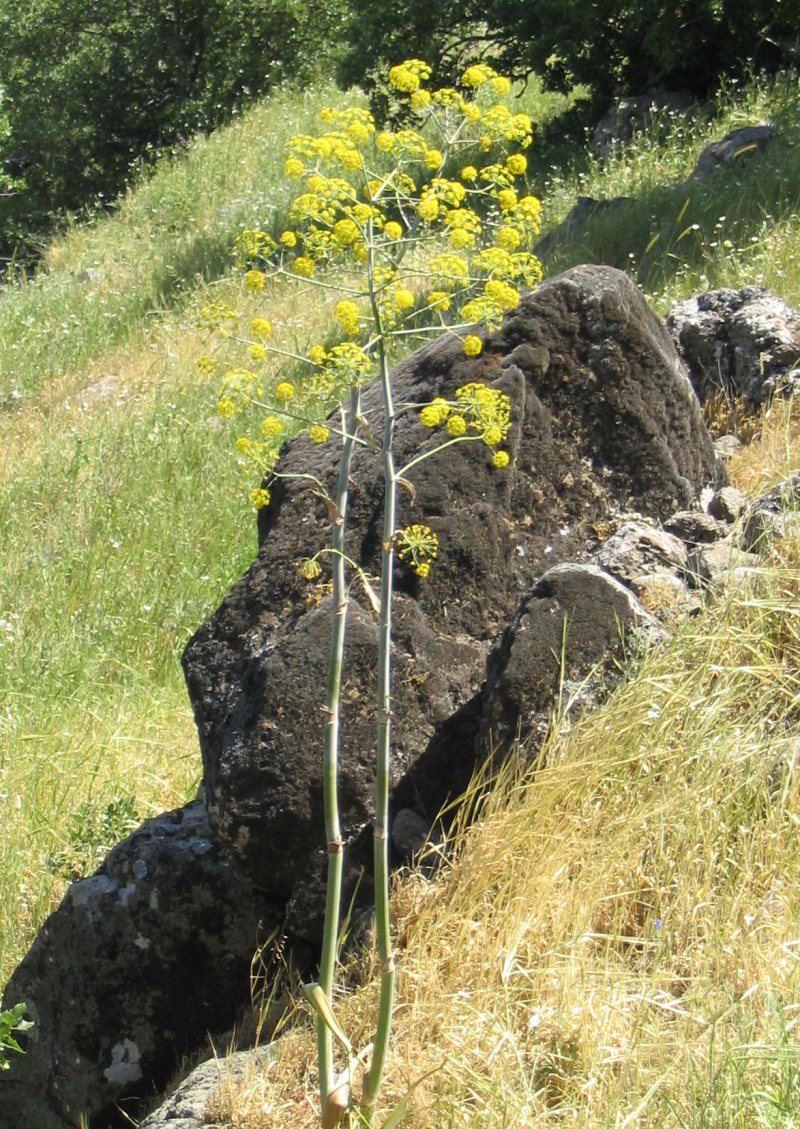 SumbulFerula sumbul
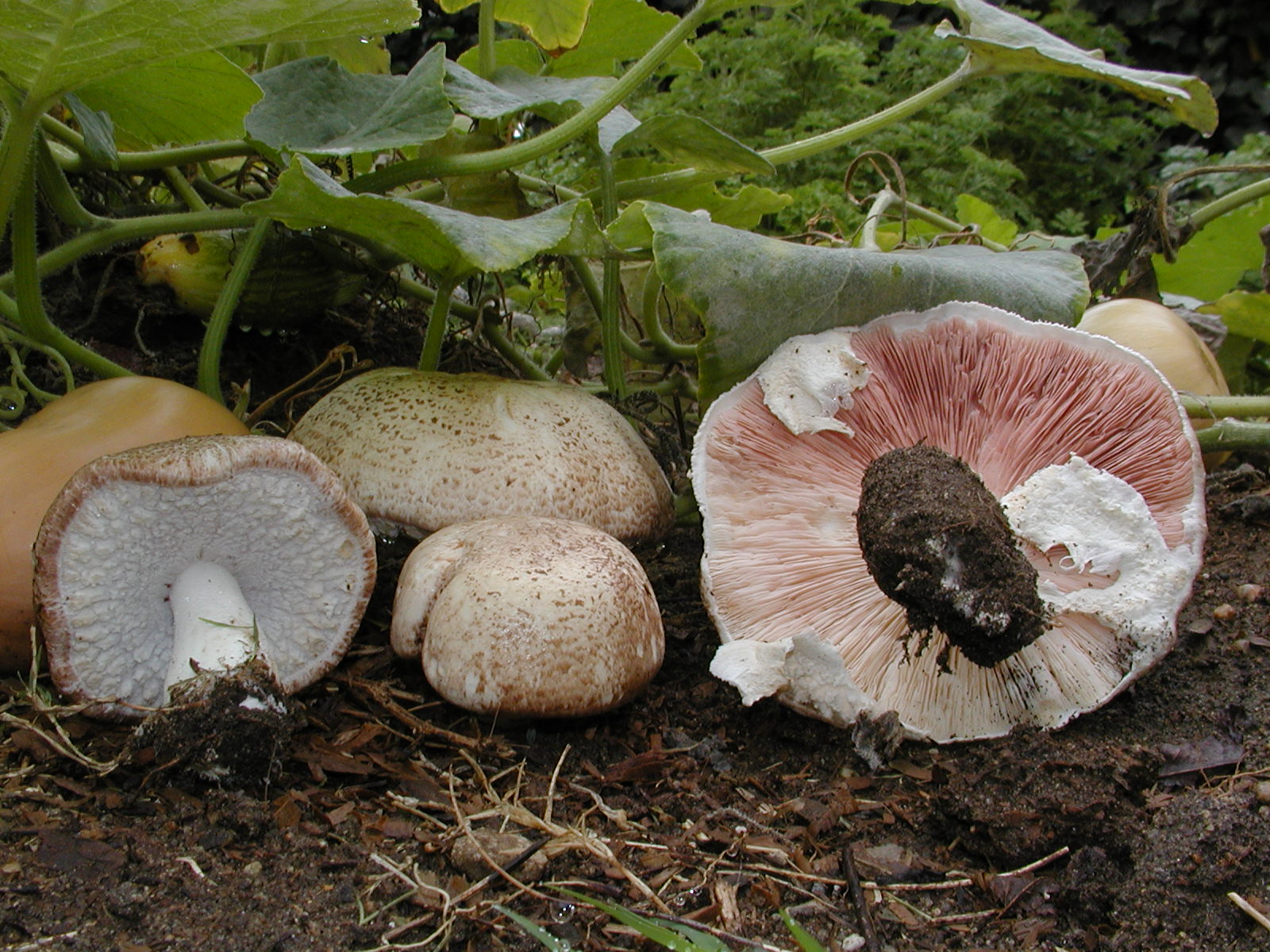 Sun MushroomAgaricus subrufescens
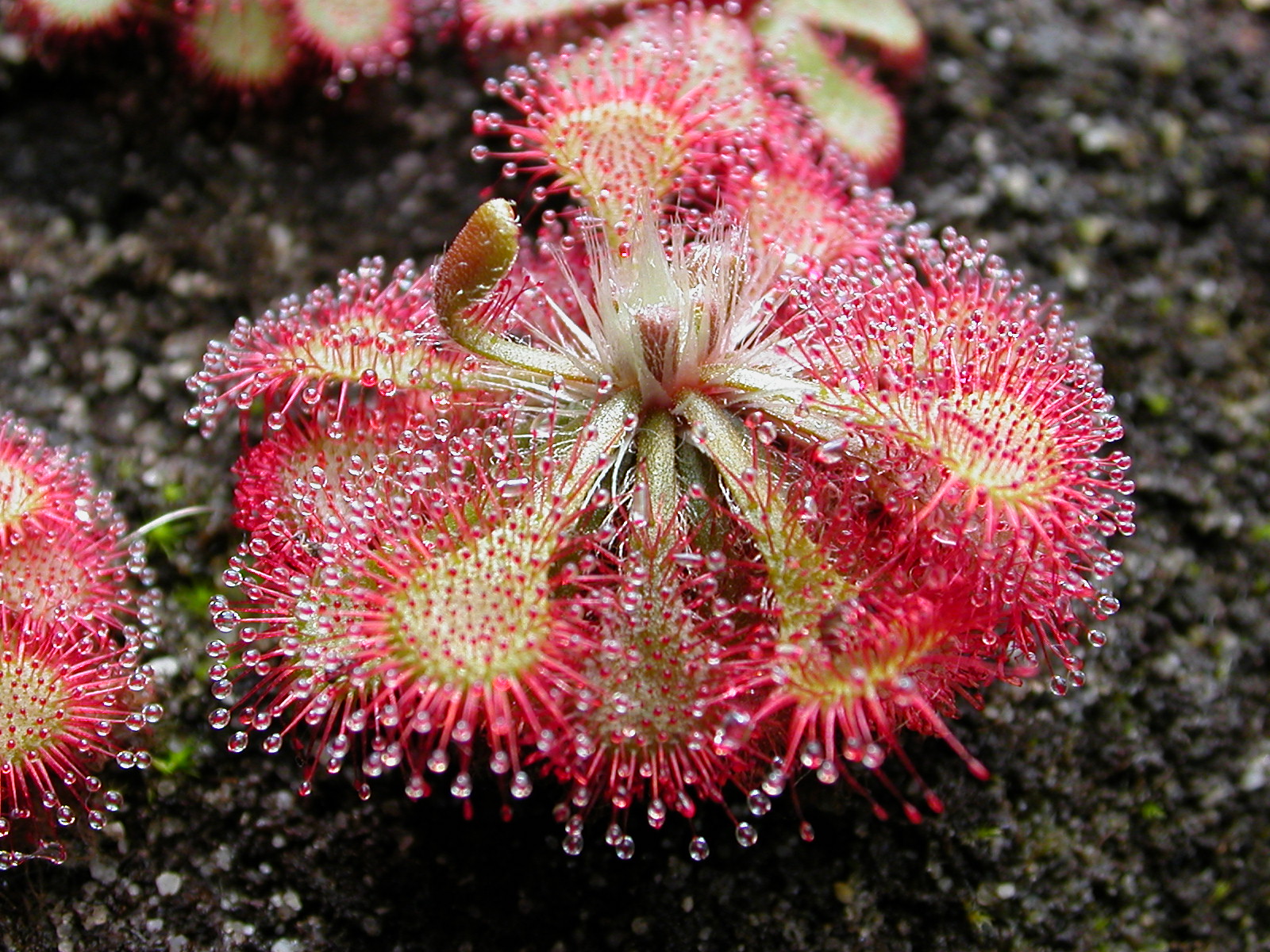 SundewDrosera rotundifolia
 SunflowerHelianthus annuus
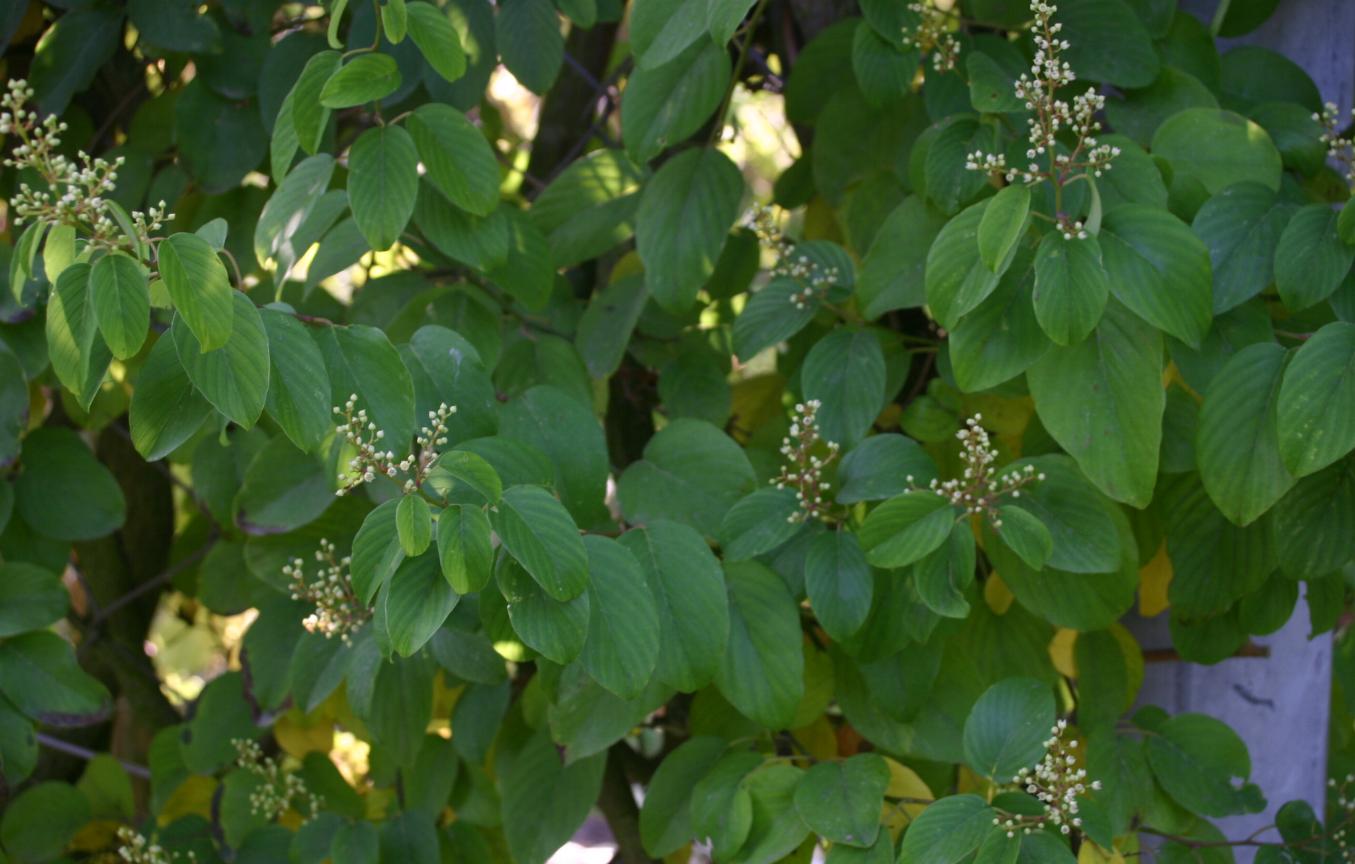 Supple jackBerchemia volubilis
The whole plate is in the library. The compass, Compare, the Sky of eleven hundred plants and the formulary open with an email address and a password, free, with the formula builder and its safety engine. Herbert without limit, his formulating, clients, the handouts and the labels are the paid room.
Open the library, free