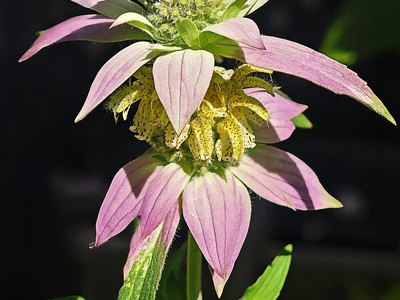
Western Herbalism
Horsemint
Monarda punctata
Also known as Spotted beebalm, Spotted horsemint, Dotted mint, Monarda.
Monarda punctata, horsemint, is a native North American aromatic herb of the mint family, historically distinguished from the ornamental bee balms by its pungent thymol rich essential oil. The aerial parts and distilled oil were used extensively by nineteenth century American eclectic physicians as a diffusible stimulant and carminative, and the plant grows wild in sandy fields and open woods across the eastern and southeastern United States. It has since fallen out of common practice but retains a place as a folk and eclectic remedy for digestive and febrile complaints.

Ask Herbert about Horsemint. Herbert is the master herbalist inside Bountiful Herbs: he answers from this plate and eleven hundred others, with dosing, pairing and cautions. Your first ten questions are free.
Ask HerbertActions
Indications what the tradition reached for it in
- Dyspepsia with gas and bloating
- Nausea and vomiting
- Colic
- Common cold with chills
- Flatulent colic in children
- Nervous exhaustion with digestive upset
- Menstrual cramps
- Mild upper respiratory catarrh
- Loss of appetite
- Muscular aches (topical rub)
Specific indications
Nausea and gastric irritation in a person who is nervously exhausted, where a warming aromatic stimulant settles the stomach and lifts the spirits
Flatulent colic with cold, sluggish digestion that responds to a warming carminative rather than a purely bitter tonic
Safety
Low dose botanical. Used in drop doses in the classical practice; not a plant to dose freely.
Pregnancy: Avoid in pregnancy given historical use as an emmenagogue and lack of modern safety data.
Breastfeeding: Avoid concentrated preparations in lactation due to insufficient safety data; occasional culinary strength infusion is unlikely to be problematic.
The record lists 3 contraindications; open the plate in the library to read them in full.
In practice
Horsemint was valued by the eclectic physicians chiefly as a fast acting, gently stimulating carminative for a stomach that has gone flat, cold, or nauseated, especially where the person is also nervously depleted rather than acutely inflamed.
Dosing as the sources wrote it
| Preparation | As written | Metric |
|---|---|---|
| Infusion | 1-2 g dried aerial parts as infusion, up to three times daily | 1000-2000 mg |
| Tincture (1:5, 45%) | 1-3 mL three times daily | 1-3 mL |
| Essential oil (historical, oral) | 1-5 drops on sugar or in water, occasional dosing only | 0.02-0.1 mL |
| Dose, from one to five drops. | 0.02-0.1 mL | |
| Oleum Monardae, Oil of Monarda | Dose, 2 to 5 drops, on sugar. | 0.06-0.15 mL |
| Infusum Monarda,, Infusion of Horsemint, (1 ounce to Water 16 fluidounce | Dose, 1/2 to 2 fluidounces to | 14.79-59.15 mL |
Doses are reproduced from the sources for practitioners and are not a recommendation for any person.
From the sources
Overview. Monarda punctata, horsemint, is a native North American aromatic herb of the mint family, historically distinguished from the ornamental bee balms by its pungent thymol rich essential oil. The aerial parts and distilled oil were used extensively by nineteenth century American eclectic physicians as a diffusible stimulant and carminative, and the plant grows wild in sandy fields and open woods across the eastern and southeastern United States. It has since fallen out of common practice but retains a place as a folk and eclectic remedy for digestive and febrile complaints.
Clinical Notes. Horsemint was valued by the eclectic physicians chiefly as a fast acting, gently stimulating carminative for a stomach that has gone flat, cold, or nauseated, especially where the person is also nervously depleted rather than acutely inflamed.
Action and Therapy. External. Locally applied the oil is rubefacient, and if too closely or long applied painfully vesicant. It has been successfully used in local neuralgias Internal. Infusion of monarda has long been a popular remedy for retarded menstruation from cold.
Therapy. It soothes gastric and intestinal pain in the absence of inflammation, especially in Cholera Morbus and overcomes nausea and vomiting. It controls diarrhea from debility with relaxation of the mucous structures of the intestinal canal.
Drawn from King's American Dispensatory, 18th edition (Felter and Lloyd); Ellingwood's American Materia Medica, Therapeutics and Pharmacognosy; Felter's Eclectic Materia Medica, Pharmacology and Therapeutics, and the Bountiful Herbs editorial.
Often paired with
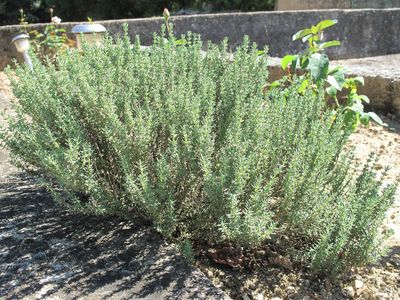 ThymeThymus vulgaris
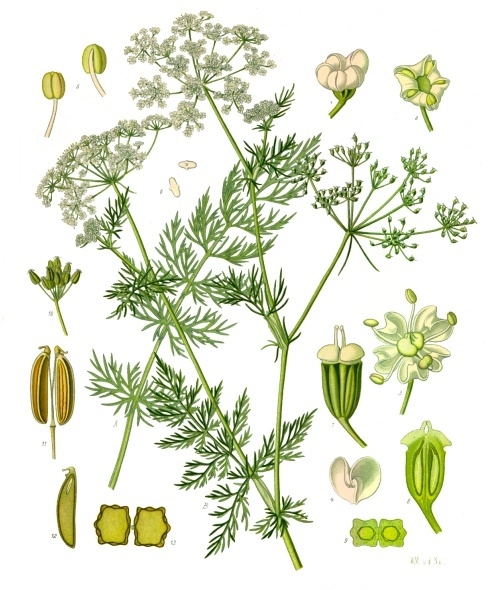 CarawayCarum carvi
Nearby on the shelf
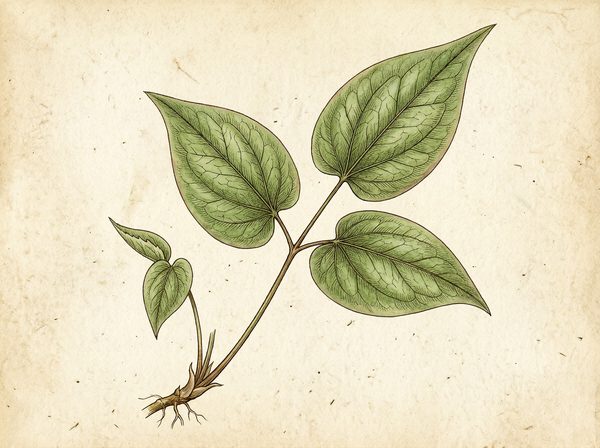 Horny Goat WeedEpimedium brevicornum
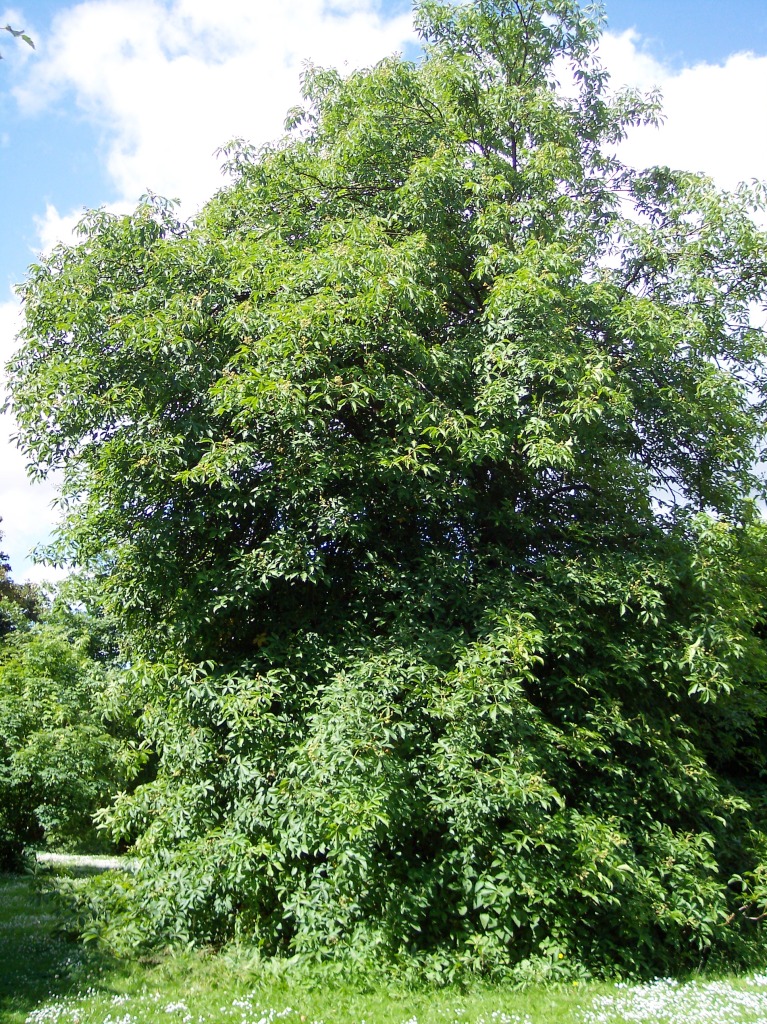 Horse ChestnutAesculus hippocastanum
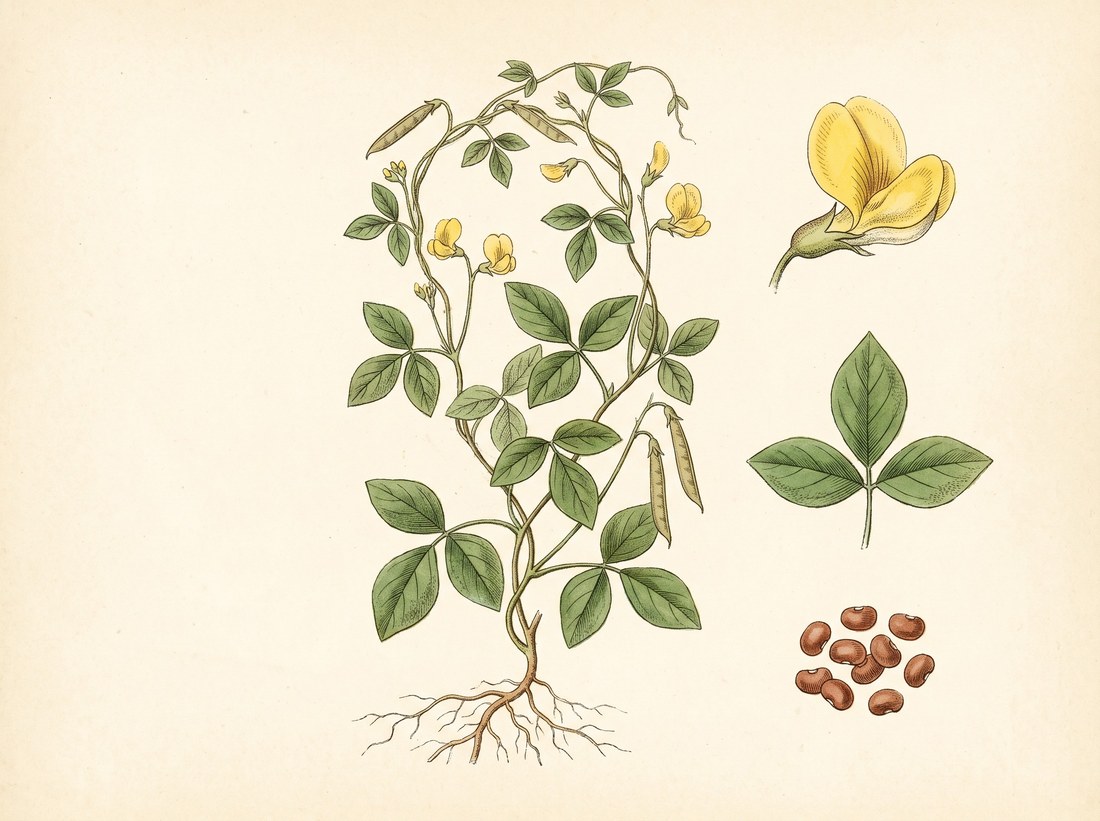 Horse gramMacrotyloma uniflorum
 Horse-nettleSolanum Carolinense
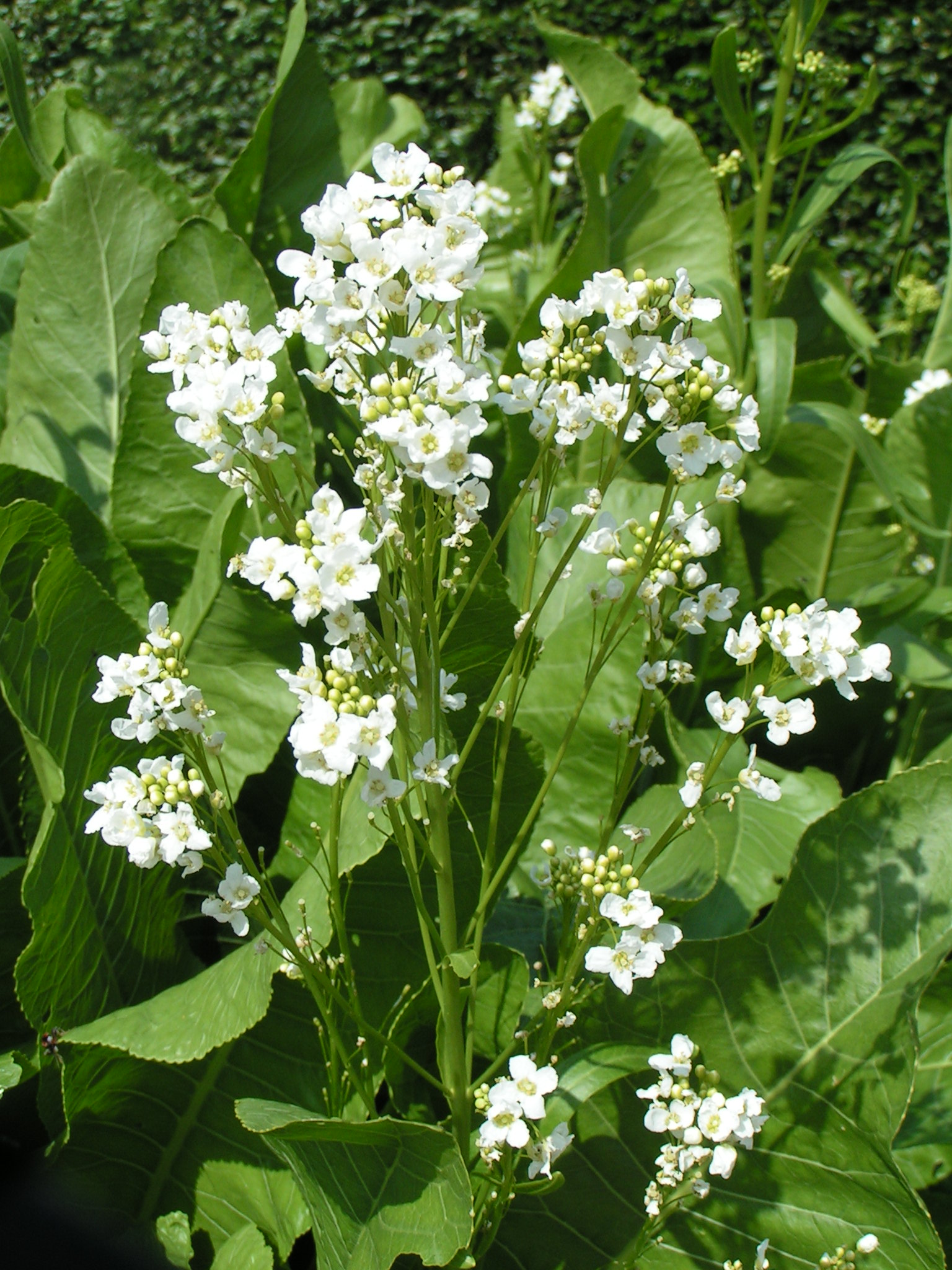 HorseradishArmoracia rusticana
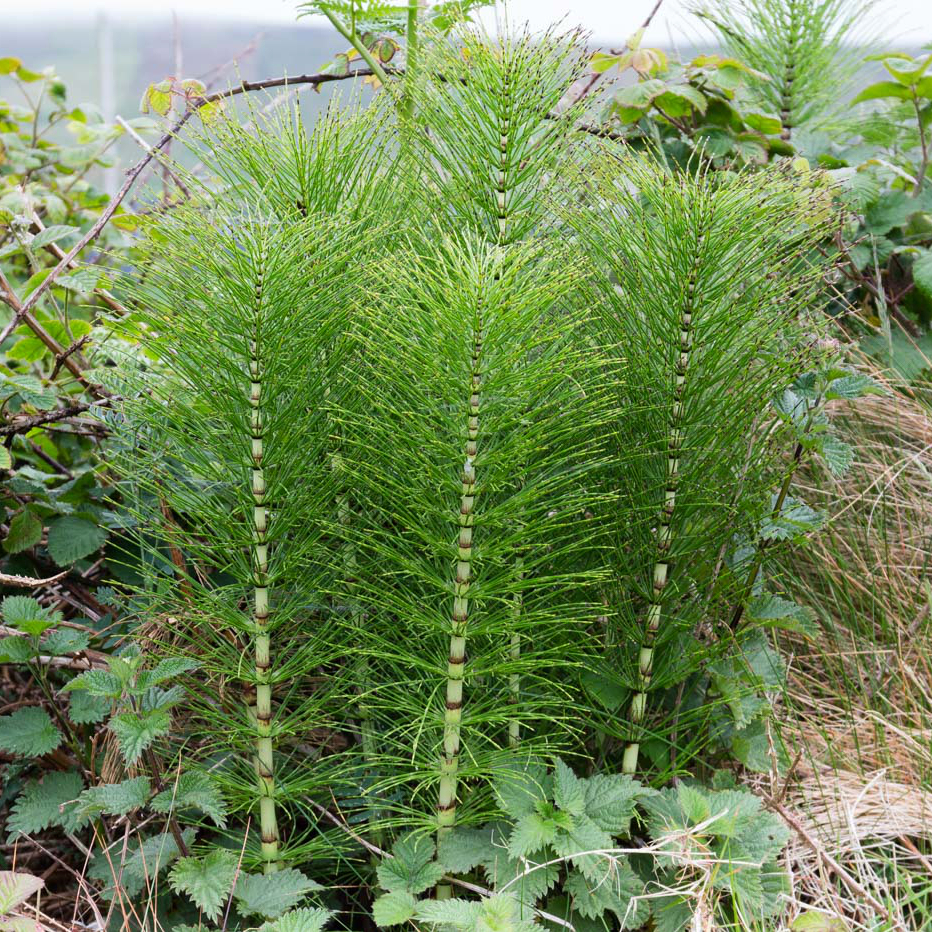 HorsetailEquisetum arvense
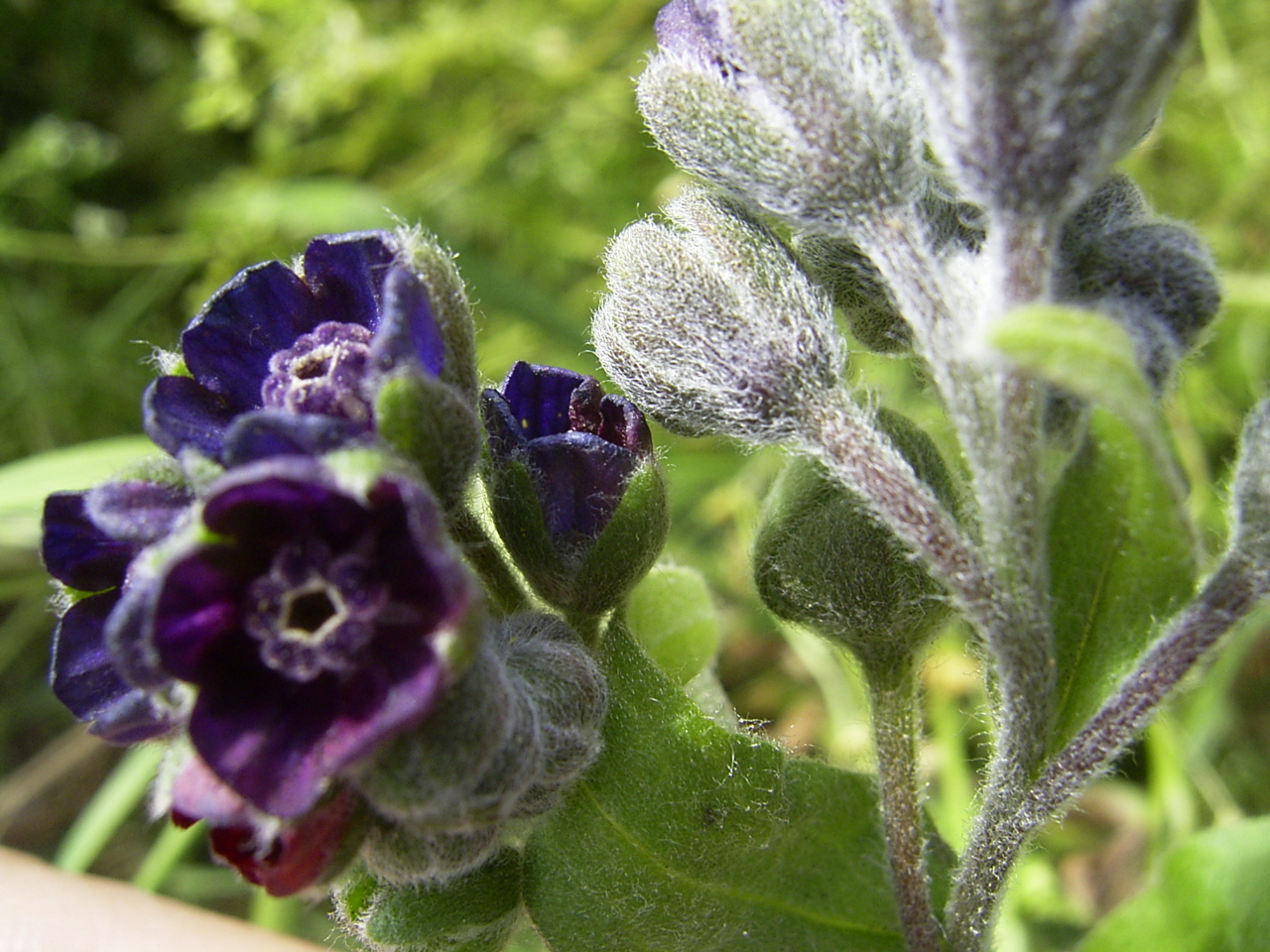 Hound's TongueCynoglossum
 House leekSempervivum tectorum
The whole plate is in the library. The compass, Compare, the Sky of eleven hundred plants and the formulary open with an email address and a password, free, with the formula builder and its safety engine. Herbert without limit, his formulating, clients, the handouts and the labels are the paid room.
Open the library, free