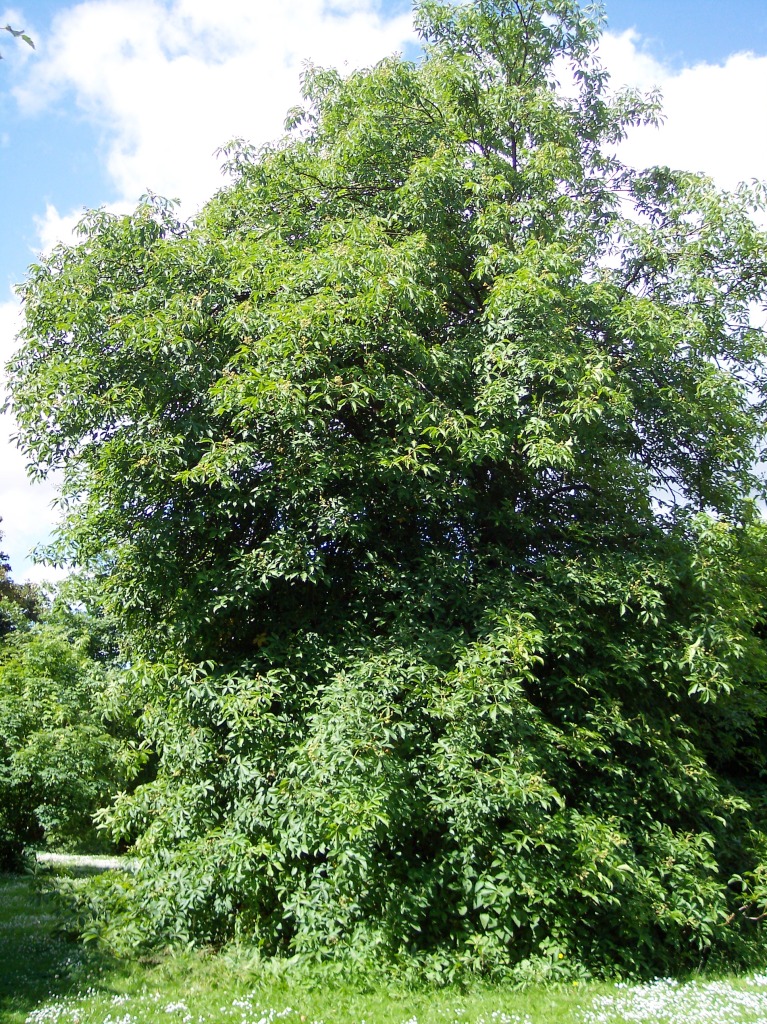
Western Herbalism
Horse Chestnut
Aesculus hippocastanum
Raw seeds, bark, flowers contain toxic esculin use only processed, defatted seed extracts standardized to triterpene glycosides (aescin) approved by / for seed extract in chronic venous insufficiency bark traditionally used but insufficient evidence

Ask Herbert about Horse Chestnut. Herbert is the master herbalist inside Bountiful Herbs: he answers from this plate and eleven hundred others, with dosing, pairing and cautions. Your first ten questions are free.
Ask HerbertActions
Indications what the tradition reached for it in
- Swollen legs
- Discomfort and heaviness of legs
- Post-operative oed
- Bruises
- Symptoms of minor venous circulatory disturbances
- Leg heaviness
- Calf cramps
- Leg tension
- Leg tiredness
- Leg itching
- Local oed
- Haematoma
- Hemorrhoids
- Venous ulcers
- Leg pain
- Varicose veins
- Chronic venous insufficiency
- Bleeding
- Cold extremities
- Diarrhea
- Inflammation
- Poor circulation
- Pain
- Excessive discharge
- Haemorrhoids
- Phlebitis
- Diarrhoea
- Fever
- Enlargement of the prostate gland
- Chronic venous insufficiency in the legs
Safety
Pregnancy: Use with care in pregnancy
Breastfeeding: Use with care while breastfeeding
The record lists 8 contraindications; open the plate in the library to read them in full.
Dosing as the sources wrote it
| Preparation | As written | Metric |
|---|---|---|
| Dry extract | Dry extract (DER 4.5-5.5:1 or 3-6:1, ethanol 40-80% V/V, standardized to 16-20% or 6.5-10% triterpene glycosides as aescin or protoaescigenin), 50-150 mg aescin equivalent daily in divided doses | 50-150 mg |
| topical dry extract or gel | topical dry extract or gel (2% aescin) 1-3x daily on intact skin | |
| Fruit 0.2-1.0 g three times daily .(G49) Preparations Extracts equivalent to 50 -150 mg triterpenes calculated as aescin, in divided doses | 200-1000 mg | |
| · CVI: HCSE standardised to 50-100 mg escin twice daily | 50-100 mg | |
| · Australian manufacturers recommend 2-5 mL/day of 1:2 liquid extract | 2-5 mL | |
| · 1-2 g dried seed daily. | 1000-2000 mg |
Doses are reproduced from the sources for practitioners and are not a recommendation for any person.
From the sources
Clinical Notes. Raw seeds, bark, flowers contain toxic esculin use only processed, defatted seed extracts standardized to triterpene glycosides (aescin) approved by / for seed extract in chronic venous insufficiency bark traditionally used but insufficient evidence
Action and Therapy. The action and therapeutic uses of hippocastanum are closely similar to those of Aesculus glabra, which see. By some it is believed to have a somewhat stronger action upon the venous circulation. It is often a remedy of value in neuralgia of the abdominal and pelvic viscera, when there is plethora.
Properties and Uses. The bark is a narcotic astringent, and is not a curative agent; yet some have commended it as a tonic in intermittents. The rind of the nuts is a stronger narcotic- possessing about one-third the strength of opium.
Action, Medical Uses, and Dosage. This agent influences the nervous and circulatory systems, having a selective affinity for the portal circulation. In over-doses it affects the cerebro-spinal system somewhat after the manner of nux vomica.
Drawn from Cook's Physio-Medical Dispensatory; King's American Dispensatory, 18th edition (Felter and Lloyd); Felter's Eclectic Materia Medica, Pharmacology and Therapeutics, and the Bountiful Herbs editorial.
Nearby on the shelf
 HoodiaHoodia gordonii
 Hop hornbeamOstrya virginica
 HopsHumulus lupulus
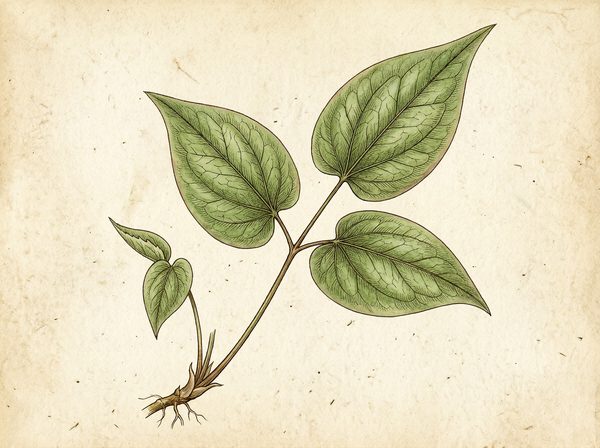 Horny Goat WeedEpimedium brevicornum
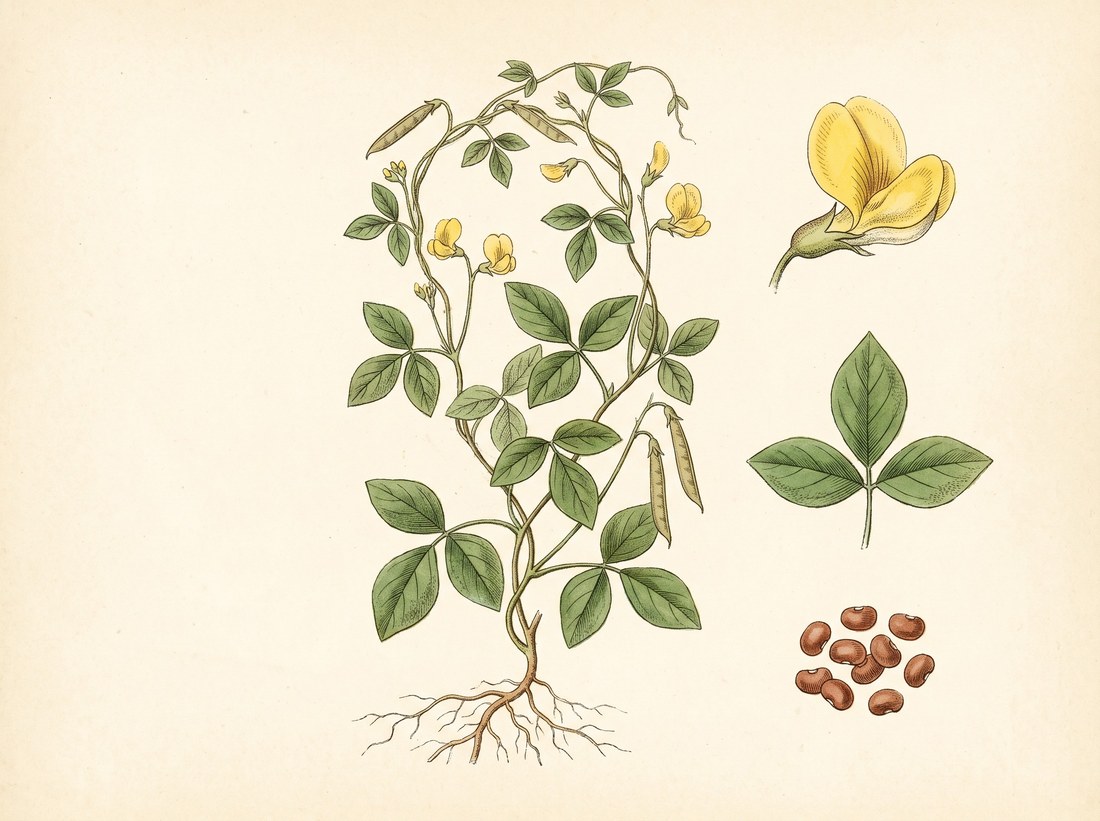 Horse gramMacrotyloma uniflorum
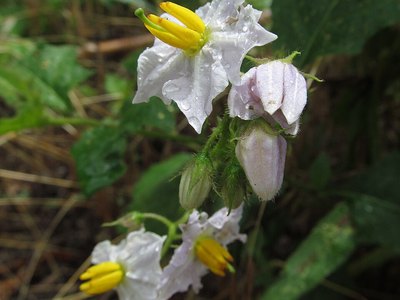 Horse-nettleSolanum Carolinense
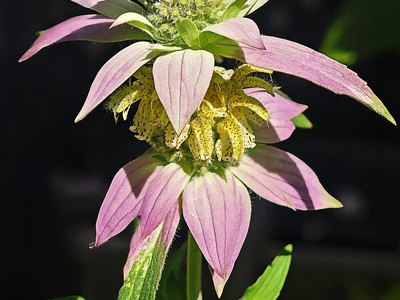 HorsemintMonarda punctata
 HorseradishArmoracia rusticana
The whole plate is in the library. The compass, Compare, the Sky of eleven hundred plants and the formulary open with an email address and a password, free, with the formula builder and its safety engine. Herbert without limit, his formulating, clients, the handouts and the labels are the paid room.
Open the library, free