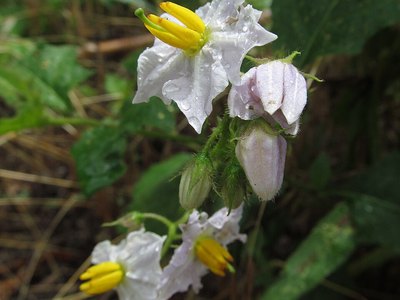
Western Herbalism
Horse-nettle
Solanum Carolinense
Also known as Bull-nettle, Sand-brier, Treadsoft, Threadsoft, Threadsaf, Carolina horse-nettle, Wild tomato, Solanum.
Solanum carolinense is a coarse, spiny perennial of the nightshade family, native to and naturalized throughout the eastern and central United States, common in fields, roadsides, and waste ground. The root and ripe berry were the parts used by the American eclectic physicians of the nineteenth century, who valued the plant chiefly as an antispasmodic for epilepsy and whooping cough. It has no established place in mainstream herbal practice today and is essentially a historical remedy rather than a current one.

Ask Herbert about Horse-nettle. Herbert is the master herbalist inside Bountiful Herbs: he answers from this plate and eleven hundred others, with dosing, pairing and cautions. Your first ten questions are free.
Ask HerbertActions
Indications what the tradition reached for it in
- Idiopathic epilepsy (historical, unproven)
- Petit mal seizures (historical)
- Seizures worsened by menses
- Chorea
- Whooping cough (pertussis)
- Nervous cough with spasm
- Neuralgia
- Toothache (topical)
- Insomnia from nervous excitability
Specific indications
Seizures that intensify in force or frequency around the menstrual period
Paroxysmal, spasmodic cough of whooping cough poorly controlled by gentler antispasmodics
Epileptiform convulsions of iodiopathic origin; hystero-epilesy; spasmodic cough.
Safety
Recognised toxicity. This plant carries a toxicity flag in the record; it is for trained practitioners only.
Low dose botanical. Used in drop doses in the classical practice; not a plant to dose freely.
Pregnancy: Avoid in pregnancy: the plant contains steroidal glycoalkaloids with known reproductive and embryotoxic potential in related Solanum species, and there is no safety data to support use.
Breastfeeding: Avoid in lactation due to the presence of toxic glycoalkaloids and absence of safety data in nursing infants.
The record lists 5 contraindications; open the plate in the library to read them in full.
In practice
The eclectic literature is candid that horse-nettle's reputation as an antiepileptic outran its actual reliability: some practitioners reported a reduction in seizure frequency and severity, particularly when attacks clustered around menses, but results were inconsistent and the doses required to produce any effect approached those that caused toxicity.
Dosing as the sources wrote it
| Preparation | As written | Metric |
|---|---|---|
| Historical dried root (eclectic dosing, not recommended for modern use) | 0.6-2 g dried root daily, in divided doses | 600-2000 mg |
| Tincture (1:5, historical) | 0.3-1 mL up to three times daily | 0.3-1 mL |
| Tincture Solanum | Dose, from twenty to sixty minims. | 1.23-3.7 mL |
| Dose, 10 to 30 grains. | 648-1944 mg | |
| Dose, 10 to 30 drops. | 0.2-0.6 mL | |
| fluid extract | The dose of the fluid extract is from 10 to 60 drops; of specific solanum carolinense, 10 to 30 drops. | 0.2-1.2 mL |
Doses are reproduced from the sources for practitioners and are not a recommendation for any person.
From the sources
Overview. Solanum carolinense is a coarse, spiny perennial of the nightshade family, native to and naturalized throughout the eastern and central United States, common in fields, roadsides, and waste ground. The root and ripe berry were the parts used by the American eclectic physicians of the nineteenth century, who valued the plant chiefly as an antispasmodic for epilepsy and whooping cough. It has no established place in mainstream herbal practice today and is essentially a historical remedy rather than a current one.
Clinical Notes. The eclectic literature is candid that horse-nettle's reputation as an antiepileptic outran its actual reliability: some practitioners reported a reduction in seizure frequency and severity, particularly when attacks clustered around menses, but results were inconsistent and the doses required to produce any effect approached those that caused toxicity.
Action and Therapy. Solanum is antispasmodic, and for this effect has been extolled as a remedy for iodiopathic epilepsy, in which extraordinary claims are made for it; and of lesser value, in petit mal. As large doses are required its effects may border upon the poisonous. Hare asserts that he has reduced the force and frequency of epileptic attacks with it; and most observers claim that it acts best when the attacks are severest at or when provoked by or occurring in the menstrual period. It has been used also in chorea, but not with marked benefit. We have found it a good modifier of the paroxysms of whooping cough. Altogether its virtues are much overrated .
Therapy. The remedy has been used with some success in the treatment of epilepsy. It was used in an Eastern hospital for epileptics experimentally, with a reduction in the number of paroxysms of twenty-five per cent. It may be given in all forms of epilepsy in sufficient frequent doses to produce a sensation of dullness or drowsiness. It has cured some stubborn cases and has relieved many. Its specific field is yet to be determined. It has been used in the treatment of puerperal convulsions with satisfactory results, in a few cases. In hysterical paroxysms it has been useful.
Drawn from King's American Dispensatory, 18th edition (Felter and Lloyd); Ellingwood's American Materia Medica, Therapeutics and Pharmacognosy; Felter's Eclectic Materia Medica, Pharmacology and Therapeutics, and the Bountiful Herbs editorial.
Nearby on the shelf
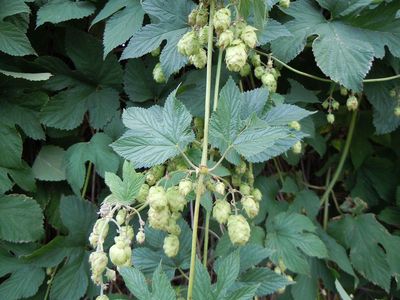 HopsHumulus lupulus
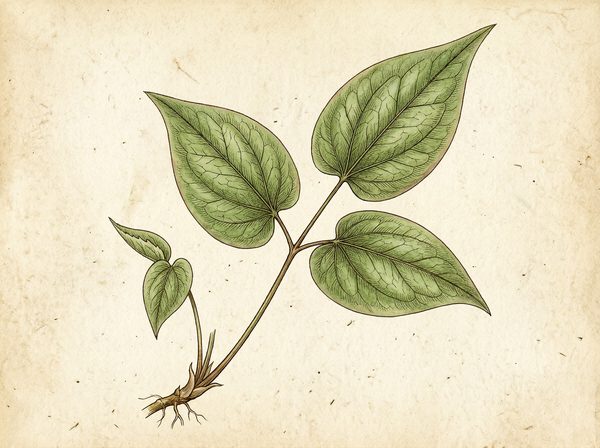 Horny Goat WeedEpimedium brevicornum
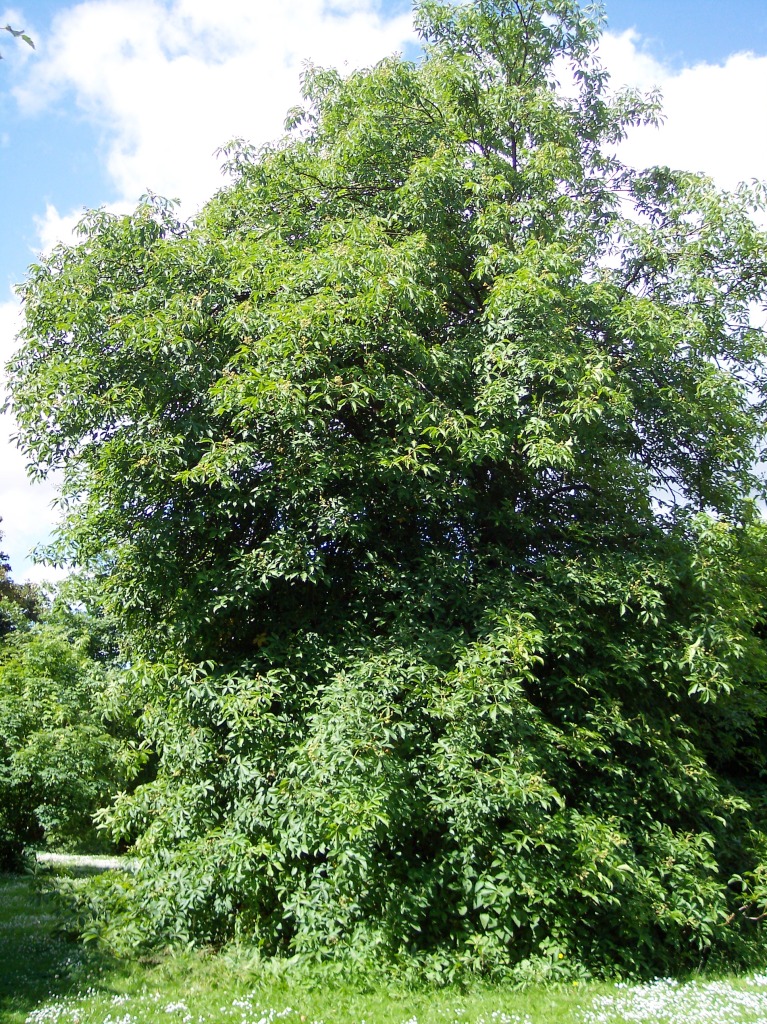 Horse ChestnutAesculus hippocastanum
 Horse gramMacrotyloma uniflorum
 HorsemintMonarda punctata
 HorseradishArmoracia rusticana
 HorsetailEquisetum arvense
 Hound's TongueCynoglossum
The whole plate is in the library. The compass, Compare, the Sky of eleven hundred plants and the formulary open with an email address and a password, free, with the formula builder and its safety engine. Herbert without limit, his formulating, clients, the handouts and the labels are the paid room.
Open the library, free