Western Herbalism
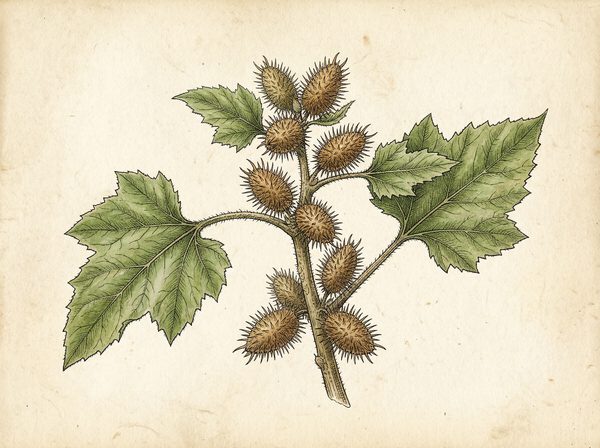
Cocklebur Fruit
Xanthium sibiricum
Also known as Cang Er Zi, Clotbur, Cocklebur, Burweed, Broad Bur-Weed, cāng ěr zǐ.
Cocklebur is a coarse, weedy annual of the daisy family that thrives in disturbed, nutrient-rich ground such as barnyards, fallow fields and roadsides across temperate regions worldwide. The bristly, hook-covered burrs that give the plant its common names are its most recognizable feature, and both the leaves and the mature fruit have a place in traditional medicine, the leaves in the nineteenth century Physiomedical and Eclectic literature of North America and the fruit, prepared by stir-frying to reduce its toxicity, as a long-established herb in Chinese medicine for sinus and nasal complaints. The Latin epithet strumarium reflects an old use of the plant for scrofulous, or struma-like, glandular swellings.

Ask Herbert about Cocklebur Fruit. Herbert is the master herbalist inside Bountiful Herbs: he answers from this plate and eleven hundred others, with dosing, pairing and cautions. Your first ten questions are free.
Ask HerbertActions
Indications what the tradition reached for it in
- Sinusitis
- Pruritus
- Rhinitis (acute, chronic, allergic)
- Skin itching
- Nasal congestion
- Loss of smell
- Nasal obstruction
- Damp skin sores
- Nasal polyps
- Wind-damp bi pain
- Rheumatism
- Arthritis
- Joint pain
- Stiffness
- Numbness
- Urticaria
- Gastric ulcer
- Headache (anemofrigid, wind-cold, occipital splitting)
- Eczema
- Nasal discharge (thick, profuse)
- Bronchitis
- Cough
- Edema
- Fluid retention
- Fungal infections
- Inflammation
- Pain
- Respiratory congestion
- Ulcers
- Urinary disorders
Safety
Recognised toxicity. This plant carries a toxicity flag in the record; it is for trained practitioners only.
Low dose botanical. Used in drop doses in the classical practice; not a plant to dose freely.
Pregnancy: Pregnancy Caution
Breastfeeding: Lactation (source flag notSafeInLactation)
The record lists 3 contraindications; open the plate in the library to read them in full.
Dosing as the sources wrote it
| Preparation | As written | Metric |
|---|---|---|
| Decoction | Decoction 3-10g | 3000-10000 mg |
| Tincture | Tincture 2-4ml | 2-4 mL |
| Dose, 5 to 60 drops. | 0.1-1.2 mL | |
| Leaf infusion (traditional Eclectic use) | 15-30 g dried leaf per liter of hot water, infused, taken in divided doses through the day | 15000-30000 mg |
| Tincture, leaf (1:5, 45%) | 1-2 mL three times daily | 1-2 mL |
| Processed fruit decoction (Cang Er Zi, stir-fried) | 3-9 g stir-fried fruit daily in decoction, short courses only | 3000-9000 mg |
Doses are reproduced from the sources for practitioners and are not a recommendation for any person.
From the sources
Overview. Cocklebur is a coarse, weedy annual of the daisy family that thrives in disturbed, nutrient-rich ground such as barnyards, fallow fields and roadsides across temperate regions worldwide. The bristly, hook-covered burrs that give the plant its common names are its most recognizable feature, and both the leaves and the mature fruit have a place in traditional medicine, the leaves in the nineteenth century Physiomedical and Eclectic literature of North America and the fruit, prepared by stir-frying to reduce its toxicity, as a long-established herb in Chinese medicine for sinus and nasal complaints. The Latin epithet strumarium reflects an old use of the plant for scrofulous, or struma-like, glandular swellings.
Clinical Notes. Used primarily in TCM as Cang Er Zi Fruit processed by stir-baking to reduce toxicity Often combined in formulas like Cang Er Zi San for nasal conditions Hepatotoxic potential mitigated by processing Equivalent to Xanthium strumarium in many pharmacopoeial contexts
Clinical Notes. The Eclectic and Physiomedical writers valued the leaf infusion as a gentle, diffusive nervine, something to settle a restless, wiry patient whose skin is dry and whose complaints are vague and shifting rather than sharply localized.
Action and Therapy. This agent acts much like clotbur, and has been used with advantage in painful urination, with scalding, and marked sensitiveness of the urethra and bladder, with frequent micturition. It is also said to be of service in hemorrhages, as passive hemorrhage from the bowels and the epistaxis of purpura hemorrhagica. For the last-named disorders it is probably of little value, though it should be tried where other means are unavailing.
Drawn from Cook's Physio-Medical Dispensatory; Felter's Eclectic Materia Medica, Pharmacology and Therapeutics, and the Bountiful Herbs editorial.
In formulas
Cocklebur Fruit stands in 14 documented formulas in the library, among them ging bí tāng, càng ér zi sǎn.
Often paired with
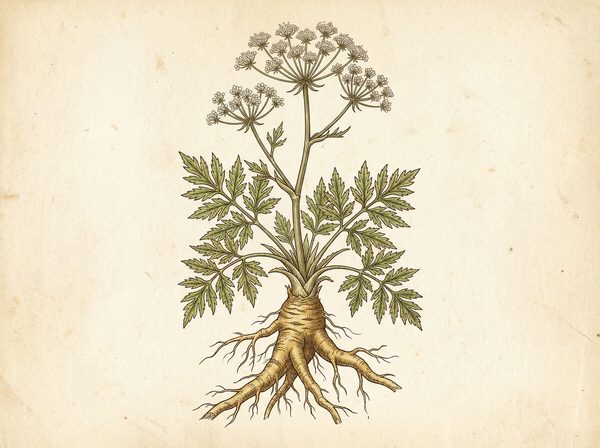 Fang FengSaposhnikovia divaricata
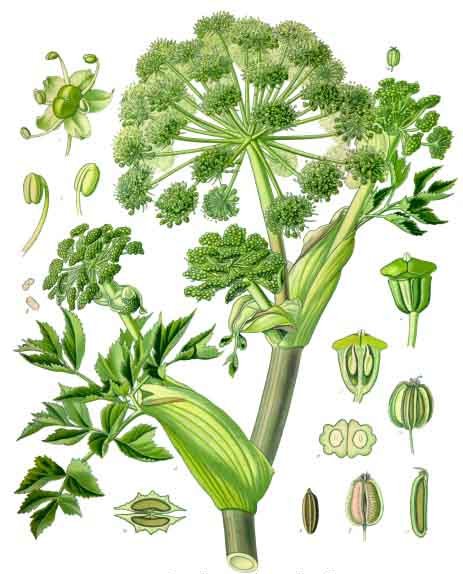 Garden AngelicaAngelica archangelica
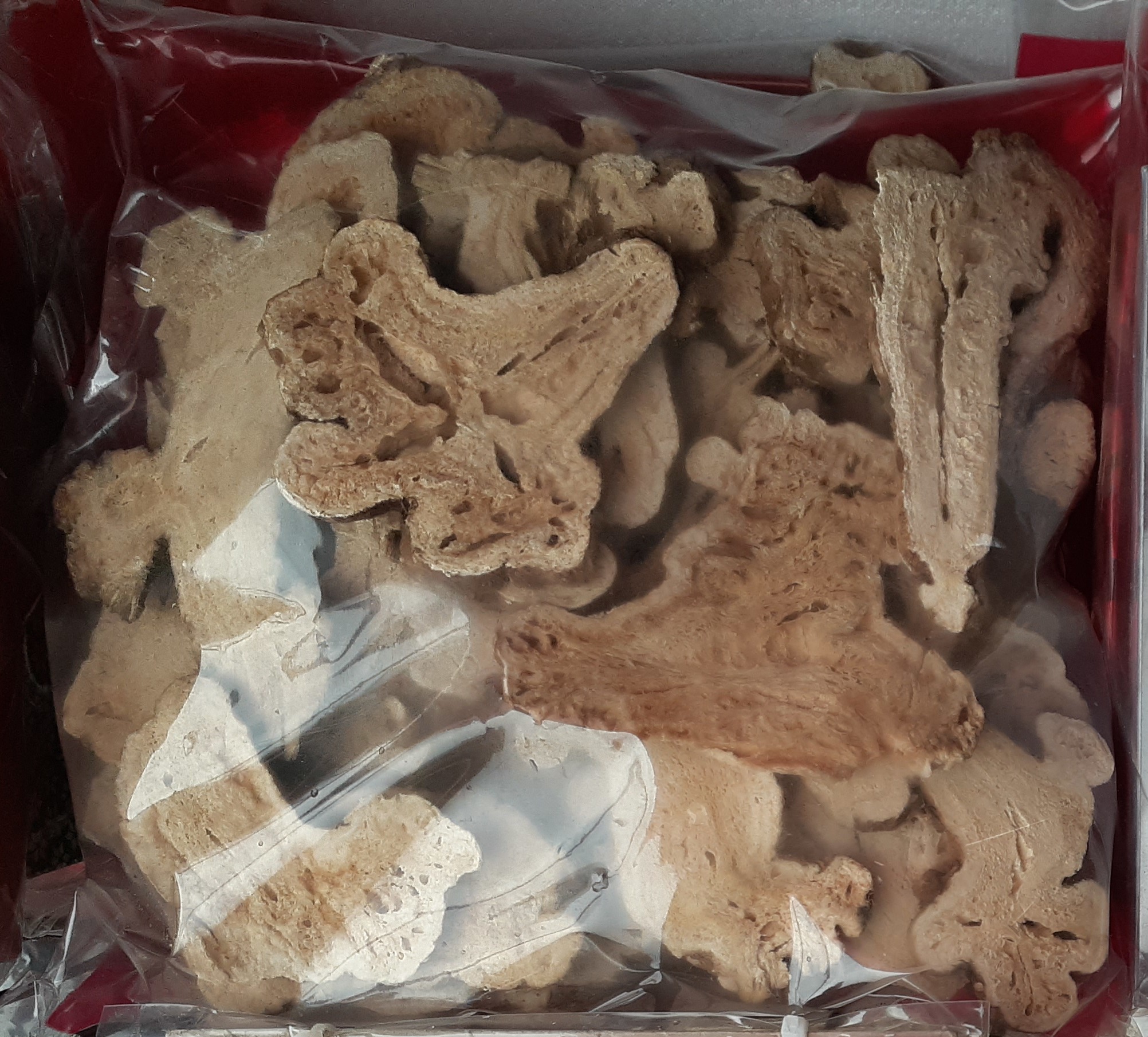 Bai ZhuAtractylodes macrocephala
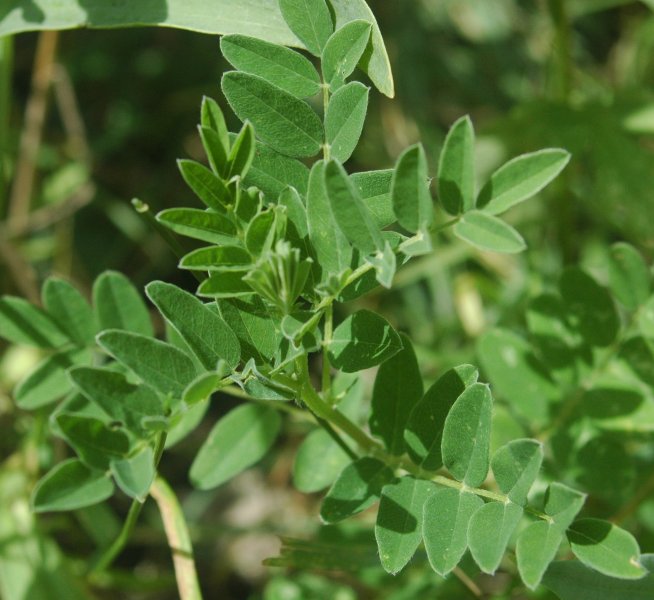 Milk Vetch RootAstragalus membranaceus
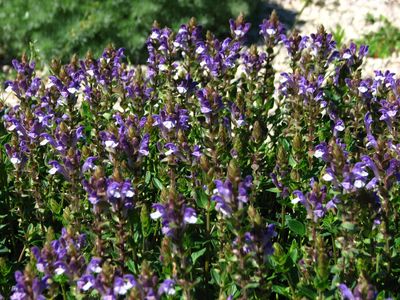 Chinese skullcapScutellaria baicalensis
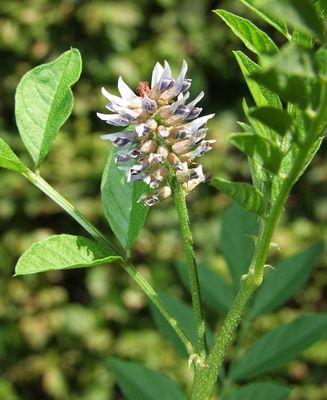 Licorice rootGlycyrrhiza glabra
Nearby on the shelf
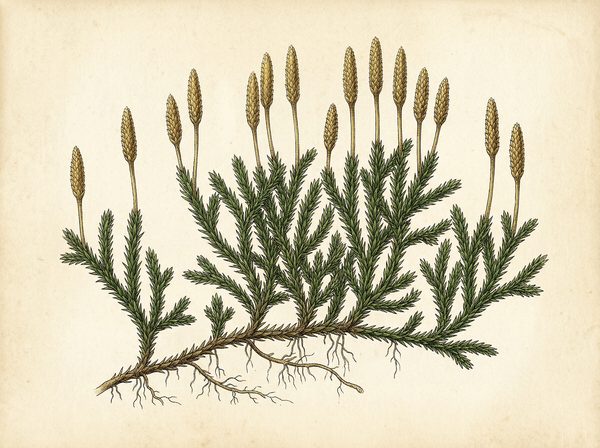 Club MossLycopodium clavatum
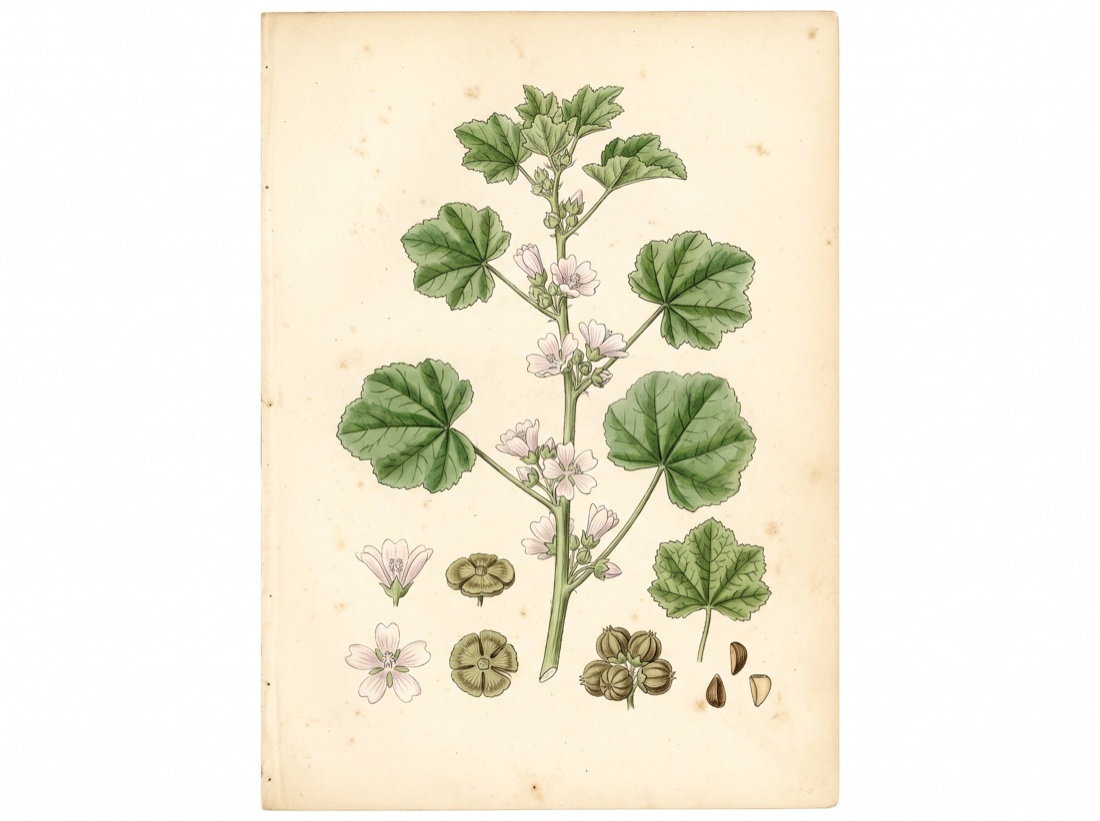 Cluster mallowMalva verticillata
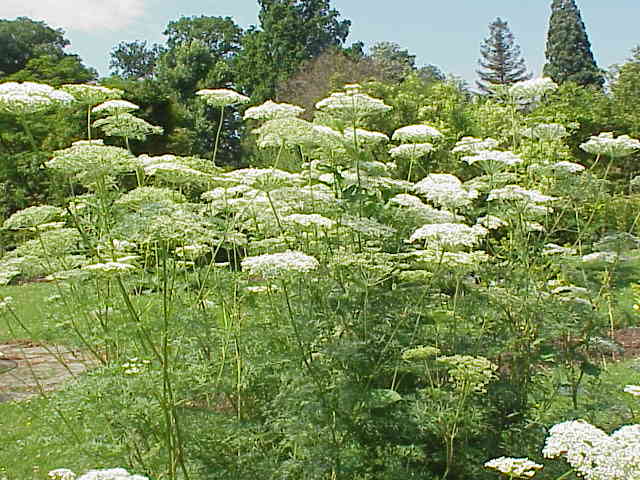 Cnidium SeedCnidium monnieri
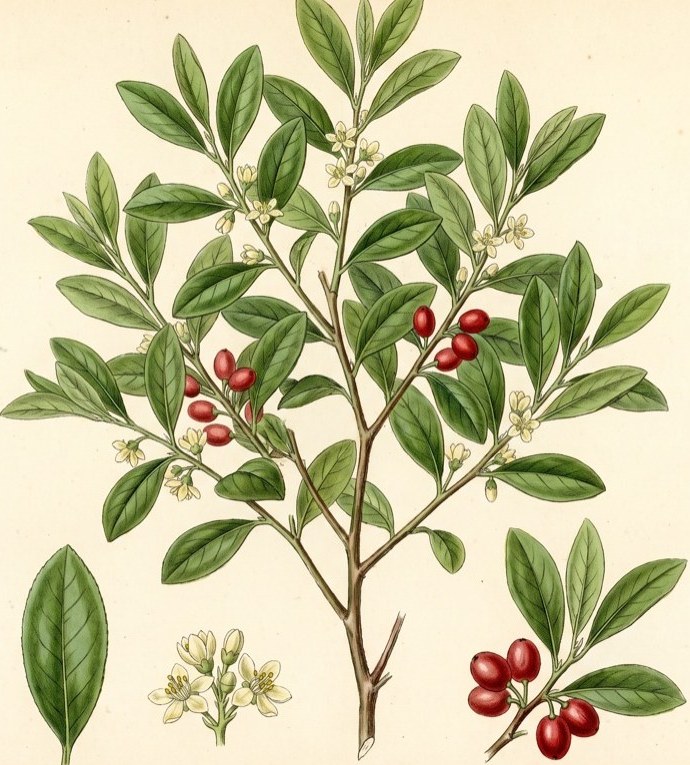 CocaErythroxylon coca
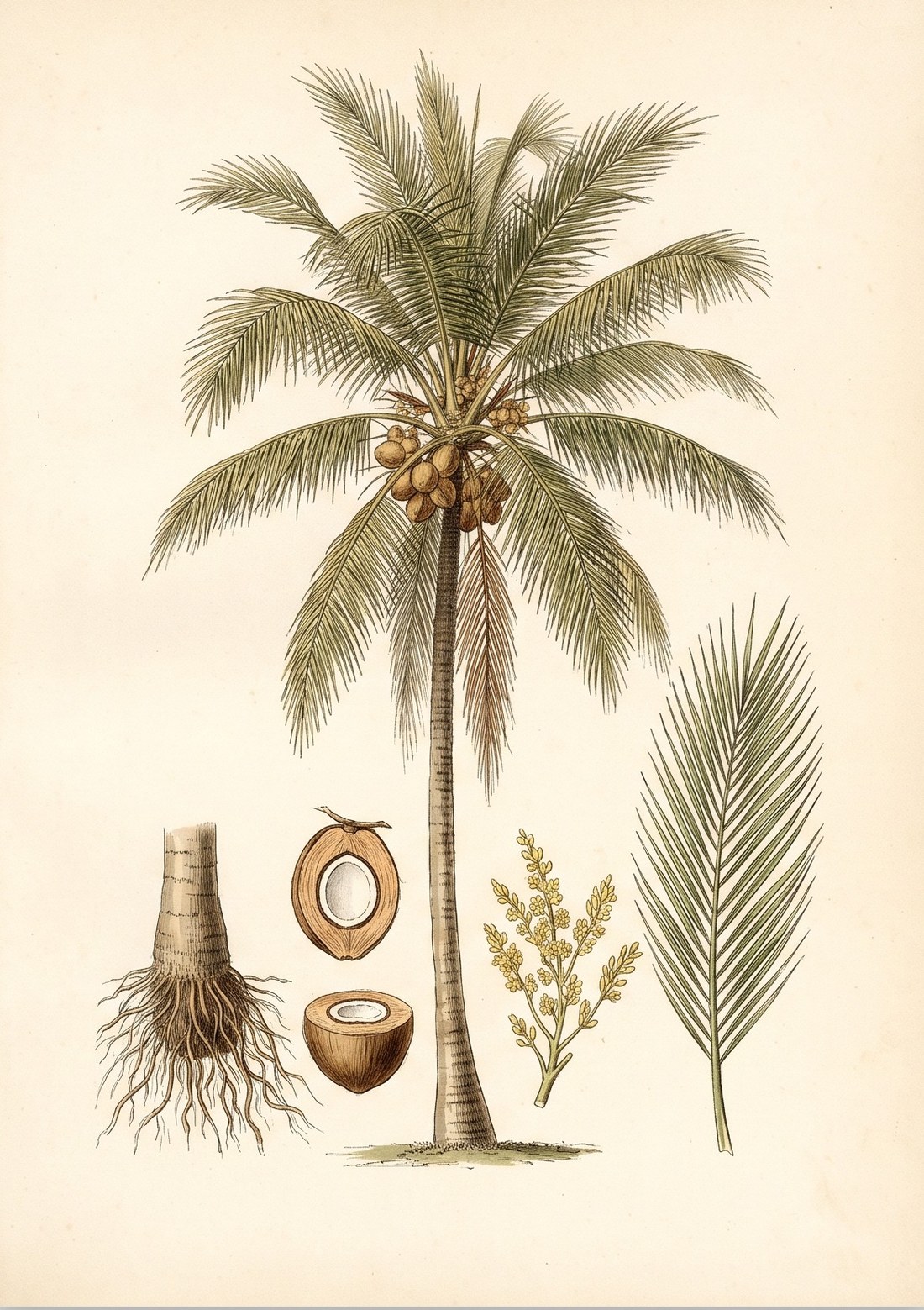 CoconutCocos nucifera
 CodonopsisCodonopsis pilosula
 CoffeeCoffea arabica
 Coffee sennaSenna occidentalis
The whole plate is in the library. The compass, Compare, the Sky of eleven hundred plants and the formulary open with an email address and a password, free, with the formula builder and its safety engine. Herbert without limit, his formulating, clients, the handouts and the labels are the paid room.
Open the library, free