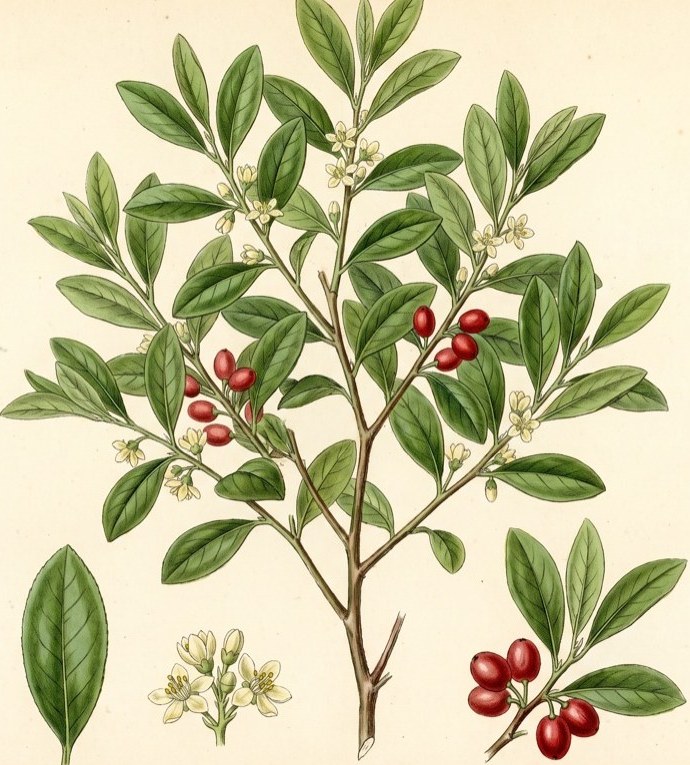
Western Herbalism
Coca
Erythroxylon coca
Also known as Cuca.
Erythroxylon coca is a shrub native to the eastern slopes of the Andes and parts of the Amazon basin, cultivated for millennia by indigenous peoples of Peru, Bolivia, and Colombia. The dried leaf, traditionally chewed with an alkaline substance such as lime or ash, is the part used, and it remains embedded in Andean cultural and ceremonial life. In nineteenth century eclectic and physiomedical practice the leaf and its isolated alkaloid cocaine were investigated as stimulants and anesthetics, but this use was largely abandoned once the profile of dependence and toxicity became clear.

Ask Herbert about Coca. Herbert is the master herbalist inside Bountiful Herbs: he answers from this plate and eleven hundred others, with dosing, pairing and cautions. Your first ten questions are free.
Ask HerbertActions
Indications what the tradition reached for it in
- Fatigue and physical exhaustion (historical use)
- Altitude sickness and soroche (traditional Andean use)
- Appetite suppression (historical, not recommended)
- Mountain sickness with nausea
- Digestive atony (historical eclectic use)
- Local anesthesia for mucous membranes (historical, superseded)
- Depression and low vitality (obsolete eclectic indication)
- Motion sickness (traditional Andean chewing)
Specific indications
Traditional use by Andean laborers chewing leaf with lime or ash to sustain endurance at high altitude with minimal food
Historical eclectic use as a nerve tonic for exhaustion with mental depression, now abandoned due to dependence risk
Safety
Recognised toxicity. This plant carries a toxicity flag in the record; it is for trained practitioners only.
Low dose botanical. Used in drop doses in the classical practice; not a plant to dose freely.
Pregnancy: Contraindicated in pregnancy due to vasoconstriction, risk of placental abruption, and fetal harm from cocaine exposure.
Breastfeeding: Contraindicated in lactation as cocaine and its metabolites pass into breast milk and can cause serious harm to the infant.
The record lists 7 contraindications; open the plate in the library to read them in full.
In practice
This plant has no place in contemporary Western herbal or naturopathic dispensing. Historical eclectic texts described coca leaf as a nerve tonic and anti-fatigue agent for exhaustion, low vitality, and digestive weakness, and noted its capacity to blunt hunger and suffering during hard physical labor, but these observations came from populations using traditional chewing methods with low, slowly absorbed doses of cocaine alongside lime, a very different exposure from concentrated extracts or the purified alkaloid.
Dosing as the sources wrote it
| Preparation | As written | Metric |
|---|---|---|
| Traditional Andean leaf chewing (historical, cultural use only) | several grams dried leaf held in cheek with alkaline lime for hours | |
| Historical eclectic fluid extract (obsolete, not recommended) | not applicable, no safe modern dose exists | |
| Extractum Cocae Fluidum, Fluid Extract of Coca | Dose, from one-half to one dram. | 1944-3888 mg |
| Dose, 60 to 240 grains. | 3888-15552 mg | |
| Dose, 5 to 30 minims. | 0.31-1.85 mL | |
| An occasional dose of 10 to 15 drops of the fluidextract will sometimes overcome insomnia caused by gloom and worry, and very rarely it helps one over an attack of asthma. | 0.2-0.3 mL |
Doses are reproduced from the sources for practitioners and are not a recommendation for any person.
From the sources
Overview. Erythroxylon coca is a shrub native to the eastern slopes of the Andes and parts of the Amazon basin, cultivated for millennia by indigenous peoples of Peru, Bolivia, and Colombia. The dried leaf, traditionally chewed with an alkaline substance such as lime or ash, is the part used, and it remains embedded in Andean cultural and ceremonial life. In nineteenth century eclectic and physiomedical practice the leaf and its isolated alkaloid cocaine were investigated as stimulants and anesthetics, but this use was largely abandoned once the profile of dependence and toxicity became clear.
Clinical Notes. This plant has no place in contemporary Western herbal or naturopathic dispensing. Historical eclectic texts described coca leaf as a nerve tonic and anti-fatigue agent for exhaustion, low vitality, and digestive weakness, and noted its capacity to blunt hunger and suffering during hard physical labor, but these observations came from populations using traditional chewing methods with low, slowly absorbed doses of cocaine alongside lime, a very different exposure from concentrated extracts or the purified alkaloid.
Action and Therapy. The action of coca depends very largely upon the cocaine it contains, therefore the physiological effects are recorded under that subject. From time immemorial the people of the Andes, particularly in Peru, Bolivia, and Chili, have used coca leaves as other nations use stimulating table beverages; and when undergoing long journeys and hard work the natives are accustomed to chew the leaves with lime or some other alkaline substance, in order to endure hunger and fatigue, which it enables them to do with remarkable certainty.
Therapy. There are few cases of neurasthenia in which this agent will not be found useful. Taken after dinner, it serves often to facilitate digestion, and even confirmed dyspeptics find their distressing symptoms relieved by it.
Drawn from King's American Dispensatory, 18th edition (Felter and Lloyd); Ellingwood's American Materia Medica, Therapeutics and Pharmacognosy; Felter's Eclectic Materia Medica, Pharmacology and Therapeutics, and the Bountiful Herbs editorial.
Often paired with
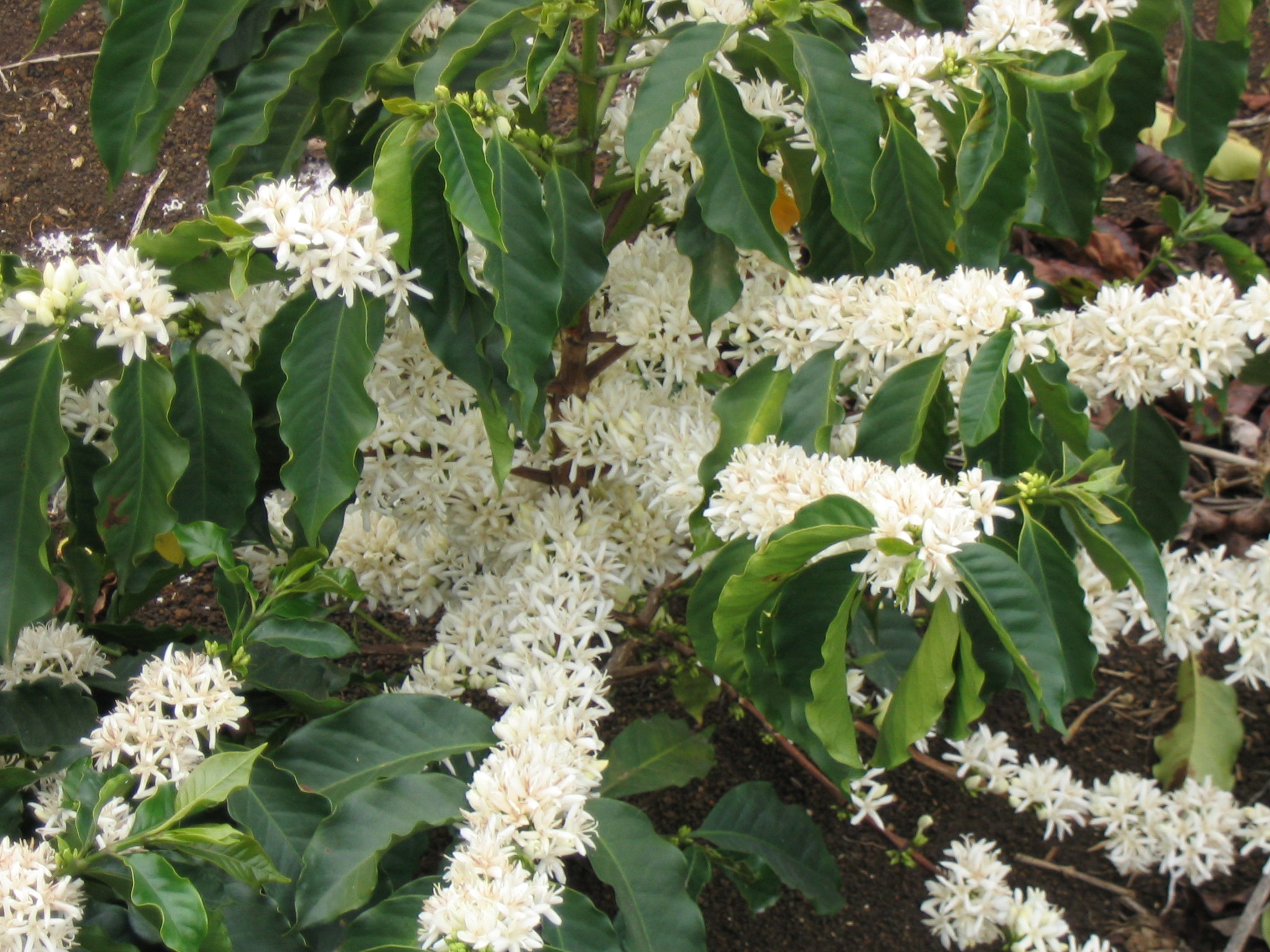 CoffeeCoffea arabica
 DandelionTaraxacum officinale
 CacaoTheobroma cacao
Nearby on the shelf
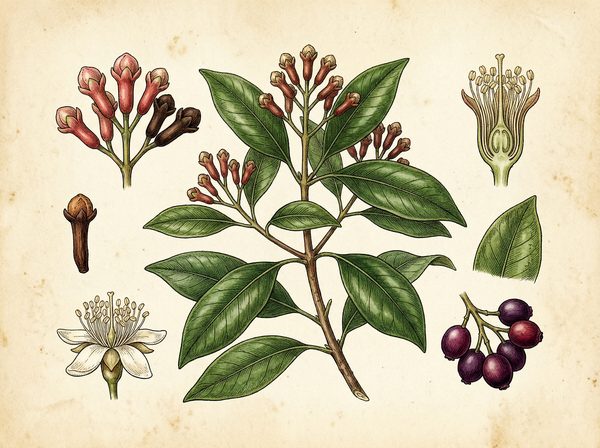 CloveSyzygium aromaticum
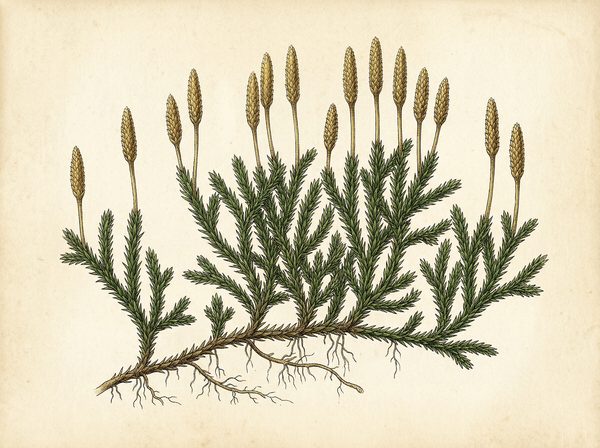 Club MossLycopodium clavatum
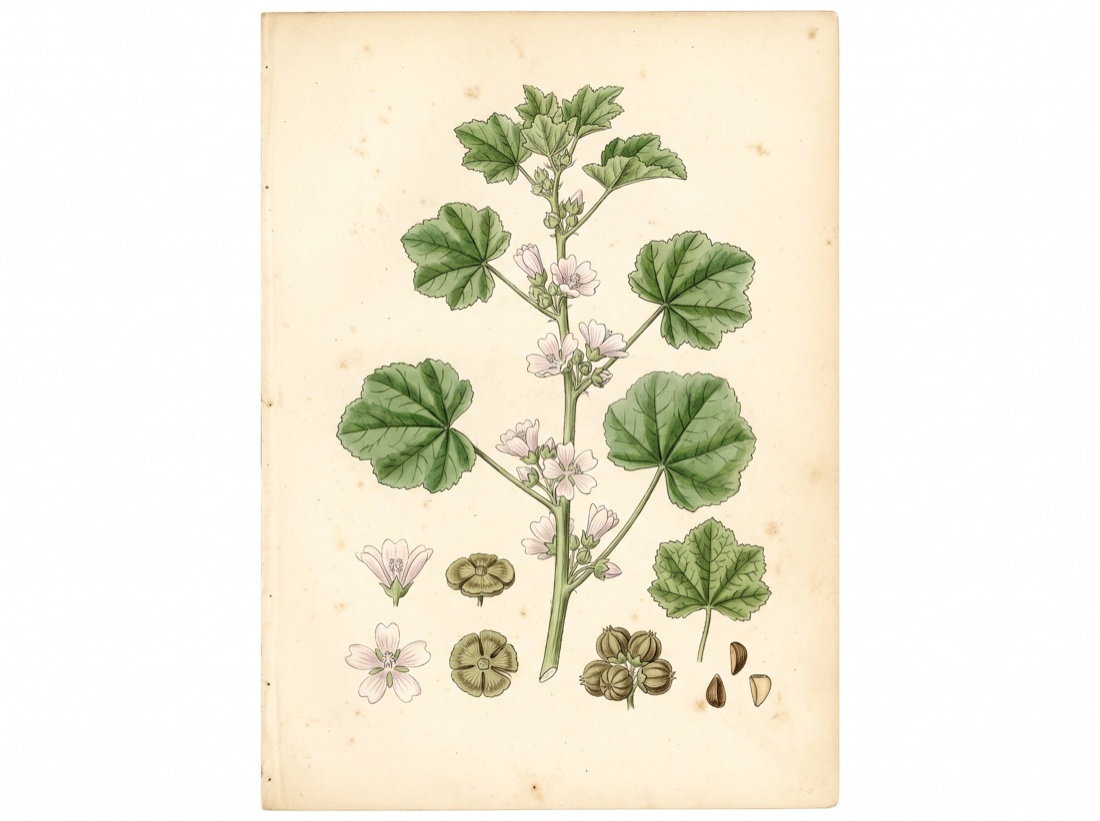 Cluster mallowMalva verticillata
 Cnidium SeedCnidium monnieri
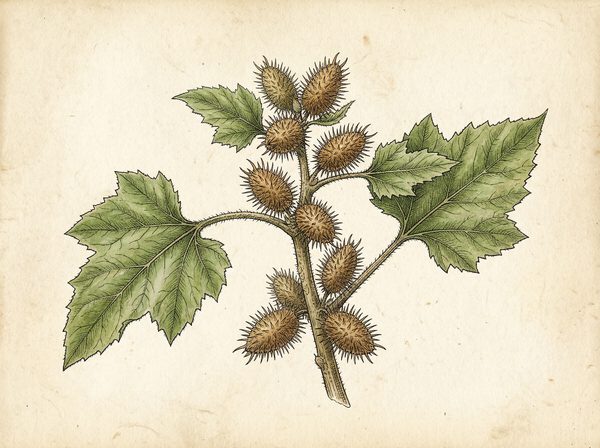 Cocklebur FruitXanthium sibiricum
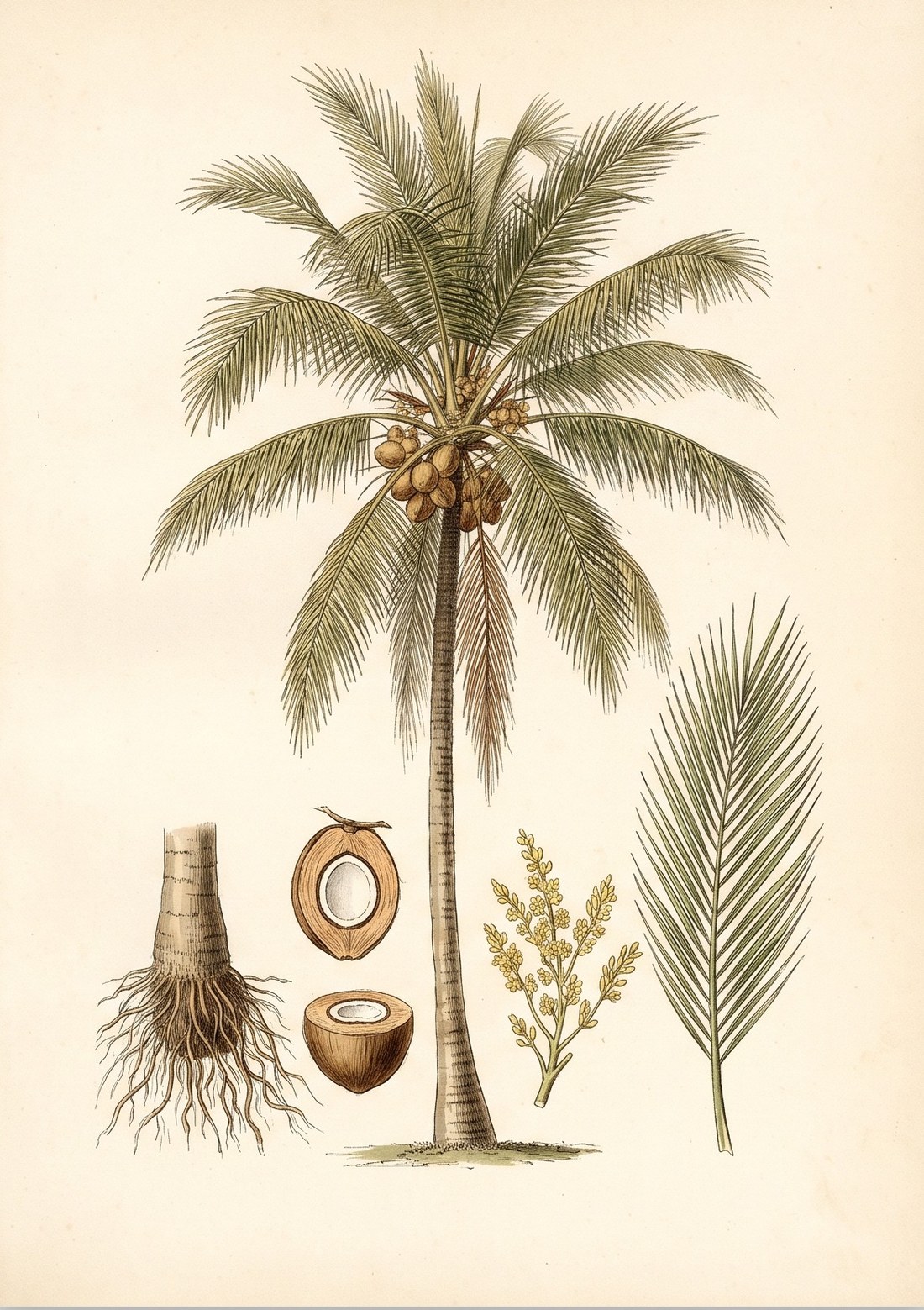 CoconutCocos nucifera
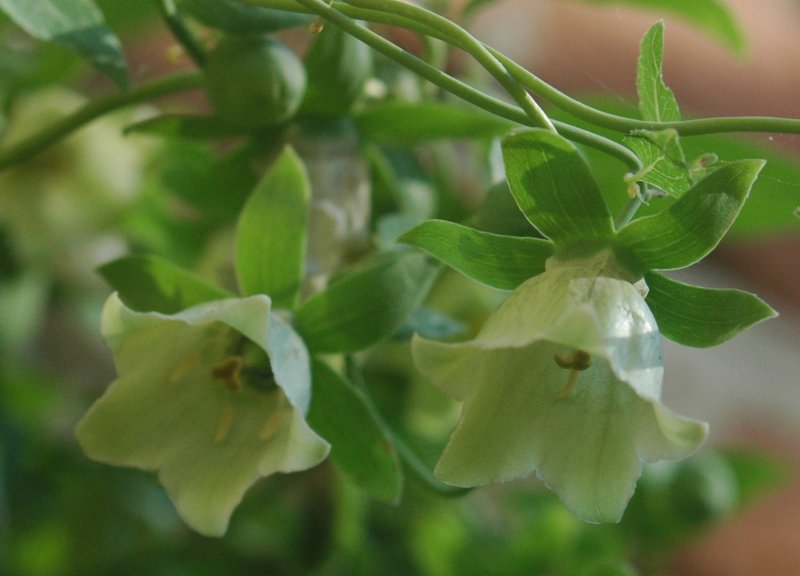 CodonopsisCodonopsis pilosula
The whole plate is in the library. The compass, Compare, the Sky of eleven hundred plants and the formulary open with an email address and a password, free, with the formula builder and its safety engine. Herbert without limit, his formulating, clients, the handouts and the labels are the paid room.
Open the library, free