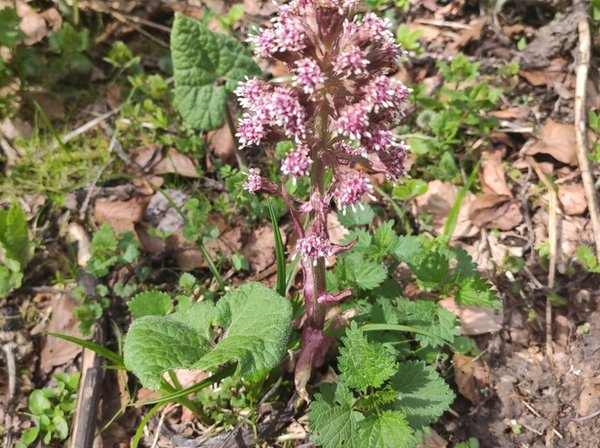
Western Herbalism
Butterbur
Petasites hybridus
Also known as Western Butterbur, Petasites, Bog Rhubarb, Blatterdock, Bogshorns, Butterdock, Butterfly Dock, Capdockin.
Butterbur acts primarily as: Antispasmodic, Anti-inflammatory, Antimigraine (prophylactic), Antihistamine/antiallergic, Smooth-muscle relaxant, Analgesic, Leukotriene-inhibiting. Secondary actions include Relax spasm, Calm vascular and bronchial reactivity, Relieve migraine and allergy, Settle smooth muscle.

Ask Herbert about Butterbur. Herbert is the master herbalist inside Bountiful Herbs: he answers from this plate and eleven hundred others, with dosing, pairing and cautions. Your first ten questions are free.
Ask HerbertActions
Indications what the tradition reached for it in
- Migraine prophylaxis (reduces frequency, supported by clinical trials)
- Tension and vascular headache
- Allergic rhinitis and hay fever
- Asthma and bronchial spasm
- Smooth-muscle and visceral cramping
- Urinary and biliary colic
- Pain with spasm
- Use as supportive therapy for acute spastic pain in the urinary tract
Safety
Recognised toxicity. This plant carries a toxicity flag in the record; it is for trained practitioners only.
Breastfeeding: Not for use while breastfeeding
The record lists 6 contraindications; open the plate in the library to read them in full.
Dosing as the sources wrote it
| Preparation | As written | Metric |
|---|---|---|
| ONLY PA-free standardized extract (e.g. standardized to petasins) | ONLY PA-free standardized extract (e.g. standardized to petasins): typically 50-75 mg twice daily (capsule) | 50-75 mg |
| (G3) As an antispasmodic and for other traditional uses s described in the herbal literature are typically prepara- tions equivalent to 4.5 -7 g dried butterbur root daily in the form of an ethanolic | 4500-7000 mg |
Doses are reproduced from the sources for practitioners and are not a recommendation for any person.
From the sources
primary-actions. Butterbur acts primarily as: Antispasmodic, Anti-inflammatory, Antimigraine (prophylactic), Antihistamine/antiallergic, Smooth-muscle relaxant, Analgesic, Leukotriene-inhibiting. Secondary actions include Relax spasm, Calm vascular and bronchial reactivity, Relieve migraine and allergy, Settle smooth muscle.
indications. Butterbur is traditionally indicated for: Migraine prophylaxis (reduces frequency, supported by clinical trials), Tension and vascular headache, Allergic rhinitis and hay fever, Asthma and bronchial spasm, Smooth-muscle and visceral cramping, Urinary and biliary colic, Pain with spasm.
constituents. Notable constituents of Butterbur include: Sesquiterpenes (petasin, isopetasin, neopetasin - the actives), Pyrrolizidine alkaloids (toxic - removed in standardized extracts), Volatile oil, Flavonoids, Mucilage.
dose-reference. Reference preparation/dosing for Butterbur: ONLY PA-free standardized extract (e.g. standardized to petasins): typically 50-75 mg twice daily (capsule); Crude tincture/tea from the raw plant is NOT recommended due to pyrrolizidine alkaloids; Use defined courses under supervision
In formulas
Butterbur stands in 1 documented formula in the library, among them Headache & Migraine Formula.
Often paired with
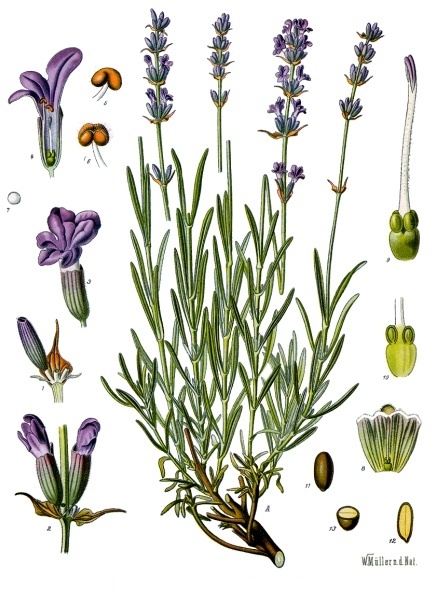 LavenderLavandula spp.
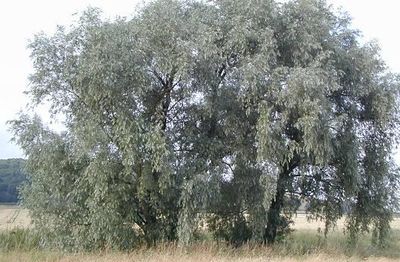 WillowSalix spp.
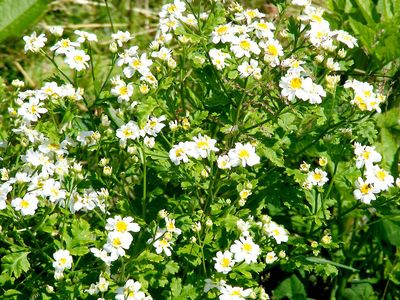 FeverfewTanacetum parthenium
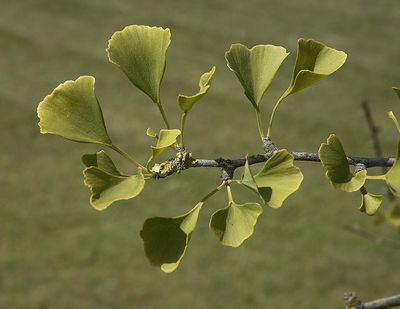 Maidenhair treeGinkgo biloba
Nearby on the shelf
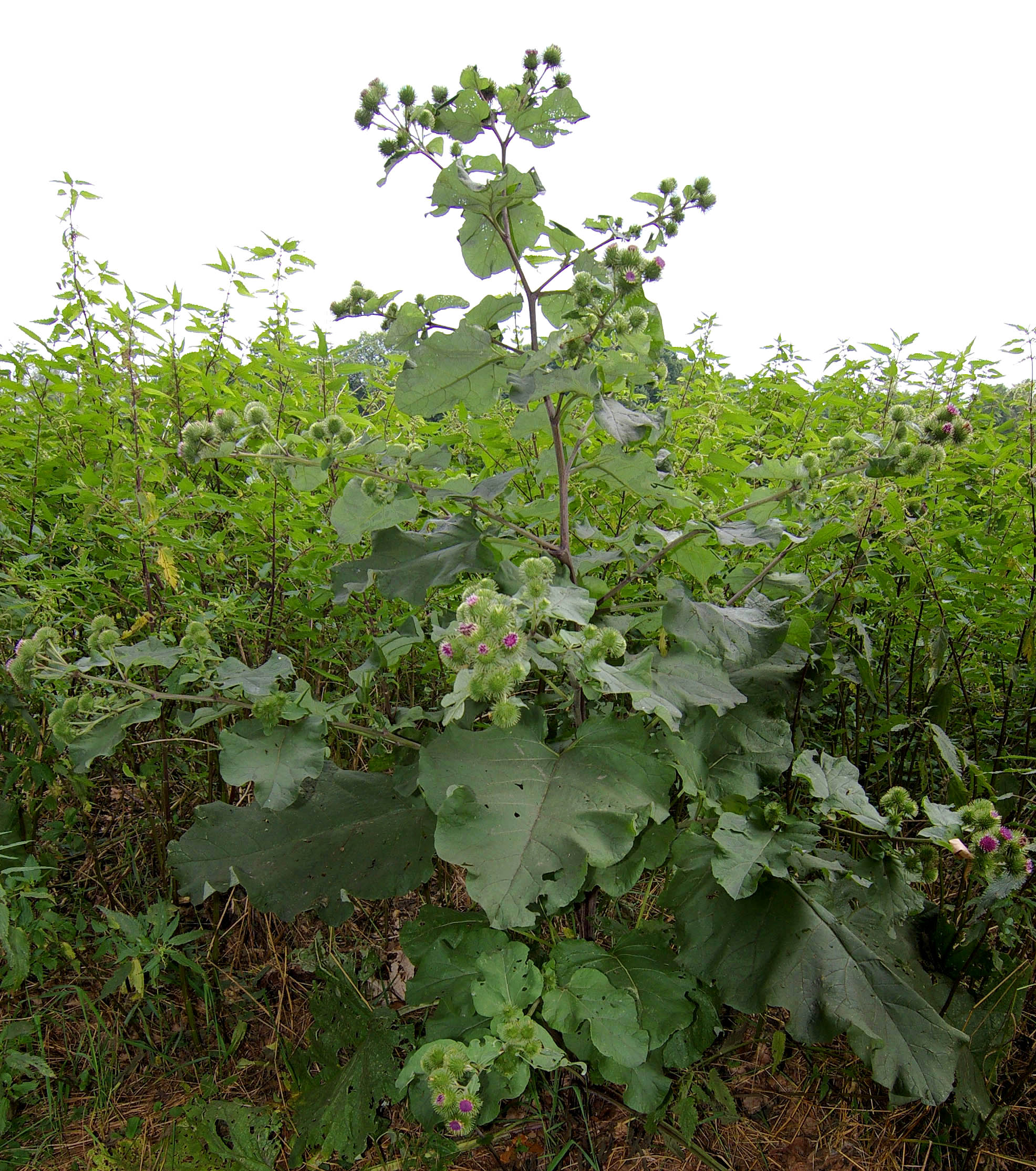 BurdockArctium lappa
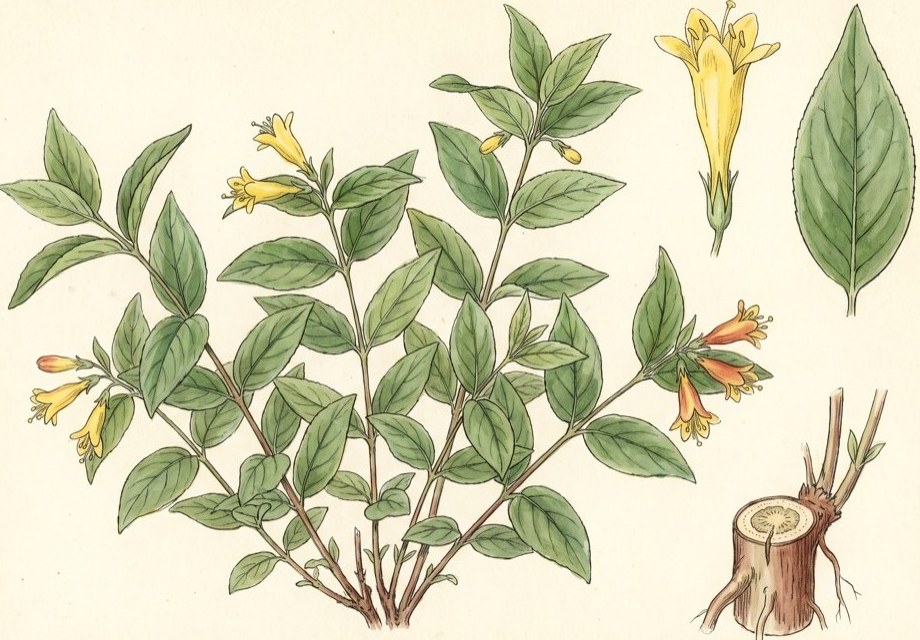 Bush honeysuckleDiervilla trifida
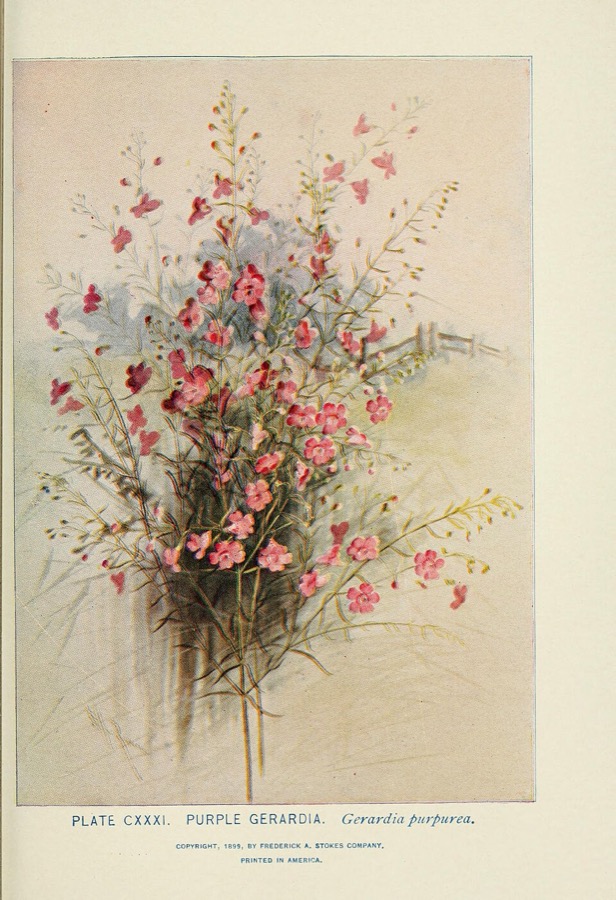 Bushy GerardiaGerardia
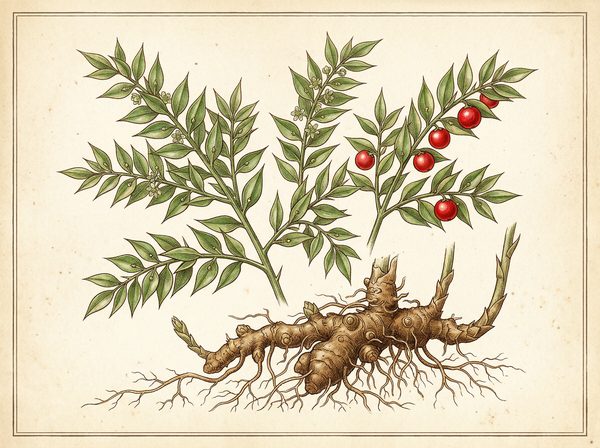 Butcher's BroomRuscus aculeatus
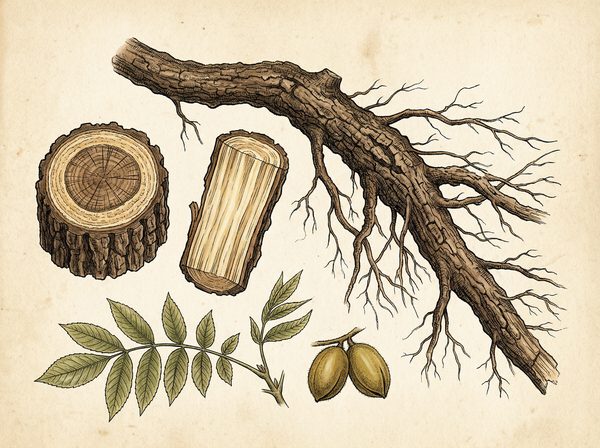 ButternutJuglans cinerea
 Button snakerootLiatris spicata
 ButtonbushCephalanthus occidentalis
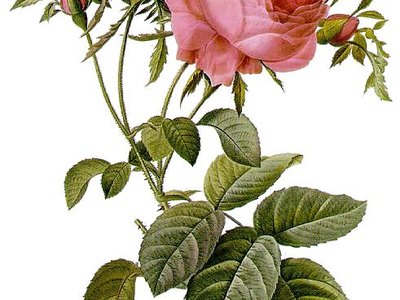 Cabbage roseRosa Centifolia
The whole plate is in the library. The compass, Compare, the Sky of eleven hundred plants and the formulary open with an email address and a password, free, with the formula builder and its safety engine. Herbert without limit, his formulating, clients, the handouts and the labels are the paid room.
Open the library, free