Western Herbalism
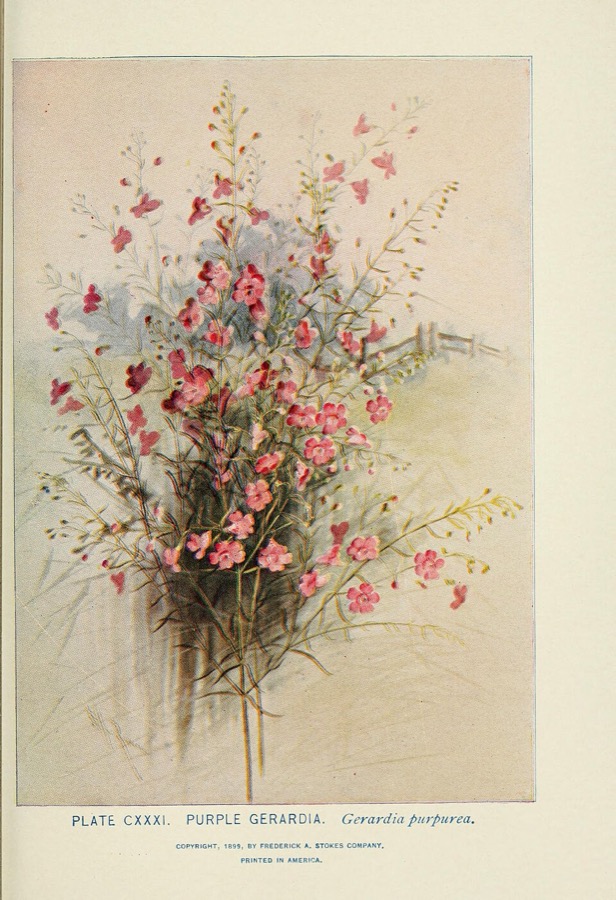
Bushy Gerardia
Gerardia
Also known as Lousewort, Fever weed, American fox-glove, Bushy false foxglove.
Gerardia is a North American hemiparasitic annual of the broomrape family, historically classified in the genus Gerardia and now generally placed within Agalinis. The bushy species, once called Gerardia fasciculata, grows in dry sandy soils and open fields across the eastern and southeastern United States. Eclectic physicians of the nineteenth century used the flowering herb, gathered fresh or dried, as a bitter hepatic remedy and as a topical application for skin eruptions, though the plant never entered mainstream pharmacy and has left little modern trace.

Ask Herbert about Bushy Gerardia. Herbert is the master herbalist inside Bountiful Herbs: he answers from this plate and eleven hundred others, with dosing, pairing and cautions. Your first ten questions are free.
Ask HerbertActions
Indications what the tradition reached for it in
- Torpid liver
- Jaundice of hepatic origin
- Sluggish digestion with poor appetite
- Constipation associated with hepatic congestion
- Convalescence following low or lingering fevers
- Chronic dyspepsia
- Poison ivy dermatitis (topical)
- Weeping eczema (topical)
Specific indications
Dull, heavy right upper quadrant fullness with a sallow or slightly yellow complexion, suggesting a torpid liver
Weeping, vesicular poison-ivy or contact dermatitis, applied locally as a wash or fomentation
Safety
Pregnancy: Avoid in pregnancy: no modern safety data exist, so use cannot be supported.
Breastfeeding: Avoid in lactation: lack of any modern safety or constituent data precludes a recommendation.
The record lists 5 contraindications; open the plate in the library to read them in full.
In practice
In Eclectic practice Gerardia was reached for mainly as a liver remedy, given as a decoction or tincture for a torpid, congested liver with sluggish bowels and a dull, bilious complexion, often alongside other hepatic bitters of the period such as culver's root or dandelion.
Dosing as the sources wrote it
| Preparation | As written | Metric |
|---|---|---|
| Decoction | 1-2 g dried herb per cup, taken two to three times daily | 1000-2000 mg |
| Tincture (1:5, 40-50%) | 1-2 mL three times daily | 1-2 mL |
| Topical wash/fomentation | strong decoction applied to affected skin two to three times daily | |
| infusion | Dose of the infusion, from 1 to 3 fluid ounces. | 29.57-88.72 mL |
Doses are reproduced from the sources for practitioners and are not a recommendation for any person.
From the sources
Overview. Gerardia is a North American hemiparasitic annual of the broomrape family, historically classified in the genus Gerardia and now generally placed within Agalinis. The bushy species, once called Gerardia fasciculata, grows in dry sandy soils and open fields across the eastern and southeastern United States. Eclectic physicians of the nineteenth century used the flowering herb, gathered fresh or dried, as a bitter hepatic remedy and as a topical application for skin eruptions, though the plant never entered mainstream pharmacy and has left little modern trace.
Clinical Notes. In Eclectic practice Gerardia was reached for mainly as a liver remedy, given as a decoction or tincture for a torpid, congested liver with sluggish bowels and a dull, bilious complexion, often alongside other hepatic bitters of the period such as culver's root or dandelion.
Drawn from King's American Dispensatory, 18th edition (Felter and Lloyd), and the Bountiful Herbs editorial.
Nearby on the shelf
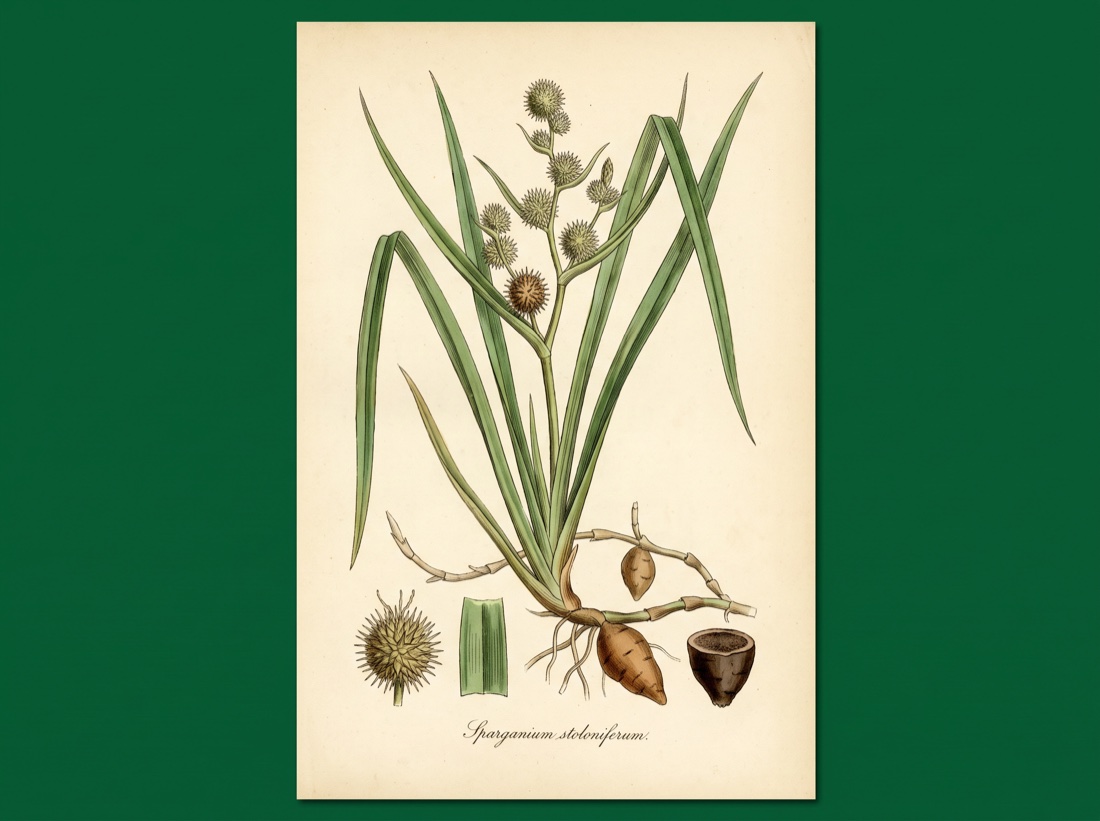 Bur-reed rhizomeSparganium stoloniferum
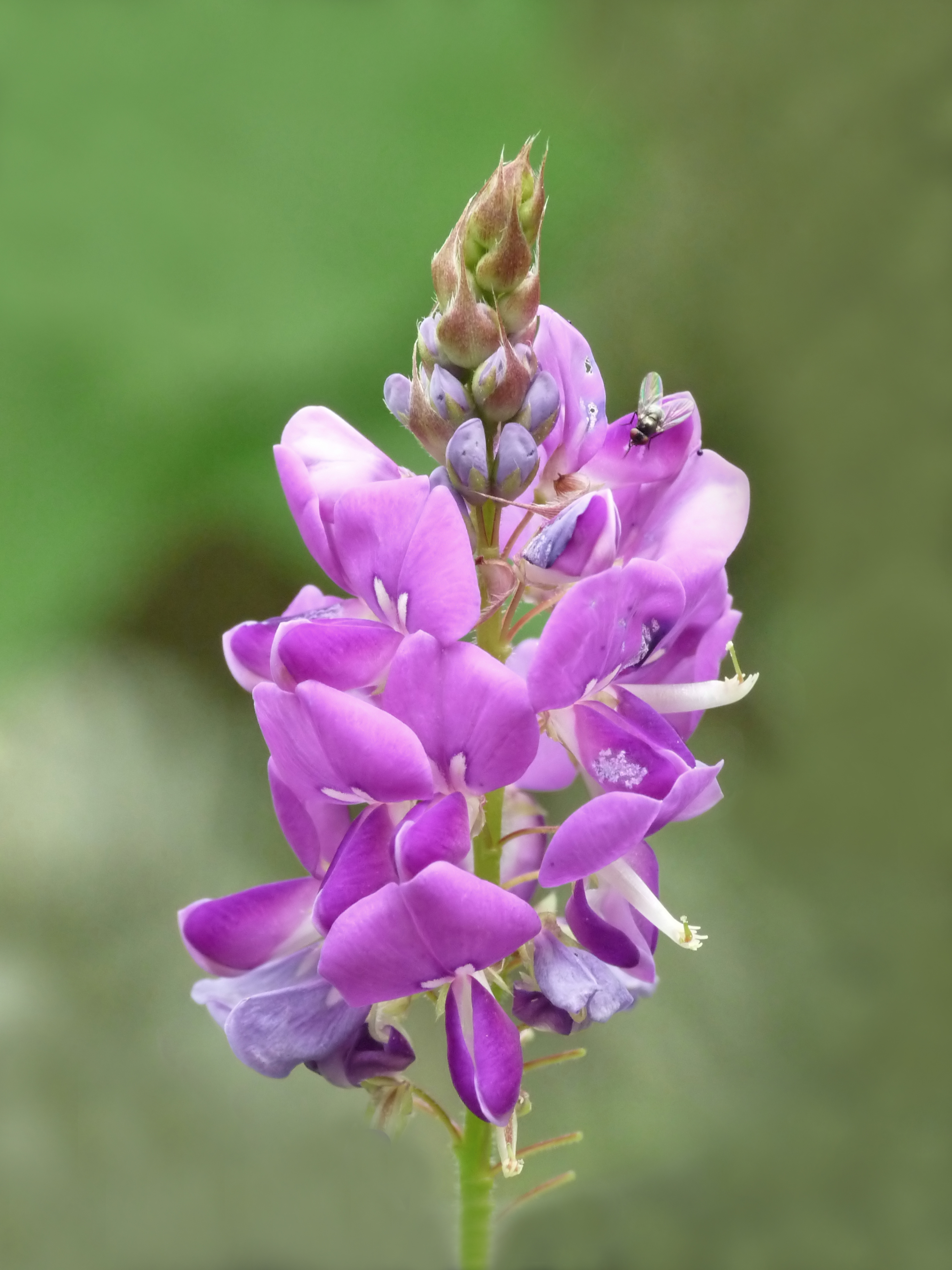 BurburDesmodium molliculum
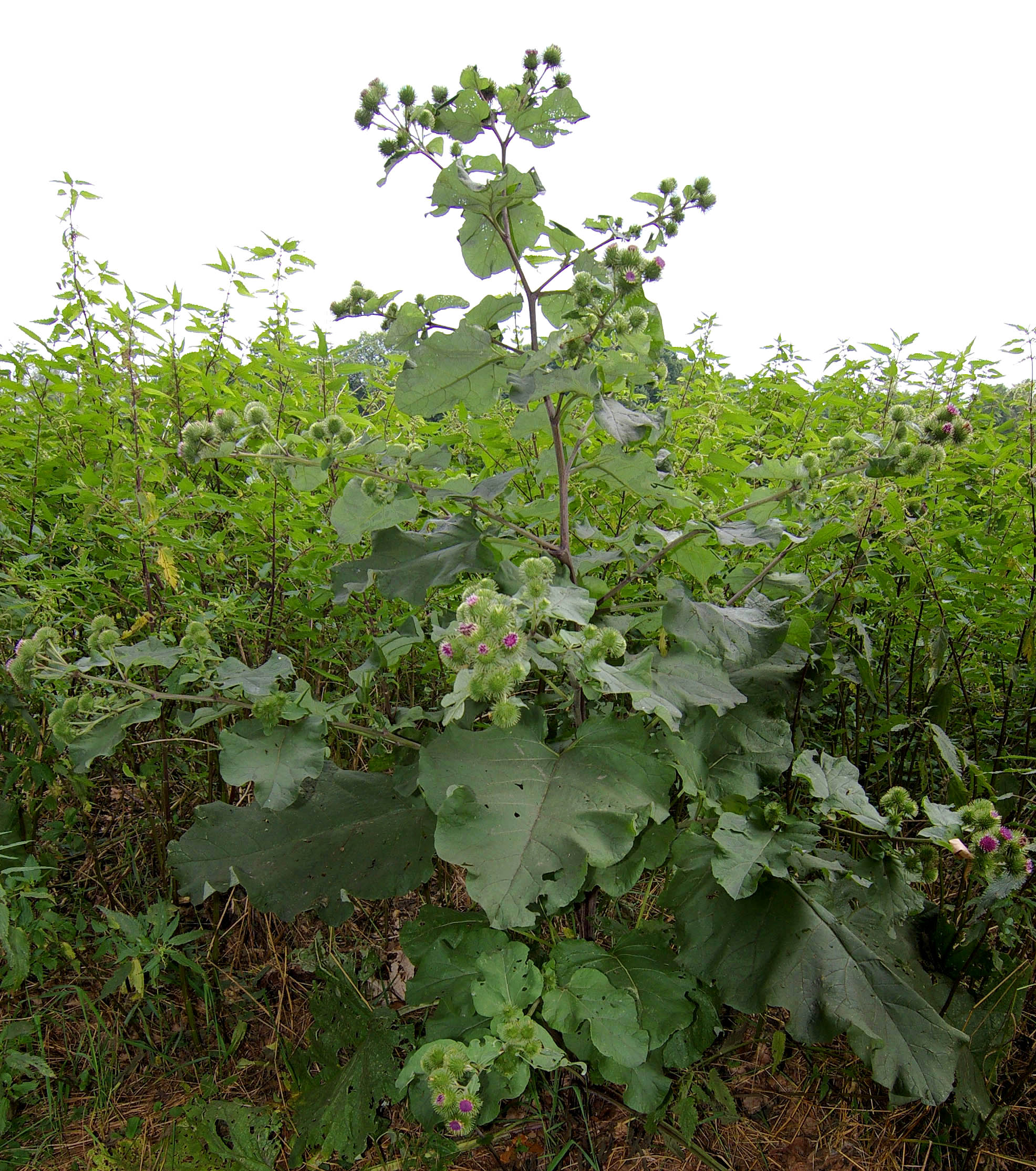 BurdockArctium lappa
 Bush honeysuckleDiervilla trifida
 Butcher's BroomRuscus aculeatus
 ButterburPetasites hybridus
 ButternutJuglans cinerea
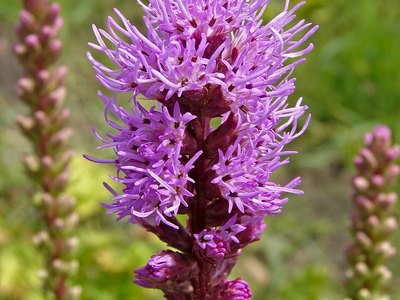 Button snakerootLiatris spicata
The whole plate is in the library. The compass, Compare, the Sky of eleven hundred plants and the formulary open with an email address and a password, free, with the formula builder and its safety engine. Herbert without limit, his formulating, clients, the handouts and the labels are the paid room.
Open the library, free