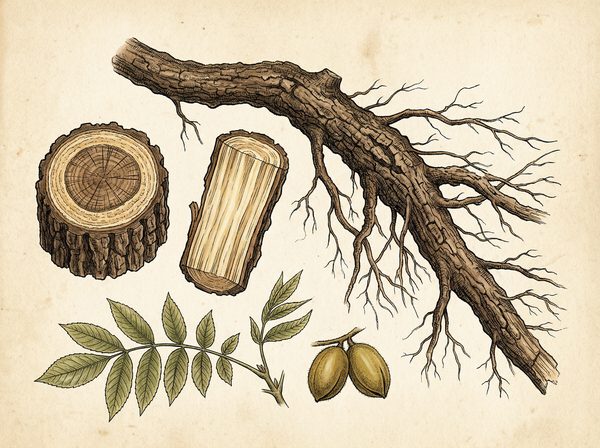
Western Herbalism
Butternut
Juglans cinerea
Also known as White walnut, Juglans, Oil nut.
Mild cathartic without griping or subsequent constipation or weakness Used in Civil War for dysentery and diarrhoea Domestic remedy for muscular rheumatism of the back and fevers Bark acrid fresh, may blister skin externally Native American uses include cathartic, antidiarrheal (Cherokee bark infusion), blood purifier, anthelmintic (Iroquois) No good scientific evidence to support uses per modern reviews Butternut

Ask Herbert about Butternut. Herbert is the master herbalist inside Bountiful Herbs: he answers from this plate and eleven hundred others, with dosing, pairing and cautions. Your first ten questions are free.
Ask HerbertActions
Indications what the tradition reached for it in
- Pustular eruptions
- Burning fetid discharges
- Dysentery with tenesmus
- Flatulence
- Intermittent fevers
- Infection
- Gallbladder disease
- Sour eructations
- Intestinal dyspepsia with irritation
- Rheumatism
- Chronic respiratory affections
- Torpid liver
- Habitual constipation
- Atonic dyspepsia
- Eczema
- Toothache
- Gastric irritation
- Colorectitis
- Skin eruptions
- Chronic skin affections
- Remittent fevers
- Diarrhea
- Congestion of abdominal viscera
- Intestinal diseases
- Skin conditions
- Hemorrhoids
- Indigestion
- Constipation
- Debility
- Fatigue
Safety
Pregnancy: Limited safety data in pregnancy
Breastfeeding: Lactation (source flag notSafeInLactation)
The record lists 5 contraindications; open the plate in the library to read them in full.
Dosing as the sources wrote it
| Preparation | As written | Metric |
|---|---|---|
| Extract | Extract 1-30 grains (usually 1-5 grains) | 64.8-1944 mg |
| Specific juglans | Specific juglans 1-20 drops (smaller 1-10 preferred for alterative/skin) | 0.02-0.4 mL |
| Watery extract | Watery extract 10-12 grains gentle laxative, 20-30 grains active cathartic | 648-778 mg |
| or two fluid ounces used for a cathartic dose | 59.15-59.15 mL | |
| In doses of from eight to twelve grains, it acts as a reliable cathartic, not exhausting, but always toning to the bowels | 518-778 mg | |
| Dose, from thirty drops to half a fluid drachm or more | 0.6-1.85 mL |
Doses are reproduced from the sources for practitioners and are not a recommendation for any person.
From the sources
Clinical Notes. Mild cathartic without griping or subsequent constipation or weakness Used in Civil War for dysentery and diarrhoea Domestic remedy for muscular rheumatism of the back and fevers Bark acrid fresh, may blister skin externally Native American uses include cathartic, antidiarrheal (Cherokee bark infusion), blood purifier, anthelmintic (Iroquois) No good scientific evidence to support uses per modern reviews Butternut
Action and Therapy. In small doses juglans is a mild intestinal stimulant and laxative; in large doses it is emeto-cathartic. It also possesses alterative properties. As a laxative its action is kindly, rarely producing griping or after-debility, and resembling that of rhubarb, but it does not produce subsequent constipation.
Therapy. It is said to be a valuable remedy in duodenal catarrh, with torpidity of the liver and chronic jaundice . Small doses have been successfully employed in dysentery, bilious diarrhoea, and in intestinal diseases, with symptoms indicating irritability, hyperemia, or a tendency to inflammation.
Properties and Uses. The inner bark of the root (and also of the trunk) is medicinal, yielding its virtues to hot water and diluted alcohol. It is among the moderately slow but very reliable cathartics, relaxing and stimulating, influencing the gall-ducts and gall-cyst, and the muscular fibers and mucous membranes of the bowels.
Drawn from Cook's Physio-Medical Dispensatory; Scudder's Specific Medication and Specific Medicines; King's American Dispensatory, 18th edition (Felter and Lloyd); Ellingwood's American Materia Medica, Therapeutics and Pharmacognosy, and the Bountiful Herbs editorial.
Nearby on the shelf
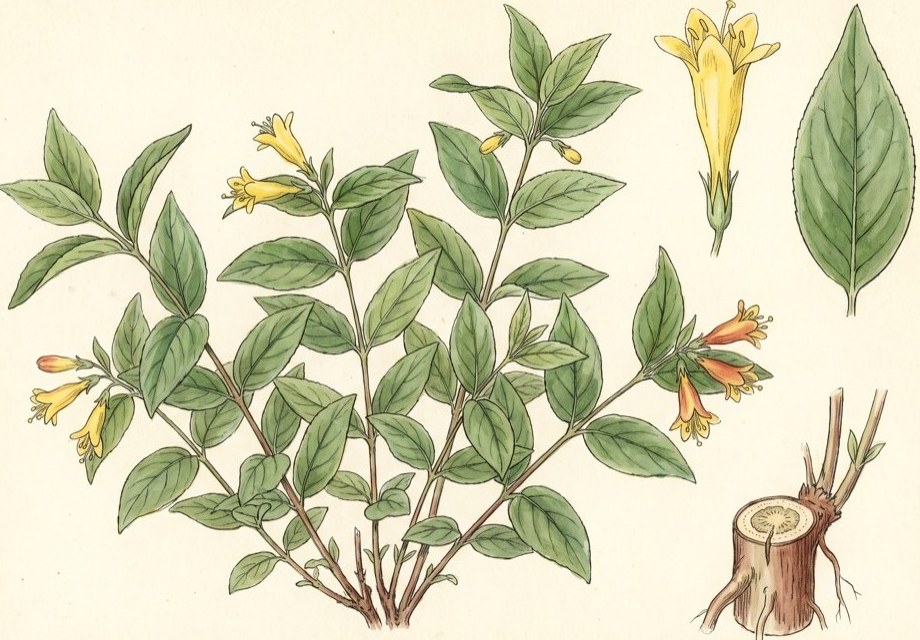 Bush honeysuckleDiervilla trifida
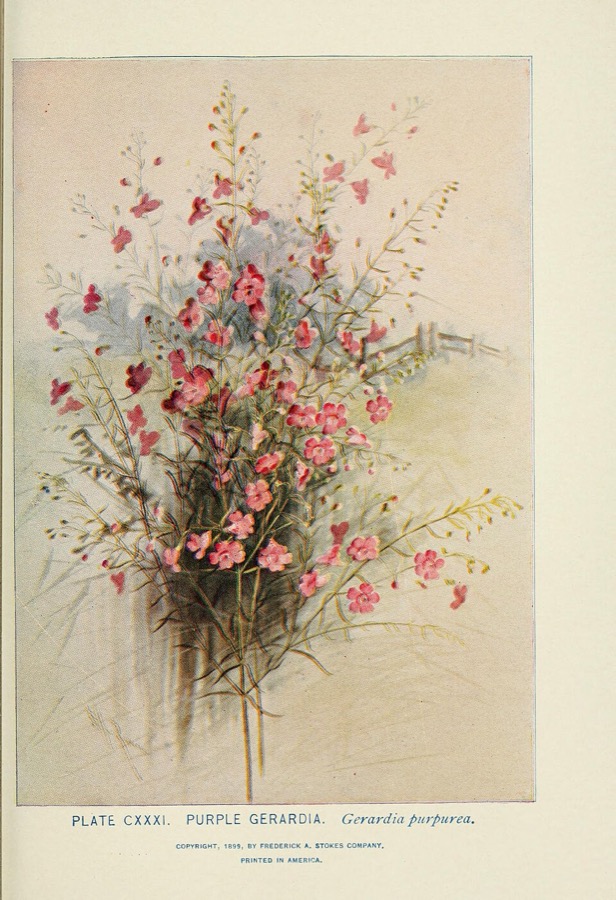 Bushy GerardiaGerardia
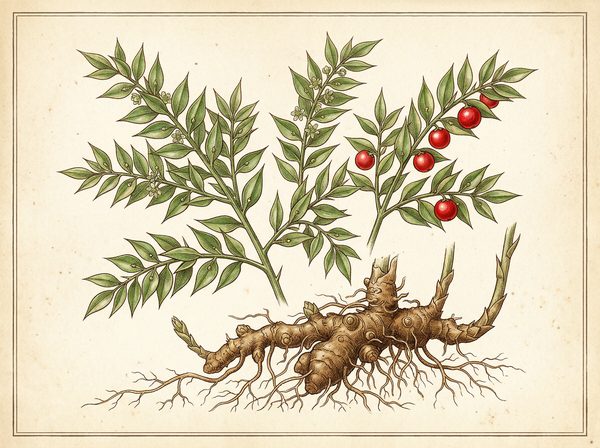 Butcher's BroomRuscus aculeatus
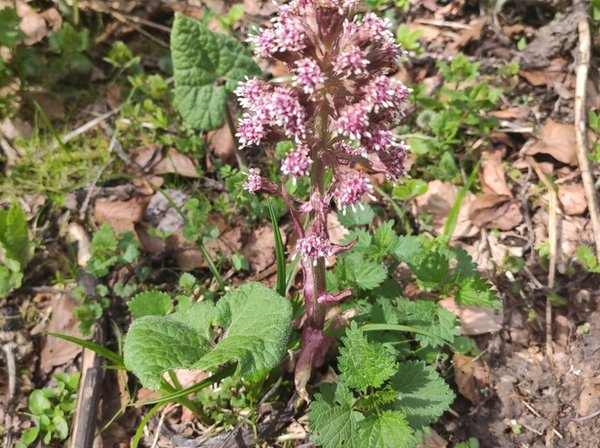 ButterburPetasites hybridus
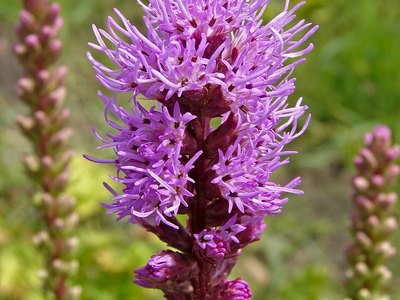 Button snakerootLiatris spicata
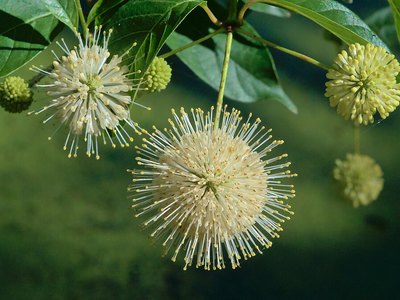 ButtonbushCephalanthus occidentalis
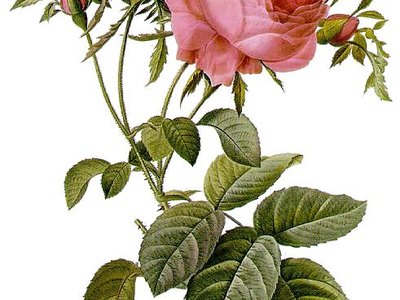 Cabbage roseRosa Centifolia
 Cabbage tree barkAndira
The whole plate is in the library. The compass, Compare, the Sky of eleven hundred plants and the formulary open with an email address and a password, free, with the formula builder and its safety engine. Herbert without limit, his formulating, clients, the handouts and the labels are the paid room.
Open the library, free