Western Herbalism
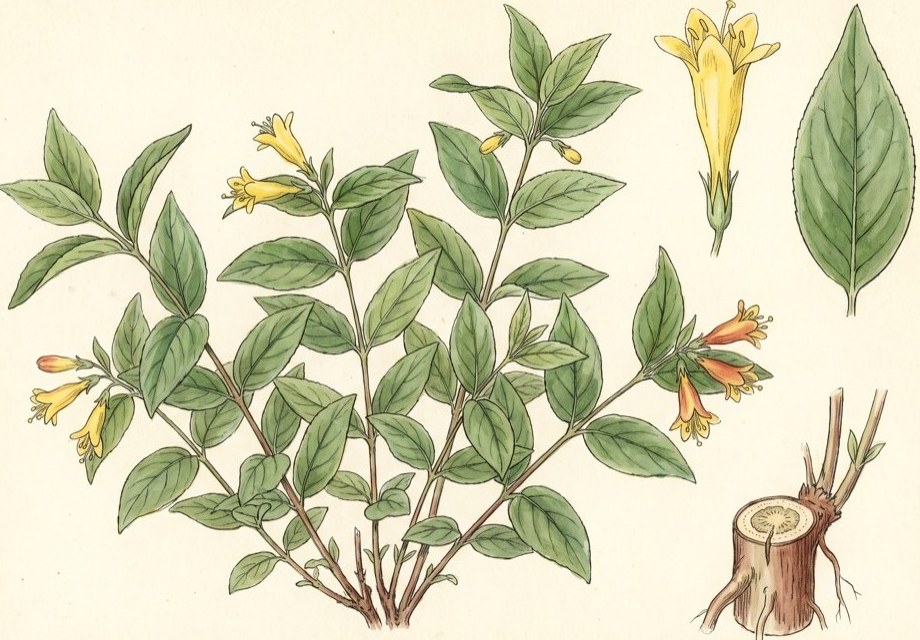
Bush honeysuckle
Diervilla trifida
Also known as Gravelweed, Northern bush honeysuckle, Dwarf bush honeysuckle.
Bush honeysuckle is a low, hardy shrub of the honeysuckle family native to eastern North America, found in hedgerows, thickets, and rocky woodland edges from Canada south into the Appalachians. The bark of the root and young stems is the part used, prepared as a decoction or tincture. It belongs to the North American eclectic and physiomedicalist herbal traditions, where it was valued chiefly as a gentle remedy for the urinary tract and as a mild alterative for chronic skin and glandular complaints.

Ask Herbert about Bush honeysuckle. Herbert is the master herbalist inside Bountiful Herbs: he answers from this plate and eleven hundred others, with dosing, pairing and cautions. Your first ten questions are free.
Ask HerbertActions
Indications what the tradition reached for it in
- Scanty, sediment-laden urine
- Subacute gonorrhea
- Gleet (chronic urethral discharge)
- Chronic cystitis with mucoid discharge
- Scrofulous and cutaneous complaints
- Irritable, sluggish skin sores
- General debility of the urinary mucosa
- Mild edema of congestive origin
- Mild fluid retention
- Cystitis with scanty urination
- Skin eruptions and eczema
- Itching and insect bites
- Minor wounds and abrasions
- General debility with sluggish elimination
- Chronic skin conditions historically termed scrofulous
- Poor tissue nutrition in convalescence
Specific indications
Scanty, thick, sediment-heavy urine with a dragging low back ache
Chronic mucoid urethral discharge persisting after acute gonorrhea has resolved
Indolent, irritable skin ulcers that are slow to heal and weep thin discharge
Safety
Pregnancy: Avoid in pregnancy, as there is no modern safety data and traditional sources do not clarify reproductive risk.
Breastfeeding: Avoid in lactation for the same reason of insufficient safety data.
The record lists 2 contraindications; open the plate in the library to read them in full.
In practice
Bush honeysuckle occupies a modest place in the old physiomedicalist and eclectic repertoire as a bark that is neither strongly stimulating nor strongly astringent, but sits in between: it relaxes tissue tone somewhat while offering a measure of tonic astringency to irritated mucous membranes, particularly of the urinary tract.
Dosing as the sources wrote it
| Preparation | As written | Metric |
|---|---|---|
| Decoction of root/stem bark | 2-4 g dried bark daily, decocted | 2000-4000 mg |
| Tincture (1:5, 40%) | 1-2 mL three times daily | 1-2 mL |
| Tincture of fresh leaf and twig (1:5, 60-70% alcohol) | 0.5-2 mL up to three times daily | 0.5-2 mL |
| Infusion of dried leaf | 1-2 g dried leaf as tea, once or twice daily | 1000-2000 mg |
Doses are reproduced from the sources for practitioners and are not a recommendation for any person.
From the sources
Overview. Bush honeysuckle is a low, hardy shrub of the honeysuckle family native to eastern North America, found in hedgerows, thickets, and rocky woodland edges from Canada south into the Appalachians. The bark of the root and young stems is the part used, prepared as a decoction or tincture. It belongs to the North American eclectic and physiomedicalist herbal traditions, where it was valued chiefly as a gentle remedy for the urinary tract and as a mild alterative for chronic skin and glandular complaints.
Overview. Bush honeysuckle is a low, spreading shrub native to woodland edges and rocky ground across eastern and northern North America, where its leaves and young twigs were gathered fresh for tincture. It found a minor place in nineteenth century American eclectic and Specific Medication practice, credited with diuretic and alterative properties, though even contemporary writers admitted the evidence for its action was thin. It has never become a mainstream botanical and is rarely used today.
Clinical Notes. Bush honeysuckle occupies a modest place in the old physiomedicalist and eclectic repertoire as a bark that is neither strongly stimulating nor strongly astringent, but sits in between: it relaxes tissue tone somewhat while offering a measure of tonic astringency to irritated mucous membranes, particularly of the urinary tract.
Clinical Notes. Historical eclectic sources are notably candid that Diervilla canadensis was not well understood even in its own era. It was tinctured fresh and used in small doses, chiefly on the theory that it might stimulate the urinary apparatus and support tissue nutrition and waste removal, but this was offered as a hypothesis to be tested rather than a settled clinical picture.
Drawn from Cook's Physio-Medical Dispensatory; Scudder's Specific Medication and Specific Medicines; King's American Dispensatory, 18th edition (Felter and Lloyd), and the Bountiful Herbs editorial.
Nearby on the shelf
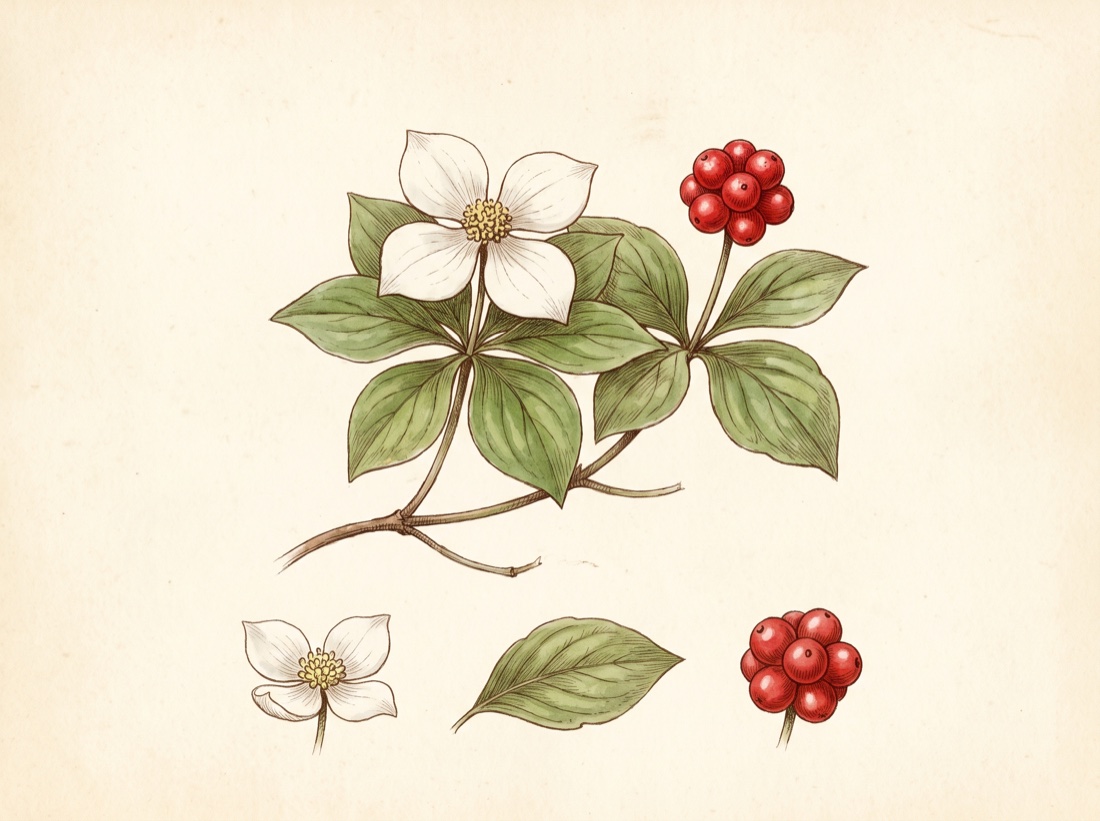 BunchberryCornus canadensis
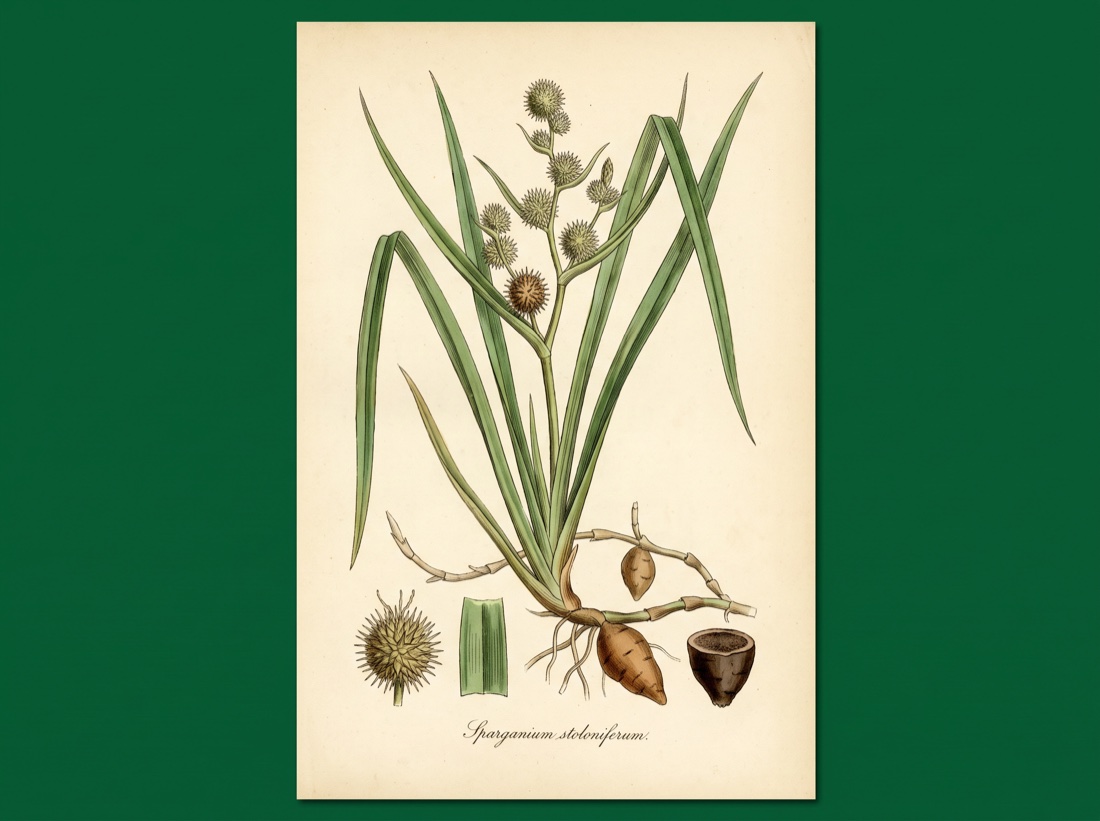 Bur-reed rhizomeSparganium stoloniferum
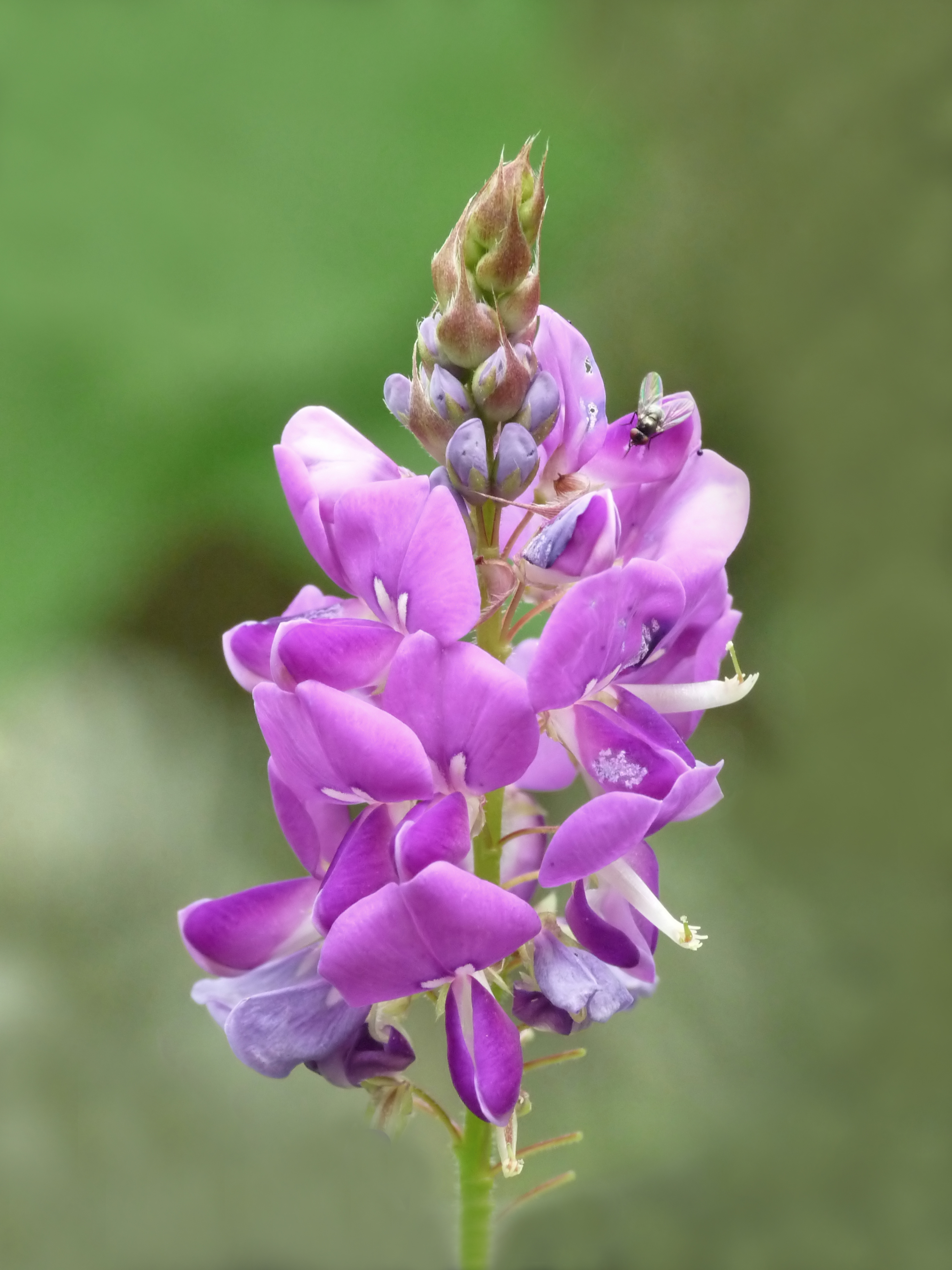 BurburDesmodium molliculum
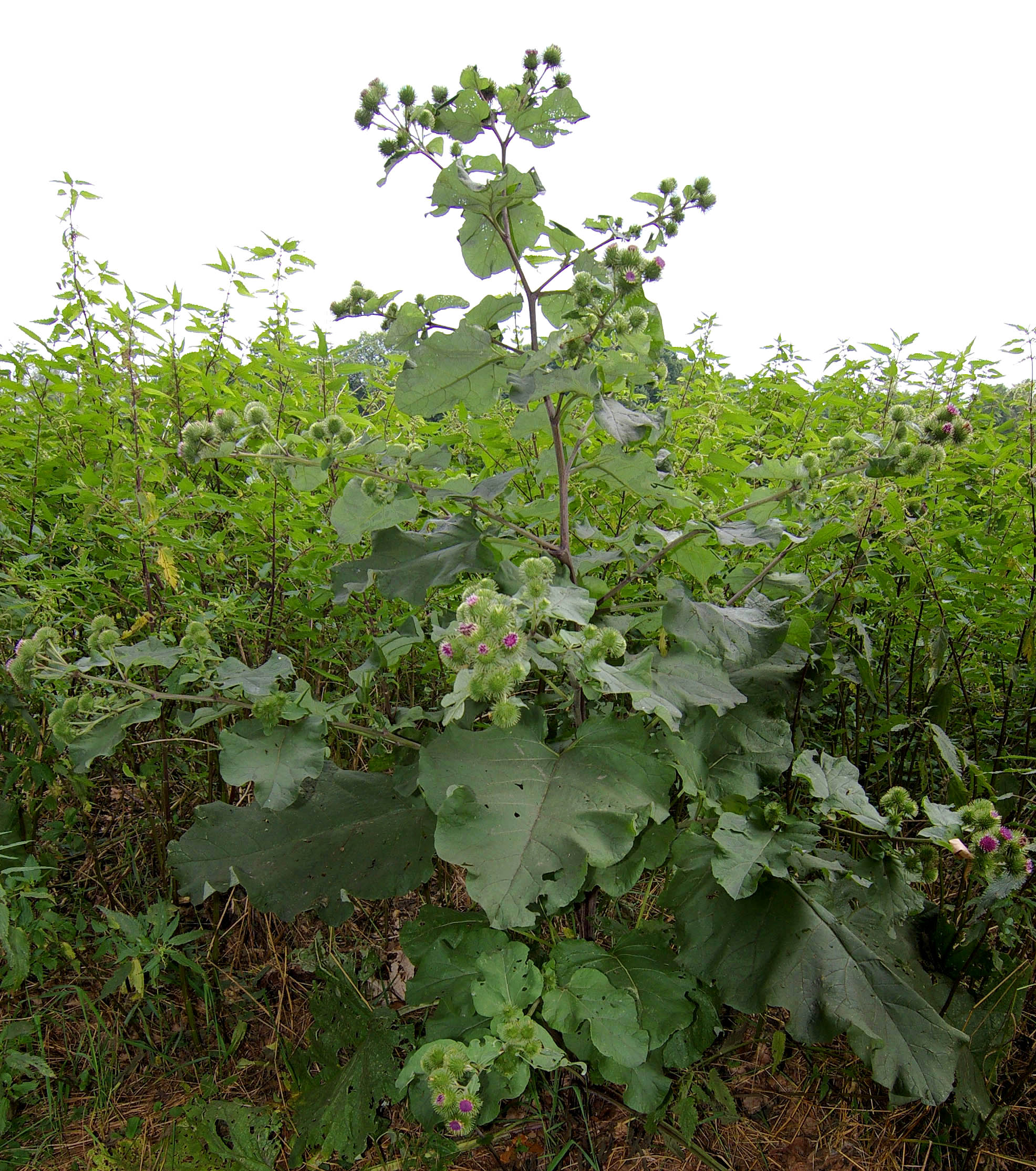 BurdockArctium lappa
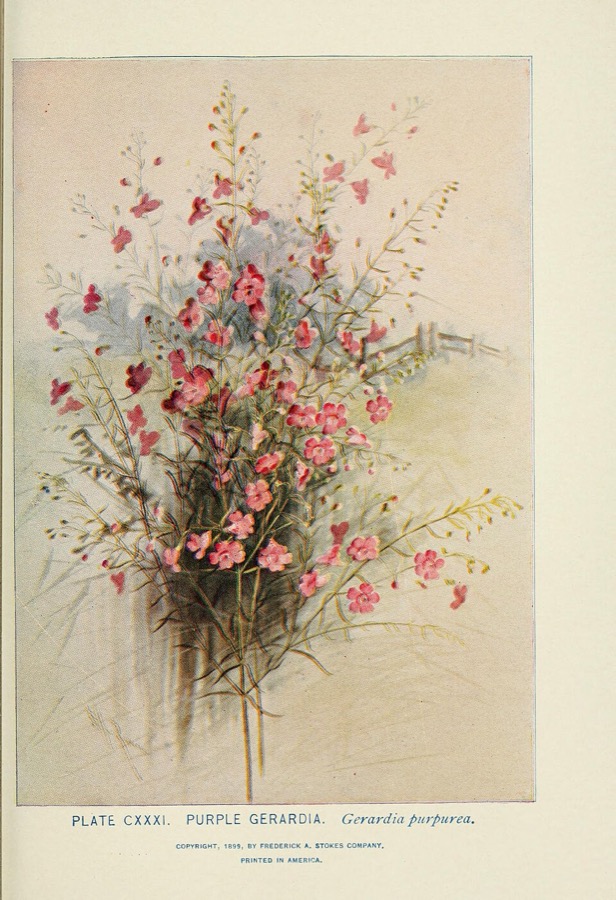 Bushy GerardiaGerardia
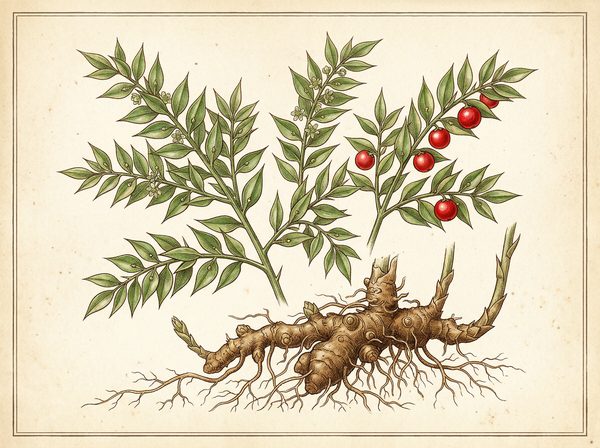 Butcher's BroomRuscus aculeatus
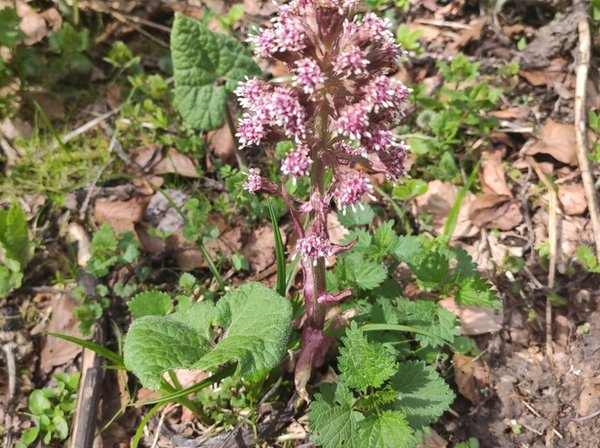 ButterburPetasites hybridus
 ButternutJuglans cinerea
The whole plate is in the library. The compass, Compare, the Sky of eleven hundred plants and the formulary open with an email address and a password, free, with the formula builder and its safety engine. Herbert without limit, his formulating, clients, the handouts and the labels are the paid room.
Open the library, free