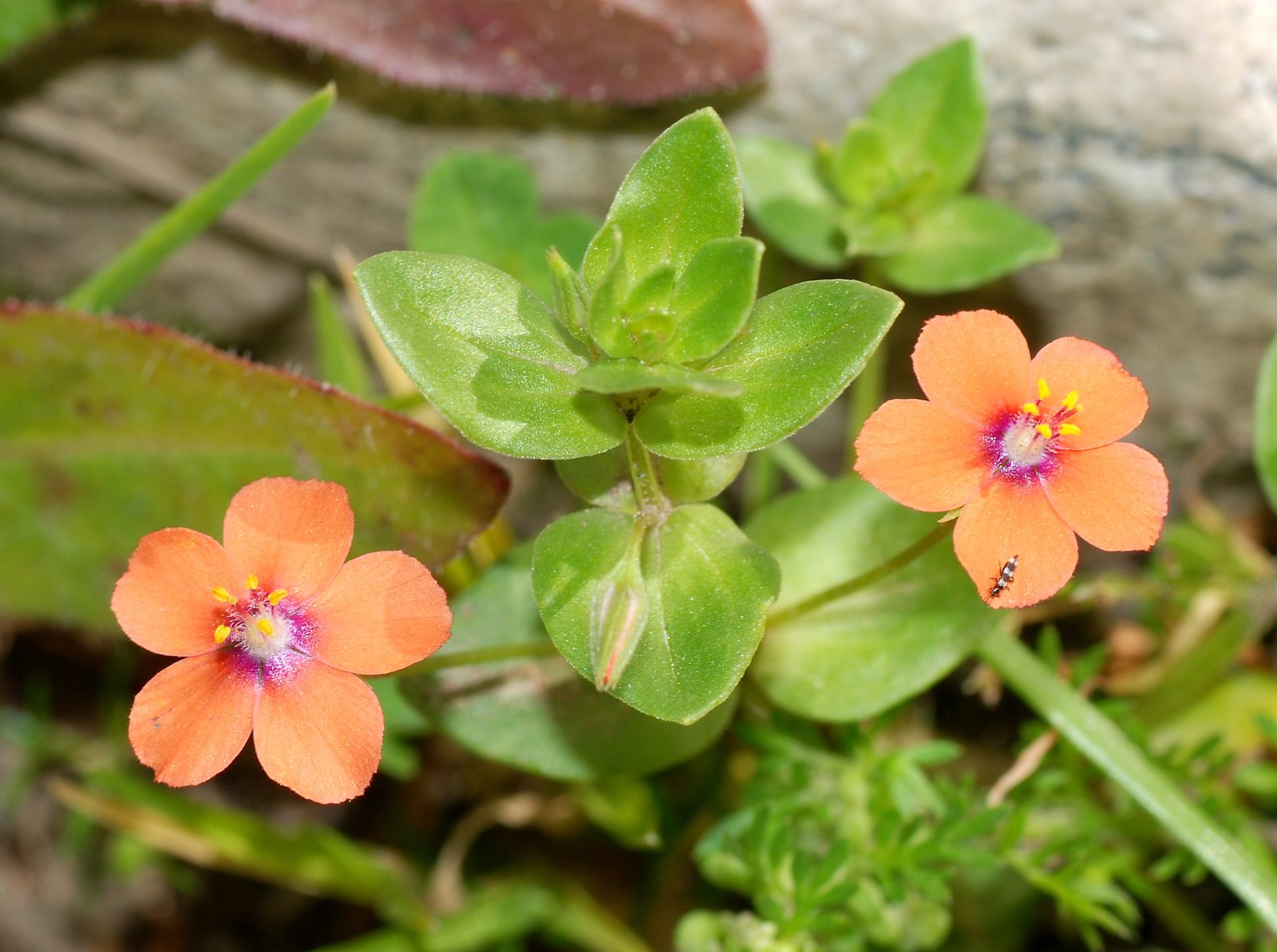
Western Herbalism
Red Chickweed
Anagallis arvensis
Also known as Red pimpernel, Scarlet pimpernel, Poor man's weather glass.
This plant appears to possess energetic properties, for according to Lindley, Orfila killed a dog by "making him swallow 3 drachms of the extract; upon examination it was found to have inflamed the mucous membrane of the stomach." Grenier obtained a similar result.

Ask Herbert about Red Chickweed. Herbert is the master herbalist inside Bountiful Herbs: he answers from this plate and eleven hundred others, with dosing, pairing and cautions. Your first ten questions are free.
Ask HerbertSafety
Recognised toxicity. This plant carries a toxicity flag in the record; it is for trained practitioners only.
Pregnancy: Not safe. Do not use in pregnancy. Veterinary and poisonous plant references document toxic saponins in scarlet pimpernel that have caused fatal kidney damage in livestock.
Breastfeeding: Not safe. Do not use while breastfeeding. Poisonous plant references document toxic saponins in the plant, and no safety data exist.
Dosing as the sources wrote it
| Preparation | As written |
|---|---|
| The volatile oil in very small doses (4 drops) produced bodily pain, and persistent, violent "sick-headache." Its virtues are not fully known. | |
| tincture | Dose of tincture (℥viij to alcohol, 50 per cent, Oj), from 1 to 5 drops. |
Doses are reproduced from the sources for practitioners and are not a recommendation for any person.
From the sources
Action, Medical Uses, and Doses. This plant appears to possess energetic properties, for according to Lindley, Orfila killed a dog by "making him swallow 3 drachms of the extract; upon examination it was found to have inflamed the mucous membrane of the stomach." Grenier obtained a similar result.
History and Chemical Composition. Red chickweed blossoms from May to August. The leaves are the parts used; they are odorless, but have a rough unsavory taste. Water extracts their virtues. A volatile oil, of the specific gravity 0.980, has been obtained from the dry plant.
Specific indications and reasoning. (RED CHICKWEED.) This agent possesses active properties, but has not been studied. It has been extolled in bydrophobia, • delirium, mania, epilepsy, etc., which will suggest the line of experiment. The best preparation, probably, will be a tincture of the recent Chickweed in dilute Alcohol (50°, §viij. to the pint; dose quite small ... coming within one or two drops.
Botanical Source. Anagallis arvensis is a beautiful annual trailing plant, growing in fields, roadsides, etc., introduced into this country from Europe. The stem, which is square, and more or less procumbent, is from 6 to 20 inches long, has elongated branches, or is simple, often dotted with purple.
Drawn from Scudder's Specific Medication and Specific Medicines; King's American Dispensatory, 18th edition (Felter and Lloyd), and the Bountiful Herbs editorial.
Nearby on the shelf
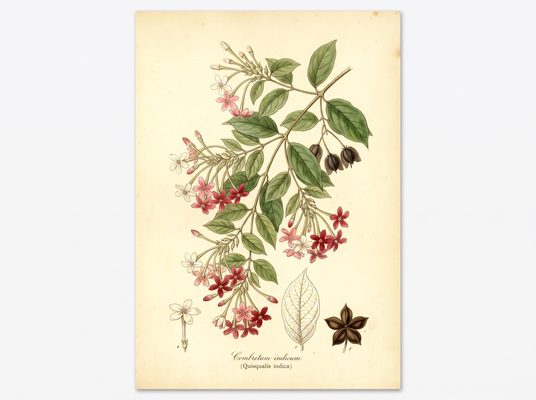 Rangoon creeperCombretum indicum
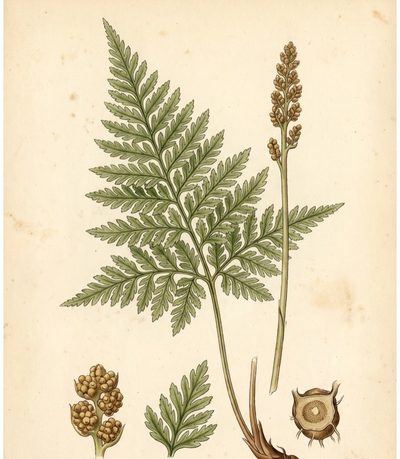 Rattlesnake fernBotrychium virginicum
 Red alderAlnus rubra
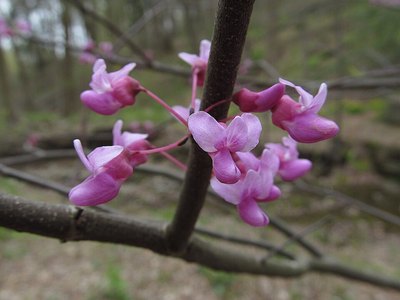 Red budCercis canadensis
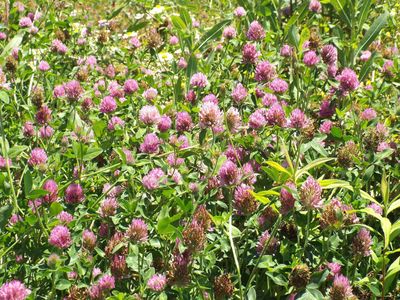 Red cloverTrifolium pratense
 Red mulberryMorus rubra
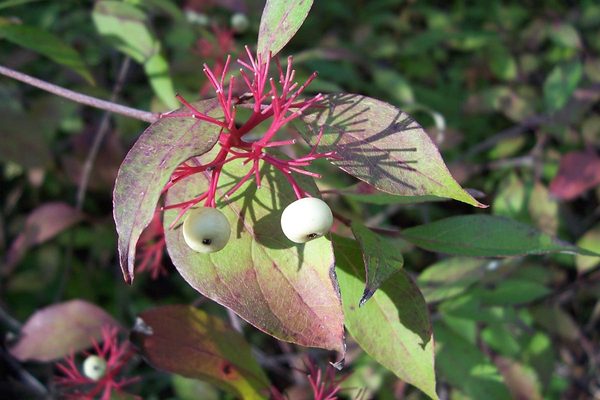 Red osier dogwoodCornus sericea
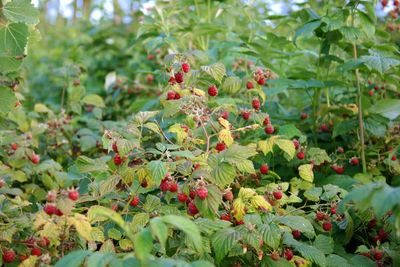 Red raspberryRubus idaeus
The whole plate is in the library. The compass, Compare, the Sky of eleven hundred plants and the formulary open with an email address and a password, free, with the formula builder and its safety engine. Herbert in full, his formulating, clients, the handouts and the labels are the paid room.
Open the library, free