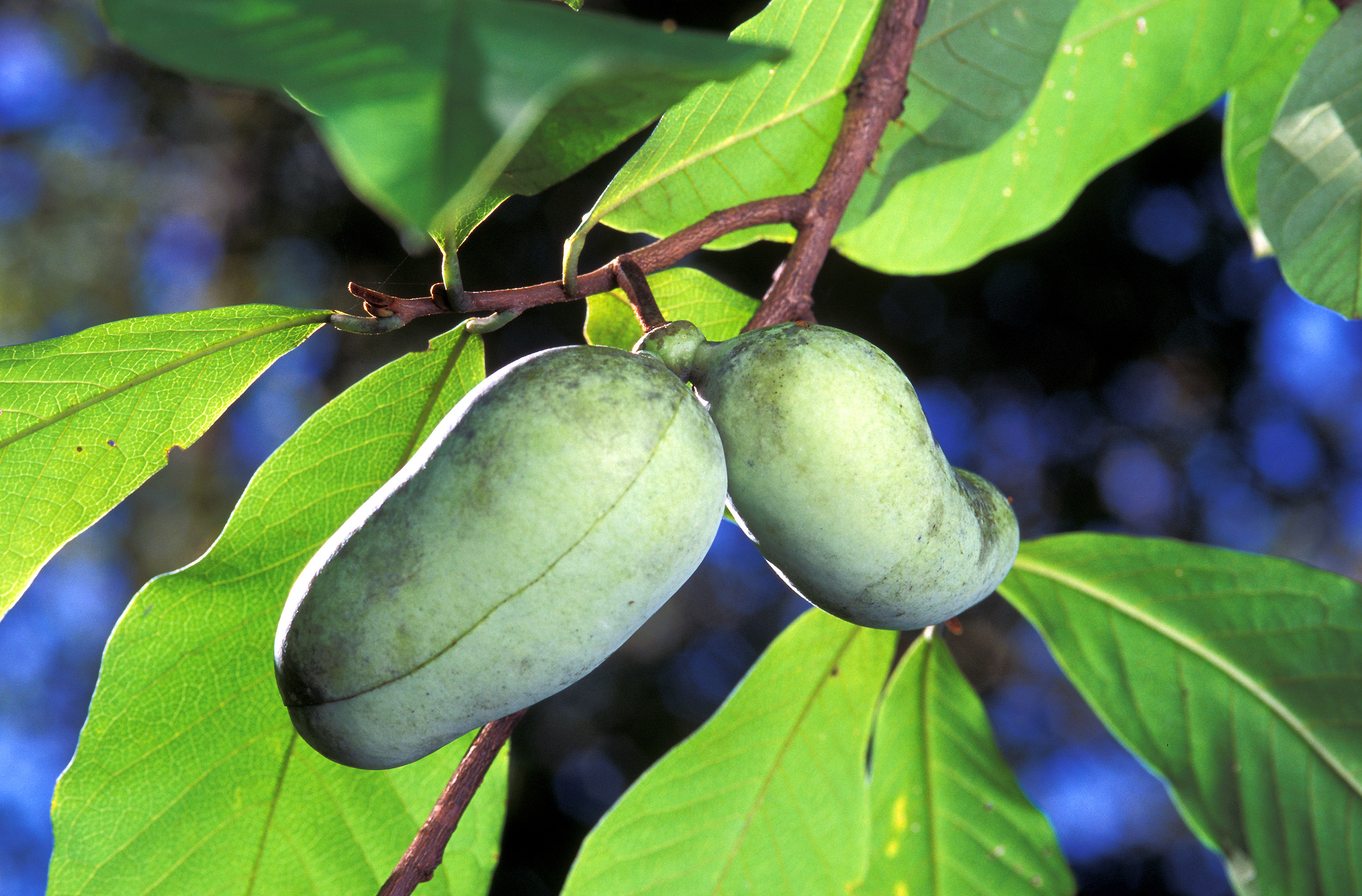
Western Herbalism
Papaw
Asimina
Also known as Pawpaw, Asiminer (Louisiana), American custardapple.
Asimina triloba, the American pawpaw, is the only temperate-zone member of the largely tropical custard-apple family and grows as a small understorey tree across the eastern and midwestern United States. Its large, custard-like fruit has long been eaten fresh, while the bark, seeds, and leaves found a more limited place in nineteenth-century American folk and eclectic practice as a harsh emetic and as an external remedy against lice and other skin parasites. The fruit is a food, not a therapeutic dose form, and should not be confused with the acrid, more toxic bark and seed preparations described in older texts.

Ask Herbert about Papaw. Herbert is the master herbalist inside Bountiful Herbs: he answers from this plate and eleven hundred others, with dosing, pairing and cautions. Your first ten questions are free.
Ask HerbertActions
Indications what the tradition reached for it in
- Nausea deliberately induced to empty the stomach
- Suspected intestinal worms
- Head lice infestation
- Body lice infestation
- Skin parasites
- Poor appetite during convalescence (fruit used as nutritive food, not the medicinal parts)
- General debility where the ripe fruit was taken as a tonic food
- Topical folk use for stubborn skin eruptions
Specific indications
A patient who has ingested spoiled food or a suspected poison and needs prompt emesis, historically addressed with a small dose of bark decoction
A scalp infestation with lice where crushed seed or leaf material was rubbed into the hair as a folk pediculicide
Safety
Low dose botanical. Used in drop doses in the classical practice; not a plant to dose freely.
Pregnancy: Not for use in pregnancy
Breastfeeding: Avoid bark, seed, and leaf preparations during lactation; the ripe fruit as food is not a concern.
The record lists 7 contraindications; open the plate in the library to read them in full.
In practice
Historical American practice used the bark, seeds, and leaves sparingly, mainly as an emetic to empty the stomach after ingestion of spoiled food, and topically, crushed and applied to the scalp or skin, against lice and other parasites.
Dosing as the sources wrote it
| Preparation | As written | Metric |
|---|---|---|
| Bark decoction (historical emetic use, not currently recommended) | 1-2 g dried bark as a single dose, historical reference only | 1000-2000 mg |
| Seed or leaf preparation (historical topical pediculicide, not currently recommended) | crushed seed or leaf material applied topically to affected skin or scalp, historical reference only | |
| Action, Uses, and Dosage: Emetic, for which purpose a saturated tincture of the bruised seeds is employed, in doses of from 10 to 60 drops. | 1.2 mL |
Doses are reproduced from the sources for practitioners and are not a recommendation for any person.
From the sources
Overview. Asimina triloba, the American pawpaw, is the only temperate-zone member of the largely tropical custard-apple family and grows as a small understorey tree across the eastern and midwestern United States. Its large, custard-like fruit has long been eaten fresh, while the bark, seeds, and leaves found a more limited place in nineteenth-century American folk and eclectic practice as a harsh emetic and as an external remedy against lice and other skin parasites. The fruit is a food, not a therapeutic dose form, and should not be confused with the acrid, more toxic bark and seed preparations described in older texts.
Clinical Notes. Historical American practice used the bark, seeds, and leaves sparingly, mainly as an emetic to empty the stomach after ingestion of spoiled food, and topically, crushed and applied to the scalp or skin, against lice and other parasites.
Action, Medical Uses, and Dosage. Without entering into a description of the varied experiments that have been made with the milk of carica, and concerning which an excellent account is given by Dr. Moncorvo, of Rio de Janeiro, in his translation of an article in the Portuguese language, entitled: "Note on the Physiological and Therapeutical Action of Carica Papaya," by Dr.
History. The Carica constitute a family of phanerogamous plants, which grow in the East Indies and in South America, either in a natural state or cultivated. The following species have properties similar to those of C.
Drawn from King's American Dispensatory, 18th edition (Felter and Lloyd), and the Bountiful Herbs editorial.
Nearby on the shelf
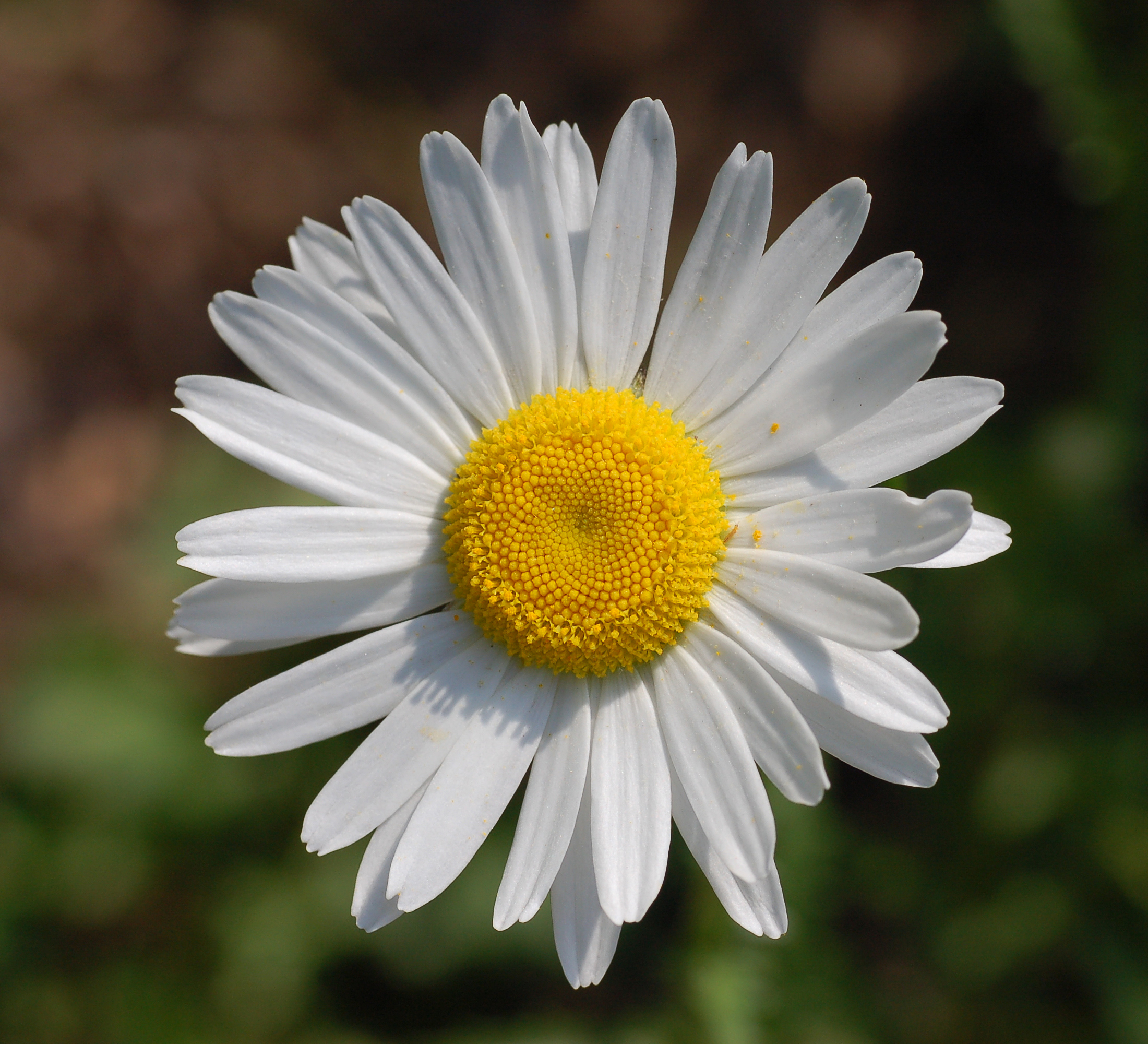 Ox-eye daisyChrysanthemum leucanthemum
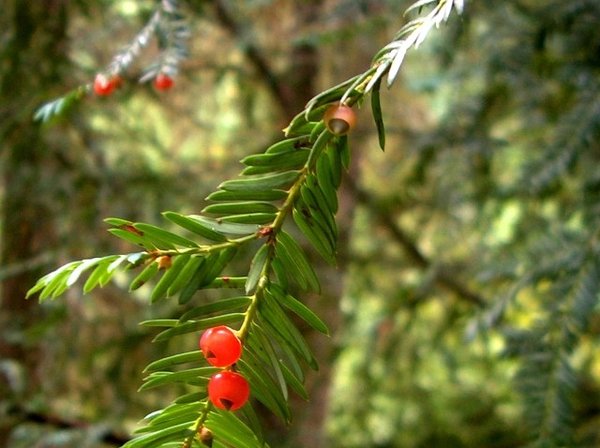 Pacific YewTaxus brevifolia
 PaiglePrimula veris
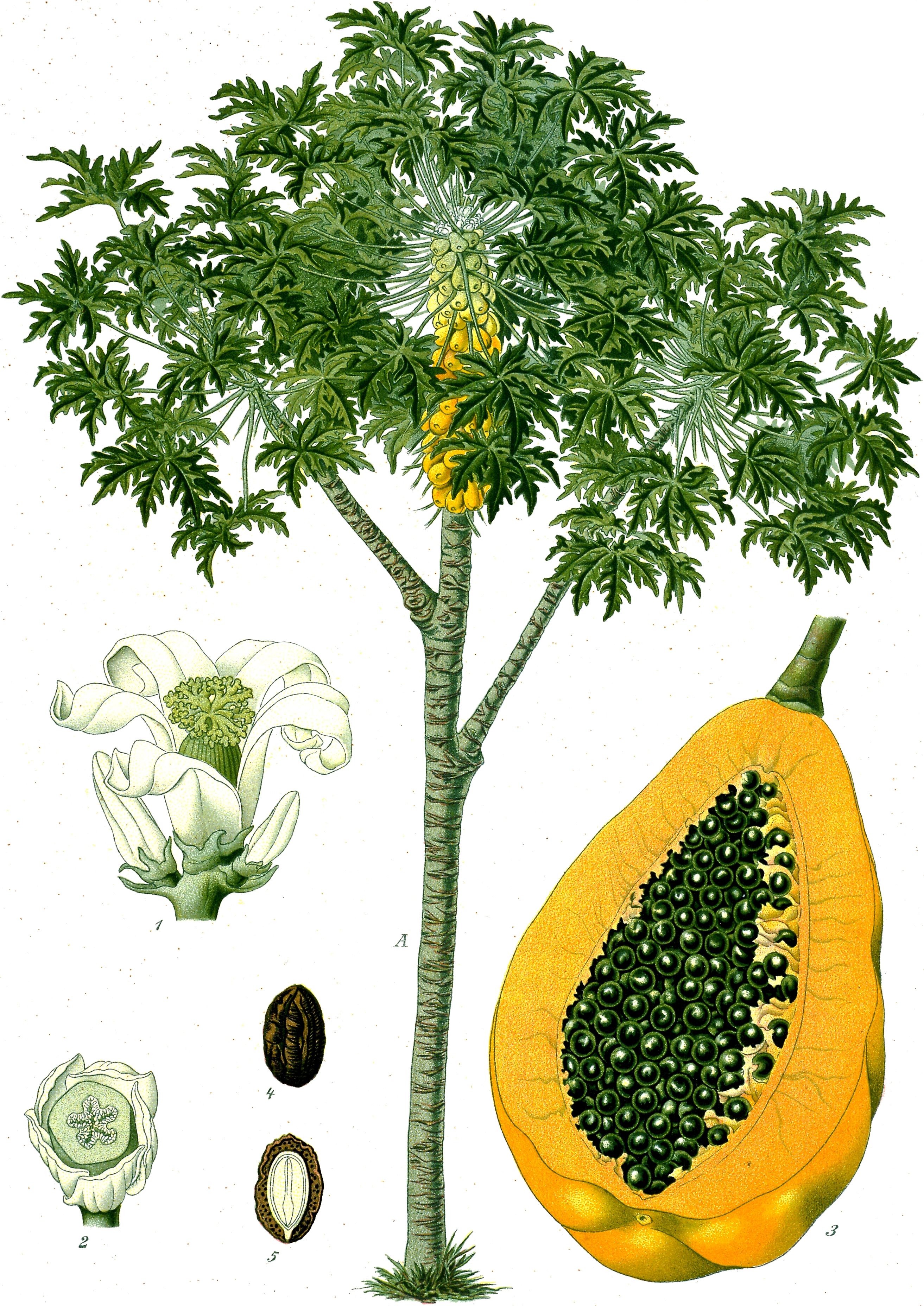 PapayaCarica papaya
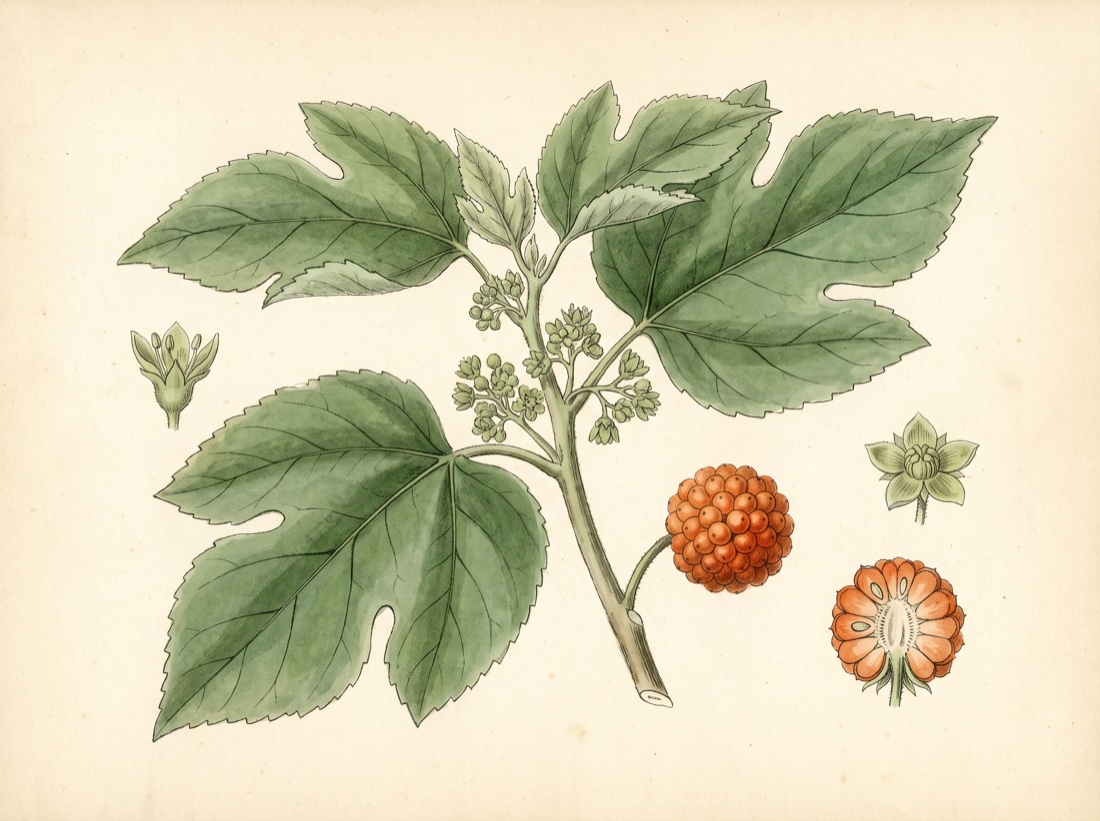 Paper mulberryBroussonetia papyrifera
 Para cressSpilanthes oleracea
 PareiraPareira brava
The whole plate is in the library. The compass, Compare, the Sky of eleven hundred plants and the formulary open with an email address and a password, free, with the formula builder and its safety engine. Herbert without limit, his formulating, clients, the handouts and the labels are the paid room.
Open the library, free