Western Herbalism
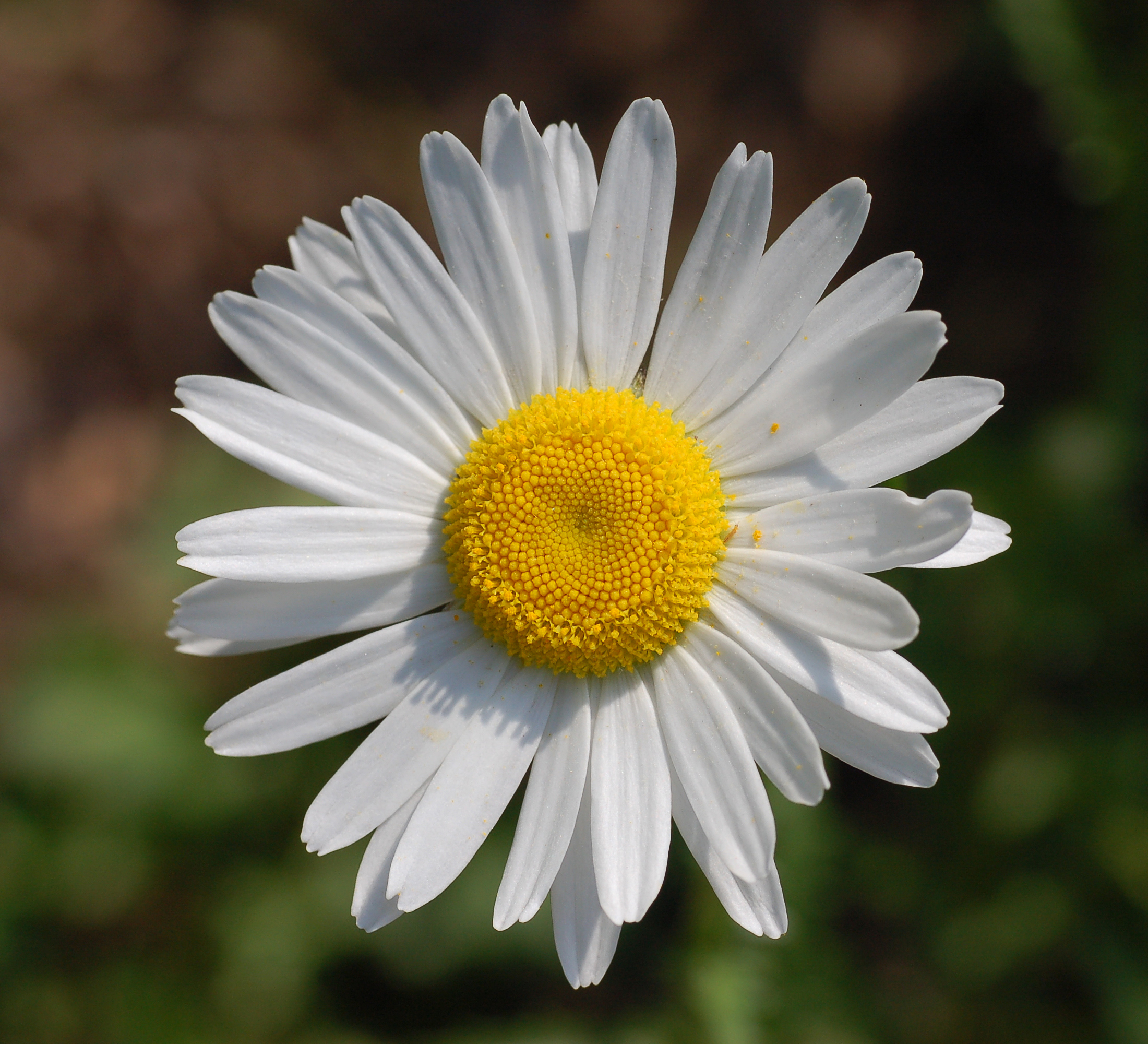
Ox-eye daisy
Chrysanthemum leucanthemum
Also known as White weed, Field daisy, Moon daisy, Marguerite, Great ox-eye, Maudlin daisy, White daisy, Horse gowan.
Ox-eye daisy is a common perennial field herb of the daisy family, native to Europe and widely naturalized across North America, where it is often regarded as a troublesome pasture weed. The flowering tops and aerial parts are the parts used medicinally. Within the physiomedicalist tradition it was valued as a gentle relaxant and antispasmodic herb, considered by early American eclectic and physiomedical writers to resemble chamomile in its general qualities though used far less extensively.

Ask Herbert about Ox-eye daisy. Herbert is the master herbalist inside Bountiful Herbs: he answers from this plate and eleven hundred others, with dosing, pairing and cautions. Your first ten questions are free.
Ask HerbertActions
Indications what the tradition reached for it in
- Common cold with poor perspiration
- Nervous depression
- Hysteria (historical term for functional nervous complaints)
- Bronchial catarrh
- Whooping cough
- Dysmenorrhea with spasmodic pain
- Nervous exhaustion
- Poor digestion with atony
- Minor wounds and bruises (topical)
- Restlessness with tension
Specific indications
Recent onset cold with dry, tight skin and need to promote a full sweat
Nervous depression or hysteria in a person with a generally atonic, understimulated nervous system
Safety
Pregnancy: Avoid in pregnancy due to lack of modern safety data on this species.
Breastfeeding: Avoid during lactation due to lack of modern safety data on this species.
The record lists 3 contraindications; open the plate in the library to read them in full.
In practice
In the physiomedicalist framework, ox-eye daisy was reached for as a mild relaxant and tonic, chiefly as a warm infusion taken at the onset of a cold to encourage a full sweat and open the skin, easing capillary circulation in a person whose surface tone was contracted and tight.
Dosing as the sources wrote it
| Preparation | As written | Metric |
|---|---|---|
| Infusion | 2-4 g dried flowering herb as infusion, three times daily | 2000-4000 mg |
| Tincture (1:5, 45%) | 2-4 mL three times daily | 2-4 mL |
| Dose, freely. | ||
| decoction | Dose of the decoction, from 2 to 4 ounces, 2 or 3 times a day. | 62207-124414 mg |
Doses are reproduced from the sources for practitioners and are not a recommendation for any person.
From the sources
Overview. Ox-eye daisy is a common perennial field herb of the daisy family, native to Europe and widely naturalized across North America, where it is often regarded as a troublesome pasture weed. The flowering tops and aerial parts are the parts used medicinally. Within the physiomedicalist tradition it was valued as a gentle relaxant and antispasmodic herb, considered by early American eclectic and physiomedical writers to resemble chamomile in its general qualities though used far less extensively.
Clinical Notes. In the physiomedicalist framework, ox-eye daisy was reached for as a mild relaxant and tonic, chiefly as a warm infusion taken at the onset of a cold to encourage a full sweat and open the skin, easing capillary circulation in a person whose surface tone was contracted and tight.
Action and Therapy. An infusion of leucanthemum is tonic and should be considered in cases of colliquative sweating in which it is not desirable to use the active antihydrotics, as atropine, muscarine, or camphoric acid.
Properties and Uses. The flower heads of this plant are almost the same in qualities as the anthemis nobilis. I have not used them extensively, but am satisfied they will make a remedy similar to the camomile as atonic and antispasmodic. In Central New York it was a popular family remedy for recent colds; and a warm infusion will secure a full perspiration, with capillary stimulation. As a tonic, it seems best suited for nervous depression and hysteria. Medical Herbalism journal and medherb.com The Physiomedical Dispensatory by William Cook, M.D., 1869
Drawn from Cook's Physio-Medical Dispensatory; King's American Dispensatory, 18th edition (Felter and Lloyd); Felter's Eclectic Materia Medica, Pharmacology and Therapeutics, and the Bountiful Herbs editorial.
Nearby on the shelf
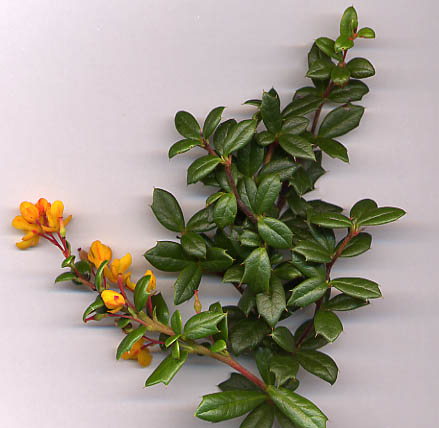 Oregon grapeBerberis aquifolium
 Orthosiphon aristatus var. aristatusOrthosiphon aristatus var. aristatus
 OshaLigusticum porteri
 OsmanthusOsmanthus fragrans
 Pacific YewTaxus brevifolia
 PaiglePrimula veris
 PapawAsimina
The whole plate is in the library. The compass, Compare, the Sky of eleven hundred plants and the formulary open with an email address and a password, free, with the formula builder and its safety engine. Herbert without limit, his formulating, clients, the handouts and the labels are the paid room.
Open the library, free