Chinese Herbalism
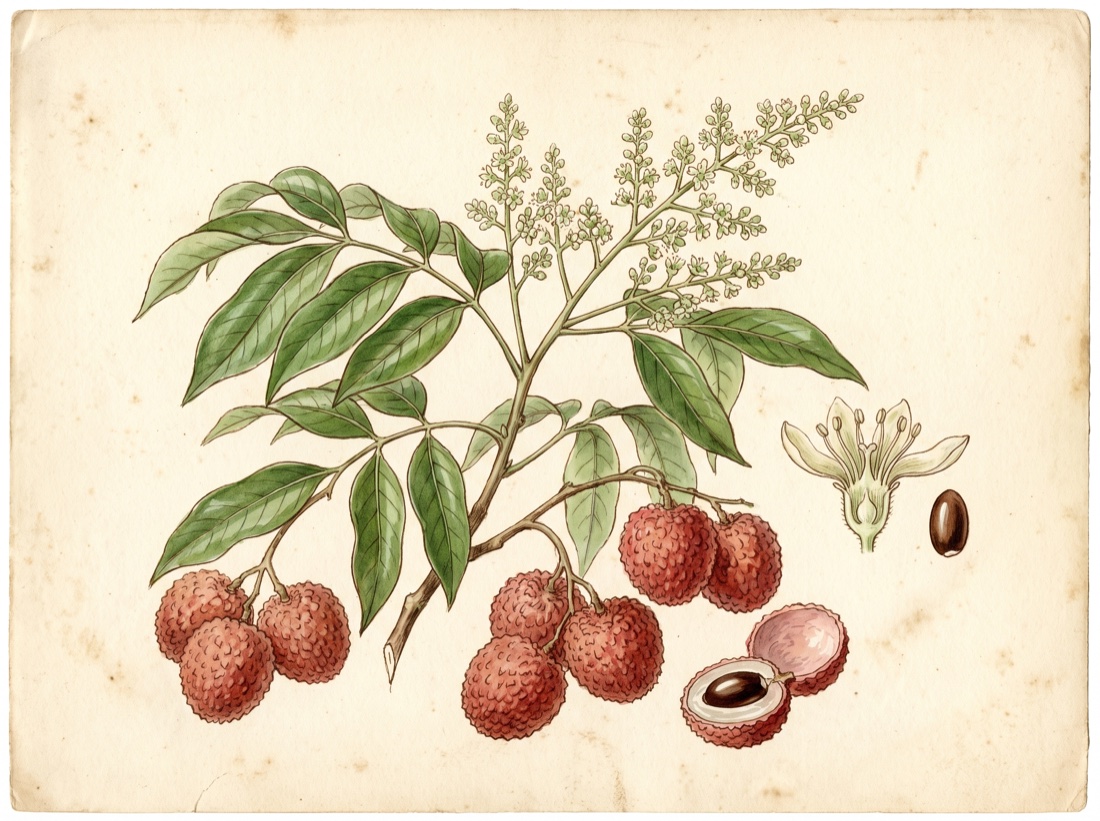
Lychee
Litchi chinensis
Also known as litchi, lichee, lychee seed, litchi seed, li zhi he, lì zhī hé.
Litchi chinensis is the lychee, a long-lived evergreen tree of the soapberry family native to southern China and now grown in subtropical orchards worldwide. The sweet white aril is the fruit everyone knows; Chinese medicine uses the hard, glossy brown seed, dried and crushed, as li zhi he. It is a warm, qi-moving seed placed in the Liver and Kidney channels, and its classical work is cold pain in the lower burner: hernia, testicular pain, and painful periods. Modern Chinese practice has added a role in blood sugar management that is still being tested.

Ask Herbert about Lychee. Herbert is the master herbalist inside Bountiful Herbs: he answers from this plate and eleven hundred others, with dosing, pairing and cautions. Your first ten questions are free.
Ask HerbertActions
Indications what the tradition reached for it in
- Cold-type hernia pain (shan qi) with dragging pain in the groin
- Testicular swelling and pain, orchitis, epididymitis with cold signs
- Cold stomach duct pain with distension and belching
- Dysmenorrhea from qi stagnation and blood stasis
- Postpartum abdominal pain with cold and stasis
- Lower abdominal pain radiating to the testicles or labia
- Hydrocele and scrotal swelling in cold-damp patterns
- Adjunct in type 2 diabetes with Liver qi stagnation (modern use)
Specific indications
Dull, dragging pain in the groin or testicle that is worse with cold and relieved by warmth and pressure
Period pain that starts before the flow, with a tense lower abdomen, sighing, and breast tightness
Epigastric pain with a cold sensation, belching, and a tight feeling under the ribs after emotional upset
Safety
The record lists 7 contraindications; open the plate in the library to read them in full.
In practice
Reach for li zhi he when pain sits low and cold: a groin or testicular ache that drags, a scrotal swelling in a chilled patient, or period pain with a tense abdomen and a sighing, frustrated mood. It is a quiet qi-mover rather than a strong analgesic, so it is almost always combined.
In Chinese medicine
Temperature: warm. Taste: sweet, slightly bitter, astringent. Channels: Liver, Kidney. Actions: Moves Liver qi and disperses cold to relieve pain; Disperses knotted qi in the lower burner, especially the testicles and groin; Warms the middle and settles cold pain in the stomach duct; Regulates qi and blood in the uterus to ease painful periods.
Dosing as the sources wrote it
| Preparation | As written | Metric |
|---|---|---|
| Decoction | 5-10 g crushed dried seed daily in decoction | 5000-10000 mg |
| Powder | 1.5-3 g powdered seed twice daily with warm water | 1500-3000 mg |
| Salt-processed seed (decoction) | 5-10 g salt-processed crushed seed daily in decoction | 5000-10000 mg |
Doses are reproduced from the sources for practitioners and are not a recommendation for any person.
From the sources
Overview. Litchi chinensis is the lychee, a long-lived evergreen tree of the soapberry family native to southern China and now grown in subtropical orchards worldwide. The sweet white aril is the fruit everyone knows; Chinese medicine uses the hard, glossy brown seed, dried and crushed, as li zhi he. It is a warm, qi-moving seed placed in the Liver and Kidney channels, and its classical work is cold pain in the lower burner: hernia, testicular pain, and painful periods. Modern Chinese practice has added a role in blood sugar management that is still being tested.
Clinical Notes. Reach for li zhi he when pain sits low and cold: a groin or testicular ache that drags, a scrotal swelling in a chilled patient, or period pain with a tense abdomen and a sighing, frustrated mood. It is a quiet qi-mover rather than a strong analgesic, so it is almost always combined.
Chinese Medicine Profile. Temperature: warm. Taste: sweet, slightly bitter, astringent. Channels: Liver, Kidney. Actions: Moves Liver qi and disperses cold to relieve pain; Disperses knotted qi in the lower burner, especially the testicles and groin; Warms the middle and settles cold pain in the stomach duct; Regulates qi and blood in the uterus to ease painful periods.
In formulas
Lychee stands in 1 documented formula in the library, among them bèn tún wán.
Often paired with
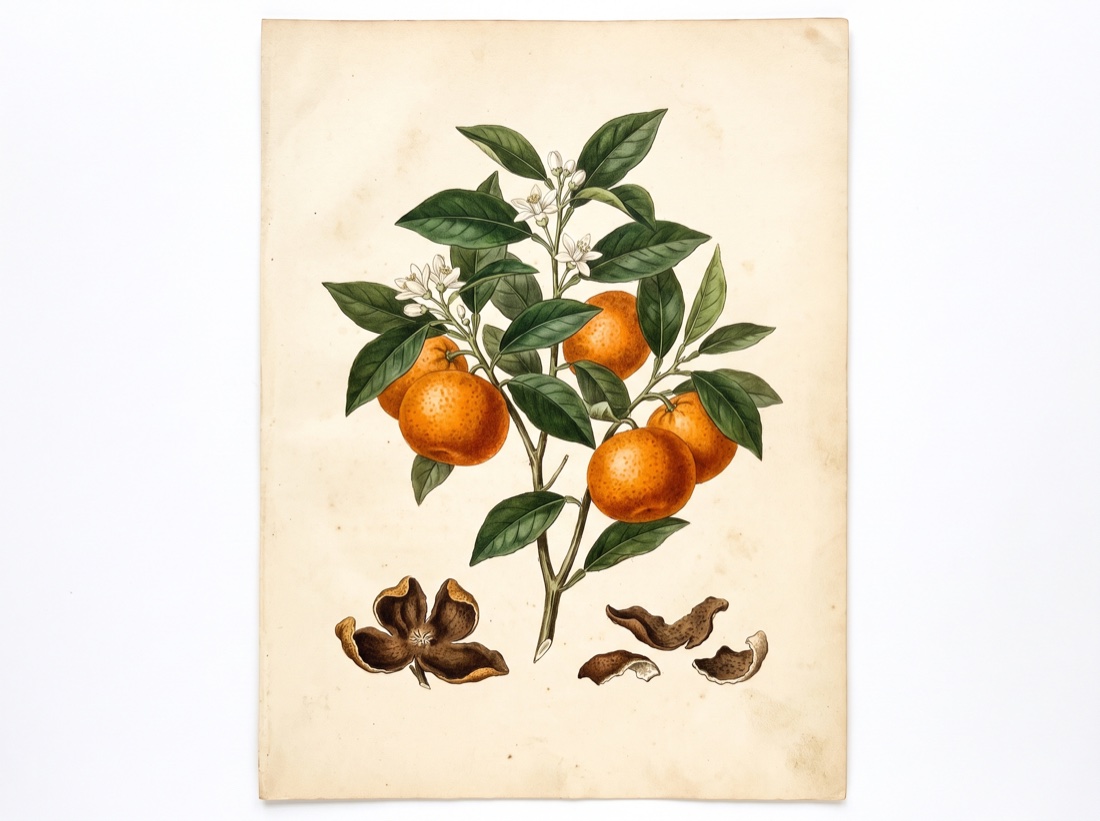 tangerineCitrus reticulata
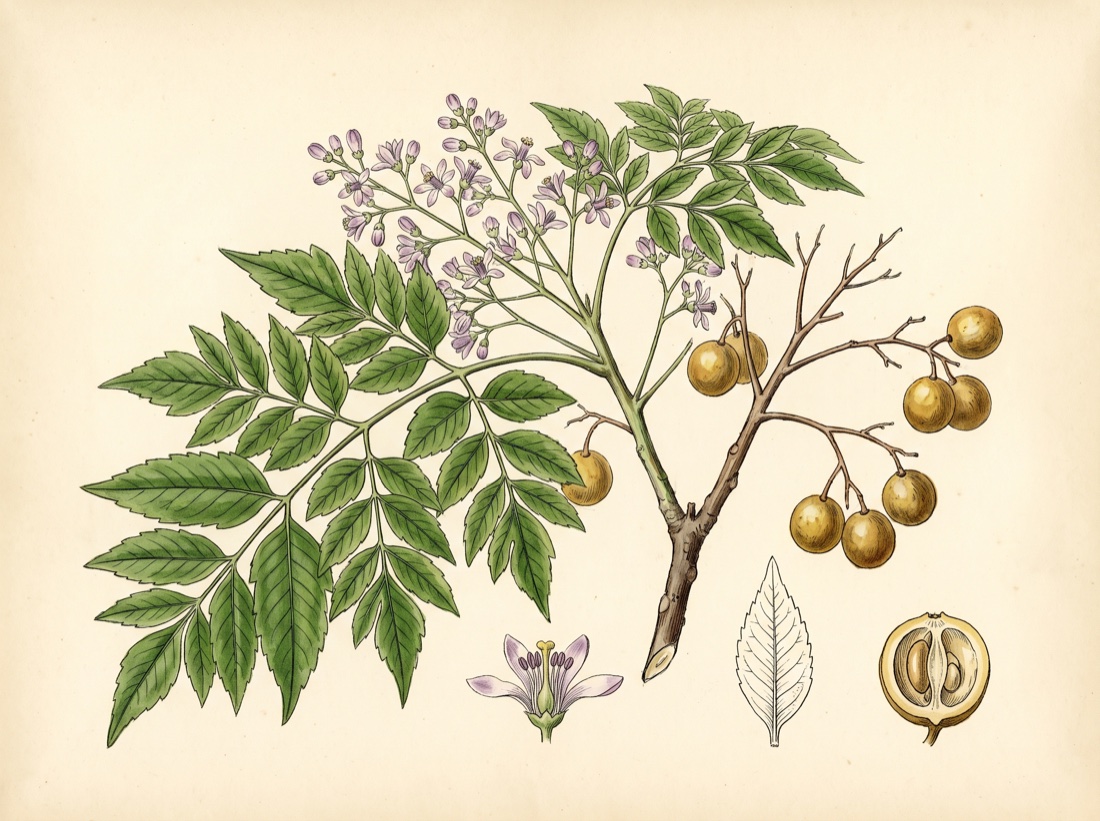 Sichuan chinaberryMelia toosendan
 FennelFoeniculum vulgare
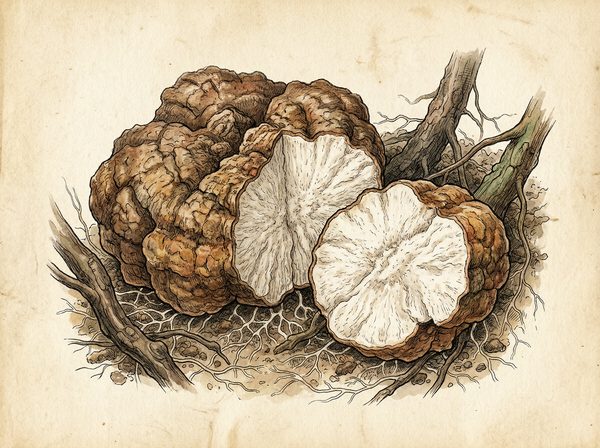 PoriaWolfiporia extensa
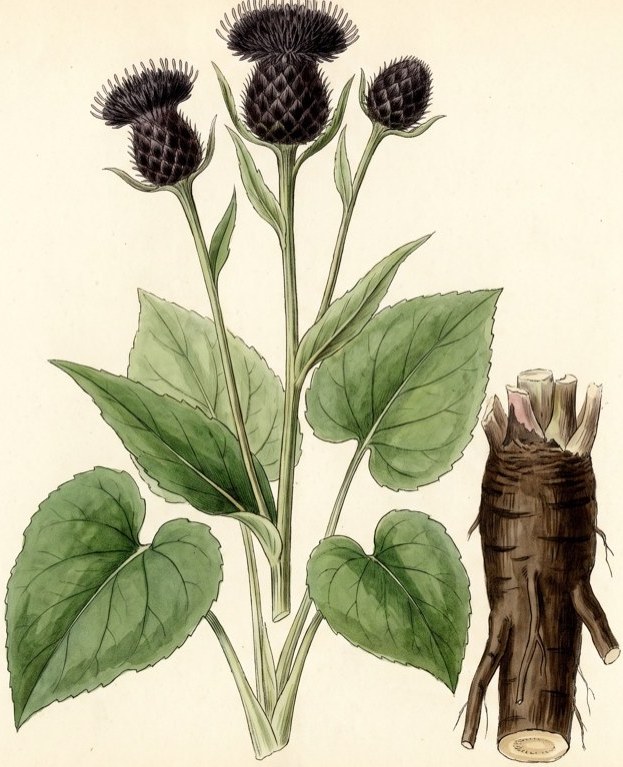 costusSaussurea costus
Nearby on the shelf
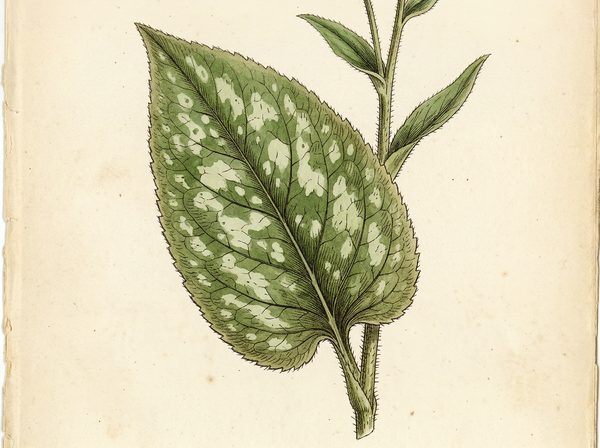 LungwortPulmonaria officinalis
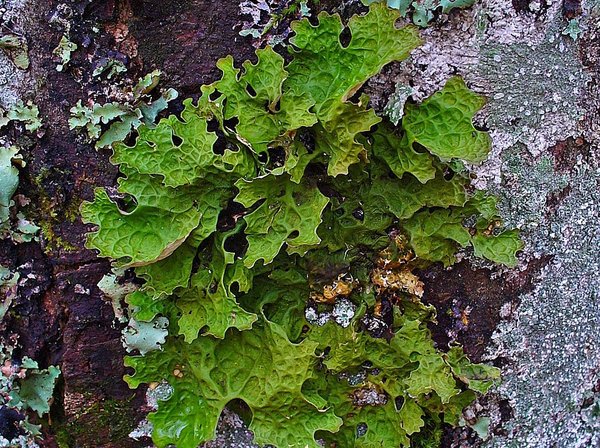 Lungwort LichenLobaria pulmonaria
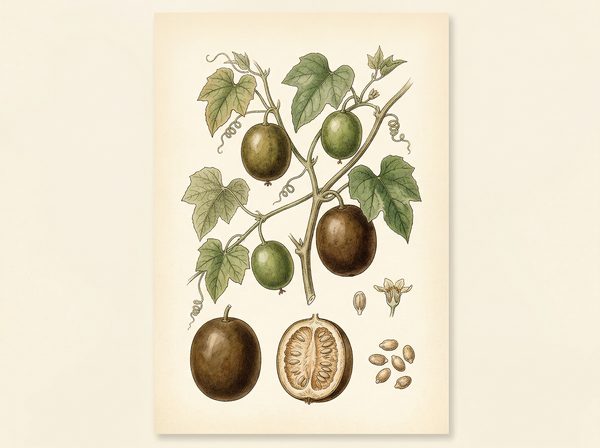 Luo Han GuoSiraitia grosvenorii
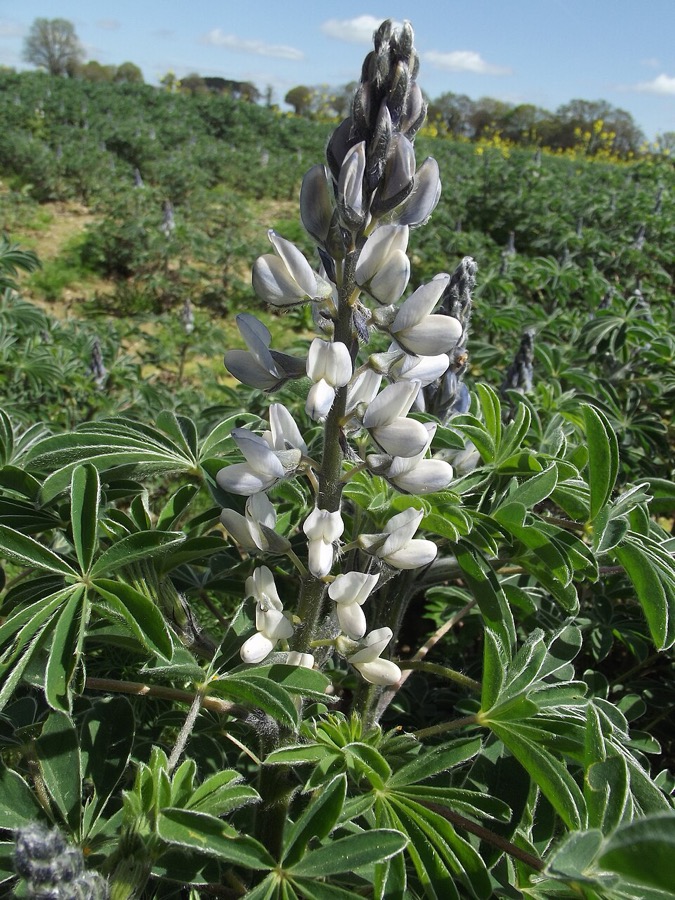 LupinLupinus
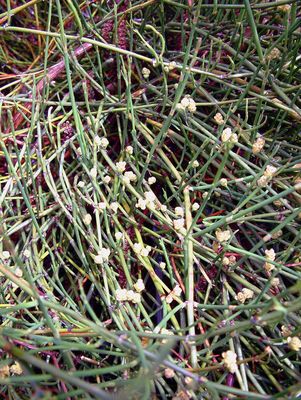 Ma huangEphedra sinica
 MacaLepidium meyenii
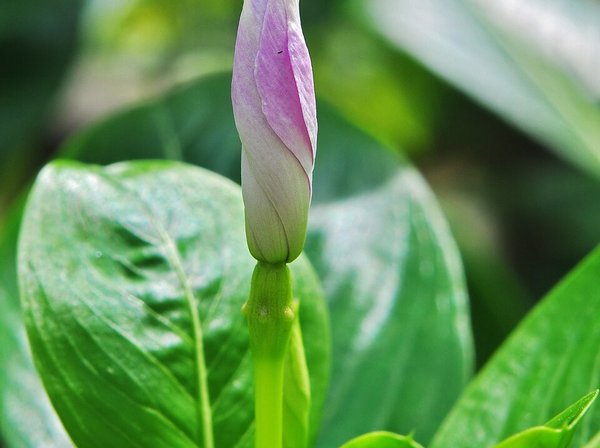 Madagascar PeriwinkleCatharanthus roseus
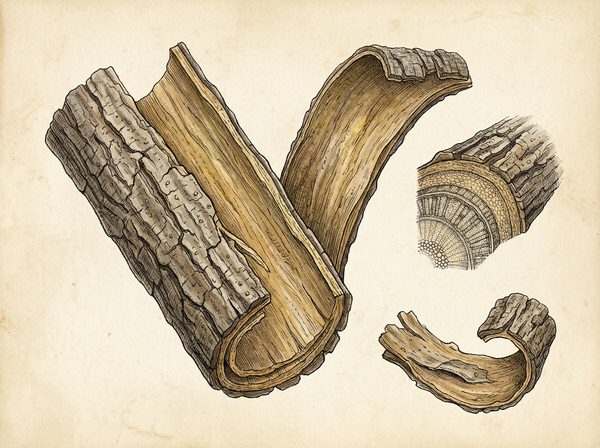 Magnolia BarkMagnolia officinalis
The whole plate is in the library. The compass, Compare, the Sky of eleven hundred plants and the formulary open with an email address and a password, free, with the formula builder and its safety engine. Herbert without limit, his formulating, clients, the handouts and the labels are the paid room.
Open the library, free