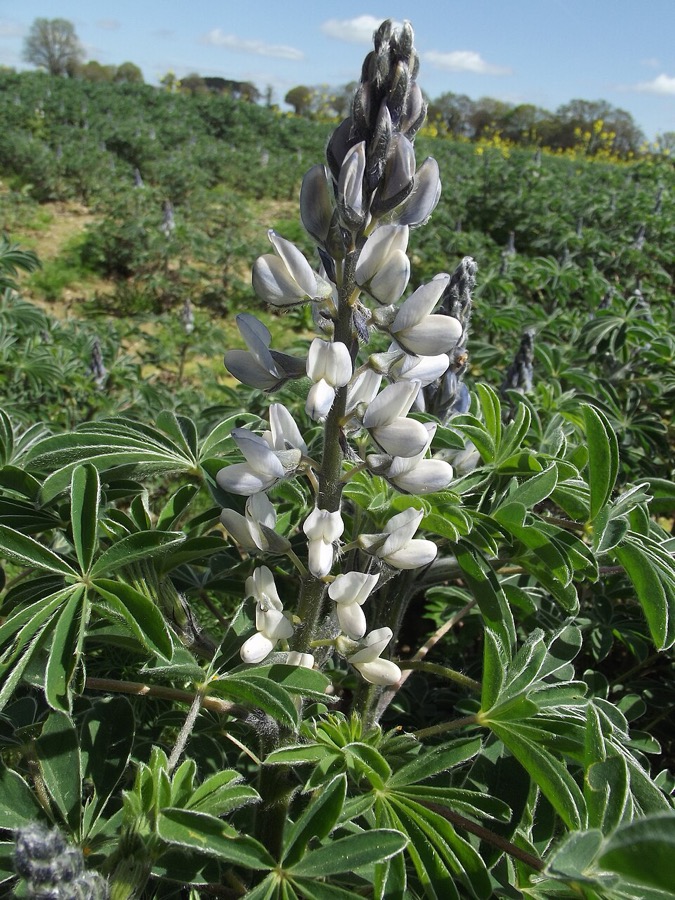
Western Herbalism
Lupin
Lupinus
Also known as White lupin, Field lupin, Egyptian lupin.
Lupinus is a large genus of the pea family, with white lupin the species most often gathered for medicinal and food use across the Mediterranean and Middle East. The seed is the part used, and it has a long history both as a debittered nutritive food and, in smaller and carefully prepared amounts, as a bitter tonic and folk remedy in eclectic and European traditional medicine. Wild and undomesticated lupin seeds are bitter and contain quinolizidine alkaloids that must be reduced by prolonged soaking, leaching, or selective breeding of sweet varieties before the seed is safe to take internally in any quantity.

Ask Herbert about Lupin. Herbert is the master herbalist inside Bountiful Herbs: he answers from this plate and eleven hundred others, with dosing, pairing and cautions. Your first ten questions are free.
Ask HerbertActions
Indications what the tradition reached for it in
- Loss of appetite
- Sluggish digestion
- Intestinal worms
- Mild fluid retention
- Elevated blood glucose (traditional use)
- Skin eruptions and ulcers (topical)
- Amenorrhea (traditional)
- General debility with poor appetite
Specific indications
Poor appetite with a sluggish, bitter-deficient digestion, where a small dose of the bitter seed is used before meals to rouse the stomach.
Traditional folk use of the ground seed as an adjunct for mild blood sugar elevation in a patient otherwise following dietary measures.
Safety
Low dose botanical. Used in drop doses in the classical practice; not a plant to dose freely.
Pregnancy: Avoid internal use beyond ordinary dietary amounts, since traditional emmenagogue use and the alkaloid content of poorly processed seed both argue for caution.
Breastfeeding: Avoid internal medicinal use beyond ordinary dietary amounts due to insufficient safety data and alkaloid content in inadequately debittered seed.
The record lists 5 contraindications; open the plate in the library to read them in full.
In practice
Eclectic physicians valued white lupin seed chiefly as a bitter, used in small doses to stimulate a flagging appetite and digestion, and it appeared in older formularies as a mild diuretic and vermifuge.
Dosing as the sources wrote it
| Preparation | As written | Metric |
|---|---|---|
| Debittered seed or flour (food use) | 10-30 g daily incorporated into food | 10000-30000 mg |
| Tincture of debittered seed (1:5, 40%) | 1-2 mL twice daily | 1-2 mL |
Doses are reproduced from the sources for practitioners and are not a recommendation for any person.
From the sources
Overview. Lupinus is a large genus of the pea family, with white lupin the species most often gathered for medicinal and food use across the Mediterranean and Middle East. The seed is the part used, and it has a long history both as a debittered nutritive food and, in smaller and carefully prepared amounts, as a bitter tonic and folk remedy in eclectic and European traditional medicine. Wild and undomesticated lupin seeds are bitter and contain quinolizidine alkaloids that must be reduced by prolonged soaking, leaching, or selective breeding of sweet varieties before the seed is safe to take internally in any quantity.
Clinical Notes. Eclectic physicians valued white lupin seed chiefly as a bitter, used in small doses to stimulate a flagging appetite and digestion, and it appeared in older formularies as a mild diuretic and vermifuge.
Drawn from King's American Dispensatory, 18th edition (Felter and Lloyd), and the Bountiful Herbs editorial.
Nearby on the shelf
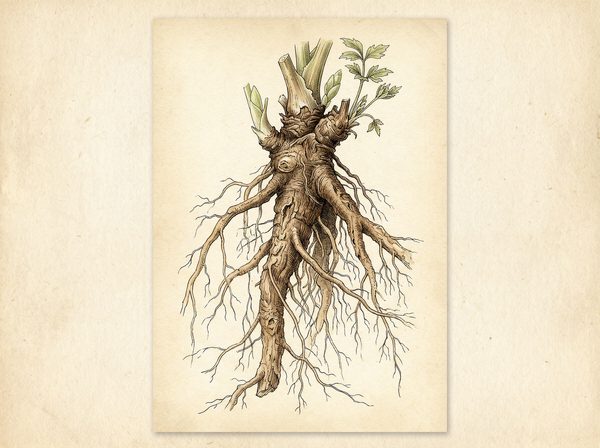 LovageLevisticum officinale
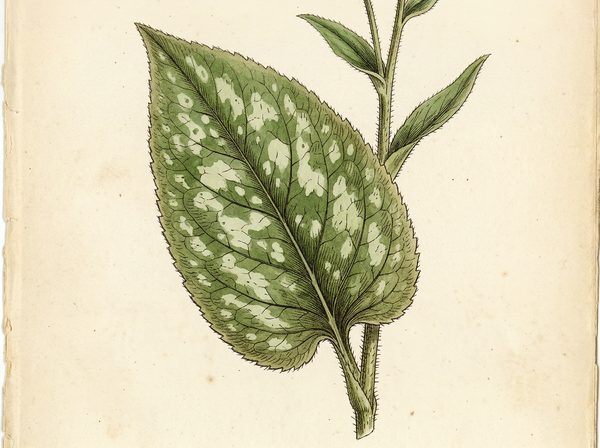 LungwortPulmonaria officinalis
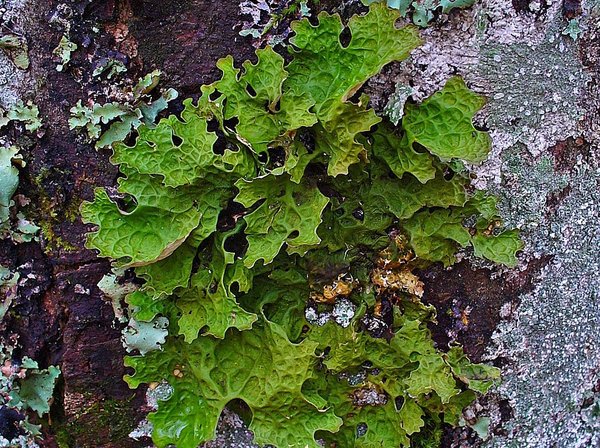 Lungwort LichenLobaria pulmonaria
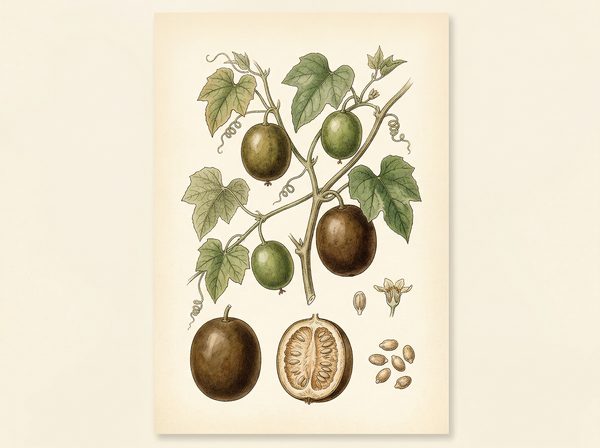 Luo Han GuoSiraitia grosvenorii
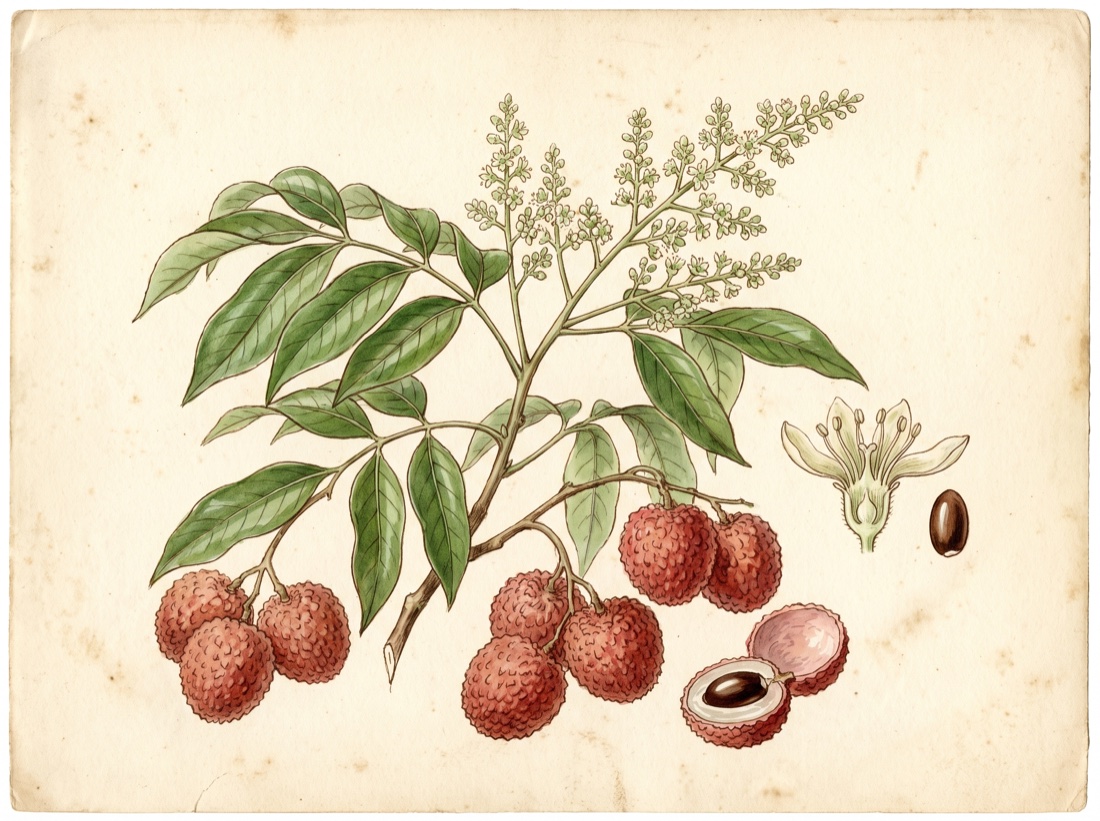 LycheeLitchi chinensis
 Ma huangEphedra sinica
 MacaLepidium meyenii
 Madagascar PeriwinkleCatharanthus roseus
The whole plate is in the library. The compass, Compare, the Sky of eleven hundred plants and the formulary open with an email address and a password, free, with the formula builder and its safety engine. Herbert without limit, his formulating, clients, the handouts and the labels are the paid room.
Open the library, free