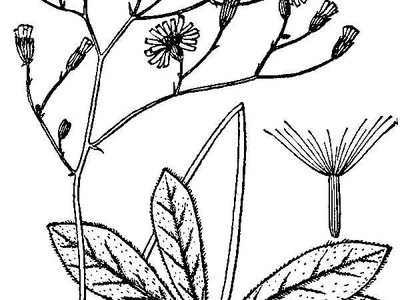
Western Herbalism
Hawkweed
Hieracium venosum
Also known as Bloodwort, Rattlesnake weed, Snake plantain, Poor Robin's plantain, Veiny-leaved hawkweed, Striped Woodwort.
Hieracium venosum is a small perennial herb of the aster family, native to dry, open woodlands and sandy hillsides of eastern North America. Its basal leaves are notable for their purple veining and undersides, a feature that gave rise to its old common names of bloodwort and rattlesnake weed, the latter reflecting a folk belief that it could counter snake venom. The aerial parts and leaves are the parts used, gathered in flower during late spring and summer. Within the physiomedicalist tradition it was classed among the astringents, valued for its ability to restore tone to relaxed, weeping tissues.

Ask Herbert about Hawkweed. Herbert is the master herbalist inside Bountiful Herbs: he answers from this plate and eleven hundred others, with dosing, pairing and cautions. Your first ten questions are free.
Ask HerbertActions
Indications what the tradition reached for it in
- Diarrhea
- Dysentery
- Minor uterine bleeding
- Hemoptysis (mild, traditional use)
- Slow-healing wounds and ulcers
- Venomous bites and stings (traditional folk remedy)
- General tissue laxity with weeping or oozing surfaces
- Chronic skin eruptions
Specific indications
Purplish-veined, low-growing leaf picture used traditionally as a signature for bleeding or venomous conditions, a low herb with dark purple veining and a milky juice, applied where tissues are relaxed and oozing
Loose, watery stools with a sense of laxity in the bowel, calling for a gentle astringent tone-restorer rather than a harsh binder
Safety
Pregnancy: Avoid in pregnancy given the complete absence of safety data for this species.
Breastfeeding: Avoid in lactation given the complete absence of safety data for this species.
The record lists 3 contraindications; open the plate in the library to read them in full.
In practice
In the older physiomedicalist literature this plant was reached for where tissue tone was lax and secretions were thin and unchecked, whether in the bowel, the uterus, or a weeping skin surface. It was used as a mild astringent infusion for looser stools and minor spotting, generally in combination with other astringents or alteratives rather than alone, and applied topically as a wash or poultice to slow-healing sores.
Dosing as the sources wrote it
| Preparation | As written | Metric |
|---|---|---|
| Infusion | 2-4 g dried aerial parts as an infusion, up to three times daily | 2000-4000 mg |
| Tincture (1:5, 40%) | 1-2 mL three times daily | 1-2 mL |
| Topical wash or poultice | Strong infusion applied externally to wounds or ulcers as needed | |
| Dose, of the infusion or syrup, from 2 to 4 fluid ounces. | 59.15-118 mL |
Doses are reproduced from the sources for practitioners and are not a recommendation for any person.
From the sources
Overview. Hieracium venosum is a small perennial herb of the aster family, native to dry, open woodlands and sandy hillsides of eastern North America. Its basal leaves are notable for their purple veining and undersides, a feature that gave rise to its old common names of bloodwort and rattlesnake weed, the latter reflecting a folk belief that it could counter snake venom. The aerial parts and leaves are the parts used, gathered in flower during late spring and summer. Within the physiomedicalist tradition it was classed among the astringents, valued for its ability to restore tone to relaxed, weeping tissues.
Clinical Notes. In the older physiomedicalist literature this plant was reached for where tissue tone was lax and secretions were thin and unchecked, whether in the bowel, the uterus, or a weeping skin surface. It was used as a mild astringent infusion for looser stools and minor spotting, generally in combination with other astringents or alteratives rather than alone, and applied topically as a wash or poultice to slow-healing sores.
Properties and Uses. The roots and leaves are stimulating and astringent, moderately permanent, and quite positive in action. They arouse a full outward circulation; and may be used to advantage when the surface is cold and sluggish, and there is hemorrhage from any internal organ.
Description. Natural Order, Compositae. The genus hieracium embraces several species, all of which have heads of many yellow flowers; flowers all perfect, and all ligulate, (as in dandelion;) leaves alternate, and the entire herb yielding a little milky juice.
Drawn from Cook's Physio-Medical Dispensatory; King's American Dispensatory, 18th edition (Felter and Lloyd), and the Bountiful Herbs editorial.
Nearby on the shelf
 Han Fang JiStephania tetrandra
 HaplopappusHaplopappus laricifolius
 HardhackSpirea tomentosa
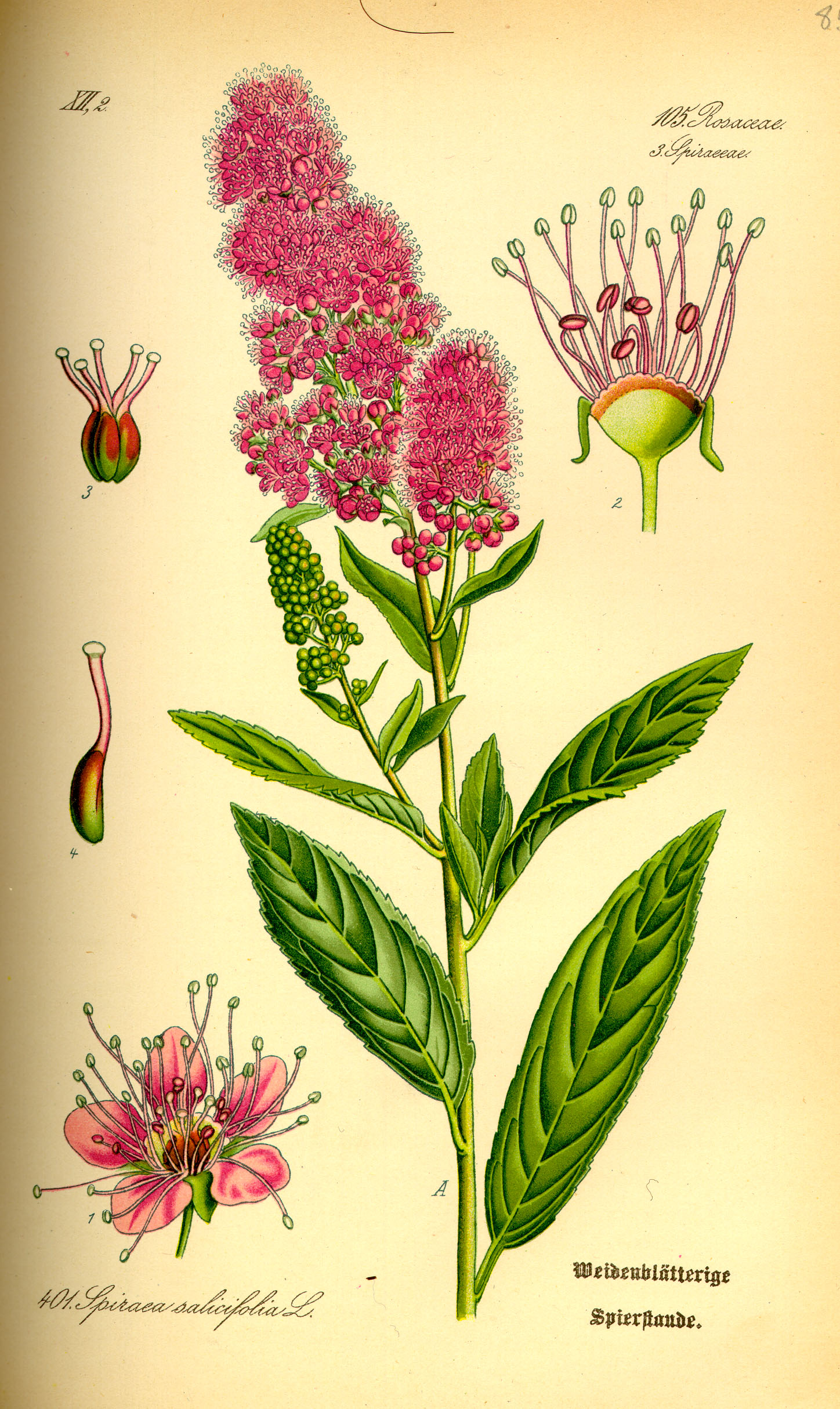 HardhackSpiraea
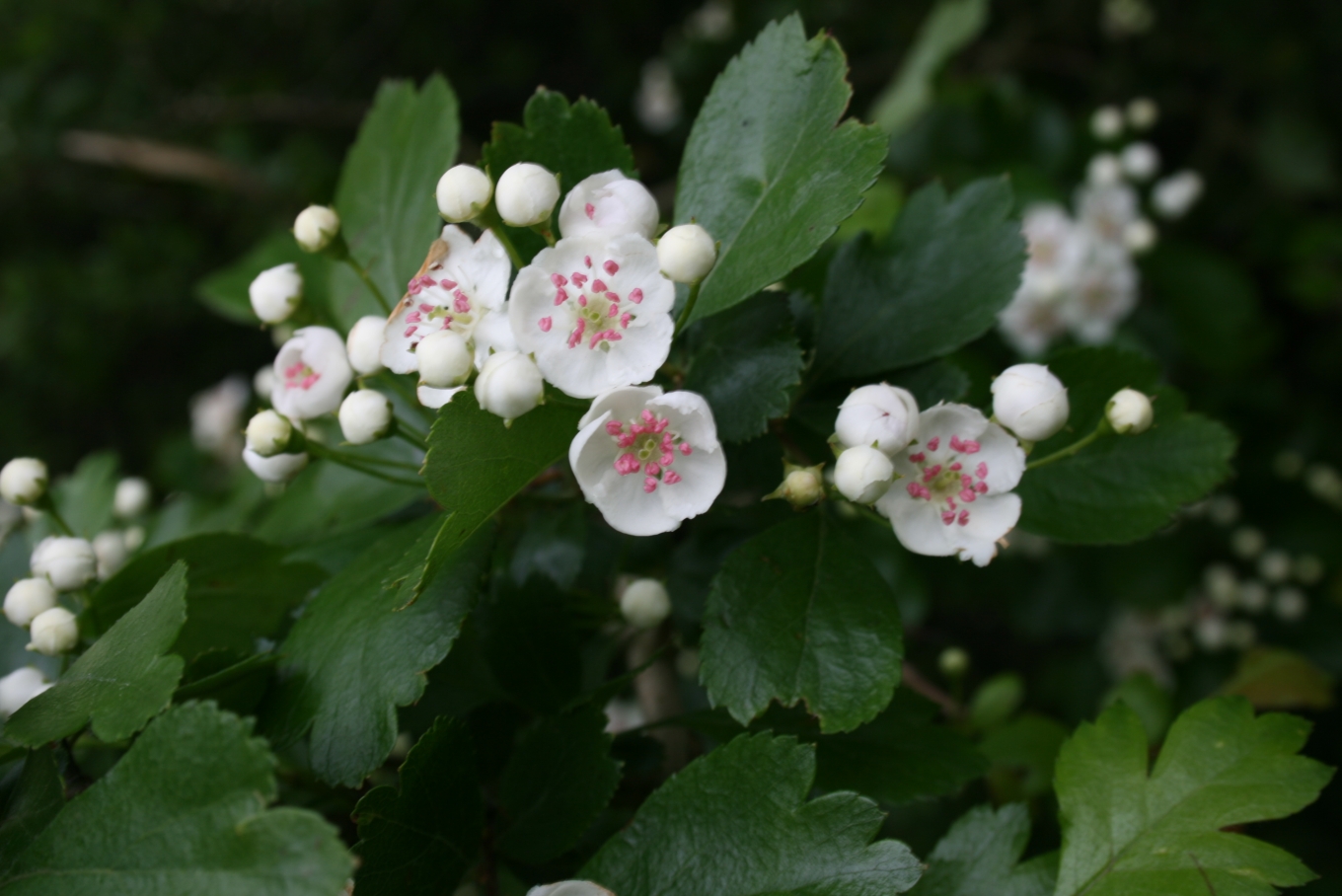 HawthornCrataegus oxyacantha
 HawthorneCrataegus oxycantha
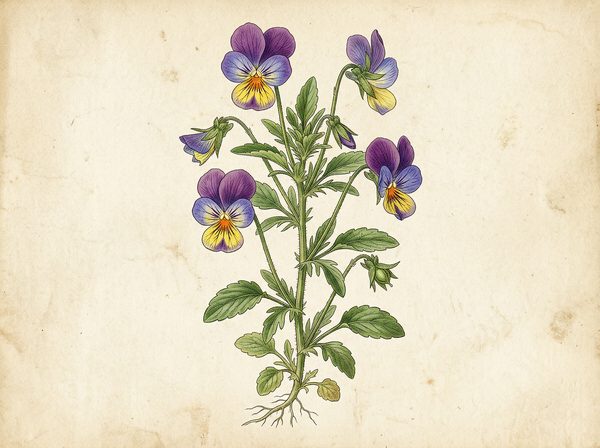 HeartseaseViola tricolor
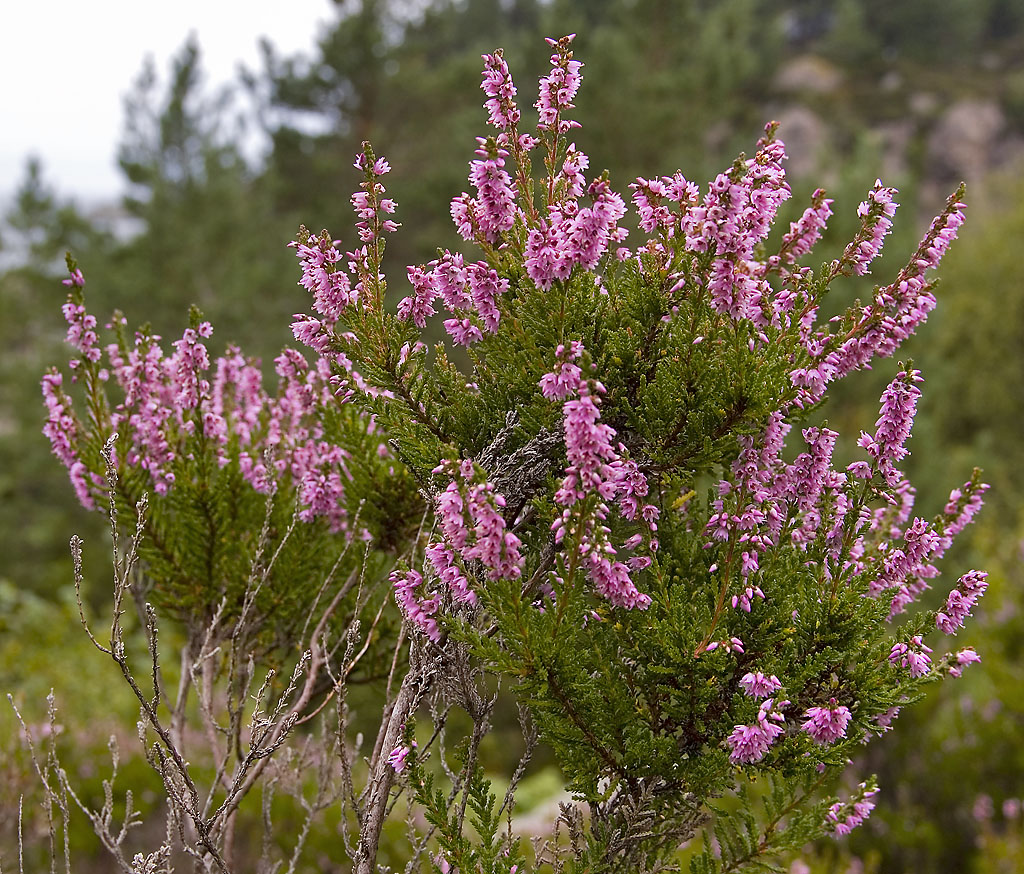 HeatherCalluna vulgaris
The whole plate is in the library. The compass, Compare, the Sky of eleven hundred plants and the formulary open with an email address and a password, free, with the formula builder and its safety engine. Herbert without limit, his formulating, clients, the handouts and the labels are the paid room.
Open the library, free