Western Herbalism
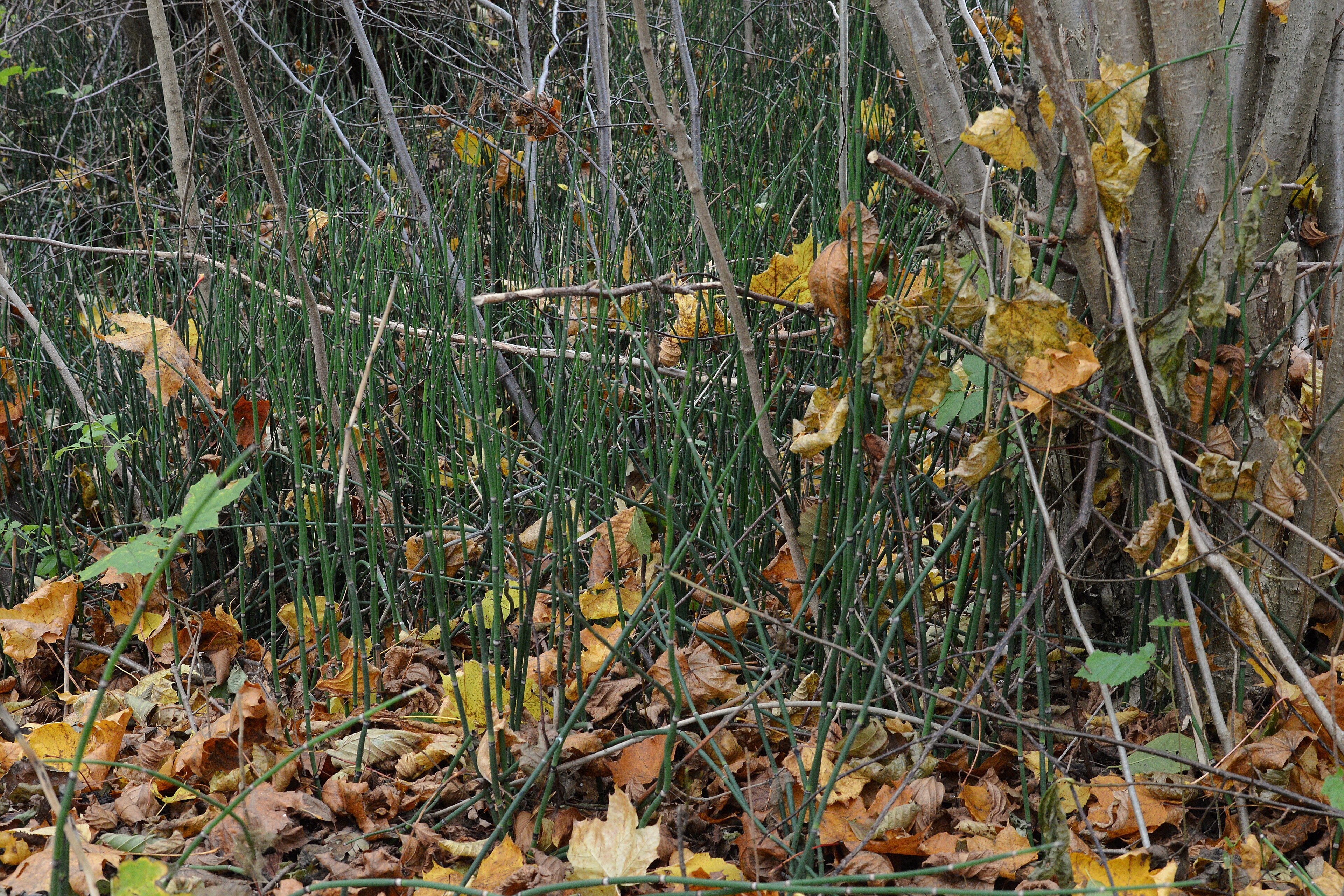
Equisetum
Equisetum hyemale
Also known as Scouring rush, Spurred Rye, mù zéi, mù zéi cǎo.
A diuretic useful in suppression of urine from any cause. Useful in dropsy and in lithemic conditions, where the urine is scanty, of high specific gravity, and dark-colored. It is advised in hematuria, and is of much service.

Ask Herbert about Equisetum. Herbert is the master herbalist inside Bountiful Herbs: he answers from this plate and eleven hundred others, with dosing, pairing and cautions. Your first ten questions are free.
Ask HerbertSpecific indications
Extreme fullness of the circulation of the brain, flushed face, headache, bright, sharp eyes, great restlessness. The indications for its safe use in labor are: first, uterine inertia; muscular relaxation with a more or less general weakness; second, the first stage of labor must be completed, and the ostium vaginae must be fully dilated. There must be no obstacle to the free expulsion of the child. The contractions induced by this agent are not smooth, spontaneous, natural, rhythmical contractions, but are irregular and extreme, and if an overdose be given it may induce a tetanic contraction and a single, most violent, continuous expulsive effort which does not cease until the entire contents of the womb are expelled. With such an influence, if there be a rigid, undilated os or perineum, or malposition of the child, or extreme dryness of the parts, serious results, as rupture of the womb or extreme laceration of the perineum, are almost unavoidable. This profound and continuous pressure on the child and placenta arrests haematosis, greatly paralyzes the heart's action, and thus impairs the circulation, inducing cyanosis and often death of the infant before its expulsion is complete. Again, such pronounced action upon the womb structure may result in subsequent muscular paralysis, with great impairment of its contractile power, and if there be no post-partum hemorrhage there may be subinvolution more or less persistent. It will be seen, therefore, that this remedy in parturition is a dangerous one, and if used at all it should be used only when every contraindication is absent, and every indication present.
Safety
Pregnancy: Limited safety data in pregnancy
Dosing as the sources wrote it
| Preparation | As written | Metric |
|---|---|---|
| Specific Equisetum | Dose, from five to thirty minims. | 0.31-1.85 mL |
| The dose is from five to ten drops. | 0.1-0.2 mL | |
| Extractum Ergotae Fluidum, Fluid Extract of Ergot | Dose, from one-half to one dram. | 1944-3888 mg |
| Specific Ergot | Dose, five to sixty minims. | 0.31-3.7 mL |
| If there is then free hemorrhage and lack of full uterine contraction, the dose may be repeated in perhaps half an hour, but the attendant must be assured that the womb is entirely empty. | ||
| It must be given in doses of from half a dram to a dram of the fluid extract. | 1944-3888 mg |
Doses are reproduced from the sources for practitioners and are not a recommendation for any person.
From the sources
Therapy. A diuretic useful in suppression of urine from any cause. Useful in dropsy and in lithemic conditions, where the urine is scanty, of high specific gravity, and dark-colored. It is advised in hematuria, and is of much service.
Therapy. In labor, when there is threatened post-partum hemorrhage, or when the history of previous labors shows a tendency to such an accident, a full dose of ergot may be given just at the close of the second stage, or after the head has passed the perineum.
Physiological Action. Ergot causes both acute and chronic poisoning when taken in toxic closes. Acute ergotism is characterized by vomiting, purging, headache, dizziness, drowsiness, slowing of the pulse, dilatation of the pupils, dyspnea, pain in the chest and loins, confusion of the senses, formication, coldness, anesthesia, convulsions, swelling of the face.
Specific Symptomatology. Extreme fullness of the circulation of the brain, flushed face, headache, bright, sharp eyes, great restlessness. The indications for its safe use in labor are: first, uterine inertia; muscular relaxation with a more or less general weakness; second, the first stage of labor must be completed, and the ostium vaginae must be fully dilated.
Drawn from Ellingwood's American Materia Medica, Therapeutics and Pharmacognosy, and the Bountiful Herbs editorial.
Nearby on the shelf
 EleutheroEleutherococcus senticosus
 Emu BushEremophila spp.
 EpazoteDysphania ambrosioides
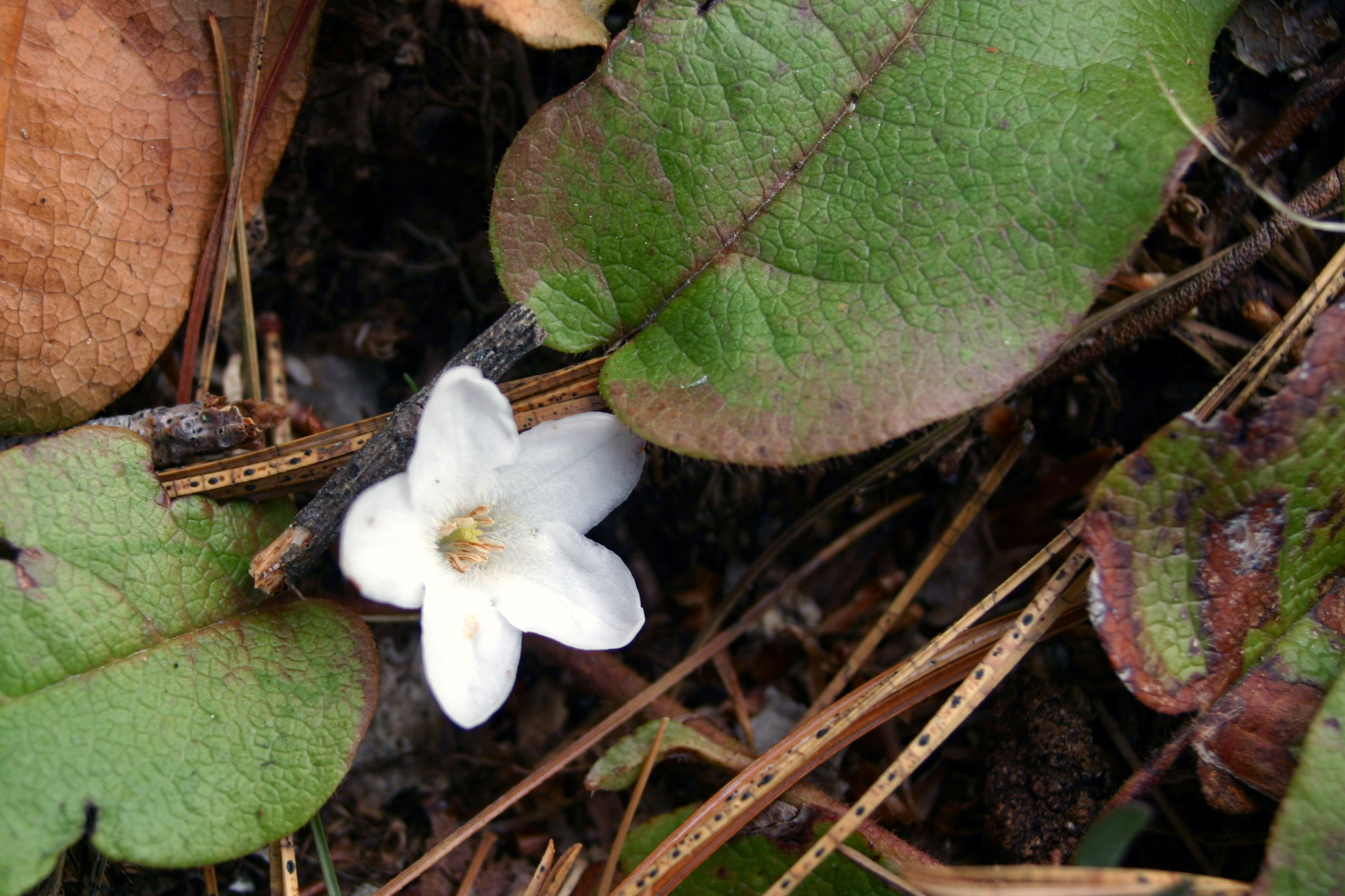 EpigaeaEpigaea repens
 ErgotSecale Cornutum
 EryngiumEryngium aquaticum
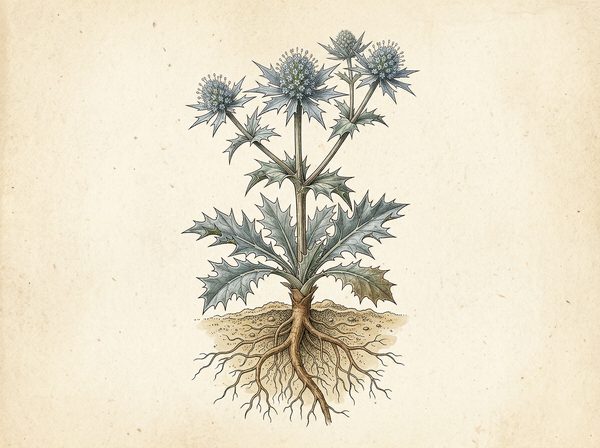 EryngoEryngium maritimum
 EucalyptusEucalyptus globulus
The whole plate is in the library. The compass, Compare, the Sky of eleven hundred plants and the formulary open with an email address and a password, free, with the formula builder and its safety engine. Herbert without limit, his formulating, clients, the handouts and the labels are the paid room.
Open the library, free