Western Herbalism
White ash
Fraxinus americana
Also known as Gray ash, Fraxinus, Black ash, Elder-leaved ash, or White Ash.
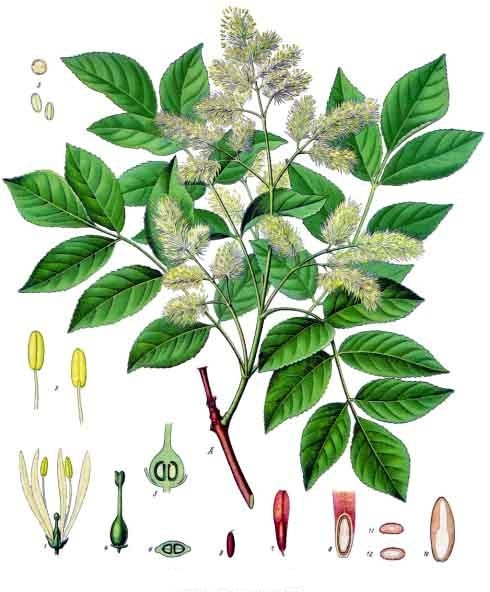
White ash is a large native North American tree of rich, moist woodlands, easily recognized by its gray furrowed bark, pinnate leaves, and pale strong timber prized for tool handles and sporting goods. The bark, and to a lesser extent the leaves, were the parts used medicinally by nineteenth century American Eclectic and physiomedical physicians. It held a modest place as a bitter tonic and antiperiodic, sometimes recommended as a domestic substitute for Peruvian bark when quinine was unavailable or too costly.

Ask Herbert about White ash. Herbert is the master herbalist inside Bountiful Herbs: he answers from this plate and eleven hundred others, with dosing, pairing and cautions. Your first ten questions are free.
Ask HerbertActions
Indications what the tradition reached for it in
- Intermittent fever
- Atonic dyspepsia
- Chronic diarrhea
- General debility
- Sluggish liver function
- Rheumatic complaints
- Delayed or scanty menses
- Convalescence after febrile illness
Specific indications
Low-grade intermittent or periodic fever, historically used where cinchona or quinine was scarce or poorly tolerated
Sluggish, bitter dyspepsia with a coated tongue and poor appetite in a generally debilitated patient
Safety
Pregnancy: Avoid in pregnancy given its traditional reputation as an emmenagogue and the absence of modern safety data.
Breastfeeding: Avoid in lactation due to lack of safety data.
The record lists 4 contraindications; open the plate in the library to read them in full.
In practice
In Eclectic practice white ash bark was reached for mainly in agues and intermittent fevers, given as a decoction or tincture through the febrile cycle much as cinchona bark was used, though practitioners of the period were candid that it was a weaker and less reliable agent. It was also employed more generally as a bitter tonic for sluggish digestion and low grade debility, and occasionally as a mild emmenagogue for delayed menses in an atonic constitution. This is now essentially a historical remedy. Very few practitioners use it today, and it has been largely superseded by better characterized bitters and antiperiodics. Anyone reviving its use should treat it as a gentle adjunct rather than a primary treatment for true malaria or significant menstrual disorders, both of which need modern diagnosis and management.
Dosing as the sources wrote it
| Preparation | As written | Metric |
|---|---|---|
| Bark decoction | 2-4 g dried bark three times daily | 2000-4000 mg |
| Tincture (1:5, 45% alcohol) | 2-4 mL three times daily | 2-4 mL |
| and may be given in pills, in doses of five to eight grains, or used as a basis for pill-mass when apocynin, juglandin, jalapa, or podophyllin is used in powder | 324-518 mg | |
| The organ was reduced to normal size in four months' time, by the persistent use of twenty minim doses of this remedy four times daily. | 1.23 mL |
Doses are reproduced from the sources for practitioners and are not a recommendation for any person.
From the sources
Overview. White ash is a large native North American tree of rich, moist woodlands, easily recognized by its gray furrowed bark, pinnate leaves, and pale strong timber prized for tool handles and sporting goods. The bark, and to a lesser extent the leaves, were the parts used medicinally by nineteenth century American Eclectic and physiomedical physicians. It held a modest place as a bitter tonic and antiperiodic, sometimes recommended as a domestic substitute for Peruvian bark when quinine was unavailable or too costly.
Clinical Notes. In Eclectic practice white ash bark was reached for mainly in agues and intermittent fevers, given as a decoction or tincture through the febrile cycle much as cinchona bark was used, though practitioners of the period were candid that it was a weaker and less reliable agent.
Therapy. In uterine diseases, where there is no permanent organic change, Dr. Shafer gave this remedy first place. He used it for several years, and his observations should carry weight. It is indicated in uterine tumors, of somewhat speedy growth, and in hypertrophy of the uterus.
Properties and Uses. This bark is a relaxant and stimulant, with the relaxant properties in moderate excess. Its action is quite positive, but is slow and persistent; and it is not an agent from which sudden impressions are to be expected.
Drawn from Cook's Physio-Medical Dispensatory; Ellingwood's American Materia Medica, Therapeutics and Pharmacognosy, and the Bountiful Herbs editorial.
In formulas
White ash stands in 8 documented formulas in the library, among them bái tóu wèng tāng, bái tóu wêng jia gan cǎo ẽ jiào tang, jia wèi bái tou wêng tàng.
Often paired with
 AshFraxinus excelsior
 Chinese goldthreadCoptis chinensis
 Huang BaiPhellodendron amurense
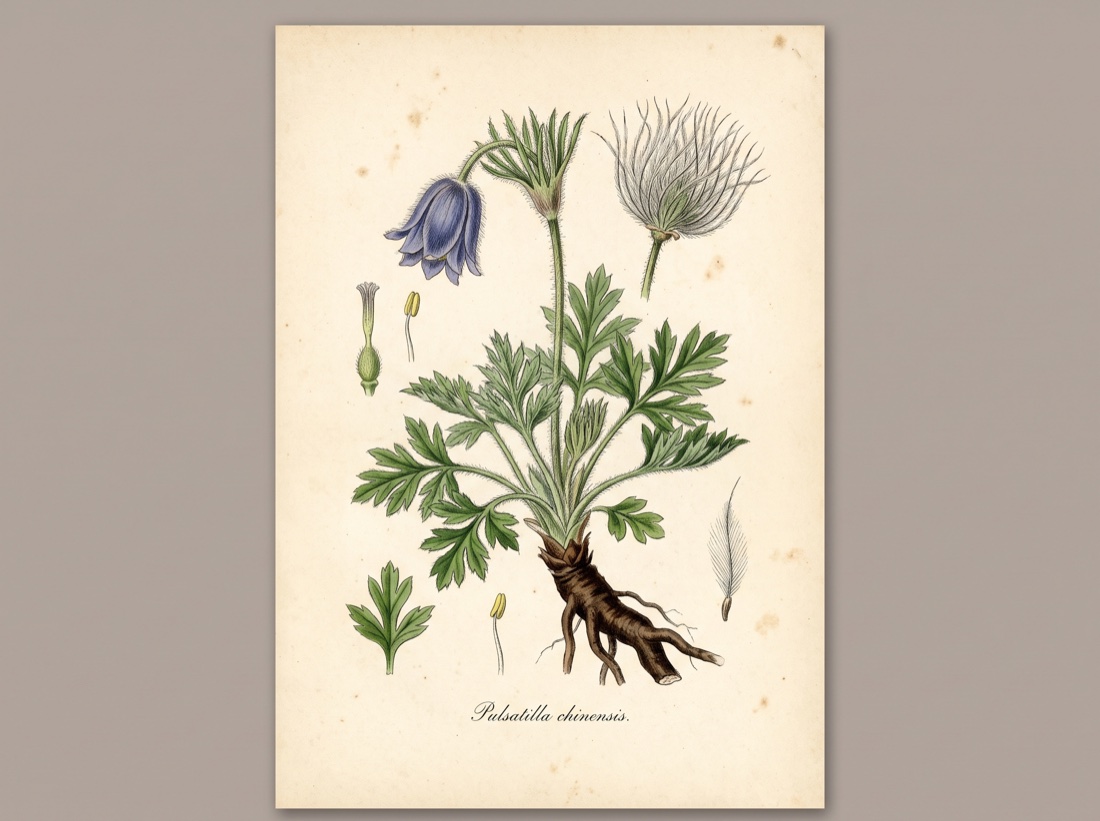 Chinese pulsatillaPulsatilla chinensis
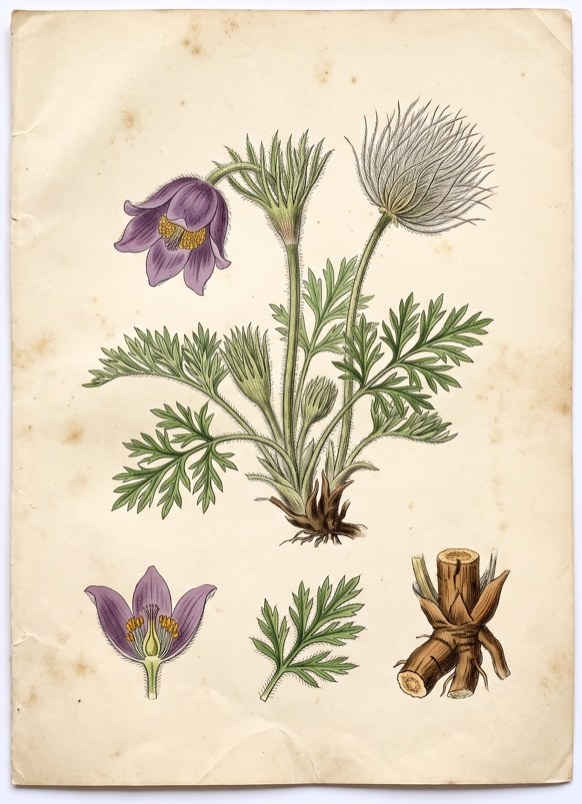 Pasque flowerPulsatilla vulgaris
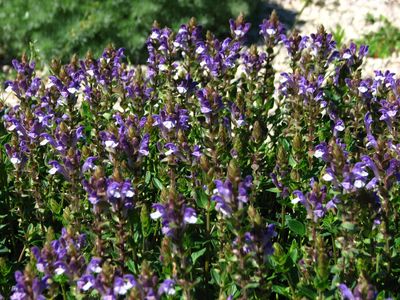 Chinese skullcapScutellaria baicalensis
Nearby on the shelf
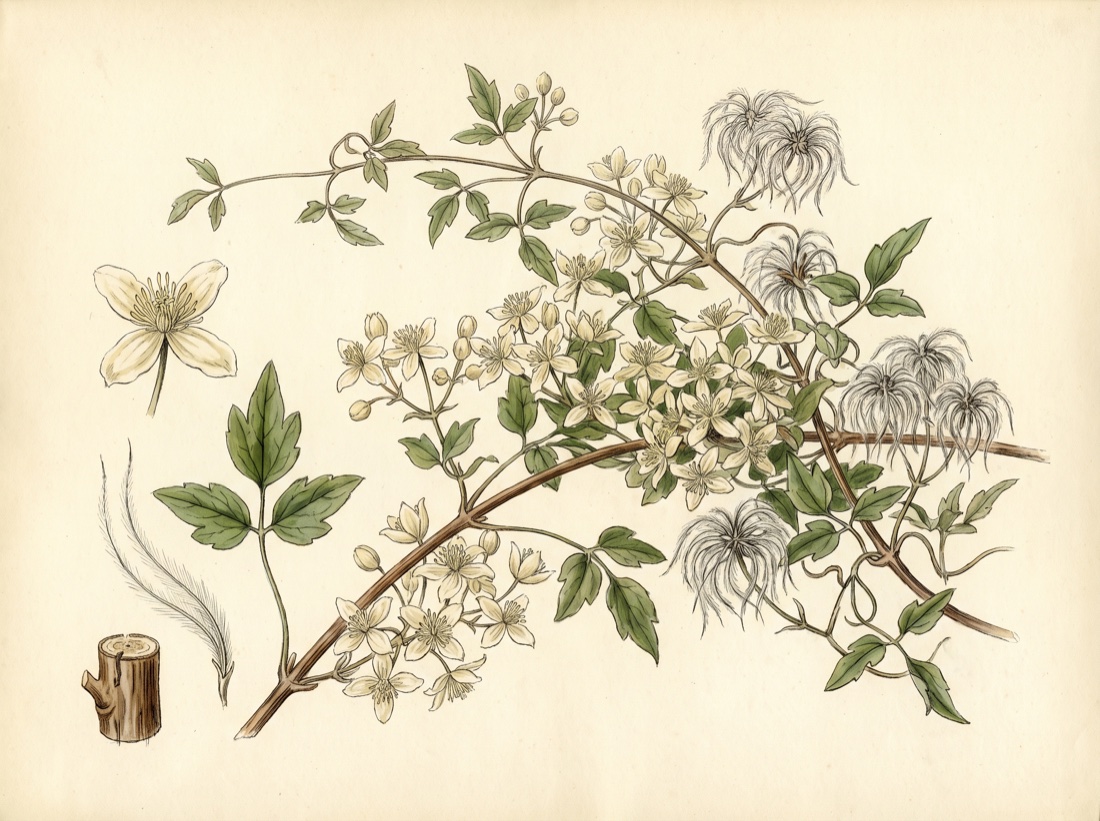 Western white clematisClematis ligusticifolia
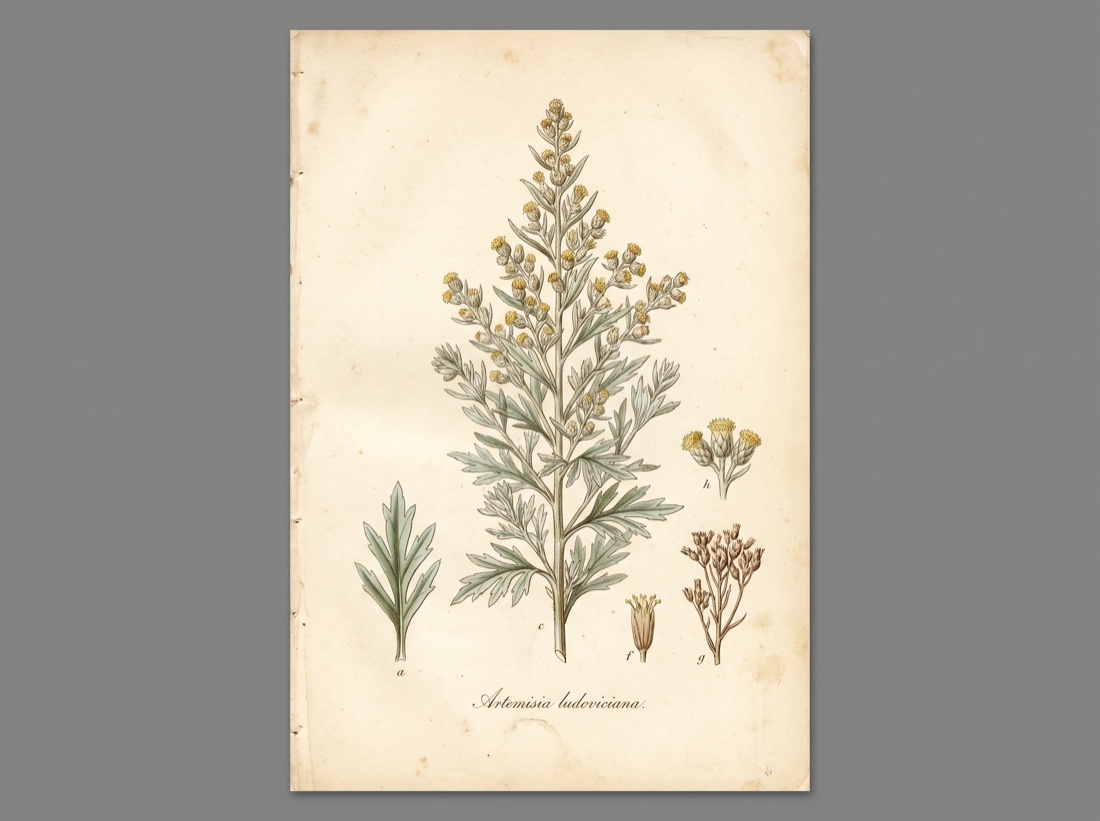 Western wormwoodArtemisia ludoviciana
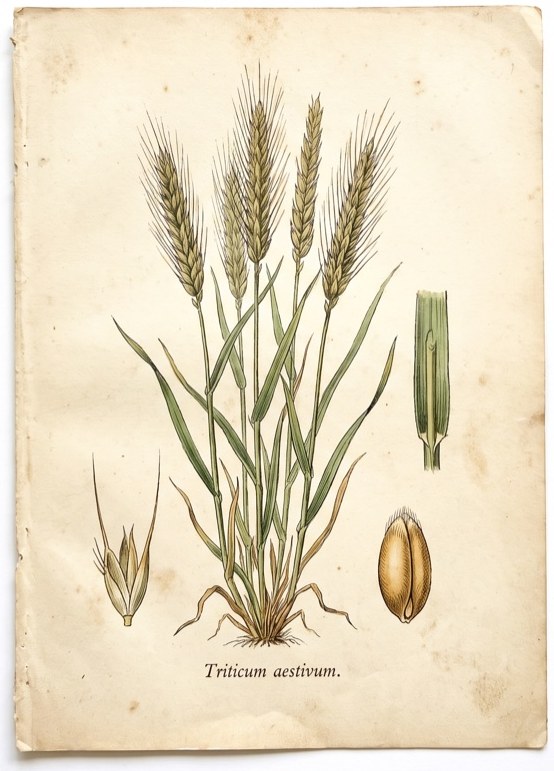 Wheaten FlourFarina Tritici
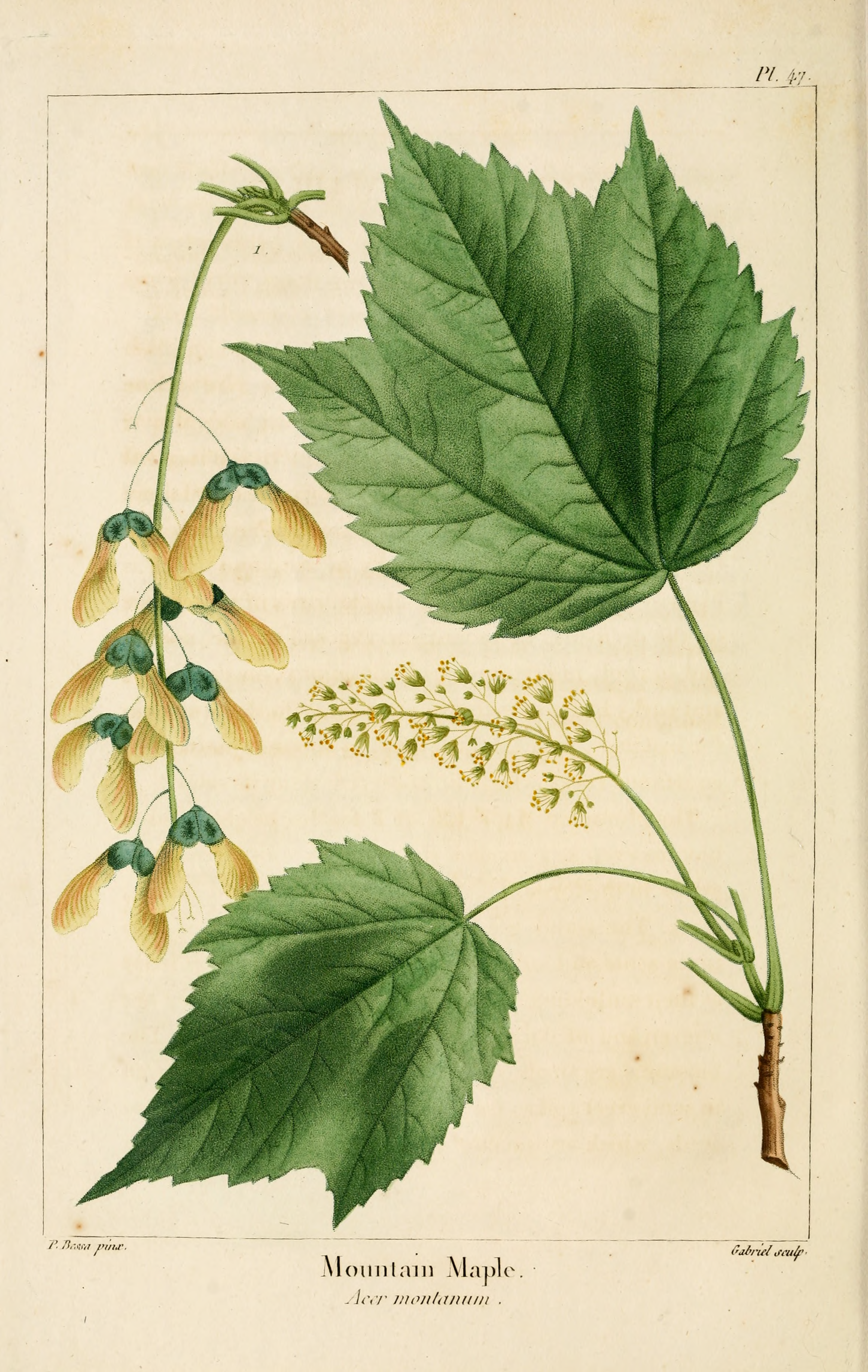 Whistle woodAcer striatum
 White balsamGnaphalium polycephalum
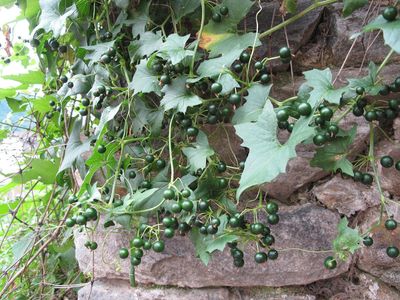 White bryonyBryonia alba
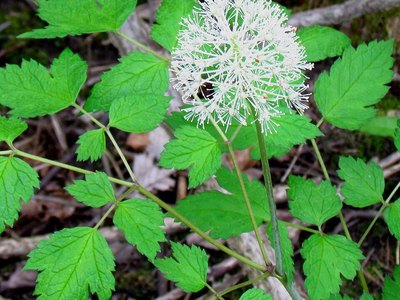 White cohoshActaea Alba
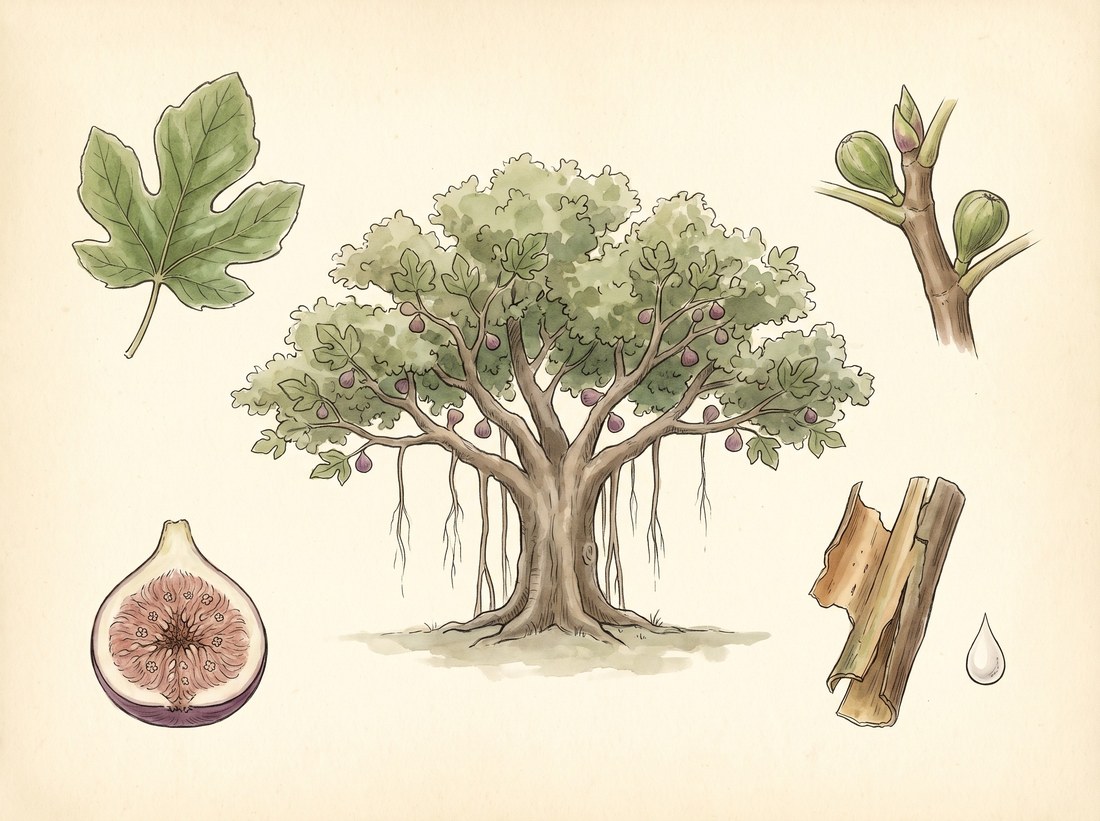 White figFicus lacor
The whole plate is in the library. The compass, Compare, the Sky of eleven hundred plants and the formulary open with an email address and a password, free, with the formula builder and its safety engine. Herbert without limit, his formulating, clients, the handouts and the labels are the paid room.
Open the library, free