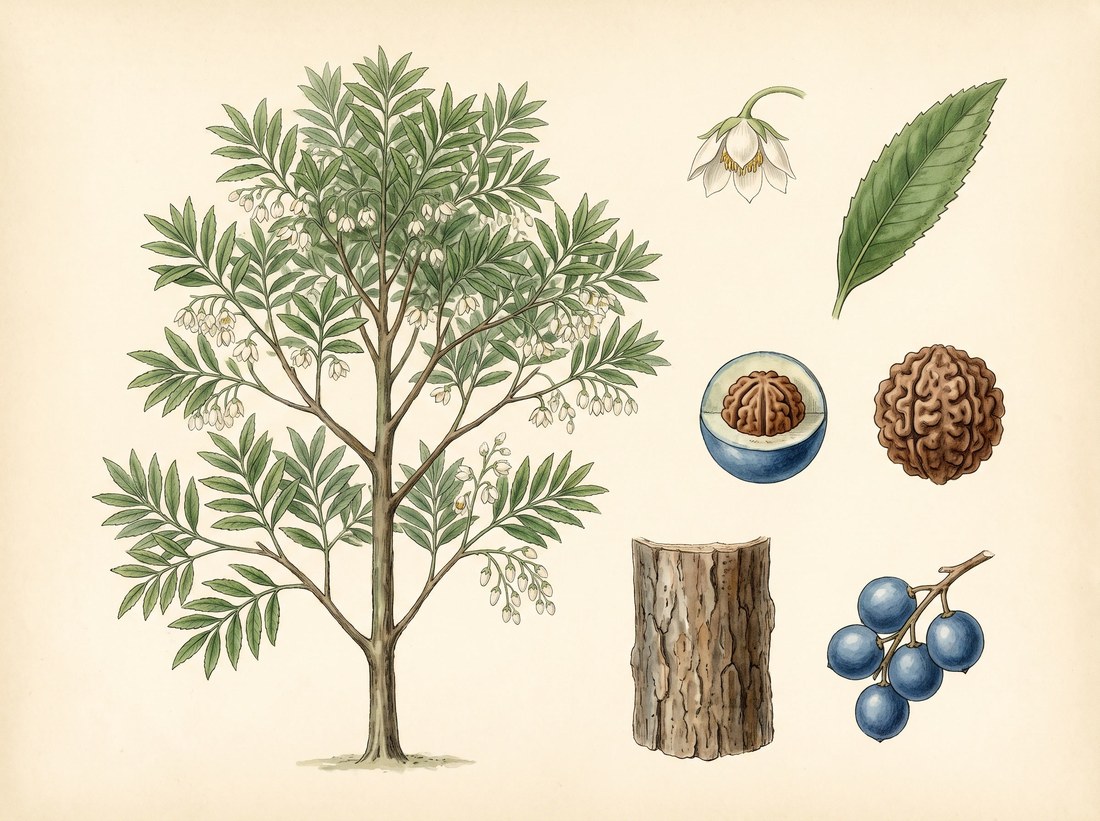
Ayurvedic Herbalism
Rudraksha
Elaeocarpus ganitrus
Also known as rudraksha tree, blue marble tree, utrasum bead tree, blue quandong, Rudraksha, Shivaksha, Bhutanashana.
Elaeocarpus ganitrus, now placed by botanists within Elaeocarpus angustifolius, is a tall evergreen tree of the Himalayan foothills from Nepal through Assam and Arunachal to Burma and across Indonesia to northern Australia, with clusters of small flowers and round blue fruits whose hard, deeply grooved stone is the Rudraksha bead. It is sacred to Shiva, whose tears the beads are said to be, and is far better known as a rosary than as a medicine; the later nighantus, not the great samhitas, describe the seed as a cooling remedy for the mind, the heart and fever, and folk use adds the leaf and bark for pain, fever and wounds. The tree is threatened in parts of its Indian range by demand for beads.

Ask Herbert about Rudraksha. Herbert is the master herbalist inside Bountiful Herbs: he answers from this plate and eleven hundred others, with dosing, pairing and cautions. Your first ten questions are free.
Ask HerbertActions
Indications what the tradition reached for it in
- Anxiety and restlessness with a racing mind
- Insomnia of vata type with worry
- Mild hypertension with stress and palpitations (adjunct)
- Headache and tension in the head and neck
- Epilepsy as a traditional adjunct under supervision
- Fever with cough (fruit pulp and leaf, traditional)
- Rheumatic pain and swelling (leaf and bark, traditional)
- Wound healing and skin infection (leaf paste)
- Mental fatigue and poor concentration
- Asthma and bronchial irritation (traditional)
Specific indications
An anxious, sensitive patient who worries at night, sleeps lightly and has a mildly raised blood pressure with palpitations under stress
A student or meditator with mental fatigue, scattered attention and a wish for a calming rather than a stimulating nervine
Tension headache with tightness at the temples in a vata constitution, helped by calm and warmth
A patient drawn to the devotional use of the bead who wants to understand the modest medicinal claims behind it
Safety
Pregnancy: Avoid medicinal doses in pregnancy as a precaution: no published safety class is known to us and there are no safety data; wearing the bead is harmless.
The record lists 6 contraindications; open the plate in the library to read them in full.
In practice
In Ayurvedic practice Rudraksha is primarily worn, and the classical medicinal claims are modest: a calming influence on the mind and heart, relief of fever, headache and cough, and a place in compounds for epilepsy and insanity alongside Brahmi, Shankhapushpi, Jatamansi and Vacha.
In Ayurveda
Rasa: amla (sour), kashaya (astringent), madhura (sweet). Virya: sheeta (cooling); some texts describe it as ushna. Vipaka: madhura (sweet). Guna: laghu (light), ruksha (dry). Dosha: pacifies vata and pitta; balances kapha in moderate use. Prabhava: considered a manasika rasayana that steadies the mind and is worn on the body for its calming influence. Karma: medhya (supports intellect and memory); manasadoshahara (relieves disorders of the mind); hridya (supports the heart); raktashodhaka (purifies the blood); jvaraghna (relieves fever); kasahara (relieves cough); shvasahara (relieves dyspnea); vedanasthapana (relieves pain); nidrajanana (promotes sleep); raktabharashamaka (reduces blood pressure, in later Ayurvedic writing). Classical indications: unmada (mental disturbance); apasmara (epilepsy); anidra (insomnia); chittodvega (anxiety); hridroga (heart disease); jvara (fever); kasa and shvasa (cough and dyspnea); shiroroga (headache); raktavikara (blood disorders); kushtha (skin disease); graha badha (afflictions attributed to spirits, in the classical idiom). The hard, deeply furrowed stone of the fruit is worn as a bead and, medicinally, powdered in small amounts or soaked overnight in water that is drunk in the morning; the fruit pulp is eaten and given for cough and fever; the leaf is decocted for fever and applied as a paste for wounds and headache; the bark is decocted for fever and skin disease. Classical formulations: Rudraksha churna, Rudraksha jala (bead soaked water), Rudraksha kwatha, Rudraksha bhavita medhya yogas (regional practice), Rudraksha with Brahmi and Shankhapushpi in nervine compounds. Described in: Bhavaprakasha Nighantu, Raja Nighantu, Dhanvantari Nighantu, Kaiyadeva Nighantu.
Dosing as the sources wrote it
| Preparation | As written | Metric |
|---|---|---|
| Churna | 1-3 g powdered seed once or twice daily with milk or honey | 1000-3000 mg |
| Rudraksha jala | 100-200 mL water in which beads were soaked overnight, drunk on rising | 100-200 mL |
| Kwatha | 40-80 mL leaf or bark decoction twice daily | 40-80 mL |
| Kalka, topical | 5-10 g leaf paste applied to wounds or forehead once daily | 5000-10000 mg |
Doses are reproduced from the sources for practitioners and are not a recommendation for any person.
From the sources
Overview. Elaeocarpus ganitrus, now placed by botanists within Elaeocarpus angustifolius, is a tall evergreen tree of the Himalayan foothills from Nepal through Assam and Arunachal to Burma and across Indonesia to northern Australia, with clusters of small flowers and round blue fruits whose hard, deeply grooved stone is the Rudraksha bead. It is sacred to Shiva, whose tears the beads are said to be, and is far better known as a rosary than as a medicine; the later nighantus, not the great samhitas, describe the seed as a cooling remedy for the mind, the heart and fever, and folk use adds the leaf and bark for pain, fever and wounds. The tree is threatened in parts of its Indian range by demand for beads.
Clinical Notes. In Ayurvedic practice Rudraksha is primarily worn, and the classical medicinal claims are modest: a calming influence on the mind and heart, relief of fever, headache and cough, and a place in compounds for epilepsy and insanity alongside Brahmi, Shankhapushpi, Jatamansi and Vacha.
Ayurvedic Profile. Rasa: amla (sour), kashaya (astringent), madhura (sweet). Virya: sheeta (cooling); some texts describe it as ushna. Vipaka: madhura (sweet). Guna: laghu (light), ruksha (dry). Dosha: pacifies vata and pitta; balances kapha in moderate use.
Conservation. Wild trees are declining in the Indian Himalaya and northeast because of demand for beads and habitat loss; the species is regarded as threatened in India and micropropagation programs are under way, so source seed from cultivated or sustainably managed trees.
Nearby on the shelf
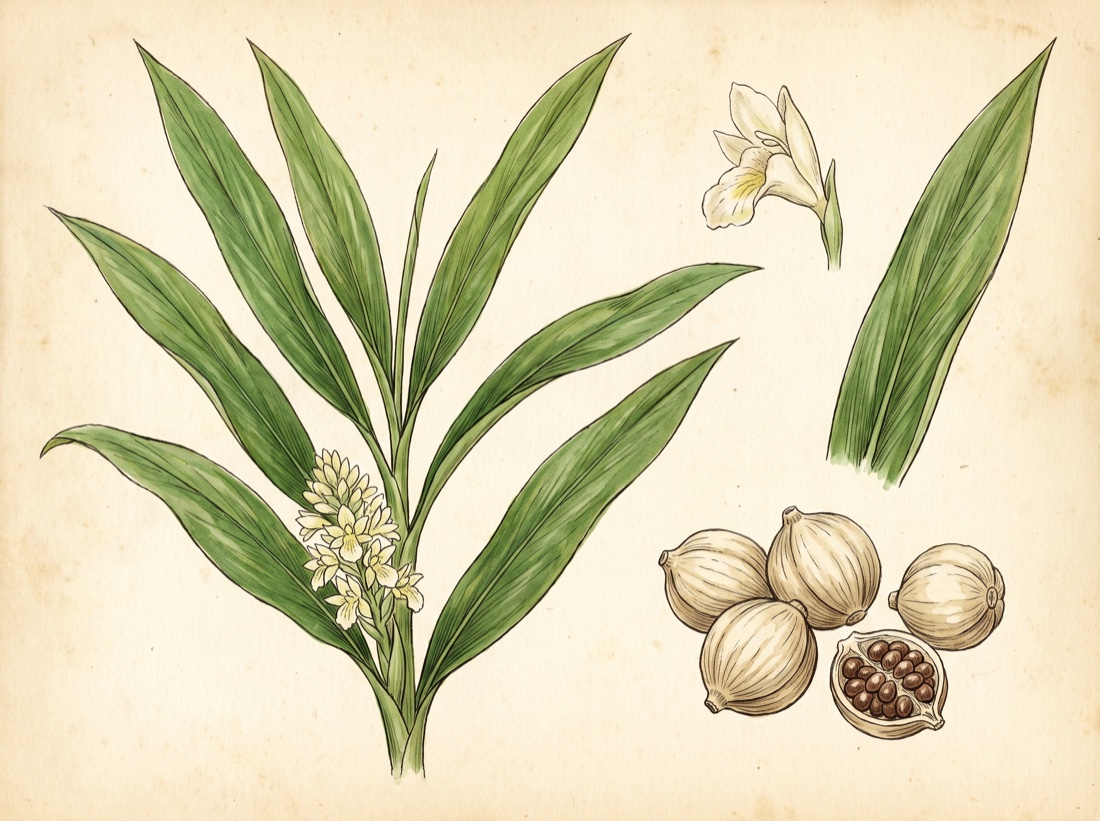 Round cardamomWurfbainia compacta
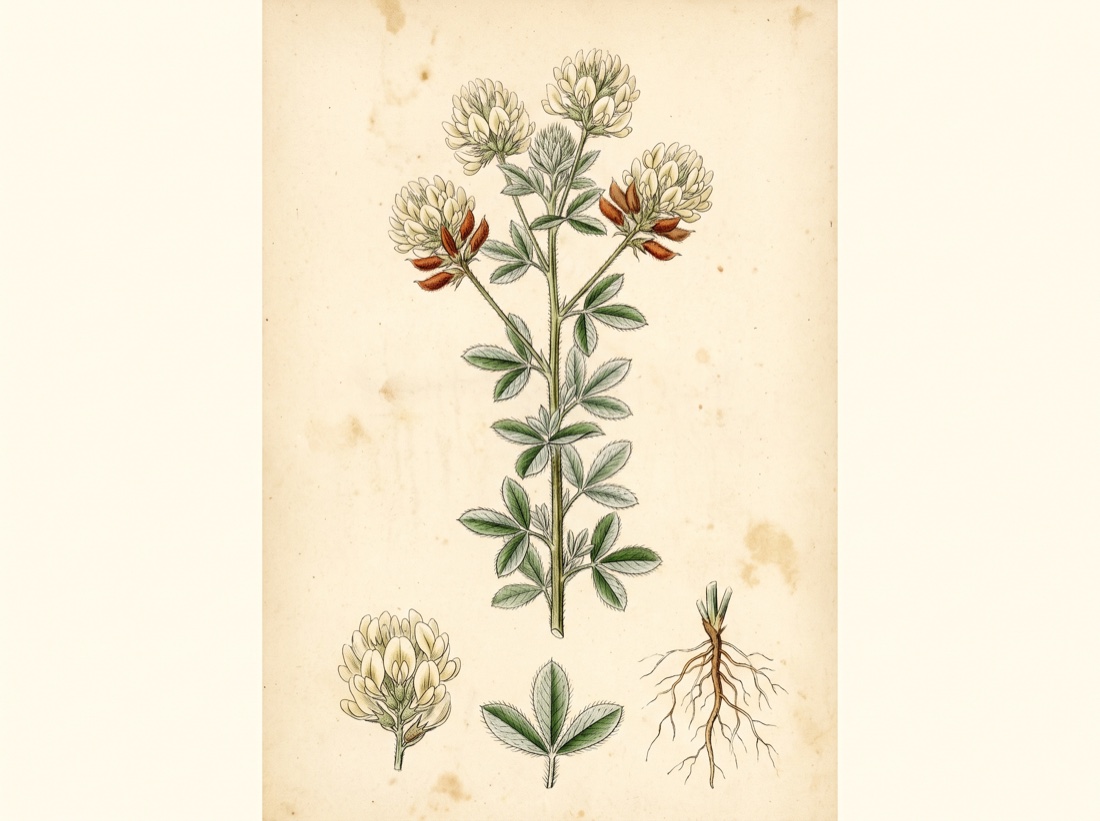 Round-headed bush cloverLespedeza capitata
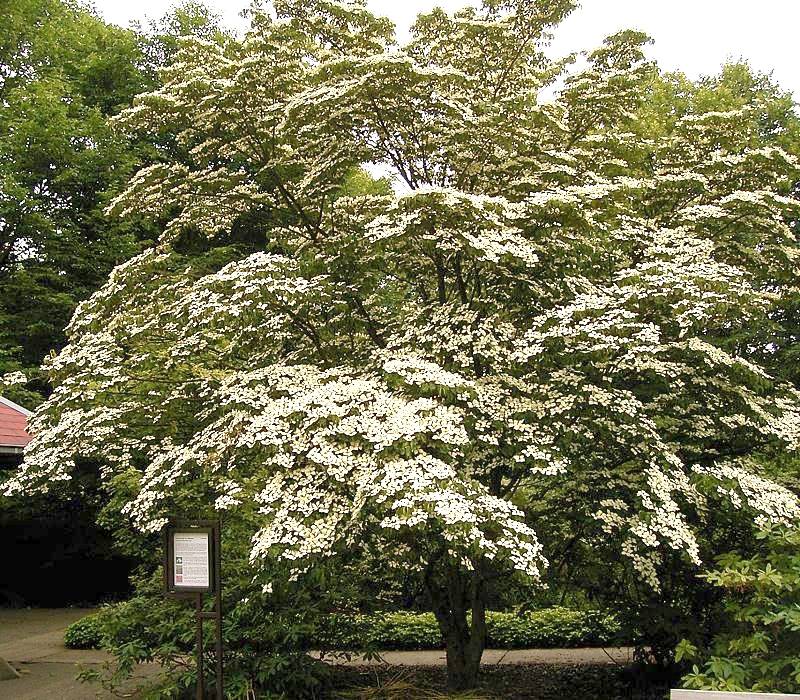 Round-leaved cornelCornus circinata
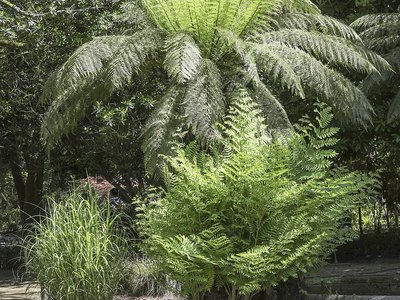 Royal fernOsmunda regalis
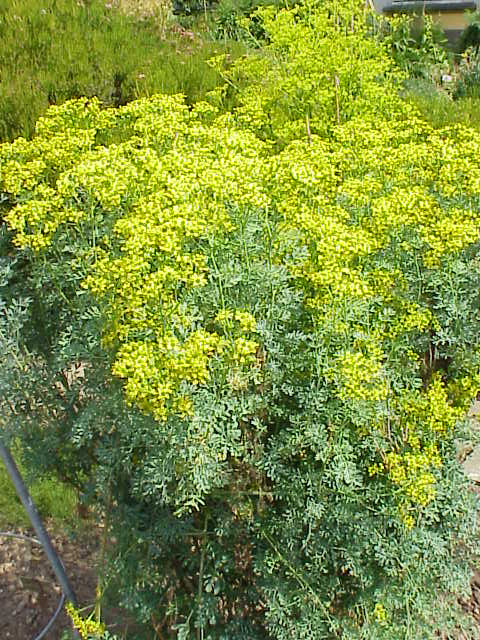 RueRuta graveolens
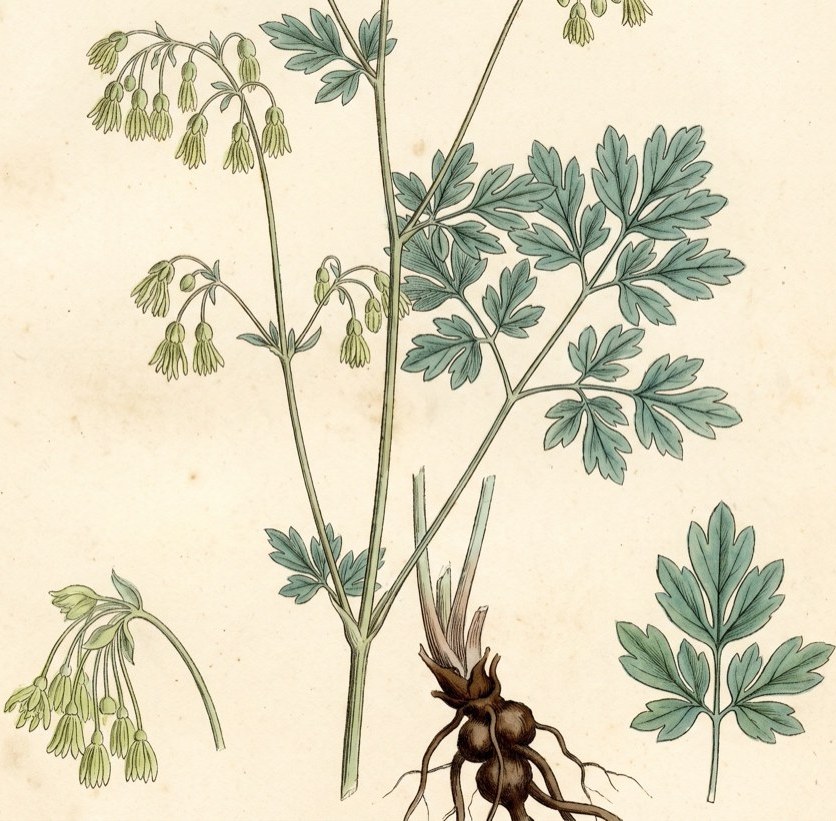 Rue AnemoneThalictrum
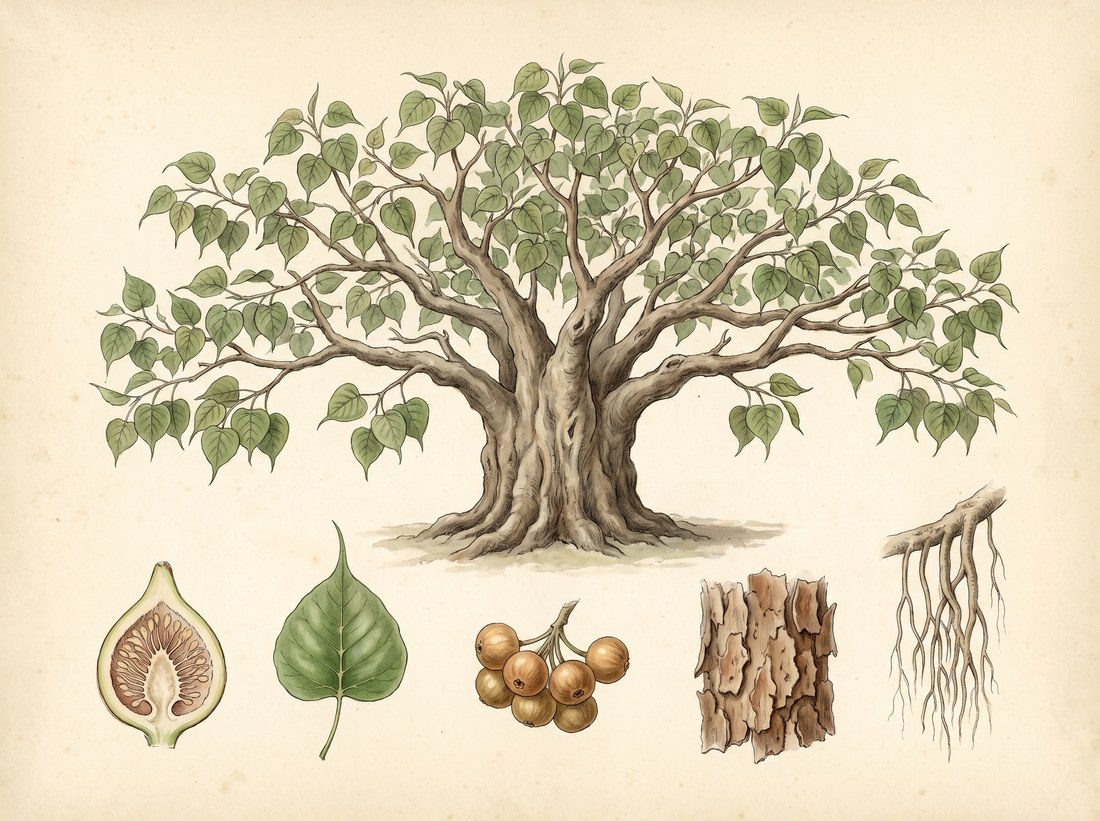 Sacred figFicus religiosa
 Sacred lotusNelumbo nucifera
The whole plate is in the library. The compass, Compare, the Sky of eleven hundred plants and the formulary open with an email address and a password, free, with the formula builder and its safety engine. Herbert without limit, his formulating, clients, the handouts and the labels are the paid room.
Open the library, free